
Snorkeling Big Island Hawaii: Treat Reef Cuts Safely
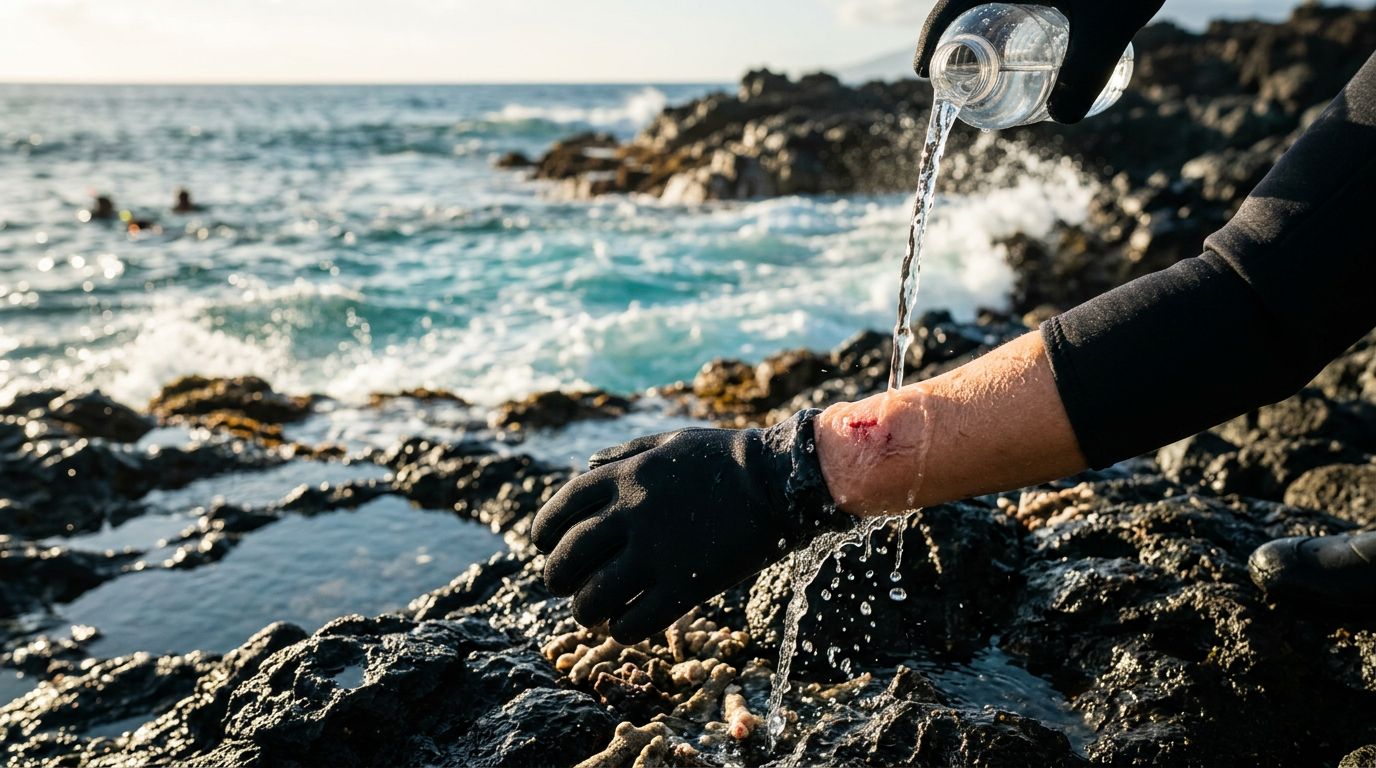
A sharp lava edge or rough coral head can turn a perfect swim into a painful scramble back to shore. If you enjoy snorkeling Big Island Hawaii, knowing how to handle a small scrape can help you protect your skin and spot trouble early.
Most reef cuts need prompt cleaning, not panic. You should leave the water, rinse the wound with clean fresh water, wash it with soap, remove visible debris, and cover it with a clean dressing. The right response begins with understanding why even a minor cut deserves attention.
Why Reef Cuts Snorkeling Injuries Need Prompt Care
Coral and volcanic rock can have sharp, uneven surfaces. A brief brush against the reef may create a shallow abrasion, while a stronger impact can leave a deeper cut. Some wounds also contain tiny pieces of coral or sand that you can’t see at first.
Seawater contains bacteria, and an open wound gives those organisms a way into your skin. Coral tissue and debris can stay trapped under the surface, which may delay healing and increase the chance of infection. A cut that looks harmless on the boat can become more painful, red, or swollen later.
The first step is always the same: stop snorkeling and get out of the water. Don’t keep swimming to finish one more section of reef. Water movement can wash away some blood, but it doesn’t clean the wound properly. It also exposes the cut to more bacteria and friction.
If you’re with a tour group, tell your guide immediately. A trained guide can help you get to a safe place, provide basic first-aid supplies, and assess whether you need professional care. Don’t feel embarrassed about reporting a small scrape. Early cleaning is easier than treating an infected wound during the rest of your vacation.
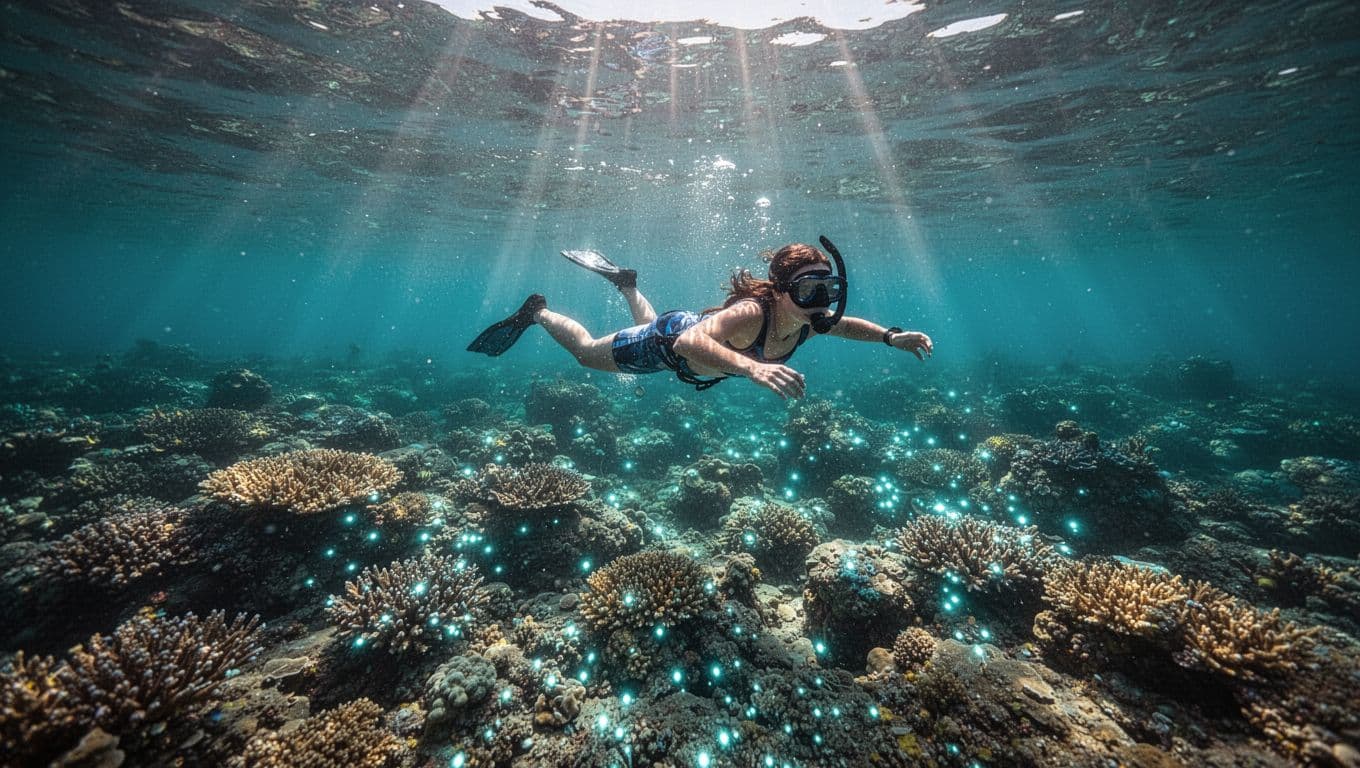
A minor scrape can also affect how you swim. Pain may cause you to change your stroke, hold your breath differently, or panic near rocks. Leaving the water protects both your wound and your safety.
Reef Cuts Snorkeling: First Aid Steps to Follow
Once you’re on a boat, beach, or stable shoreline, treat the injury in a clear order. You don’t need an elaborate medical kit for a minor abrasion, but you do need clean water, soap, gauze, and a dressing that won’t stick to the wound.
1. Rinse with clean fresh water
Flush the cut with plenty of clean fresh water. Use bottled or treated water when you don’t know whether a beach tap is safe. Rinse long enough to wash away salt, sand, and loose particles.
Don’t use seawater to clean the wound. Although the injury happened in the ocean, more ocean water adds exposure rather than removing contamination.
2. Wash with soap
Wash around and over the wound with mild soap and clean water. A coral scrape may sting during cleaning, but proper washing is more important than avoiding a few seconds of discomfort.
The Divers Alert Network guide to coral scrapes and cuts recommends scrubbing the cut with soap and water before flushing it thoroughly. Follow the same careful approach for a shallow scrape caused by reef rock or lava.
3. Control bleeding
Most minor abrasions stop bleeding quickly. If the wound continues to bleed, press a clean gauze pad or cloth against it with steady, gentle pressure.
Hold the pressure for several minutes without lifting the gauze every few seconds to check. If blood soaks through, place another clean pad over the first one. Seek medical help if bleeding remains heavy or doesn’t stop.
4. Remove visible debris
Look for loose pieces of coral, sand, or rock. If you can see a small fragment sitting on the surface, remove it with clean tweezers. Wash the tweezers first if possible.
Don’t dig into the wound with a knife, fingernail, shell, or rough tool. If a piece is embedded, painful to remove, or difficult to see, leave it alone and have a medical professional remove it. Digging can cause more tissue damage and push debris deeper.
5. Rinse again
After removing loose debris, flush the area once more with clean water. This second rinse can wash away particles released during cleaning.
Some first-aid guidance recommends a half-strength hydrogen peroxide solution after the initial wash, followed by another water rinse. If you use hydrogen peroxide, dilute it and follow a trusted medical source or product instructions. Don’t pour full-strength peroxide into a wound, since it can irritate healthy tissue and slow healing.
For a basic vacation first-aid routine, clean water, soap, and an appropriate antiseptic are usually the most practical choices. Ask a pharmacist or clinician if you’re unsure which product fits your wound.
6. Apply an antiseptic and dressing
Pat the surrounding skin dry with clean gauze. Apply a thin layer of an appropriate antiseptic or antibiotic ointment if you can use that product safely. Then cover the cut with a sterile, non-stick dressing.
A non-adherent pad is useful because it won’t pull at the healing surface when you change the bandage. Waterproof coverings can protect a small wound during a shower, but they don’t make it safe to return to the ocean.
7. Recheck it later
Change the dressing at least twice daily, or sooner if it becomes wet, dirty, or loose. Each time, wash your hands first and inspect the wound.
A clean cut should gradually become less tender. Increasing redness, warmth, swelling, pain, drainage, or red streaks points to a problem. Fever or swollen lymph nodes also require medical attention.
What to Avoid After a Reef Scrape
The wrong home remedy can irritate your skin or hide signs of infection. Keep your care simple and clean.
Don’t return to the water with an open wound. A waterproof bandage may reduce contact during a shower, but it doesn’t provide reliable protection during snorkeling. Swimming also creates friction that can reopen a shallow cut.
Don’t cover dirty skin without washing it first. A dressing traps whatever remains underneath, including sand and coral fragments.
Don’t pour rubbing alcohol, strong peroxide, or other harsh chemicals onto a deep wound without medical guidance. Hawaii marine safety advice mentions several cleaning options, but these products can cause pain and tissue irritation. Soap, clean water, and professional advice are safer starting points.
Don’t use a tight wrap that causes numbness, tingling, pale skin, or increased pain. The dressing should stay in place without cutting off circulation.
Don’t pull on a deeply embedded fragment. A visible piece that sits loosely on the surface is different from coral lodged inside the tissue. A clinician can remove embedded material with the right tools and lighting.
You can use common pain relievers such as acetaminophen or ibuprofen only if you normally take them safely and follow the package directions. Ask a pharmacist before using them if you have allergies, kidney disease, stomach ulcers, medication interactions, or other health concerns.
If you suspect contact with fire coral or another stinging marine organism, the injury may burn or itch differently from a simple scrape. The Divers Alert Network first-aid guidance for marine injuries explains when vinegar and other steps may help with stinging injuries. Don’t assume every painful reef injury is an ordinary cut.
When a Minor Cut Needs Medical Care
A small-looking wound can still need professional attention. Seek care promptly if the cut is deep, gaping, heavily contaminated, or located near the eye, hand, joint, or foot.
You should also contact a clinic if you can’t remove visible coral or if the wound contains a puncture. Embedded material can continue irritating the skin and may lead to infection.
Watch for changes during the following days. Get medical advice if you notice:
- Redness that spreads beyond the original wound.
- Increasing warmth, swelling, or throbbing pain.
- Yellow or cloudy drainage.
- Red streaks moving away from the cut.
- Fever, chills, or swollen glands.
- Numbness, weakness, or trouble moving the affected area.
- Pain that keeps increasing instead of improving.
A cut that becomes worse after cleaning needs more attention than one that stays stable. Don’t wait until the end of your Hawaii trip if the wound is deteriorating. A local urgent care clinic can clean the injury, check for retained debris, assess infection risk, and review whether your tetanus vaccination is current.
Call emergency services for uncontrolled bleeding, severe injury, breathing problems, fainting, or signs of a serious allergic reaction. If you feel weak or panicked in the water, alert your guide or lifeguard before attempting to swim back alone.
Your travel insurance may cover urgent care, depending on your policy. Keep your insurance details and a list of regular medications accessible during your trip.
Caring for the Wound After You Leave the Beach
Once the wound is clean and covered, keep it dry and protected. Follow the dressing instructions from a medical professional or the product label. Change the bandage when it becomes damp, dirty, or loose.
Avoid applying sunscreen directly over an open cut. Sunscreen can sting and may interfere with a dressing. Protect nearby skin with clothing or shade instead. Once the wound closes, cover the area from strong sun to reduce irritation and help limit darkening of the healing mark.
Don’t pick at a scab or peel away a dressing that has stuck firmly. Moisten the dressing with clean water or saline and remove it slowly. Pulling it off dry can reopen the surface.
Keep sand away from the wound. Beach towels, swimwear, and boat decks can carry grit that enters a loose bandage. If dirt gets under the dressing, wash the area again and replace it.
You should skip snorkeling, surfing, and ocean swimming until the skin has closed and the area feels comfortable with normal movement. Even then, avoid rubbing the healing spot against reef, fins, or tight equipment.
If you need to take part in another water activity, ask a clinician whether a sealed waterproof dressing is appropriate. A covered wound still needs monitoring, and no dressing is a guarantee against contamination.
How to Prevent Reef Cuts While Snorkeling Big Island Hawaii
Good technique prevents most accidental contact. Keep your body horizontal and maintain enough distance from the reef to avoid brushing it with your knees, hands, or fins.
Never stand on coral. It can injure your feet, damage living organisms, and make the reef less healthy for other visitors. If you need to rest, ask your guide where you can safely hold onto a boat line or use a designated flotation aid.
Practice fin control before you reach shallow coral. Small, relaxed kicks give you more control than large movements. In surge, your body may drift toward the reef even when you aren’t trying to move. Swim parallel to the reef or signal your guide if the current pushes you too close.
Wear properly fitted fins. Loose fins can slip off and cause you to kick harder. Tight fins can create blisters that turn into open wounds. A rash guard or lightweight swim shirt can protect your torso from incidental contact, although it won’t protect every exposed area.
Use a flotation device if you need help staying calm or conserving energy. Fatigue causes poor body position and makes accidental contact more likely. You don’t need to prove your swimming ability by struggling in current.
Pay attention during entry and exit. Many reef injuries happen in shallow water, where waves move swimmers toward rocks. Move slowly, follow the guide’s route, and avoid placing your hands on unfamiliar surfaces.
A reef-safe approach also means keeping sunscreen, gear, and hands away from coral. Use mineral sunscreen when suitable, avoid touching marine life, and follow local rules in protected areas. Hawaii’s Department of Land and Natural Resources provides marine life conservation district safety guidance for visitors.
Choosing a Guided Trip When You Snorkel Big Island Waters
A guided trip can reduce avoidable contact with the reef, especially if you’re unfamiliar with local conditions. Your guide can explain entry points, currents, safe distances, and the best body position for the site.
Kona Snorkel Trips focuses on small-group ocean adventures with Lifeguard Certified guides, quality snorkeling equipment, and reef-safe practices. The company follows a “Reef to Rays” philosophy, pairing marine-life experiences with guest safety and respect for volcanic reef habitats.
That personal approach can help families, couples, and first-time visitors feel more comfortable in the water. Guides can also adjust instructions for different swimming abilities and watch conditions while you focus on breathing and enjoying the reef.
You can review the available Big Island snorkeling tours before choosing an experience that matches your group. If you want a quieter outing, private options can give you more flexibility with pace, location, and time in the water.

Before booking, ask practical questions. Find out whether the trip suits your swimming level, what flotation equipment is available, and how guides handle minor injuries. You should also know the meeting location, expected water conditions, and whether you can leave the water easily if you feel tired or uncomfortable.
A good guide won’t encourage you to touch coral, chase wildlife, or continue after an injury. Instead, you’ll receive clear instructions that help you enjoy the ocean without putting yourself or the reef at unnecessary risk.
If you’re planning a guided snorkeling day in Kailua-Kona, you can check availability before your preferred date fills.
What to Pack for Safer Snorkeling
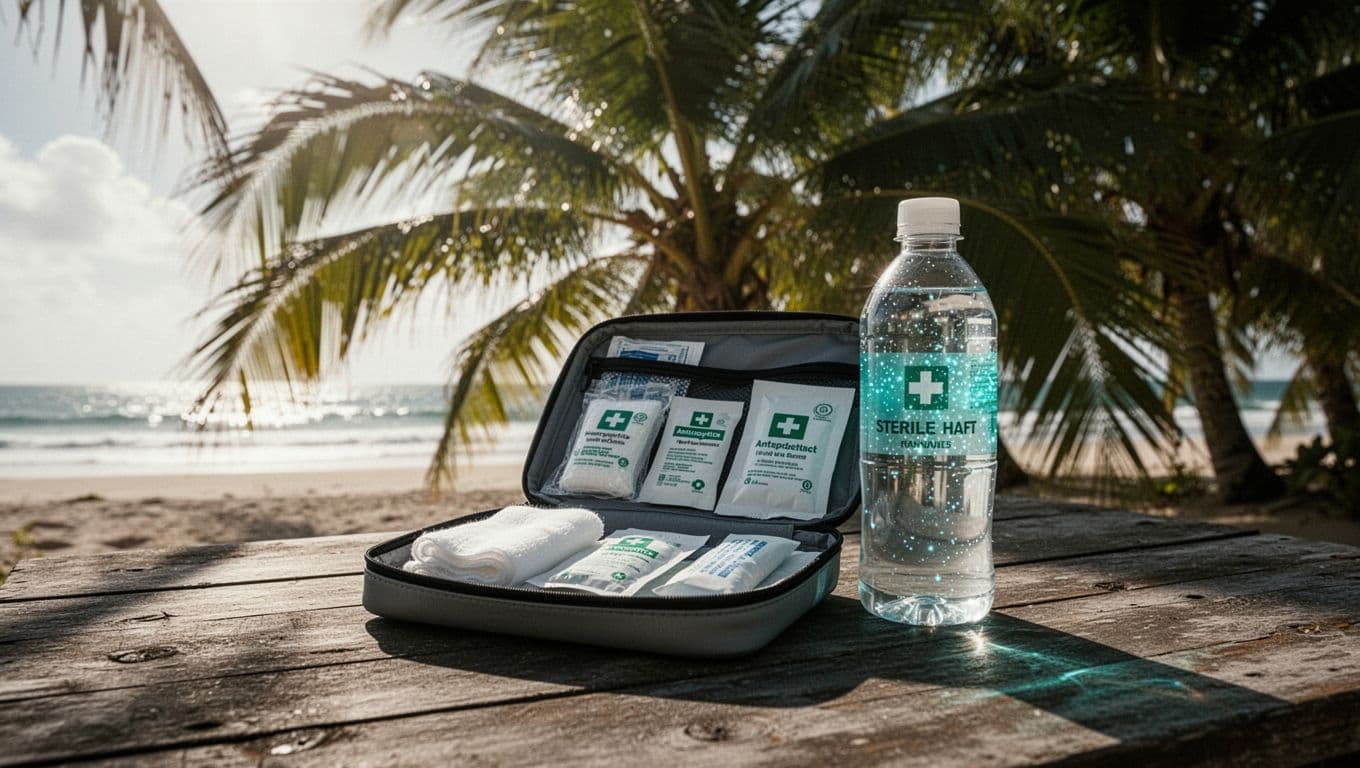
You don’t need to carry a full medical kit in the water, but a few items belong in your beach bag or vehicle:
- A small bottle of clean drinking water for rinsing.
- Mild soap and alcohol-free hand sanitizer for use before wound care.
- Sterile gauze and non-stick dressings in several sizes.
- Clean tweezers for loose surface debris.
- A reef-safe antiseptic or ointment that you already know you can use.
- Waterproof bags for keeping first-aid supplies dry.
- Your health insurance information and medication list.
Tour boats often carry first-aid supplies, but your own kit is useful when you explore independently. Keep it out of direct heat, and replace sterile items if their packaging becomes wet or damaged.
Pack footwear for rocky entries and exits. Water shoes can protect against sharp lava and rough surfaces, although they don’t make it safe to walk on coral. Use them where local conditions allow, then remove them before entering areas where they could damage living reef.
Check your body and equipment before entering the water. A loose strap, missing fin, or blister can become a distraction once you’re swimming. Fix those problems on shore, where you have better balance and visibility.
A Simple Plan for the Rest of Your Vacation
If you get a minor cut, clean it as soon as possible and avoid another ocean session until the skin closes. You can still enjoy many land-based Big Island activities while the wound heals, including scenic drives, cultural sites, and shoreline viewpoints.
Don’t cover a worsening wound and hope it improves by morning. A quick medical assessment may prevent a more serious interruption to your trip.
When you return to the water, choose a calm site and tell your guide about the healing area. A guide can help you avoid strong surge and adjust your route. Keep the wound protected, but stop if the dressing loosens or pain increases.
Your comfort matters as much as your itinerary. Missing one swim is a better outcome than turning a shallow scrape into an infection that affects the rest of your vacation.
Conclusion
A reef scrape doesn’t have to ruin your time in Hawaii, but you should treat it as an open wound. Leave the water, rinse with clean fresh water, wash with soap, remove only loose visible debris, cover the cut, and monitor it for changes.
While snorkeling Big Island reefs, good fin control, proper distance, and guidance from a qualified crew can prevent many injuries. If redness, swelling, pain, drainage, or fever develops, seek medical care instead of returning to the ocean. Your best underwater memories begin with protecting your health and the reef beneath you.