
Private Boat Ash Scattering on Hawaii’s Big Island
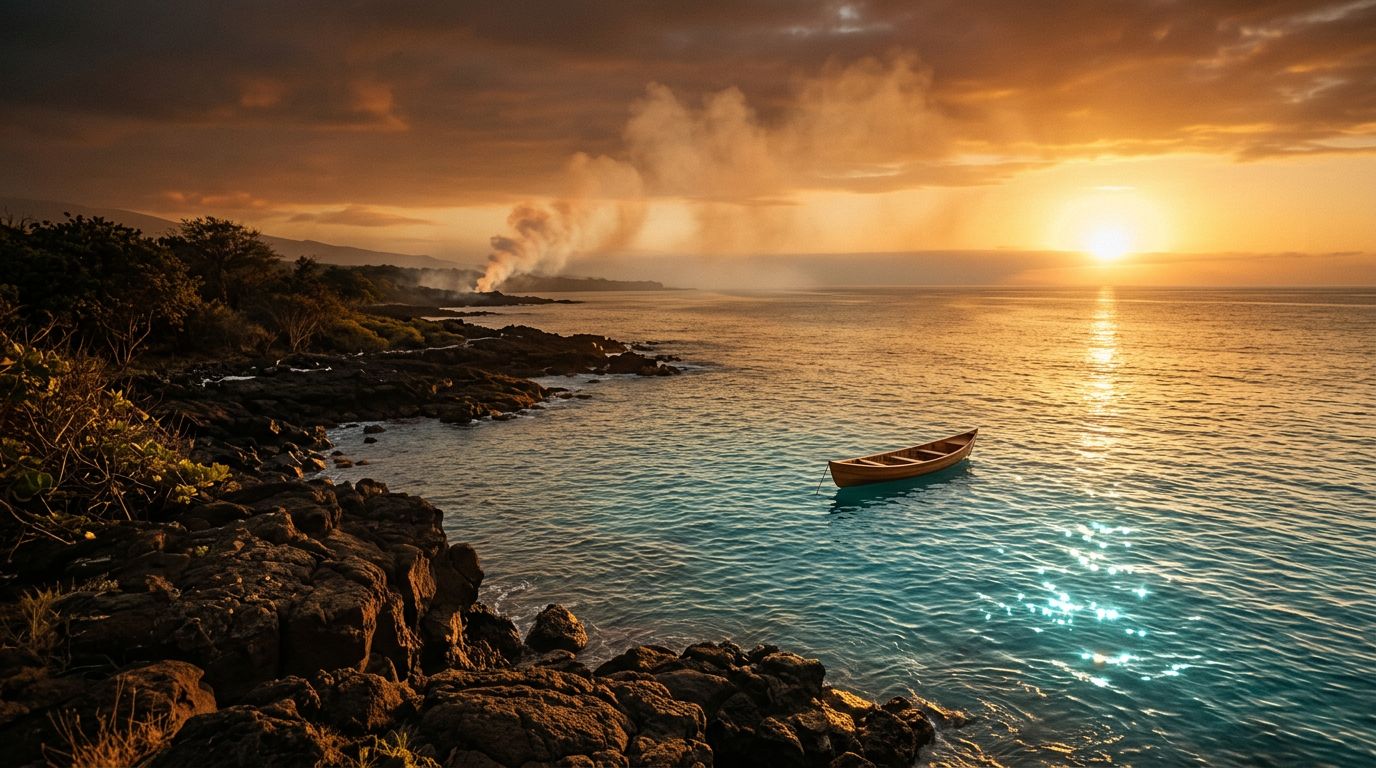
Some goodbyes need more room than a shoreline can give. A private boat gives you quiet water, a smaller circle, and time to speak without strangers nearby.
On the Big Island, the Kona coast gives you a setting that feels calm and open. If you later want a lighter ocean day, Kona Snorkel Trips is one Kona operator known for small-group service and a reef-first approach.
A private boat tour for ash scattering should feel steady, simple, and personal. The right planning keeps the focus where it belongs, on the person you are honoring.
Why a private boat feels right for ash scattering
Privacy changes everything on a memorial trip. When you choose a private charter, you set the pace instead of following a fixed tour schedule. You can pause, speak, cry, or sit in silence without feeling rushed.
That freedom matters even more on the water. A small boat feels less public than a beach gathering, and it keeps the ceremony close to your own family circle. You also avoid the noise and distraction that can come with larger group trips.
The Big Island fits this kind of day well. Kona’s leeward coast often has calmer conditions than windier parts of the island, so the experience can feel gentle and controlled. Morning light is usually softer too, which helps the water feel peaceful instead of bright and busy.
For many families, that calm is the whole point. You are not planning a celebration with decorations and speeches. You are choosing a quiet setting where the sea can do some of the work for you.
A private charter also gives you room to handle emotion in your own way. Some people want to say a prayer. Others want a short reading, a song, or no words at all. A private boat makes each choice feel natural.
Planning the ceremony without pressure
The best memorial trips start with a simple plan. You do not need a long script. You need a clear idea of who is coming, what will happen, and how much time you want on the water.
Start with the family circle. Decide who should be present, who may want to speak, and whether children should join. Some groups keep it intimate with just immediate family. Others invite a few close friends who knew the person well.
Next, think about the rhythm of the ceremony. Do you want to gather on the dock first, or wait until the boat reaches a calmer stretch of water? Do you want to open with a short prayer, or save words for the end? These small choices shape the whole experience.
The best memorial trips feel unhurried. You should have time to speak, pause, and let the water carry the moment.
You should also ask the charter company how they handle ashes, flowers, and personal items. Some crews can help you choose a release point and keep the boat steady while you scatter. Others may suggest a different approach based on wind, swell, or the size of your group.
If you want a local example of how this kind of service is described, the Kailua-Kona ash scattering services page shows the kind of details families usually compare. For a broader look at sea burial planning in Hawaii, the burial at sea guide gives you a sense of the ceremony flow and common questions.
What the day on the water feels like
The day usually begins quietly. You arrive at the harbor, meet the captain, and step onto the boat with your small group. There is no crowd around you, no long line, and no rush to get moving.
Once the boat leaves the dock, the mood shifts fast. The shoreline slips behind you, the engine sound softens, and the open water starts to feel more private. On the Kona side, that first stretch offshore often gives families the space to settle in before the ceremony begins.
A captain who knows the local water can make a big difference here. The boat may slow near a calm patch, turn into the wind, or hold position while your family gathers itself. That kind of help keeps the moment grounded.
The ceremony itself is often short. You may hear a name spoken, feel the wind pick up, and see the ashes return to the sea. Some families follow with flowers or a final prayer. Others simply stand together and watch the water.
After that, there is usually a quiet return ride. Many people find that second half of the trip matters just as much as the release. The day settles in, and you have a little time to breathe before heading back to shore.
How to choose the right charter
The right boat is less about size and more about fit. You want a crew that understands quiet moments, keeps the boat stable, and answers questions plainly. A rushed or distracted captain can make an emotional day feel harder than it needs to be.
Use a simple comparison before you book. The table below can help you sort the options.
| What to ask | Why it matters |
|---|---|
| How private is the boat? | Privacy shapes the tone of the ceremony. |
| Can the captain adjust timing? | Weather and water can change quickly. |
| What happens if the sea gets rough? | You need a backup plan that feels clear. |
| Can the crew help with the pace? | Families often need a slower, calmer rhythm. |
| Is there room for personal items? | Photos, letters, or flowers may matter to you. |
The takeaway is simple. A good memorial charter gives you control without making you feel like you are managing the trip yourself.
You should also pay attention to the crew’s tone. Do they listen well? Do they explain the route without jargon? Do they answer practical questions directly? Those details tell you a lot.
For ash scattering, local knowledge matters as much as hospitality. A captain who knows the Kona coast can help you choose the right time of day and the right stretch of water. That local feel can keep the ceremony more comfortable and more respectful.
Weather planning matters too. Morning trips often have a better chance of calmer seas, while later hours can bring more wind. If your family needs the day to feel gentle, ask about the best window before you lock in a date.
Making the ceremony personal for family and friends
A memorial at sea works best when it feels honest. You do not need to stage anything. You only need a few meaningful details that fit the person you are honoring.
Some families bring a framed photo and keep it on the deck during the trip. Others fold a letter and read it aloud before the release. A few people share memories one by one, then let the silence take over. There is no single right sequence.
You can also assign roles before you board. One person can carry the ashes. Another can speak for the family. A third can watch for younger children who may need a hand or a distraction. Clear roles reduce stress when emotions run high.
If children are coming, keep their part simple. Tell them what will happen in plain language. Let them ask questions. Give them a small job if that helps them feel included, like placing a flower or standing close during the reading.
Older family members may need extra comfort too. Bring water, choose a smooth deck space when possible, and avoid building the day around long stretches of standing. A thoughtful pace helps everyone stay present.
The most important thing is to keep the ceremony aligned with the person you lost. If they loved the ocean, let that shape the tone. If they were private, keep the trip small. If they liked simplicity, let the water speak for itself.
What to bring, what to leave, and how to prepare
A clean, light setup makes the day easier. You do not need much, but the right few items can save you stress later.
- Bring tissues, water, and any medication you might need.
- Wear shoes that are easy to remove, since decks can feel more secure barefoot.
- Pack a light jacket or wrap, because wind can feel cool offshore.
- Use sun protection that is reef-safe and family-friendly.
- Keep any reading, prayer, or note on paper you can hold easily in one hand.
You should also leave a few things behind. Loose confetti, glass, and anything that can blow away create problems on the water. If you want flowers, ask the captain first and keep them simple. A memorial trip should stay clean and respectful.
Motion sickness is another piece to think about ahead of time. If anyone in your group gets uneasy on boats, plan for it early. Choose a trip time that usually feels calmer, eat lightly, and talk to the captain about the smoothest route they can offer.
Small practical choices matter more than fancy ones. A folded note in your pocket helps more than a bag full of extras. A calm group helps more than a long list of decorations.
A later ocean day can help too
Some families find that a memorial trip is only one part of their time on the Big Island. Later, when the day feels lighter, you may want to return to the water for something more open and bright. That is where snorkeling Big Island Hawaii can feel like a gentle follow-up.
Many visitors come back to snorkel Big Island after a memorial day because the same coastline offers a different mood. The water can feel clear, the boat ride can feel easy, and the group energy shifts from quiet reflection to simple time together. You may even find that snorkeling Big Island gives your family a softer way to reconnect after a hard moment.
If that sounds right for you, Kona Snorkel Trips is a good place to look. The company focuses on small groups, safety-minded guiding, quality gear, and a respectful ocean experience. It also fits travelers who want a personal feel rather than a crowded boat. For a future trip, you can check availability below.
That kind of return trip is different from an ash scattering charter, but the feeling is similar. You still want clear communication, a small group, and a crew that treats the ocean with care.
Conclusion
A private memorial on the Big Island works best when it stays simple. You choose a calm boat, a thoughtful captain, and a plan that gives your family room to breathe.
The right charter helps you hold the moment without crowding it. When the boat feels private and the water feels steady, the ceremony can unfold in its own time, which is often what you need most.