
Big Island Snorkeling in Fall for First-Time Visitors
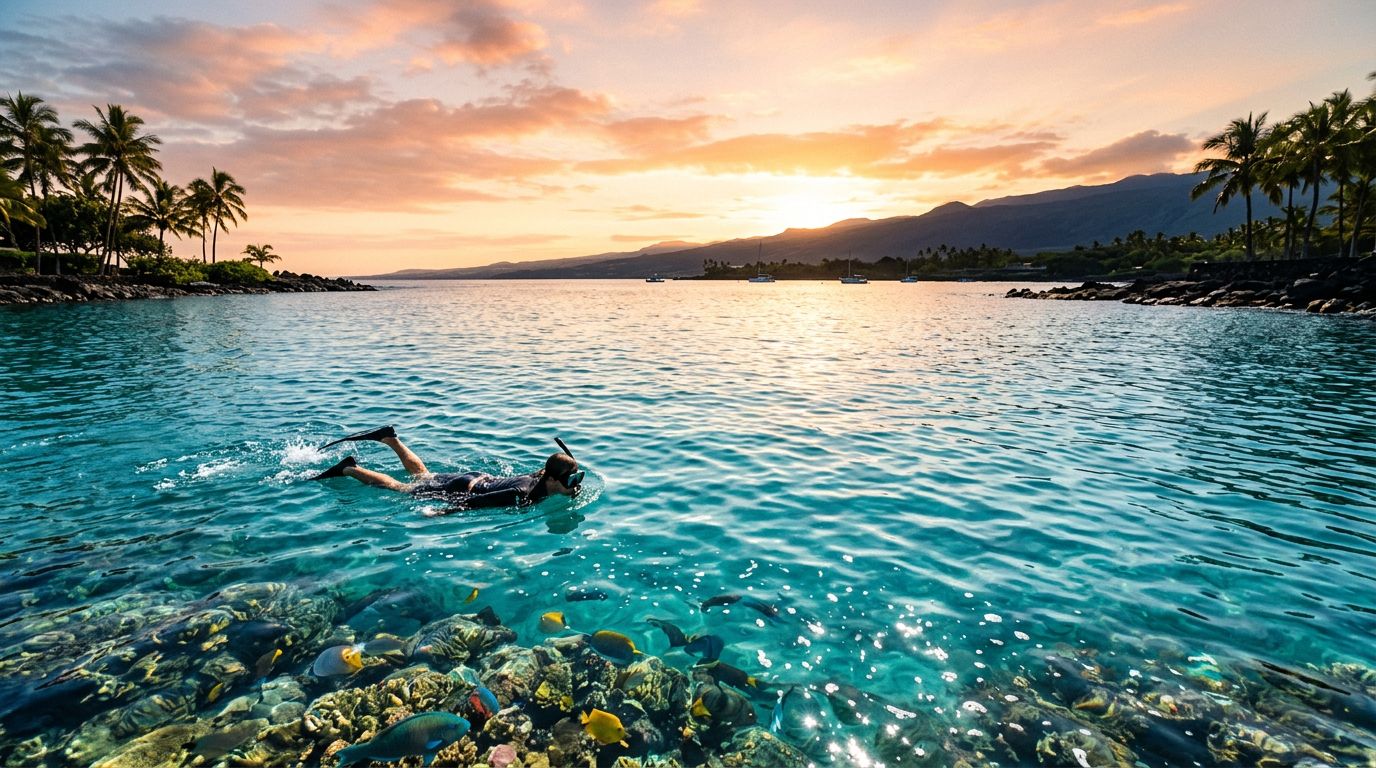
Fall is one of the easiest times to try Big Island snorkeling for the first time. The water still feels warm, the days are bright, and the Kona coast often gives you calmer conditions than you might expect.
If you have never snorkeled here before, that matters. You want your first swim to feel relaxed, not rushed. You want clear water, simple access, and a plan that helps you enjoy the fish without worrying about the rest.
That’s where fall helps. With the right timing and the right spot, snorkeling Big Island Hawaii can feel smooth from the first mask check to the last swim back to shore.
Why fall feels easier for your first snorkel day
Fall on the Big Island gives you a comfortable middle ground. Summer crowds ease up, yet the ocean still feels inviting. You can often get a more settled start to the day, which is exactly what a first-timer needs.
The biggest advantage is pace. When you are new to the water, small things matter. A calmer morning means less wind on your face, less chop around your mask, and less effort just to stay relaxed. That leaves more attention for reef fish, coral shapes, and the flash of a yellow tang.
Fall also works well because you can build confidence without feeling pressed. If you only want a short swim, you can do that. If you want a longer look, you can stay out a little longer. That flexibility makes snorkeling Big Island a better fit for nervous swimmers than many people expect.
A calm first snorkel day is usually more about timing than talent.
If you are planning your first trip, start early and keep the plan simple. A slow morning often gives you the best odds of a good memory.
Where to start on the Kona coast
The Kona coast is usually the first place you should look when you want to snorkel Big Island for the first time. The west side is sheltered compared with the windier parts of the island, and that can make the water feel friendlier.
You still need to choose between shore access and a boat trip. Both can work well in fall, but they suit different travelers.
| Option | Best for | What you get | Watch for |
|---|---|---|---|
| Shore snorkeling | Confident swimmers, flexible schedules | Lower cost, easy pacing, simple start | Rocks, surge, and entry points |
| Guided boat tour | First-time visitors, families, couples | Gear, route planning, on-water help | Set departure time |
| Private charter | Mixed-skill groups, special occasions | More control over pace and stops | Higher cost |
If you want more shoreline ideas, the Big Island snorkeling guide gives you a solid overview of the coast. For a closer look at one popular shore area, the write-up on 2 Step Beach in Honaunau helps you picture a classic Big Island entry point.
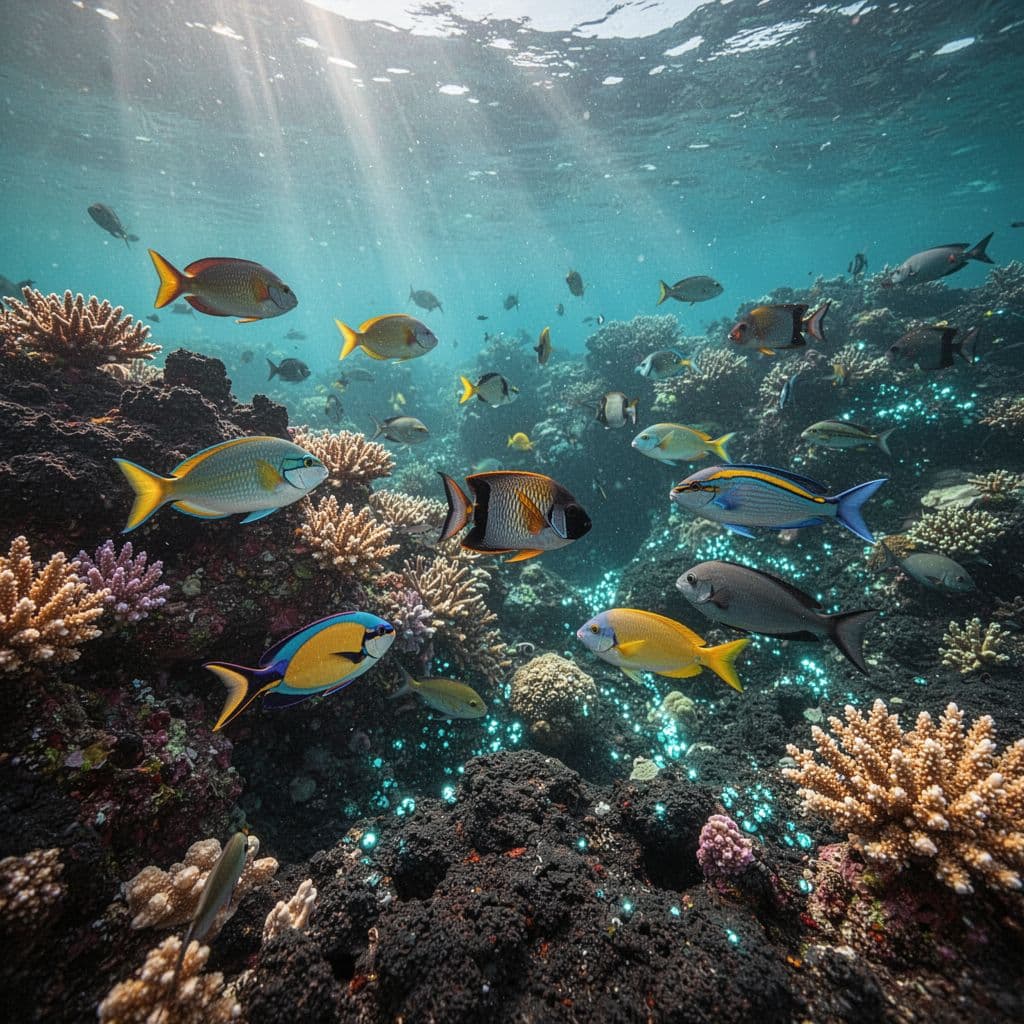
A spot like that shows why snorkeling Big Island works so well for first timers. The setting can feel dramatic, but the water itself may still be manageable when you pick the right entry and the right time of day.
How weather changes the water in fall
Fall weather on the Big Island shifts enough to matter, even when the surface looks calm from shore. Wind, rain, and swell all shape what you see once your face is in the water.
Morning usually gives you the best odds. The air is cooler, the water is often smoother, and boat traffic has not built up yet. By afternoon, wind can wrinkle the surface and push more movement across exposed areas.
Rain deserves attention too. A light shower does not always ruin a snorkel plan, but runoff can cloud the water near certain shorelines. If you see a storm line moving through, it often pays to wait and check conditions again instead of forcing the day.
| Condition | What you may notice | What to do |
|---|---|---|
| Early morning calm | Easier mask fit, better visibility | Go sooner rather than later |
| Light wind | Slight surface chop | Stay near sheltered spots |
| Afternoon breeze | More splash and drift | Keep the session short |
| Recent rain | Cloudier nearshore water | Move to another bay or wait |
That is why fall snorkeling Big Island Hawaii feels so different from simply showing up and hoping for the best. You get a better result when you match the spot to the conditions.
A guided trip takes the guesswork out
If you want your first snorkel day to feel easy, a guided trip is often the smartest choice. You do not have to read the shoreline like a local, and you do not need to guess where the safest water starts.
Kona Snorkel Trips is a strong starting point for that kind of first day. The company keeps groups small, uses lifeguard-certified guides, and focuses on safety without turning the trip into a rigid lesson. That matters when you want help, but you still want room to enjoy the water at your own pace.
The right guide can change how your whole morning feels. You spend less time checking maps and more time paying attention to the reef. You also get a better sense of what your body likes, which is useful if you are planning more time in the ocean later in the trip.
If you want a more private pace, private Kona boat charters can also fit families or mixed-experience groups well. A slower pace, clear direction, and a smaller group often make all the difference for first-time visitors.
What to pack so your first hour goes smoothly
The best snorkel days usually start before you hit the water. A little prep saves you from small annoyances that can throw off the mood.
Bring gear that helps you feel steady, not overloaded. You do not need a giant packing list. You need a few things that keep you comfortable and let you focus.
- Mask and snorkel fit: If your mask leaks, the whole day feels harder. Try it on before you leave.
- Reef-safe sunscreen: Use it early so it has time to settle before you swim.
- Rash guard or swim shirt: Sun protection is easier when you are not reapplying every hour.
- Towel and dry clothes: A warm change after the water makes the rest of the day better.
- Water shoes or sturdy sandals: They help on rocky entries and hot pavement.
- Water and a light snack: Dehydration sneaks up on you faster than you expect.
- Anti-fog drops or a simple rinse plan: Clear glass makes your first look underwater much less frustrating.
If you get motion sick, pack for that too. Even a short boat ride can bother you if you arrive on an empty stomach or skip water. A light breakfast and a steady horizon usually help.
You will enjoy snorkel Big Island plans more when the little things are handled before you leave your hotel.
Simple habits that keep you calm in the water
Once you are in the ocean, your habits matter more than your gear. The good news is that the habits are simple.
Start by entering slowly. Give yourself a minute to breathe, float, and let your body settle. If you rush, your mask feels tighter and the water seems choppier than it really is.
Stay near your comfort zone. You do not need to chase the deepest water or swim far from the entry point. A short, calm session is better than a long one that leaves you tense.
Use your fins with control. Big, fast kicks stir up sand and waste energy. Smooth kicks help you glide and stay relaxed.
Respect the reef at every step. Touching coral can damage it, and standing on rock can hurt both you and the reef. Keep your distance, move slowly, and let the fish come to you.
Watch your breathing if you start to feel uneasy. Slow, steady breaths usually reset your rhythm faster than panic does. If you need a break, float on your back or return to shore. There is no prize for staying out longer.
These habits help new visitors enjoy snorkeling Big Island without turning the trip into a test.
A low-stress first-day plan that works
A simple plan gives you the best chance of a good fall snorkel. You do not need to overthink it.
- Pick a morning start.
Morning water is usually smoother, and your energy is higher. That alone makes the first swim easier. - Choose one main spot.
Do not try to fit three beaches into one day. Pick one shore or one guided trip and enjoy it fully. - Check the conditions before you leave.
Look for wind, swell, and any rain that might affect visibility. If the forecast looks messy, shift your timing. - Eat light and hydrate.
Heavy food can make you sluggish, while too little food can leave you drained. A small meal and water work best. - Take your time in the water.
Spend the first few minutes just breathing and floating. After that, let your eyes adjust and watch for movement near the reef.
That kind of day leaves room for surprise without adding stress. It is also the best way to learn what kind of snorkeling you like. Some people love shore entries. Others prefer a boat. A few decide right away that they want a private trip next time because the pace feels better.
Conclusion
Fall gives you a smart entry point if you want to try Big Island snorkeling for the first time. The water often feels warm enough, the mornings can be calmer, and you can choose between shore spots, guided trips, or private options based on your comfort level.
If you keep the plan simple, the day gets better fast. Pick a sheltered spot, start early, bring the right gear, and let the reef set the pace.
Your first snorkel on the Big Island does not need to be perfect. It only needs to be calm, clear, and easy enough to make you want another swim.