
Pawai Bay Snorkeling in Kona: What to Expect
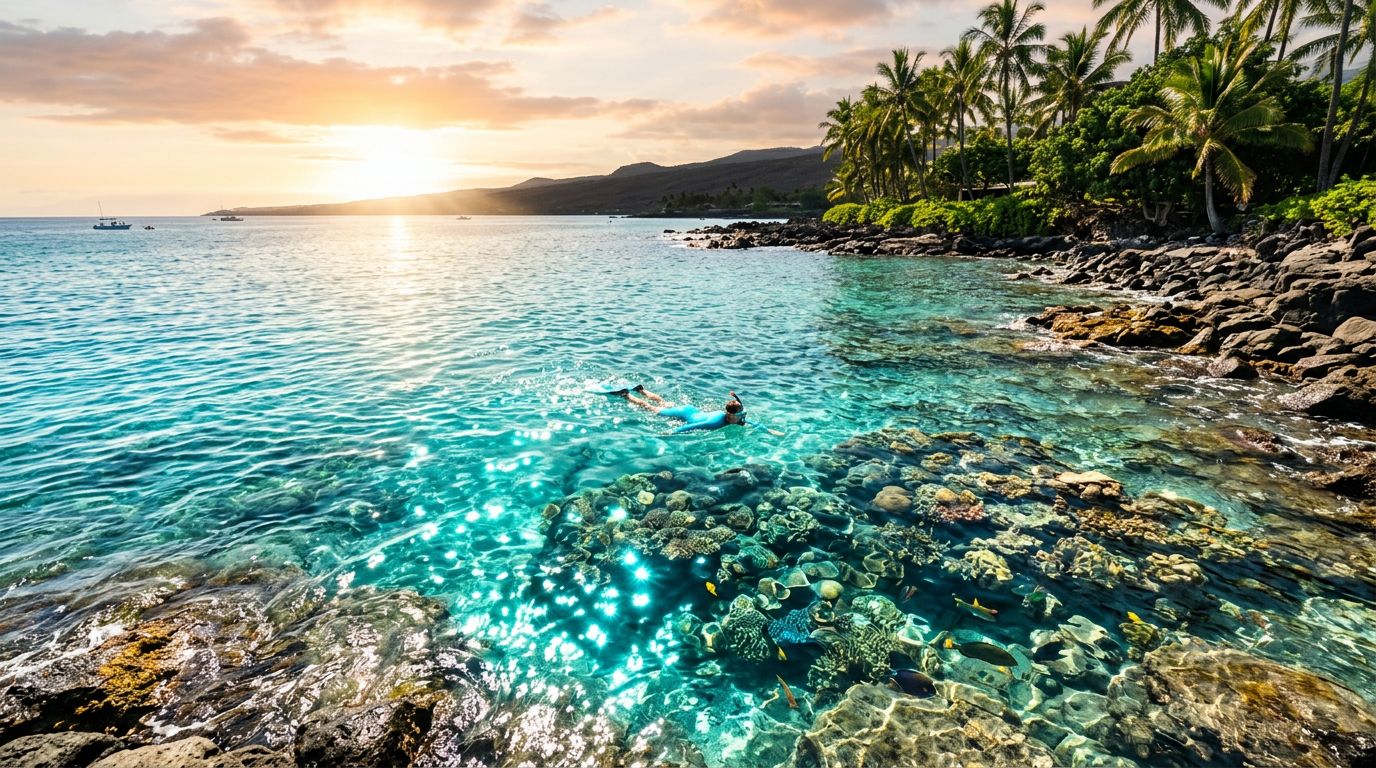
Pawai Bay snorkeling gives you a calmer Kona experience than many visitors expect. You do not need a long boat ride or a packed schedule to get real reef time.
If you are planning snorkeling Big Island Hawaii style and want something easier to manage, Pawai Bay deserves a close look. You can also pair that curiosity with a guided day through Kona Snorkel Trips, which keeps things small, simple, and reef-aware.
The rest comes down to water conditions, entry comfort, and what you might see once your mask is on. Start there, and you will know whether this bay fits your kind of day.
Why Pawai Bay Feels Easier Than Many Kona Spots
Pawai Bay feels approachable because it asks less of you. You can spend more time in the water and less time working out logistics.
When people search for snorkeling Big Island Hawaii, they usually want the same few things. They want clear water, a relaxed setting, and a place that does not feel like a chore. Pawai Bay fits that need on many days.
That makes it a smart first snorkel stop if you are still learning the Kona coast. You can test your gear, settle your breathing, and get a feel for the reef without committing to a huge day.
Families often like that. Couples like it too, because the bay gives you enough action to stay interested without turning the morning into a project. If you want to snorkel Big Island with less stress, this kind of spot is useful.
Pawai Bay also has a local feel that bigger, busier beaches sometimes lose. The water may be the main event, but the mood matters too. A calmer setting helps you notice the small things, like the first fish that slips past your fins or the way the light changes over the rocks.
If you have only a few days on the island, that matters. You can use Pawai Bay as a warm-up, then decide whether you want a more ambitious reef day later.
What the Water and Reef Are Like
Pawai Bay often looks clear enough to tempt you in before you are fully ready. On a calm morning, the surface stays smooth, and the reef colors stand out fast.
A quick look at this local Pawai Bay snorkeling video helps you picture the bay before you arrive. The water color, sun angle, and surface texture all shift with the day, so the view rarely stays identical for long.
That variation is part of the appeal. One morning can feel glassy, while another brings a little texture across the top. Below the surface, the reef often looks more settled than it does from shore.
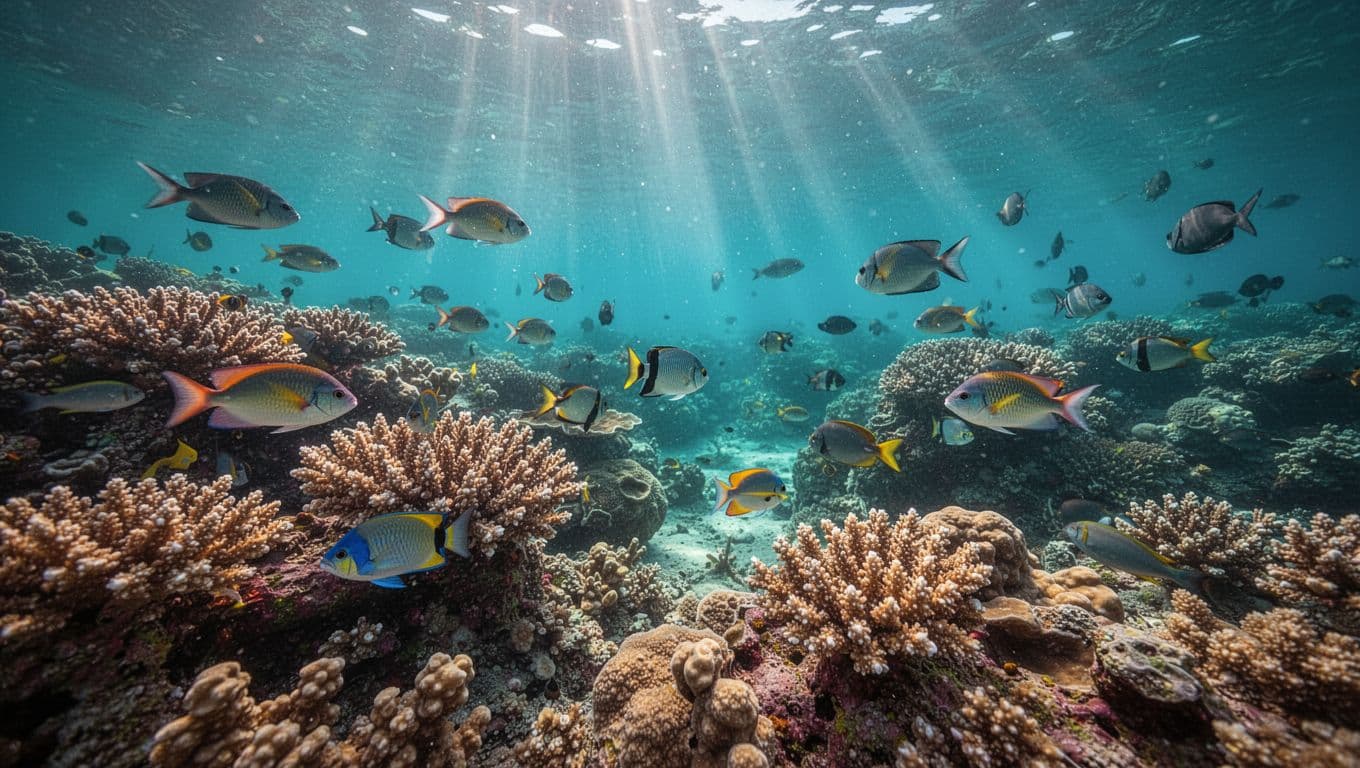
You may notice shallow sandy patches close to darker coral areas, and that contrast makes the bay easier to read. Fish use those edges like roads. They move in and out of cover, then disappear when something near the surface catches their attention.
This is one reason Pawai Bay snorkeling feels so satisfying. You are not staring at one flat scene. You are watching layers, with light on top and more color underneath. That gives you the sense that the bay is changing as you move through it.
The water can still shift quickly if wind picks up, so a good first look matters. If the surface already feels bumpy from shore, expect the underwater view to be a little less crisp. On the right day, though, the bay can feel bright, clear, and easy to enjoy.
How the Entry Feels Once You Are There
Most people want to know the same thing first: how hard is the entry? The honest answer is that Pawai Bay can feel easy on a calm day and awkward when the ocean is moving more.
You may step over uneven lava rock, sand, or a mix of both. Water shoes can help if the bottom feels rough. Fins are easier to manage once you are floating, so many snorkelers prefer to carry them until they are past the shallow edge.
The best approach is simple. Put your mask on before you enter. Keep one hand free for balance. Move slowly until you are beyond the shallow zone.
If the water has a little push from the shore, pause before you go farther. Let a small set pass. Then move with it instead of fighting against it. That extra patience keeps your first ten minutes from feeling rushed.
When you snorkel Big Island waters, the start often matters as much as the swim itself. A steady entry gives you time to breathe, adjust your mask, and relax your shoulders. A rushed entry can do the opposite.
That is why Pawai Bay can work well for people who are still building confidence. You do not need to be a strong swimmer to enjoy the bay, but you do need to stay aware and move with care. If you tire easily, plan shorter sessions and a gentle return to shore.
The shoreline feeling also changes with the tide and swell. On some days, the entry feels almost casual. On others, you will want to stay patient and choose your moment. That flexible mindset makes the whole experience better.
What You May See Below the Surface
Underwater, Pawai Bay usually rewards the people who slow down. You may spot schools of small reef fish right away, then notice larger shapes near the coral heads a minute later.
Parrotfish, butterflyfish, tangs, and wrasses often bring color to the scene. Their movement gives the bay its life. Instead of one big dramatic sight, you get a steady flow of smaller moments.
Turtles can appear on Kona shores, although never on command. If one swims through, give it room and let it keep moving. The same goes for eels, octopus, and other reef life that stays tucked into the rock until you pass quietly.
The reef itself is part of the show. Coral ridges create hiding places, and fish use them like streets and doorways. Once you start reading those patterns, you see the bay less like scenery and more like a living neighborhood.
That is the kind of experience people mean when they talk about snorkeling Big Island. You are not just floating over water. You are checking in on a place that is active, layered, and always changing a little with each turn of your head.
A calm snorkeler sees more than a rushed one. If you hover, scan, and wait for movement, the bay gives you more detail. Even a short session can feel rich when you let the scene unfold.
Slow breathing and steady movement usually reveal more than speed ever will.
If you bring a friend or child who gets excited quickly, this bay gives you a good lesson in patience. The more you settle down, the more the reef opens up.
The Best Time of Day for Pawai Bay Snorkeling
Morning usually gives you the best mix of light and calm water. The sun is lower, the visibility often feels sharper, and the breeze tends to stay lighter.
| Time of day | What you may notice | How it feels |
|---|---|---|
| Early morning | calmer surface, soft light, cooler air | best for relaxed snorkeling |
| Late morning | brighter reef color, more contrast | good for photos and steady swims |
| Afternoon | more glare, more wind on some days | better if you are flexible and confident |
These are tendencies, not guarantees. Wind, swell, and rain can change the mood quickly. Still, mornings usually give you the best chance of seeing Pawai Bay at its easiest.
That is why early plans tend to work well on the Kona coast. You can get in before the day warms up, before the breeze builds, and before you start feeling rushed by your schedule.
If you miss the early window, you can still have a good session. You just need to be more honest about conditions. If the surface looks choppy or the water feels cloudy, a shorter snorkel may be the smarter call.
The best day is not always the most picture-perfect one. It is the one that matches your comfort level and the ocean in front of you. That simple rule saves energy and helps you enjoy the reef more.
Where Guided Kona Trips Fit In
If you prefer not to guess about entry points or gear, a guided outing can make the day easier. Kona Snorkel Trips keeps the groups small, uses lifeguard-certified guides, and puts reef-safe habits at the center of the trip.
For a closer look at the options, guided snorkeling excursions in Kona are a useful starting point. You can match the outing to your pace, then decide whether Pawai Bay is the right fit for your day.
A guide also helps when conditions change faster than you expected. You still need to read the ocean, but you get a second set of eyes on the water and a smoother start.
If that sounds like the right pace for you, you can check availability before you lock in the rest of your Kona schedule.
That small layer of support can matter more than people expect. You spend less time sorting out the plan and more time looking down at the reef.
How Pawai Bay Compares With Other Big Island Snorkeling
Pawai Bay is a strong choice when you want a low-drama start. It is close, manageable, and full of enough reef life to feel worthwhile.
That makes it a good answer for travelers who want to snorkel Big Island without turning the day into a production. You get a local feel, a simple rhythm, and a chance to warm up before bigger adventures.
Other spots on the island can feel bigger, deeper, or more dramatic. Some ask for a boat ride. Some need more planning. Some offer more famous names but less of the easy, local rhythm that Pawai Bay gives you.
That variety is useful. A shoreline bay gives you one kind of day, while a longer guided trip gives you another. If you want to compare those choices, this Big Island snorkeling tour guide gives you a wider view of what visitors often choose.
You may decide that Pawai Bay is your warm-up spot rather than your only snorkel. That is a smart use of your time. Start with a place that feels comfortable, then save the more ambitious water days for when your energy is high.
If you are traveling with a mix of swimmers and non-swimmers, this balance helps. One calm bay can set the tone for the rest of your trip.
Packing Smart and Protecting the Reef
A light bag works best. You do not need much, but the few things you bring should fit the day.
- A mask that seals well
- Reef-safe sunscreen, applied before you enter
- A rash guard or swim shirt for sun protection
- Water or a reusable bottle
- Water shoes if the entry looks rough
- A towel and dry bag for your phone and keys
- Anti-fog solution if you use it often
Good gear makes the water easier, but reef habits matter more. Keep your distance from coral, never stand on it, and let turtles, eels, and fish move on their own schedule.
Touching the reef can damage what took years to grow. Kicking sand onto it can blur the view for everyone else. The cleaner your movement, the better the bay looks while you are in it.
Your snorkeling Big Island day gets better when you move with care. Slow movements stir less sand, and less sand means a clearer view. If you are snorkeling with kids, those habits matter even more because little hands tend to reach for everything.
Rinse your gear after the session and check your skin for sun exposure when you get out. A comfortable finish makes the memory better. That is especially true on a warm Kona morning, when one good snorkel can shape the rest of your day.
Conclusion
Pawai Bay snorkeling gives you a calm Kona experience with enough reef life to hold your attention. You do not need a complicated plan to enjoy it, just sensible timing, good gear, and a slow pace.
If you want an easy entry into snorkeling Big Island style, this bay is a strong place to start. If you want more structure, a guided local trip can take care of the details while you focus on the water.
The best sessions usually come when you respect the bay, move gently, and pay attention to the morning conditions. That simple approach turns a small cove into a day you will remember.