
How Researchers Track Manta Rays in Hawaii Over Time
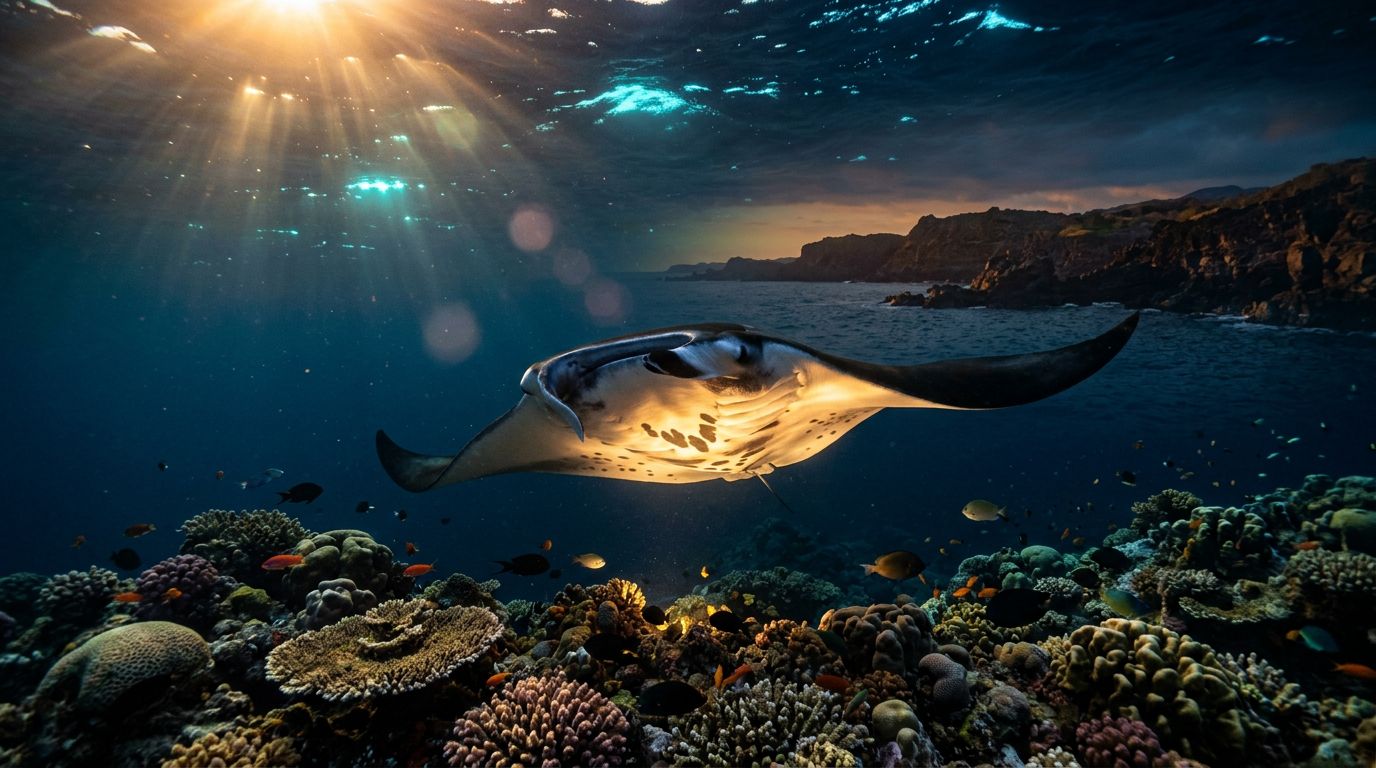
Kona Snorkel Trips gives you one of the clearest ways to see the same reef mantas researchers follow along the Kona coast. If you’re planning snorkeling Big Island Hawaii, the story behind those gliding shadows makes every sighting feel more specific. If you want a dedicated night encounter, Manta Ray Night Snorkel is another option that keeps the focus on manta behavior rather than a crowded boat ride.
Tracking these animals over time takes patience, careful photos, and repeat visits to the same sites. The key question is simple: how do you know the manta in front of you is the same animal from last month or last year? Researchers answer that with spot patterns, tags, and a lot of field notes.
Key Takeaways
- Photo-ID is the foundation. The underside spot pattern works like a fingerprint for each manta.
- Long-term catalogs matter. Kona researchers have built records since 1991, and those records now include names, injuries, pregnancies, and repeat sightings.
- Tags add movement data. Satellite tags, acoustic telemetry, and drones fill in the gaps that photos can’t show.
- Your trip can help science. Clear photos, exact timing, and location notes make public sightings more useful.
- Responsible snorkeling matters. When you snorkel Big Island, calm behavior protects the manta and improves the data.
The underside is the fingerprint
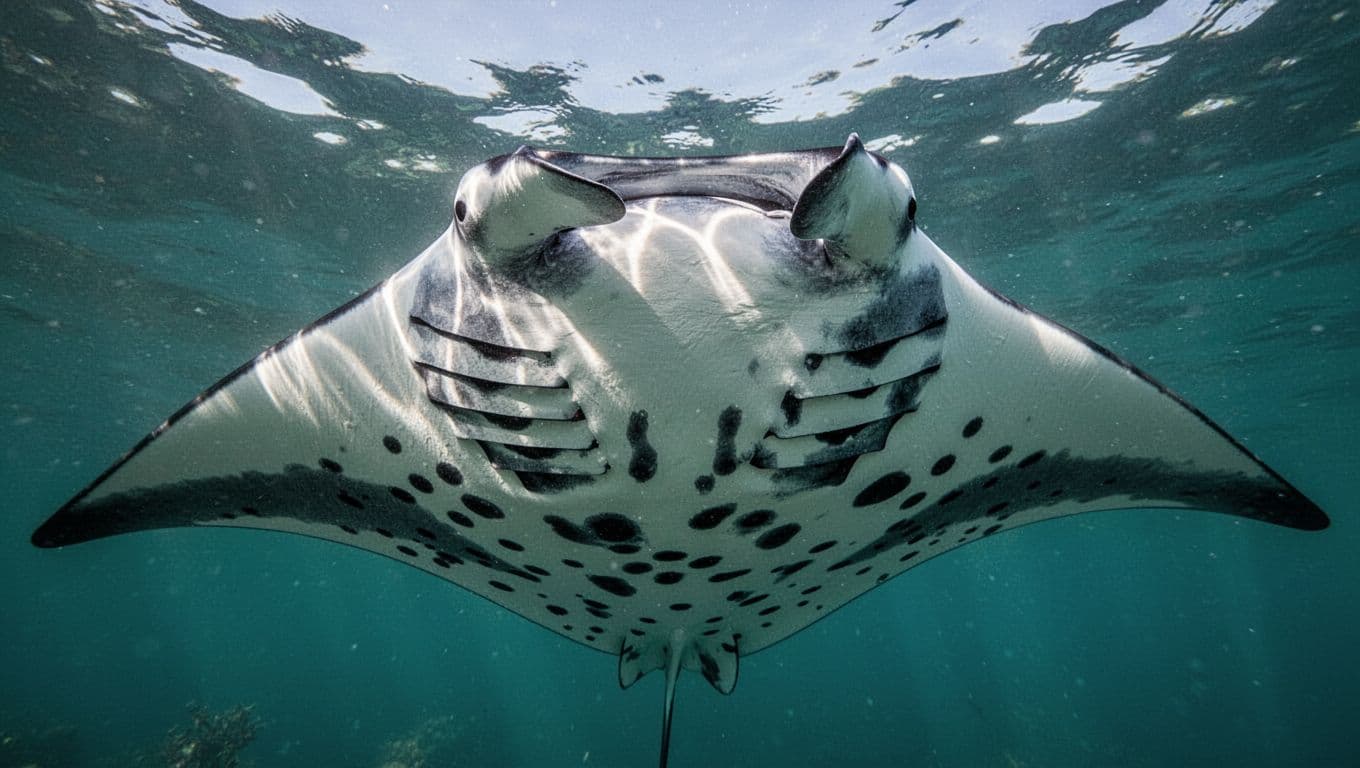
Researchers start with the manta’s ventral surface, the underside of the body. Every animal shows its own spot pattern, and the arrangement near the head, midline, and tail base stays consistent enough to match across years. A good photo can work like a fingerprint and a passport photo at the same time.
The useful part is not just the number of spots. It is the pattern around the gill slits, the line down the middle, and the marks near the tail base. If the image cuts off one of those areas, the match becomes less certain. Scars, healed injuries, and even small shape changes can also help confirm the animal later.
Sex is easier to determine from below too. Researchers can often tell male from female when the image shows the underside clearly enough. That detail matters because it helps them pair identity with life history, not just a single encounter.
If you want to see how this works in a formal project, the Manta Ray ID Project shows the kind of image record Hawaii researchers build. It is a simple idea with a long reach. One clean photo can anchor a decade of sightings.
How a catalog becomes a history
Photo-ID only matters when someone keeps returning to the same animals. On the Kona coast, that work goes back to 1991, when Keller and Wendy Laros started building a local manta catalog. The first identified ray, Lefty, became the start of a record that now includes more than 300 unique rays.
That list is not just a set of names. It tracks scars, injuries, pregnancy status, group travel, and where each animal shows up again. Names like Righty, Taz, Hook, Shadow, Midnight, and Baby Huey help guides and researchers talk about the same individual without confusion. A field notebook filled with dates is useful, but a field notebook tied to a known manta is much better.
The Manta Ray Library adds another layer by following lives over time. If a manta shows up with a new injury, returns with a healed wound, or appears pregnant, those changes go into the record. That makes the catalog feel less like a roster and more like a biography.
Citizen science keeps the file growing. Guides, divers, snorkelers, and photographers log sightings, then compare them with earlier records. Public projects like The Manta Rays of Kona Hawaii show how a good report from one night can matter months later. A sighting that looks casual at the moment can become the missing link in a larger timeline.
That is one reason Kona has become such a strong center for manta work. The population is visible, the sightings repeat, and the public keeps adding photos. For scientists, that is a rare combination.
When tags need backup, telemetry fills in the rest
A photo tells researchers who they saw. A tag tells them where the animal went next. Put those two together, and the picture gets much clearer.
| Method | What it shows | Main limitation |
|---|---|---|
| Photo-ID | Individual identity, sex, scars, injuries, and repeat visits | Needs a clear underside photo |
| Acoustic telemetry | Local movement and site fidelity near fixed receivers | Only works where receivers are placed |
| Satellite tags | Wider travel paths after the tag surfaces | Underwater movement is not live data |
| Drone footage | Short-term behavior in clear water | Weather, light, and range limit use |
Satellite tags attach just behind the dorsal fin and log movement for later analysis. They do not give you a live map, because mantas spend a lot of time at depth. Some tags transmit only when the antenna breaks the surface, so the data can arrive with a delay. Others release after a set period, which can range from about 20 days to a year.
Acoustic telemetry works more like a checkpoint system. A tagged manta carries a signal, and receivers pick it up within about 200 meters. The tag may ping every 90 seconds or so, and some units also send depth data. In Hawaii studies, that setup has shown some mantas staying within about 6 km of shore and returning to the same feeding or cleaning sites.
Drones add a different view. They are useful in clear water when researchers want a brief bird’s-eye look without getting in the manta’s way. They do not replace photo-ID or tags, but they help fill in behavior between the bigger data points.
These methods also help separate the habits of reef mantas and oceanic manta rays. Most of the Kona catalog centers on reef mantas, Manta alfredi, while statewide tracking also pays attention to the larger oceanic manta ray, Manta birostris. Since 2023, Hawaii efforts have expanded to include more pelagic sightings, which helps researchers compare nearshore and open-ocean movement.
What long-term tracking says about Kona’s manta population
Kona’s reef mantas keep returning because the coastline gives them predictable places to feed and clean. That repeat use of the same areas is called site fidelity, and it is one of the biggest reasons the Kona catalog has grown for decades.
That pattern matters if you’re planning snorkeling Big Island Hawaii. You are not chasing a random animal across open water. You are visiting a known location where mantas have appeared again and again, often under similar conditions. For researchers, that repeat behavior turns one night into a timeline. For you, it makes the experience feel calm and grounded.
When you snorkel Big Island, you are sharing space with a population that researchers can recognize across seasons. A manta that had a scar in 2012 may show up years later with the same spot pattern and a healed wound. A female seen with a swollen abdomen can later be matched to a pregnancy note. Those details matter because they show survival, recovery, and movement over time.
If you want a close look at the same waters researchers study, Kona Snorkel Trips follows a small-group, safety-first style that fits this kind of work. For a dedicated night encounter, manta ray night snorkel in Kona is the direct fit, while Big Island snorkeling tours give you a broader look at the reef side of the island.
If you want to book a guided encounter, you can check availability.
How you can help researchers without changing the animal’s behavior
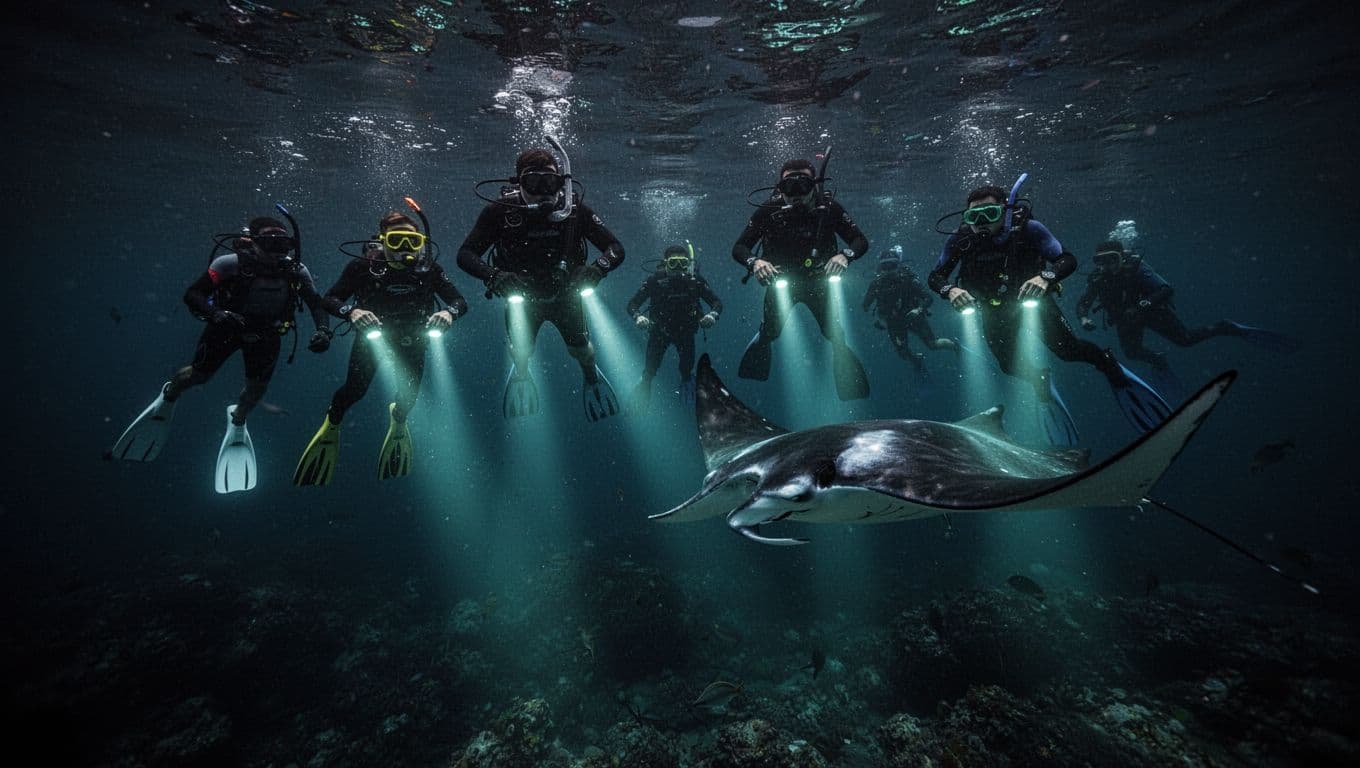
You do not need a lab coat to make your sighting useful. You just need a steady camera, a calm body position, and a habit of writing down details before they fade. When you snorkel Big Island, those small habits can help turn a vacation photo into a research record.
A clear underside photo is worth more than a dramatic shot from the surface.
If you bring a camera, keep the frame wide enough to show the belly, gill area, and tail base. A sharp but partial image is often less useful than a full, slightly imperfect one. A secure wrist strap also helps, because losing a camera in dark water helps no one.
You can make the sighting stronger with a few simple habits:
- Write down the date, time, and exact site as soon as you can.
- Capture the underside when the manta passes, especially the head, midline, and tail base.
- Keep your distance and let the manta move on its own path.
- Share the image with your guide or a local ID project after the trip.
For snorkeling Big Island trips, that kind of discipline matters. The less you disturb the animal, the more natural the behavior stays, and the better the data becomes. If you want a daytime reef trip that helps you get familiar with the island’s nearshore water first, Big Island snorkeling tours are a good place to start.
The long view matters
Tracking manta rays over time is not about one dramatic pass under a light. It is about matching spot patterns, checking tags, and collecting enough clean sightings to see the larger story.
When you look at the Kona coast that way, every encounter feels more connected. A single photo can link to a known animal, and a calm snorkel can feed a catalog that has been growing for decades. The next time you see a manta, the clearest gift you can give the record is a sharp photo, a time, and a location.