
Are Manta Rays in Hawaii Endangered? What Snorkelers Should Know
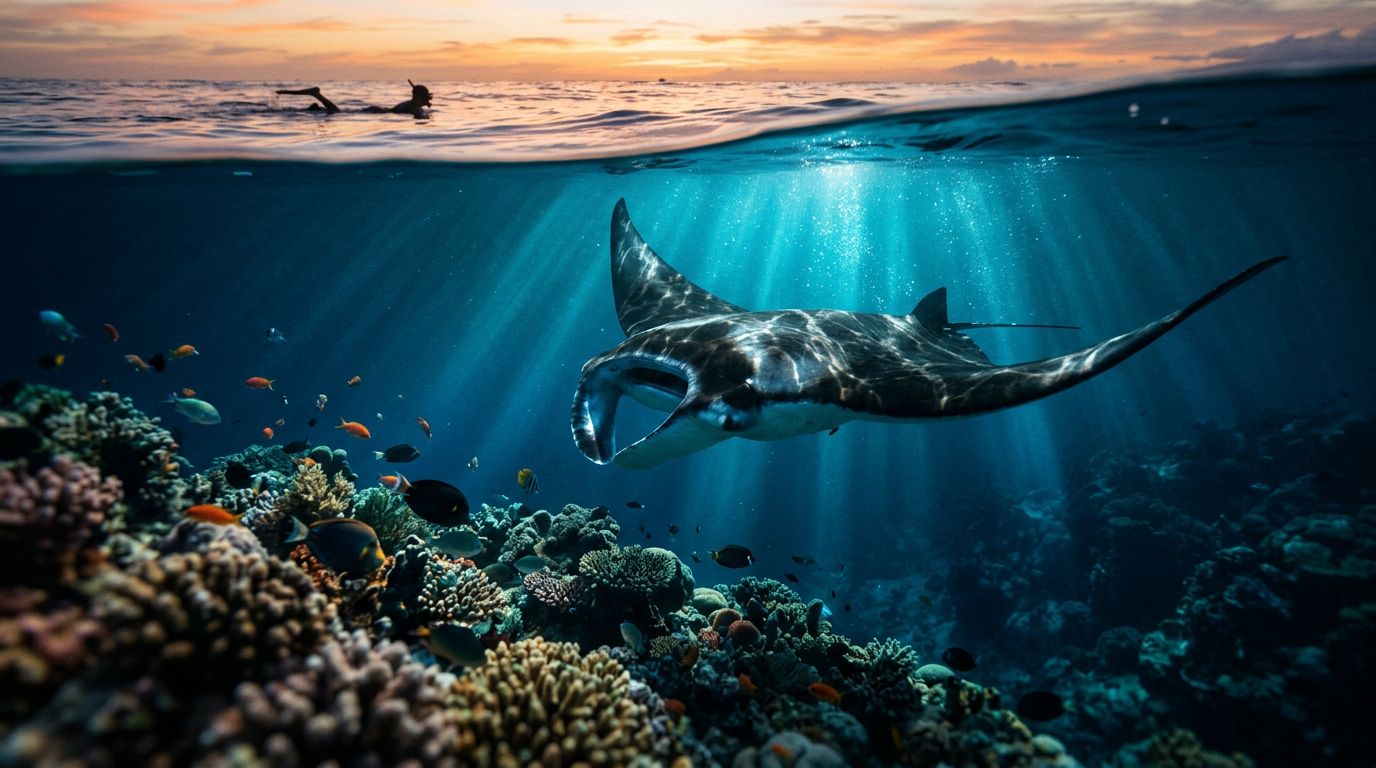
Manta rays in Hawaii are not all labeled the same way, and that matters when you plan a snorkel trip. The giant manta ray is threatened under U.S. law, while the reef manta ray is not listed under the Endangered Species Act.
If you’re planning snorkeling Big Island Hawaii, that distinction can sound abstract until you meet one in the water. On the Kona side, Kona Snorkel Trips is a local option many travelers compare first, and Manta Ray Night Snorkel is another manta-focused choice you may want to look at.
Before you book, it helps to know what the current conservation status means, where the best sightings happen, and how you can watch without stressing the animals. Once you sort that out, the experience makes a lot more sense.
Key Takeaways
- Manta rays in Hawaii are not all endangered under U.S. law. The giant manta ray is listed as threatened, while the reef manta ray is not listed.
- Globally, the picture is tougher. The giant manta ray is endangered on the IUCN Red List, and the reef manta ray is vulnerable.
- Kona is the place most snorkelers talk about. Manta Village and Manta Heaven are the two best-known night viewing sites.
- Touching a manta is off-limits. It damages the animal’s protective mucus layer and can stress it.
- A good tour matters. Small groups, clear safety briefings, and reef-safe habits make the experience better for you and the mantas.
What “endangered” means for Hawaii’s manta rays
If you mean legally endangered in Hawaii, the answer is no. The mantas you see off Kona are not all on the same conservation list, and the one most people ask about, the giant manta ray, is listed as threatened under the Endangered Species Act, not endangered. NOAA Fisheries keeps that status on its giant manta ray page.
That legal distinction matters, because people often use “endangered” as a catch-all phrase. In reality, there are two manta species you might encounter in Hawaiian waters, and they do not share the same status.
| Species you may see in Hawaii | U.S. status | Global status | What it means for you |
|---|---|---|---|
| Giant manta ray | Threatened under the ESA | Endangered on the IUCN Red List | Large, rare, and protected |
| Reef manta ray | Not listed under the ESA | Vulnerable on the IUCN Red List | The species most often seen on Kona night snorkels |
The giant manta ray has faced serious pressure from fishing gear, habitat loss, and the trade in gill rakers. The reef manta ray also faces threats, especially where reefs are crowded or damaged. Both species reproduce slowly, which makes population recovery harder.
That is why the conservation language matters. A manta can be safe enough to snorkel with in Kona and still face real pressure across its wider range. If you want a quick visual primer, NOAA’s Pacific Islands giant manta video is short and easy to follow.
Why the Kona Coast is the best place to see them
Most visitors who care about manta rays in Hawaii end up on the Kona Coast because the setting works. Manta Village, near Keauhou Bay south of Kailua-Kona, and Manta Heaven, north of Kona International Airport, are the two site names you hear most often. When you plan snorkeling Big Island Hawaii, those spots usually sit at the center of the conversation.
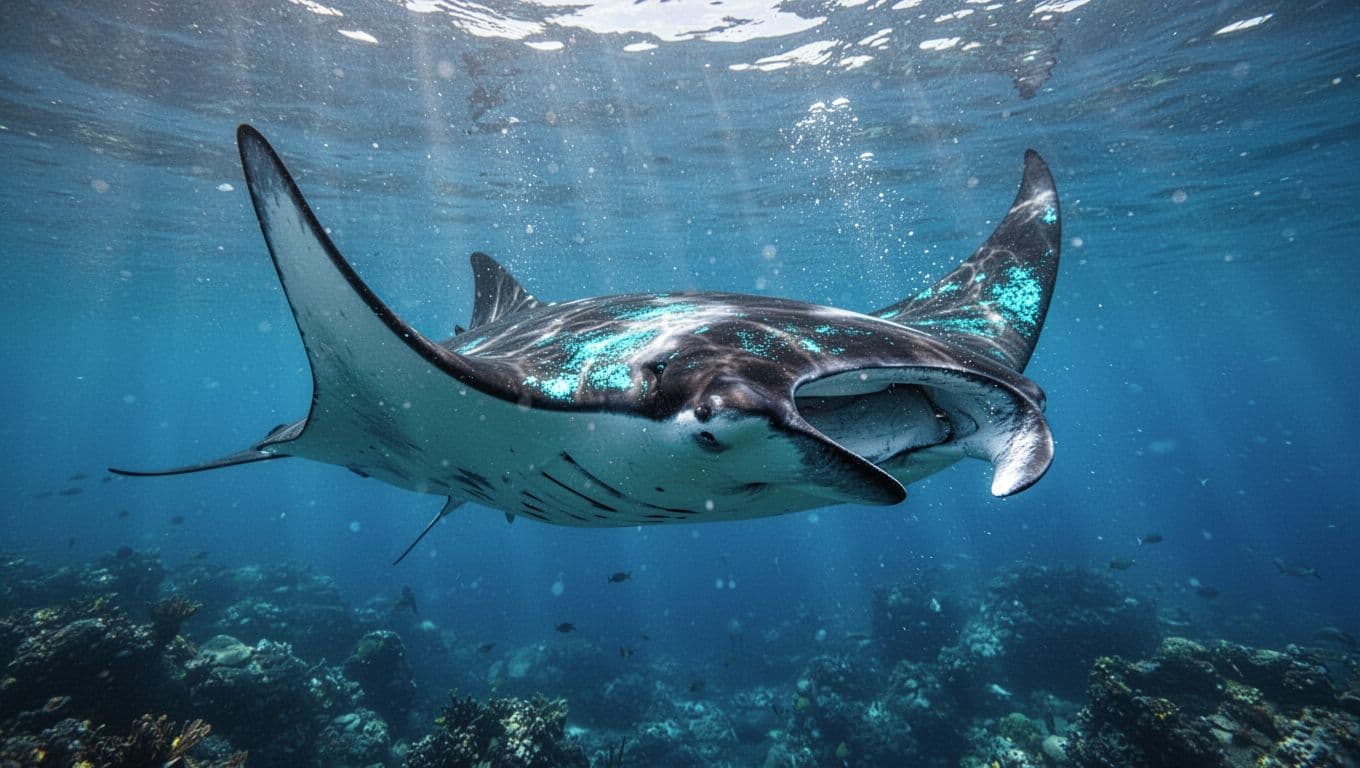
At night, the setup is simple. Lights attract plankton, plankton attract mantas, and the mantas come in to feed. You stay at the surface and watch them rise in slow, sweeping passes below you. It feels calm, almost like watching a dark stage show where the ocean does the lighting.
That is why people who want to snorkel Big Island after sunset often choose a manta trip instead of a general reef swim. You are not chasing fish through the water. You are holding position while the animals move through the illuminated water on their own terms.
The Kona Coast also gives you one more advantage, which is reliability. Manta rays are present year-round, and calmer summer seas often make the experience easier for first-time snorkelers. If you are traveling with a partner, older kids, or a nervous swimmer, that combination of low effort and high payoff is hard to beat.
People searching for snorkeling Big Island often mean exactly this experience, a guided night float where the wildlife comes to you. The same goes for snorkeling Big Island Hawaii, where the main question is usually not whether you will see marine life, but how comfortably you want to see it.
How to snorkel with mantas without stressing them
The most important rule is simple, don’t touch them. A manta ray has a protective mucus layer on its skin, and touching it can damage that layer. It can also stress the animal, even if the contact feels light to you.
A manta that passes within arm’s reach is still off-limits. Keep your hands close, stay still, and let the animal set the distance.
That rule sounds obvious, but it is easy to forget when a 12-foot animal glides past your mask. The best approach is to keep your body flat, your fins quiet, and your attention on the manta’s movement. If you flail or chase, you turn a peaceful encounter into a messy one.
The crew should give you a clear briefing before you enter the water. Listen to where they want you to float, where to place your hands, and how to move if a manta comes close. Good guides do more than point at the water. They keep the group organized so the experience stays calm.
You do not need to be an expert swimmer to enjoy the outing. Many snorkelers on the Big Island choose manta trips because the effort is low and the reward is high. You float, breathe, and watch the show unfold below you. That makes the trip a strong fit for couples, families, and solo travelers who want a memorable ocean night without a hard swim.
If you feel nervous before the trip, focus on the basics. Use gear that fits well, stay with your group, and trust the guide’s spacing. The more still you are, the better the view usually becomes. Mantas notice movement, but they are not hunting you. They are feeding on plankton.
How to choose a responsible manta tour in Kona
If you want to compare options for snorkeling Big Island, start with the style of trip, not the price. Small groups, clear safety habits, and a real respect for the animals matter more than a flashy sales pitch.
Kona Snorkel Trips is a strong starting point if you want a guided, small-group outing with lifeguard-certified guides, quality gear, and a reef-first mindset. If you want to compare the broader menu of Big Island snorkeling tours, that page makes it easy to sort through the main options before you book.
If you’re ready to look at dates, you can check availability.
If you want a dedicated night encounter, Manta Ray Night Snorkel is another manta-focused option worth comparing. For a focused manta trip, you can check availability.
The right operator should also be honest about crowding. Hawaii’s Department of Land and Natural Resources has been working on safer viewing rules because packed boats and swimmer clusters can create unsafe conditions at popular sites. That is a good reminder that the best tour is not the one with the loudest pitch. It is the one that keeps the manta’s space intact.
For you, that means looking for a crew that explains the no-touch rule, keeps the group size manageable, and treats the site like a living reef, not a stage. If you are traveling with family, that same approach also makes the night feel easier and safer.
Conclusion
Manta rays in Hawaii are not all labeled endangered under U.S. law, but they still need care. The giant manta ray is threatened, the reef manta ray is vulnerable globally, and both species benefit when snorkelers follow the rules.
If you are planning snorkeling Big Island Hawaii, Kona gives you one of the best chances to see them. Choose a responsible tour, stay calm in the water, and let the mantas come to you.
That is the real value of a good manta night. You get a close look at one of Hawaii’s most graceful animals, and you help keep that encounter respectful for the next person too.