
How to Avoid Neck Strain on a Kona Manta Ray Night Snorkel
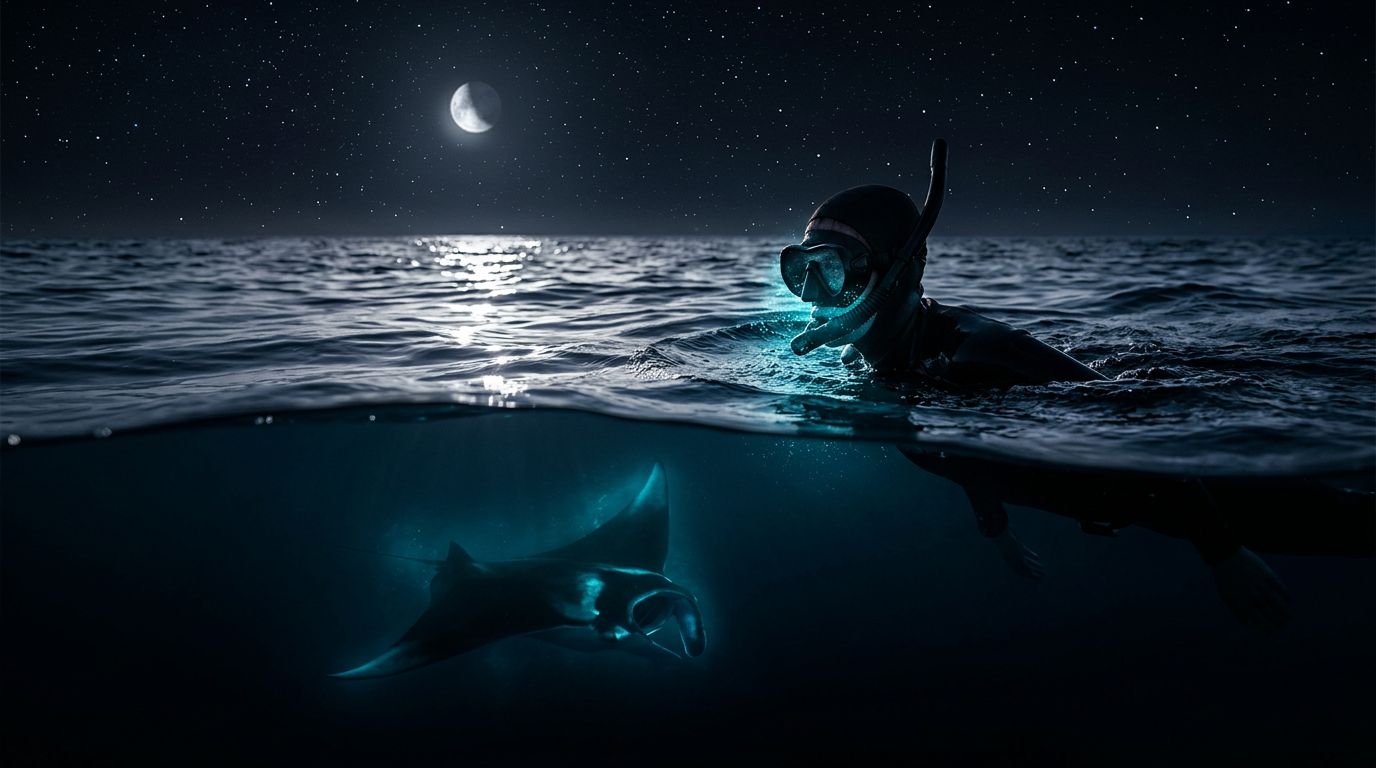
A sore neck can turn a manta ray night snorkel into a countdown. You want to watch the rays, not keep rubbing the back of your neck.
Kona Snorkel Trips keeps the experience small and guided, which helps, but your own setup still matters. If you’re planning snorkeling Big Island Hawaii at night, small choices before you enter the water matter more than most people expect.
If you want another dedicated manta option, Manta Ray Night Snorkel is another place to compare trip details. The real win comes from keeping your head, shoulders, and hands relaxed once you float.
Why your neck gets sore during a manta ray night snorkel
Your neck usually hurts because you hold one shape too long. The manta board keeps you face-down, the lights pull your eyes downward, and your body fights the position. That tension builds faster than on a daytime swim.
A few things make it worse. You may lift your chin to look for mantas. You may tighten your shoulders when you feel cold. You may also grip the board harder than you need to. None of that feels dramatic at first, but it stacks up.
Night snorkeling adds one more layer. You don’t have as many visual cues, so you keep checking your angle. Your body wants to look around, but the safest position is usually the calmest one.
Common triggers include:
- looking up for long stretches instead of letting your eyes track downward
- holding your head ahead of your shoulders
- clenching your jaw while you breathe through the snorkel
- keeping straight arms and locked elbows on the float board
Your neck can also protest because you stay still. That sounds harmless, but static tension builds fast in the water. Even a mild forward tilt feels bigger when there’s no solid ground under you.
On top of that, cold water makes muscles guard. Your shoulders creep upward, your jaw tightens, and the whole upper chain starts working harder than it should. The swimmer’s neck guide gives a good reminder that posture and gentle mobility matter more than brute force.
Get your body ready before you leave the dock
You don’t need a workout before the boat leaves. You need a few minutes that tell your upper body to soften.
Start with slow shoulder rolls, then let your arms hang for a moment. That alone can take the edge off. If your neck already feels stiff from the drive, don’t ignore it. Sit tall for a minute, breathe slowly, and let your shoulders drop.
A simple prep routine works well before a manta ray night snorkel:
- roll your shoulders back and down five times
- open your chest by clasping your hands behind your back for a few breaths
- tilt your head gently side to side without forcing a stretch
- rotate your upper back a little with your hands on your ribs
- take slow breaths and relax your jaw
Keep the movement small. Big neck circles can feel worse if you’re already tight. Smooth, easy motion usually works better than force.
Hydration helps too. Dry muscles tighten faster, and a long ocean evening can leave you feeling more locked up than you expect. Drink water before you board, not just after.
You should also think about your seat and posture before you step onto the boat. If you spend the whole ride hunched forward with your chin out, you’ll start the snorkel already behind. A tall spine, loose shoulders, and a relaxed jaw give you a much better starting point.
If you know you get sore easily, tell the crew before you get in. A good guide can help you adjust your position early instead of after the tension sets in. That matters even more when you’re planning snorkeling Big Island Hawaii with kids, a partner, or a group that wants to stay together.
Let your gear work for your neck, not against it
Your gear should let your neck rest. A mask that fits well keeps you from lifting your face to clear leaks. A snorkel with a comfortable mouthpiece helps too, because jaw tension often spreads into the neck.
The flotation board matters just as much. If you hold it too far away, your shoulders reach forward and your head follows. Instead, keep the board close to your chest and let your elbows stay soft. That position feels calmer and uses less effort.
A stable setup makes the whole body work less. That’s the real secret. You’re trying to stay supported, not held up by your neck muscles.
| Helpful setup | Why it helps | What to skip |
|---|---|---|
| Board close to your chest | Shortens shoulder reach | Arms stretched straight out |
| Chin level with the water | Keeps the neck long | Chin lifted high toward the lights |
| Slight bend in elbows | Reduces upper-back tension | Locked arms and tight shoulders |
| Relaxed jaw and tongue | Eases hidden tension | Biting the snorkel hard |
When you snorkel Big Island, the goal is to let the water support you. You don’t need to fight for a view. You need a stable line from your head to your hips.
Your fins matter too. Gentle kicks help you stay in place without dragging your upper body into the work. If you kick too hard, your shoulders often tense up to compensate. That extra effort shows up later as neck fatigue.
Your neck should stay long, not lifted.
If you want to see how a manta ray night snorkel in Kona is set up, the trip page gives you a clear look at the experience.
Stay loose once you’re floating
Once you’re in the water, stop checking your neck every few seconds. That habit makes the muscles guard harder. Let your eyes do most of the work, and keep your chin only slightly lowered.
The best posture feels almost lazy. Your chest stays supported, your core stays light, and your shoulders stop creeping toward your ears. On snorkeling Big Island trips, that relaxed shape helps you stay comfortable longer.
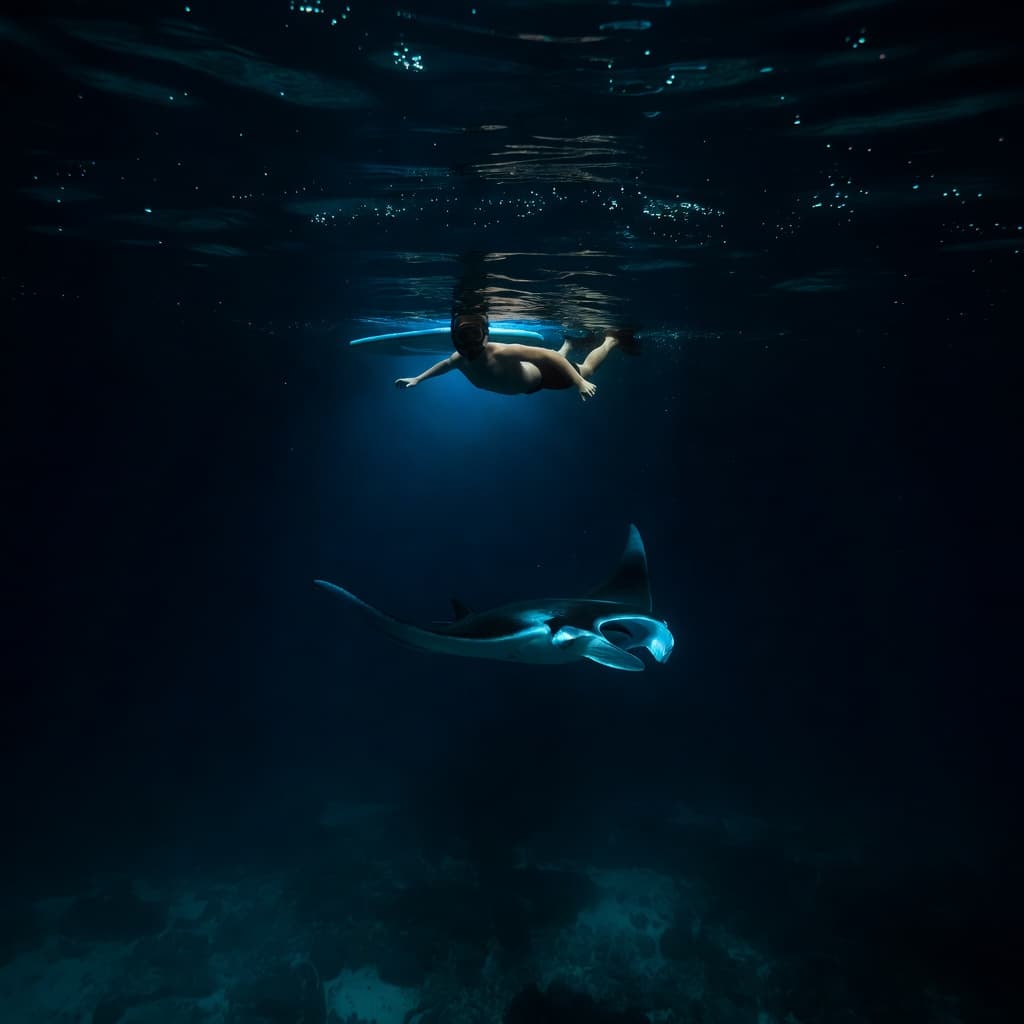
After that, keep your breathing slow. Long exhales loosen the jaw and help the shoulders drop. If you notice yourself scanning upward for every passing shadow, ease your head back to center. The mantas will come to you.
A few small habits make the biggest difference:
- look down with your eyes first, then move your head only a little
- kick gently instead of tensing your whole lower body
- keep your hands soft on the board
- reset your shoulders whenever you feel them bunching up
If you want to look at a passing ray, turn from your upper back first. Keep the motion small. Your neck should follow your torso, not lead it.
That’s especially useful when you’re doing snorkeling Big Island Hawaii at night, because the light and movement can pull your gaze every direction. The calmer you keep your upper body, the longer you can enjoy the scene without strain.
Pick a tour that supports comfort from the start
A good guide can save your neck from a lot of unnecessary work. Small groups make it easier to adjust your board, ask for help, and settle in before the light show starts. That matters whether you’re a first-timer or someone who has done snorkeling Big Island Hawaii before.
Kona Snorkel Trips focuses on small-group ocean trips, lifeguard-certified guides, and gear that is meant to work at night. That kind of setup helps you stay relaxed, because you aren’t fighting for space or guessing about your position. A stable board, clear instruction, and calm pacing all reduce the urge to tense up.
If you want to compare details before you book, the manta ray night snorkel in Kona page is a good place to start. If you want to lock in a spot, you can also check availability.
If you prefer to compare more than one operator, Manta Ray Night Snorkel is another dedicated manta option. That gives you a simple way to compare trip style, support, and comfort before you commit.
Kona Snorkel Trips also gets strong feedback from guests who want a smooth, well-run night on the water.
When you read reviews, look for words like stable, calm, helpful, and organized. Those are the clues that matter most for your neck.
What to do if your neck starts tightening mid-tour
A little tension doesn’t mean the snorkel is ruined. First, let your jaw go loose and exhale fully. Then lower your chin a touch so the back of your neck lengthens. Often that is enough to break the cycle.
If the board feels too low, bring it in closer. If your shoulders are creeping up, press them down on the exhale. If you keep turning your head to search for the mantas, stop and let the water settle around you.
Use this quick reset:
- Pull the board closer to your chest.
- Bend your elbows a little.
- Relax your tongue and jaw.
- Breathe out longer than you breathe in.
- Tell the guide if the pain keeps building.
You should never push through sharp pain, numbness, or a headache that starts to spread. A calm adjustment is one thing. Forcing your neck is another. The goal is simple comfort, not a tough-it-out story.
If you need a break, take it. A few seconds of rest is better than thirty minutes of strain. Most guides would rather help you adjust than have you finish the tour miserable.
You can also shift your focus. Instead of trying to track every manta, keep your gaze soft and let the action come into your view. That small change can keep your neck from bracing against every movement in the water.
Recover well after the snorkel
The next morning matters too. Hydrate, walk a little, and keep your neck moving gently. A warm shower can help if you feel stiff. So can an easy shoulder stretch.
Skip aggressive stretching right away. Your muscles often want short, gentle motion more than a hard pull. If you already hold tension in your upper traps, the deep dive on neck pain explains why trigger points can make the tightness linger.
That matters after even easy snorkeling Big Island trips, because your body may not be used to floating face-down for that long. A little recovery keeps the rest of your vacation comfortable.
If you’re driving, flying, or heading to another beach the next day, keep your posture simple. Sit upright, avoid long hunched phone sessions, and give your shoulders regular breaks. Those small choices matter more than most people think.
If the soreness fades within a day, you were probably dealing with simple muscle fatigue. If it stays sharp or keeps coming back, talk to a clinician.
Conclusion
A manta ray night snorkel should feel smooth, not stiff. When you keep your neck long, your shoulders soft, and your board close, you remove most of the strain before it starts.
The best nights in the water come when your body gets out of the way. Then you can focus on the mantas, the glow, and the quiet movement below you. That is the part you’ll remember.