
Do Manta Rays in Hawaii Have a Sense of Smell?
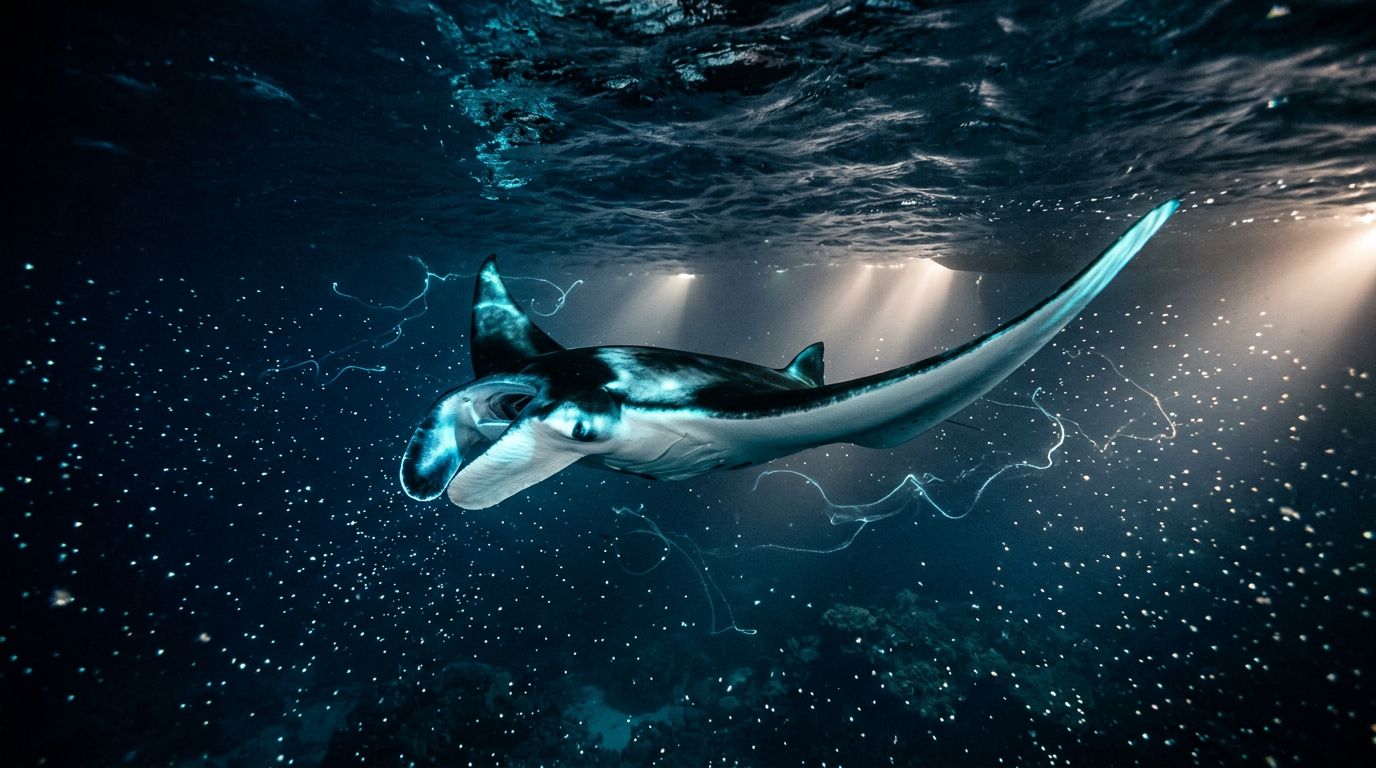
At night in Kona, a manta ray can glide through glowing water while you float quietly at the surface. If you’re planning snorkeling Big Island Hawaii, you may wonder whether these graceful animals find food by smell.
The short answer is yes, although manta ray smell is a water-based chemical sense. Mantas detect dissolved chemicals in seawater, but the plankton gathered under underwater lights is the main reason they visit Kona’s nighttime viewing sites. Kona Snorkel Trips offers guided manta encounters, while Manta Ray Night Snorkel Hawaii is another manta-focused option for travelers comparing tours.
Understanding how their senses work helps you appreciate the encounter without making assumptions about what attracts them.
How manta ray smell works underwater
Manta rays don’t smell airborne odors as you do. Instead, they detect chemical information carried through seawater. Scientists call this ability olfaction or chemoreception.
What manta rays detect
Manta rays have paired nostrils on the underside of the head, below the mouth. As water passes through these openings, sensory tissue can detect dissolved chemical compounds.
Those compounds may provide information about food, nearby animals, predators, or potential mates. A peer-reviewed study of batoid olfaction describes chemical sensing as an important ability among rays and related animals. Broader research on elasmobranch sensory biology also shows that sharks, skates, and rays respond to chemical signals in the water.
So, do manta rays have a sense of smell? Yes. Their noses detect waterborne chemical cues, not scents floating through the air.
Smell is only part of the picture
You shouldn’t picture a manta ray following a narrow scent trail to a specific snorkel site. Chemical cues can help the animal assess its surroundings, but they don’t fully explain the famous nighttime encounters in Hawaii.
The available evidence points to a combination of senses. Mantas respond to food-rich water, light, movement, and visual surroundings. Their manta ray smell helps them gather information, while other conditions bring them into the area.
Why Hawaii’s manta rays gather under lights
Kona’s nighttime manta sites attract resident reef manta rays. The best-known locations include Manta Village near Keauhou Bay and Manta Heaven, also called Garden Eel Cove, north of Kailua-Kona.
At these sites, tour operators place lights in or near the water. The lights draw plankton into the illuminated water column, and the manta rays arrive to feed. NOAA’s giant manta ray profile identifies mantas as filter feeders that eat large quantities of zooplankton.
Plankton creates the feeding opportunity
Manta rays swim through the water with their mouths open. Their cephalic fins, the rolled fins beside the mouth, help direct water and plankton inward. Specialized gill plates then filter tiny organisms from the water.
When lights concentrate plankton near the surface, they create a dependable feeding opportunity. The manta rays follow the food, not the people watching them.
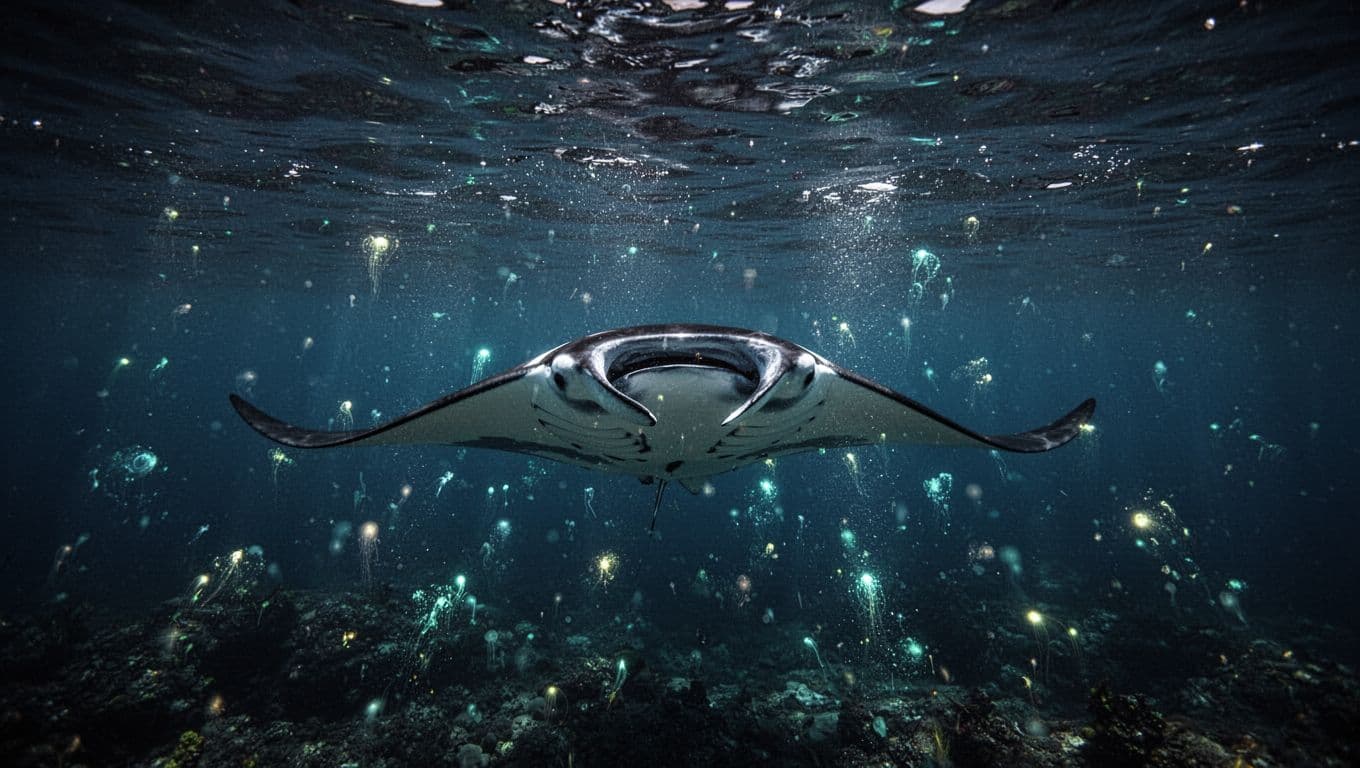
The exact amount of plankton changes with currents, weather, and water conditions. As a result, manta activity can vary from one night to another, even at a familiar site.
The lights don’t bait the manta rays
Responsible operators don’t need to feed manta rays or place bait in the water. Artificial feeding would change natural behavior and create risks for both animals and visitors.
Instead, the lights help reveal a natural feeding event. The plankton gathers, the mantas investigate, and you observe the behavior from the surface. Their chemical senses may help them evaluate the water, but human scent isn’t the reason they appear.
What other senses help manta rays find food?
Smell gives manta rays useful information, yet feeding depends on more than one sensory system. Their large brains and highly developed nervous systems help them respond to changing conditions in the open water.
Vision and water movement matter
Manta rays have well-developed eyes positioned on the sides of the head. In a nighttime encounter, they can see the illuminated water, nearby animals, and the movement of snorkelers.
They also sense water movement through specialized structures in the head and body. These systems help mantas detect currents and pressure changes as they swim. A ray can adjust its path when another animal, a boat, or a moving current changes the water around it.
That combination helps explain the smooth turns you may see during a night snorkel. The manta isn’t moving randomly. It is responding to plankton density, water flow, light, and nearby activity.
Cephalic fins are not proven smell organs
The cephalic fins beside a manta’s mouth are often mistaken for sensory organs. They help funnel water toward the mouth, but research hasn’t established that the fins themselves act as noses.
Studies of reef manta behavior have observed the fins curling during interactions with other mantas, cleaner fish, and divers. Researchers have connected that movement with communication or water-flow sensing. The nostrils and olfactory tissue are separate structures.
This distinction matters because it keeps the science accurate. Manta rays can detect chemical cues, but the broad fins you see curling near their mouths aren’t simply sniffing the water.
What you should do during a night snorkel
Your behavior affects the quality and safety of the encounter. Manta rays are wild animals, so the best approach gives them space to choose how close they want to swim.
Let the manta choose the distance
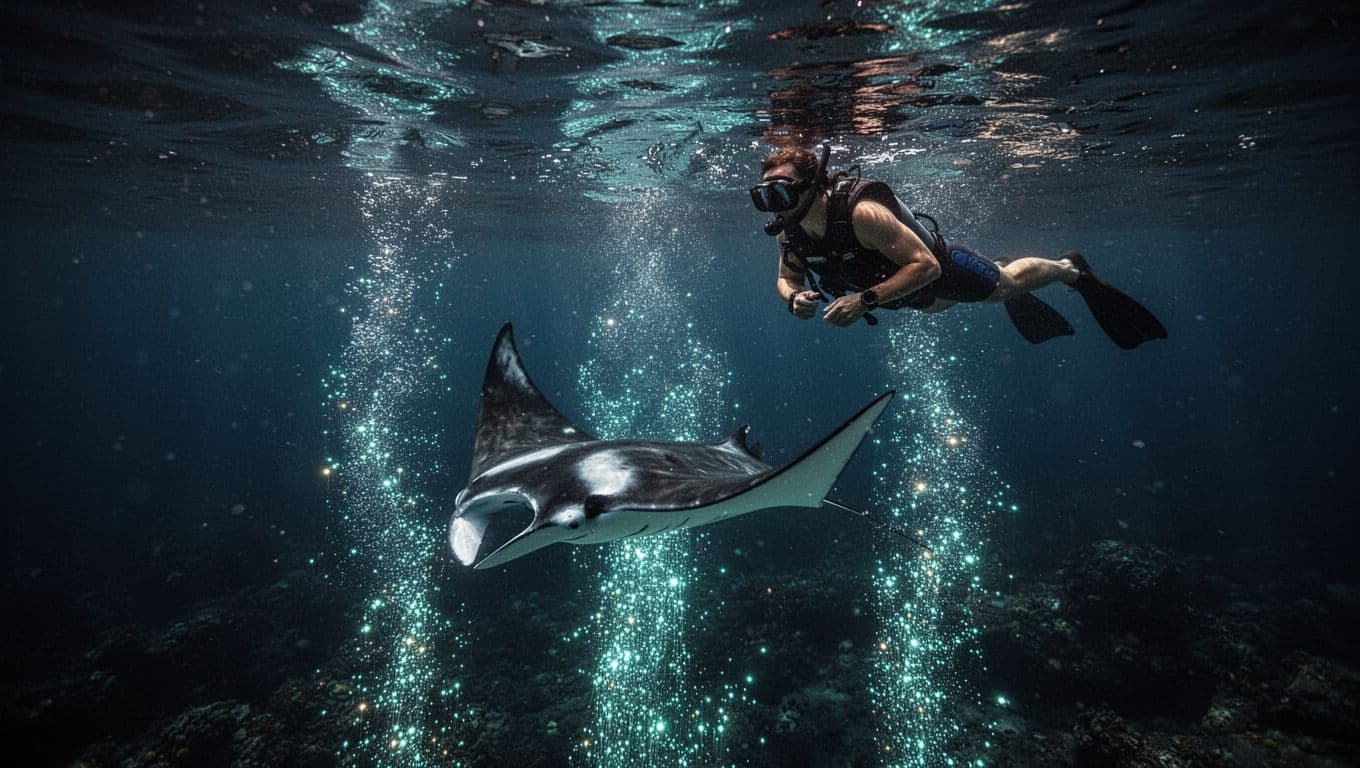
Stay at the surface and follow your guide’s instructions. Don’t dive down into the feeding area, chase a manta, block its path, or reach toward its body.
Touching a manta can remove its protective mucus coating. That coating helps protect the animal’s skin from infection. Even a gentle touch can create a problem that you can’t see immediately.
Keep your arms relaxed and your body still. When you hold your position, the manta can pass beneath you without changing course.
The clearest view usually comes when you stay calm, keep your light where the guide directs, and let the manta set the distance.
Use lights and gear responsibly
Your guide may ask you to shine a light downward into the water. Follow that direction instead of aiming the beam into a manta’s eyes.
Avoid exhaling a stream of bubbles directly into the animal’s face. Secure loose cameras, fins, and other gear so they don’t swing into the water column or make contact.
Reef-safe sunscreen is also a smart choice for any Hawaii ocean activity. More importantly, never bring food or bait into the water. The encounter should remain a natural feeding event.
How to choose a Kona manta ray tour
When you’re comparing snorkeling Big Island options, focus on the details that affect your comfort and the animals’ welfare. A lower price doesn’t tell you whether the trip suits your swimming ability or your group.
Match the tour to your experience
Ask how long you’ll spend in the water, what flotation equipment is available, and whether you need previous snorkeling experience. Families should confirm age requirements and discuss conditions with the operator before booking.
You should also check the departure location, tour length, group size, cancellation policy, and weather procedures. If you want to snorkel Big Island waters at night, choose a company that explains the plan clearly before you board.
A good guide will review surface positioning, light use, and animal-contact rules. That briefing prepares you for the encounter and protects the manta rays.
Why consider Kona Snorkel Trips?
Kona Snorkel Trips follows a “Reef to Rays” philosophy, combining small-group service with careful attention to safety and conservation. Lifeguard-certified guides lead the excursions, and the company provides quality snorkeling equipment along with custom-built lighted boards for nighttime manta encounters.
You can compare its Big Island snorkeling tours before choosing the experience that fits your trip. The company also emphasizes reef-safe practices, marine education, and respectful behavior around Hawaii’s volcanic reef ecosystems.
For a manta-focused outing, you can check availability before your preferred date fills.
For a general look at available ocean adventures, you can also check availability with Kona Snorkel Trips.
The clearest answer about manta ray smell
Manta rays in Hawaii do have a sense of smell. Their nostrils detect chemical signals dissolved in seawater, and those signals may help them understand food-rich water and their surroundings.
However, manta ray smell isn’t the main reason they gather around Kona’s nighttime snorkel sites. Underwater lights concentrate plankton, and the mantas arrive to filter-feed. Their vision, water-flow detection, and natural feeding behavior also shape what you see.
When you go snorkeling, stay at the surface, avoid contact, and follow your guide’s light instructions. That gives you a memorable encounter while allowing the manta rays to feed on their own terms.
Conclusion
Manta rays can detect chemical cues in seawater, so their sense of smell is real. Still, Kona’s glowing night encounters happen because lights gather plankton, creating a natural feeding area for resident reef mantas.
Your best view comes from calm, respectful observation. Once you understand what draws the rays in, you can enjoy snorkeling Big Island Hawaii with better expectations and greater care for the animals beneath you.