
Manta Ray Night Snorkel Kona With Limited Night Vision
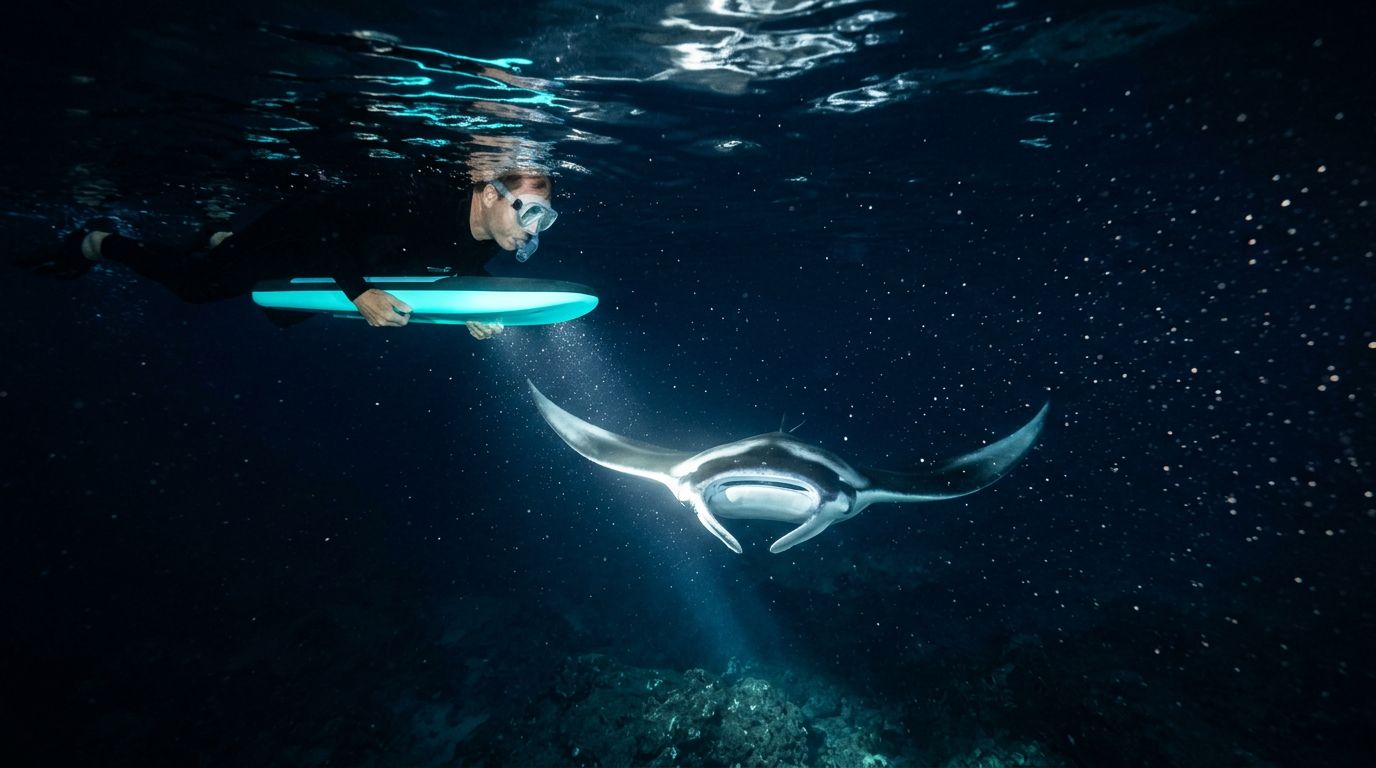
Kona Snorkel Trips gives you a guided way to experience Hawaii’s famous nighttime manta encounters, even if low light makes you less confident in the water. For guests with limited night vision, a manta ray night snorkel Kona trip can feel both exciting and uncertain.
You don’t need to navigate a dark reef alone. A trained guide, bright light boards, clear instructions, and the right equipment can make the experience easier to manage. However, you still need to feel comfortable swimming and following directions in open water. Start by understanding what the lights can help with, what they can’t solve, and how to choose a tour that fits your needs.
Can You Join a Manta Ray Night Snorkel Kona Tour With Limited Night Vision?
Limited night vision can mean several things. You might see poorly in dim conditions, struggle with contrast, notice glare around lights, or find it hard to judge distance after sunset. Those challenges can feel stronger on the ocean, where waves, reflections, and changing light affect your view.
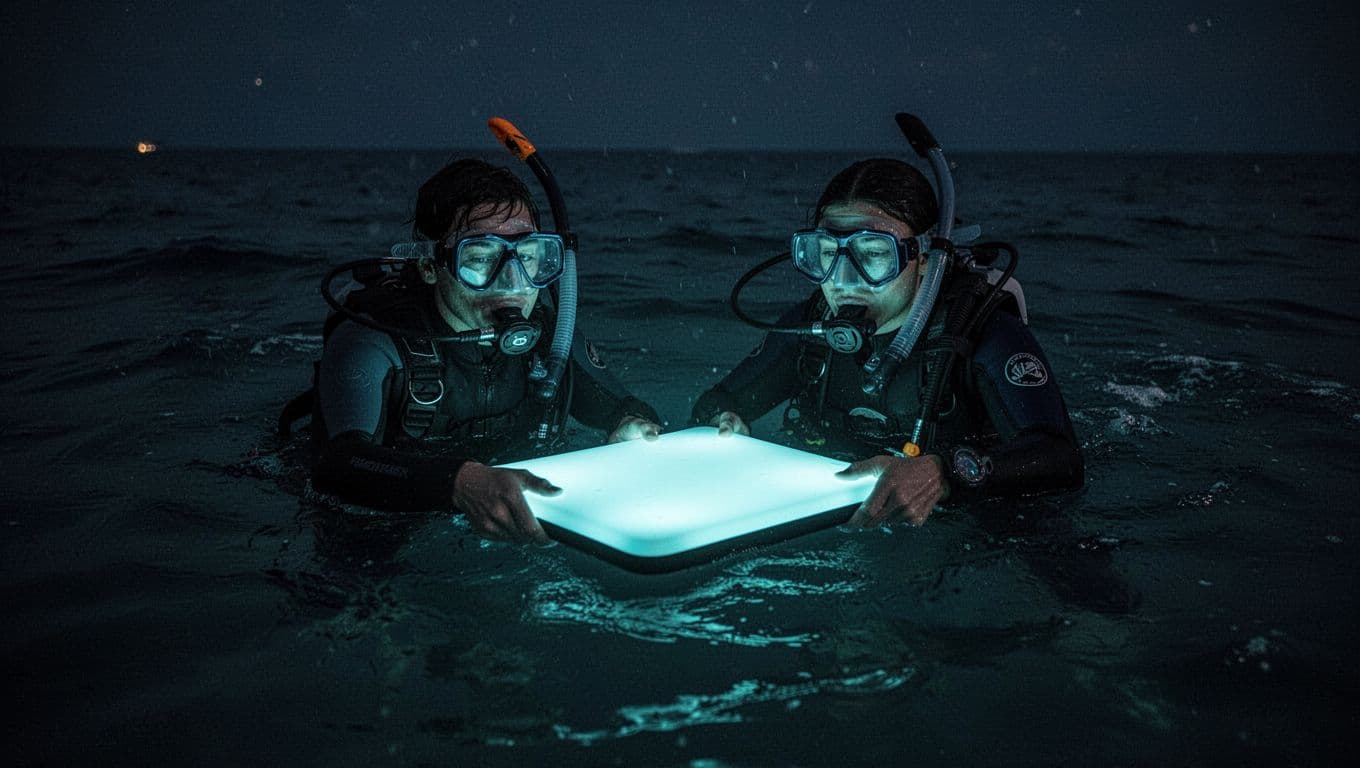
The good news is that a guided manta tour doesn’t ask you to swim through an unlit ocean by yourself. Most encounters center around a large floating board with powerful underwater lights. You hold onto the board at the surface while the lights attract plankton below. Manta rays then glide through the illuminated water to feed.
That setup gives you a fixed visual reference. You can look at the board when you need to regain your position, then look into the lighted water for approaching rays. Your guide should also explain where to enter, how to hold the board, and how to stay with the group.
Still, artificial light doesn’t restore normal night vision. You may have trouble seeing the boat, another swimmer, or the board if you move away from the main light. You should tell the operator about your vision before booking, not only when you arrive.
Your comfort in the water matters as much as your eyesight. You should be able to float, breathe through a snorkel, and follow a guide’s directions. If you feel panic when you can’t see the bottom, tell the crew. They can explain the setup and help you decide whether the activity suits you.
If you have an eye condition, balance issue, or medical concern that affects swimming, ask your healthcare professional before participating. Also, ask the tour company about current water conditions and its specific support procedures.
What you should tell the crew
Give the guide useful details instead of saying only that you have “bad night vision.” Explain whether you struggle with glare, have difficulty seeing movement, or need someone to speak before touching or adjusting your gear.
You can also ask whether the boat has bright deck lighting, whether the board has handholds, and how guides identify themselves in the water. These questions help you picture the experience before you commit.
A responsible operator won’t pressure you to enter the water. You should have enough information to make a calm decision.
Why the Light Board Makes the Encounter Easier
The illuminated board is central to a Kona manta night snorkel. High-powered lights shine into the water and attract plankton, which brings manta rays close to the surface. You don’t need to search across a wide area or dive toward the animals.
Kona Snorkel Trips uses custom-built lighted boards for nighttime encounters. The board creates a bright focal point for guests and gives guides a common location to monitor. Its glow also improves contrast between the dark water and the animals moving through it.
For someone with limited night vision, that contrast can matter more than raw brightness. A bright light aimed directly at your face may create glare. A broad, underwater light source gives you a larger area to watch without requiring you to track a small handheld beam.
Keep your hands on the board’s designated areas and keep your body near the group. When you need to orient yourself, look toward the board rather than turning in circles. Small movements are easier to control than swimming away and trying to find the group again.
You should never shine a personal light into a manta ray’s eyes or use a flash to get its attention. Follow the crew’s instructions about lights, positioning, and photography. The goal is to watch the animals without disrupting their feeding pattern.
Your guide should tell you where to look when glare, chop, or darkness makes the board harder to see.
The lights help with orientation, but they don’t remove every challenge. You may still notice a dark gap when you lift your head, feel the motion of the water, or see less clearly when you look away from the board. Staying close to the light source gives you the most consistent visual information.
Prepare Before You Board the Boat
Good preparation can reduce the number of decisions you need to make after sunset. Contact the operator before your trip and describe your vision limits in plain language. Ask about the swim distance, entry method, flotation support, water conditions, and guide-to-guest ratio.
You should also ask whether guests enter from a ladder or another boat access point. A ladder can feel different at night because you may not see each step clearly. Knowing the process ahead of time lets you focus on the guide’s voice and the handrails.
A well-fitted mask is important for every snorkeler. Fog, leaking water, or an uncomfortable seal can make limited vision feel worse. Ask the crew to help you check the fit before entering the water. If you wear glasses, ask whether your prescription can work with available mask options. Don’t assume a standard rental mask will provide clear vision.
Contact lenses require personal judgment and medical guidance. If you use them in the water, follow the advice you normally receive from your eye-care professional. Pack any backup eyewear you need on the boat, even though regular glasses usually won’t fit beneath a snorkel mask.
Pack a warm layer for the ride back, along with a towel and dry clothing. Night air can feel cool after you leave the water, even in Hawaii. If you get seasick, ask your healthcare professional about appropriate medication before the trip, and follow the product directions.
Avoid alcohol before the excursion. You need clear judgment, steady balance, and the ability to respond to instructions. Eat a light meal if that helps you feel comfortable, and drink water during the day.
Wear reef-safe sunscreen when you need it before the trip. The company follows reef-safe practices and teaches guests to protect volcanic reef ecosystems. You should also avoid standing on coral, touching marine life, or dragging equipment across the bottom.
What You Can Expect Once You Enter the Water
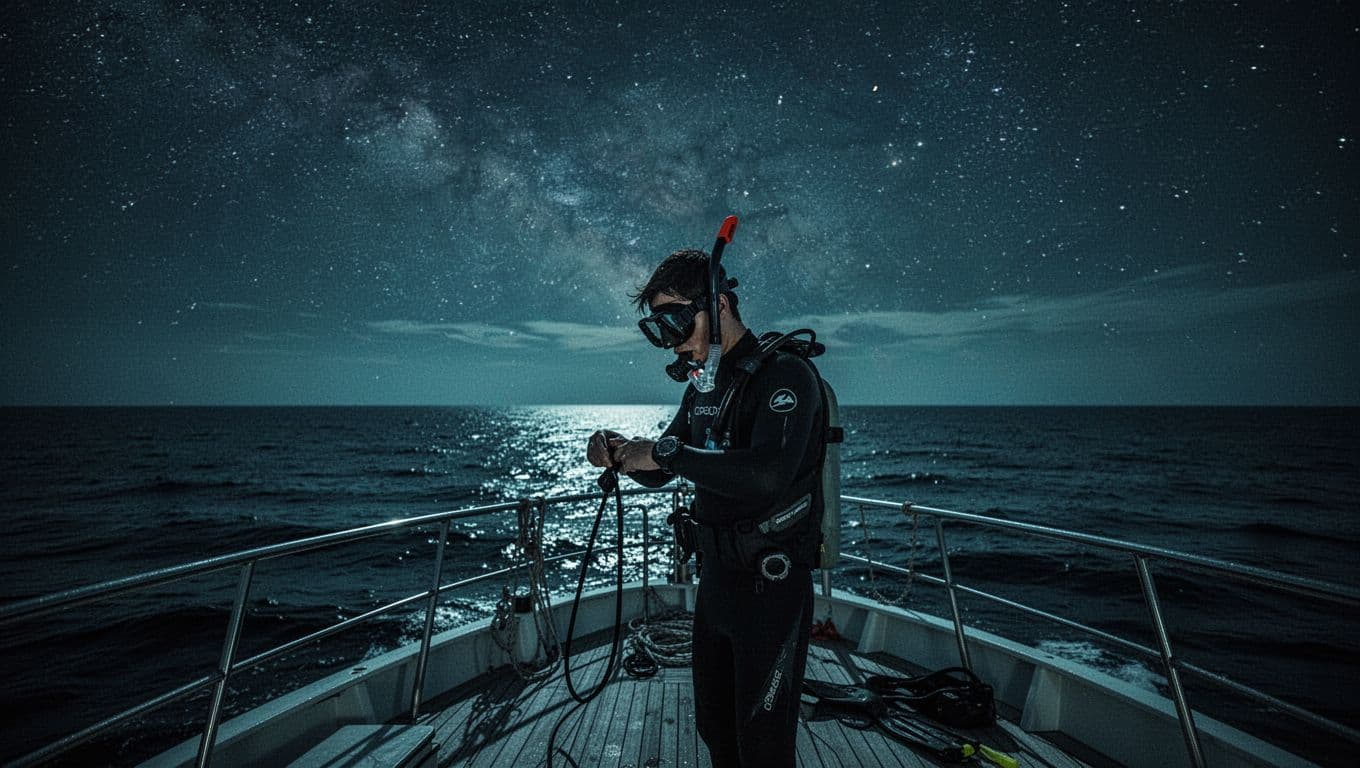
Your experience usually begins with a safety briefing on the boat. Listen for the details that matter most to you, including where to hold the board, how to signal for help, and how to return to the boat.
The guide should give you time to adjust your mask and snorkel. Once you’re in the water, stay close to the board and use the lighted area as your reference point. You may float face down while looking into the water, or lift your head whenever you need to reorient yourself.
You don’t have to keep your face underwater for the entire encounter. Rest your chin on the board, breathe normally, and take breaks when needed. If your mask fogs, signal the guide instead of trying to fix it while swimming away from the group.
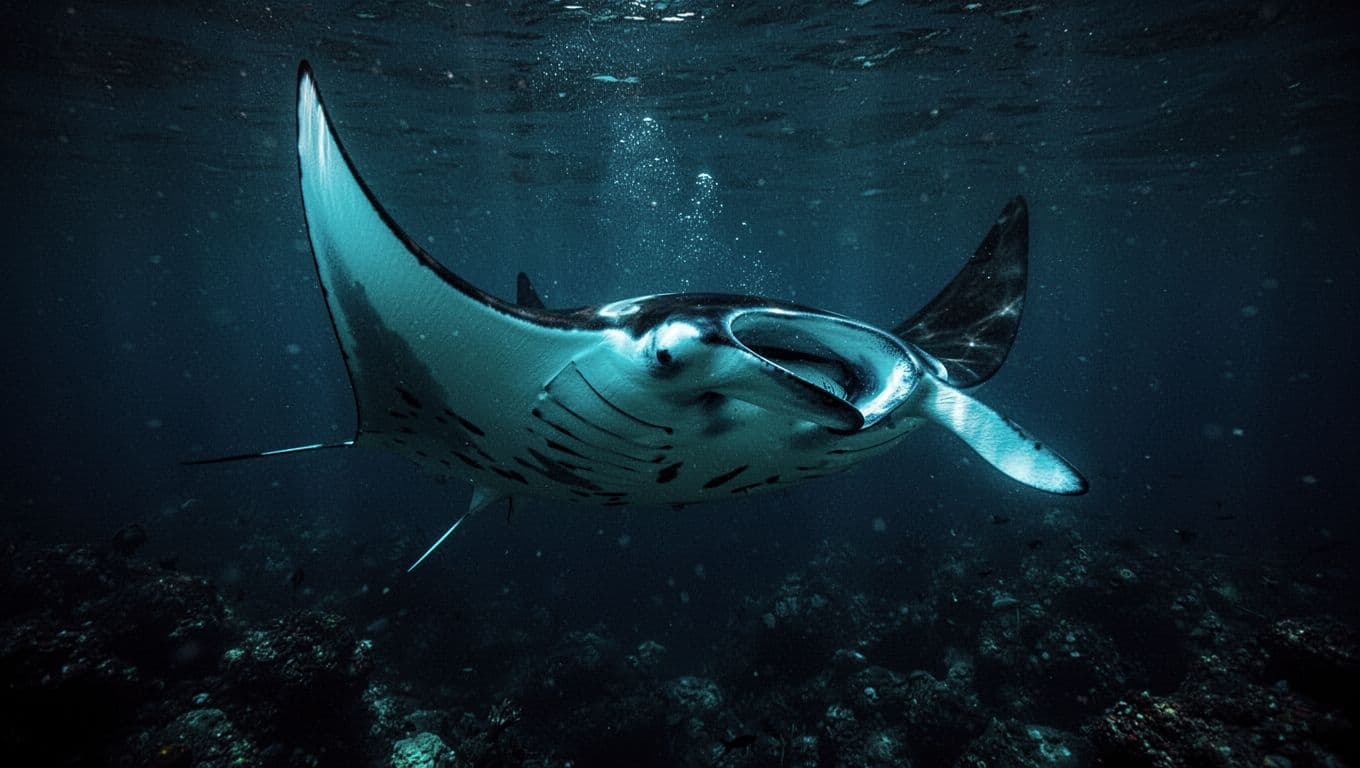
The manta rays often move beneath and around the lighted board. Their broad fins can appear suddenly from the darker water, then disappear as they turn. You may see one ray make repeated passes, or watch several animals move through the feeding area.
Manta rays can weigh between 900 and 1,500 pounds, yet their movement through the water is smooth and controlled. You should never chase, touch, block, or ride a manta ray. The animals need room to turn and feed.
Limited night vision may make the first few minutes feel unfamiliar. Your eyes need time to adjust, and the water can look different when you alternate between the board and the surrounding darkness. Keep your breathing slow and use the same orientation routine each time: find the board, listen for the guide, then look toward the illuminated water.
If you lose sight of the board, raise your head and call for assistance. Don’t swim in a random direction. Your guide can help you return to the group using voice cues or another agreed signal.
Photography can add another challenge. A camera screen may distract you from the board, while a flash can reduce your own night vision for a moment. If seeing clearly is your priority, leave the camera work to someone else and watch the encounter directly.
Choose a Kona Operator That Fits Your Needs
The right manta ray night snorkel Kona operator should answer accessibility and safety questions before you book. Look beyond the photos and ask how the crew handles guests who need more support with orientation.
Use this comparison when you speak with tour companies:
| Tour detail | What to ask | Why it matters |
|---|---|---|
| Group size | How many guests share the light board? | A smaller group may make it easier to hear and follow your guide. |
| In-water support | Can a guide help you stay oriented? | You need a clear plan if the board becomes difficult to see. |
| Equipment | Are masks, flotation aids, and board handholds available? | Proper equipment reduces unnecessary stress in the water. |
| Lighting | Where are the underwater and deck lights located? | Knowing the light pattern helps you manage glare and contrast. |
| Water entry | How do guests enter and exit the water? | A ladder or platform may require different support at night. |
| Conditions | What happens if weather or water conditions change? | You need to know how the operator handles a difficult forecast. |
| Communication | What signals should you use for help? | Simple signals give you a backup when noise or darkness affects communication. |
Kona Snorkel Trips follows a “Reef to Rays” philosophy and focuses on small-group ocean experiences. Its Lifeguard Certified guides combine safety instruction with education about the marine environment. The company also provides modern snorkeling equipment and custom-built lighted boards for nighttime manta encounters.
The exact site can vary with conditions. Its tour information mentions Garden Eel Cove and the waters in front of the Keauhou hotel as possible encounter locations. Ask about the planned site and current conditions when you reserve.
You can review the company’s Big Island snorkeling tours before deciding which experience matches your swimming ability. If you want a manta-focused booking page, you can also check availability for a nighttime outing.
If you prefer to compare another dedicated manta operator, visit Manta Ray Night Snorkel Hawaii and ask the same questions about lighting, water entry, group support, and guest requirements. Comparing support details gives you more useful information than comparing marketing language alone.
When you book with Kona Snorkel Trips, you can check availability for the company’s current guided ocean trips.
Book the Right Experience for Your Comfort Level
A popular night snorkel isn’t automatically the right choice for every guest. Your best option depends on how well you swim, how much assistance you need, and how your eyes respond to darkness and glare.
If you feel comfortable in a pool but rarely swim in open water, tell the operator. Ocean movement can make it harder to keep your face in the water, especially when you can’t see far beyond the light board. You may need a shorter viewing period or more frequent breaks.
A private charter may offer more room for a guide to focus on your group, although you should ask what support it includes. A private boat doesn’t automatically provide a different in-water setup. Confirm the details before paying a premium.
You should also consider whether you want to participate in the water at all. Some travelers prefer to stay on the boat and watch others enter. Ask whether that option is available and whether the company allows a non-swimming companion to join.
For many visitors, snorkeling Big Island Hawaii includes several ocean activities, so you don’t have to make the manta encounter your only plan. A daytime reef trip can help you build confidence before trying a nighttime outing. You can still snorkel Big Island waters in daylight, when landmarks and the surface are easier to see.
Weather can affect plans as well. Kona’s conditions often vary by coastline and day, but no operator controls wind, waves, or visibility. Confirm the cancellation and rescheduling policy before your trip.
A good booking decision leaves you feeling prepared, not pressured. If the answers about support or water entry remain unclear, choose another activity or ask for more information.
Questions to Ask Before Booking
Use these questions when you call, email, or review the tour details:
- Can I participate if I have difficulty seeing in low light or glare?
- How close will I stay to the illuminated board?
- Will a guide explain where I am if I lose visual contact with the group?
- What flotation equipment is available for guests who need extra support?
- How do I enter and exit the water at night?
- How long do guests usually remain in the water?
- What happens if I decide not to continue after entering?
- Can my companion stay near me during the in-water portion?
- What conditions would cause the trip to change or cancel?
- Are there extra steps for guests with prescription eyewear or contact lenses?
Ask for direct answers. “You’ll be fine” doesn’t explain how the crew will help you. You should know whether assistance comes through verbal guidance, equipment, a nearby guide, or another specific procedure.
Share the same information with your travel companions. They can remind you of signals, help you stay organized on the boat, and understand why you may need to pause before entering the water.
You should also tell the guide what helps you most. Some guests need spoken location cues. Others need a moment to adjust their mask or prefer to keep one hand on the board at all times. Clear communication gives the crew a better chance to support you.
A simple plan for a calmer night
Arrive with enough time to listen to the briefing instead of rushing onto the boat. Set up your mask, identify the board, and repeat the emergency signal if you need to.
Once you’re in the water, keep one hand on the board and maintain a steady breathing rhythm. Look down toward the lighted area, then look up whenever you need to check your position.
If you become uncomfortable, signal early. You don’t need to wait until anxiety builds. A short break at the boat may help, or you may decide that watching from the deck is the better choice.
The goal is a safe wildlife encounter that matches your abilities. Seeing one manta clearly for a few seconds can be more rewarding than forcing yourself to stay in the water after your comfort has disappeared.
When Daylight Snorkeling May Be Better
Night snorkeling isn’t the only way to enjoy Kona’s marine life. For some guests, snorkeling Big Island locations during the day provides a more relaxed experience because you can see the shoreline, boat, ladder, and other swimmers.
Daylight also makes it easier to judge distance and body position. You can see coral formations, surface chop, and the direction of your guide without relying on one concentrated light source.
A daytime reef trip may be a good choice if you have severe night blindness, feel uneasy in open water, or cannot see the illuminated board clearly. It may also suit families with young children who need frequent breaks and simple visual landmarks.
You can ask about reef snorkeling, a private boat outing, or another daytime marine-life trip. Kona Snorkel Trips offers several types of guided ocean adventures, so describe your needs instead of selecting a tour based only on the title.
A daylight trip can also serve as a confidence check. After you learn how your mask fits and how you respond to ocean movement, you can decide whether a night encounter feels reasonable. There is no requirement to do both.
What Makes the Experience Worth Considering
A manta encounter gives you a chance to observe wildlife without feeding or handling the animals. The rays approach the light because plankton gathers there, not because guests chase them.
That difference matters when you have limited night vision. You can remain in one location while the animals move through the viewing area. The guide’s job is to keep the group positioned safely and explain what you can see.
The experience also has a slower rhythm than many active water sports. You aren’t racing across the reef or searching for animals across a large bay. You hold the board, breathe, listen, and watch the illuminated water.
For guests who see poorly at night, the strongest part may be the shared structure. The board gives you a reference point. Your guide gives you instructions. The manta rays create movement inside an otherwise dark setting.
You still need realistic expectations. Sightings, water conditions, and visibility can change. No company can promise a specific number of manta rays or guarantee that every guest will see each pass clearly.
Reef-safe behavior remains part of the outing. Keep your fins away from coral, avoid touching marine life, and follow the crew’s directions about spacing. A memorable encounter should leave the animals undisturbed.
Conclusion
Limited night vision doesn’t automatically rule out a Kona manta experience. You need to choose a crew that explains its lighting, flotation, water entry, and in-water support before you book.
A manta ray night snorkel Kona trip works best when you stay close to the illuminated board, communicate your needs, and respect your own comfort level. If darkness feels unsafe, a daytime reef trip can give you an equally meaningful way to enjoy Hawaii’s ocean.
The right decision lets you watch the mantas with confidence instead of spending the encounter searching for where you are.