
Manta Ray Night Snorkel Kona: Weight and Comfort Guide
Kona Snorkel Trips makes a manta ray night snorkel easier to enjoy when you know the physical requirements before you book. If you’re planning a snorkeling Big Island Hawaii vacation, questions about weight limits, flotation, swimming ability, and water comfort deserve clear answers.
Manta Ray Night Snorkel Hawaii is another useful resource for planning your evening on the Kona coast. The most important point is simple: weight limits and comfort rules vary by operator, so you should confirm the current policy instead of relying on a general number.
Manta Ray Night Snorkel Kona: What It Feels Like
A typical Kona manta excursion leaves after sunset and travels a short distance to a feeding site. Popular locations include Keauhou Bay, often called Manta Village, while some operators use sites near the Kona airport or Honokohau when conditions allow.
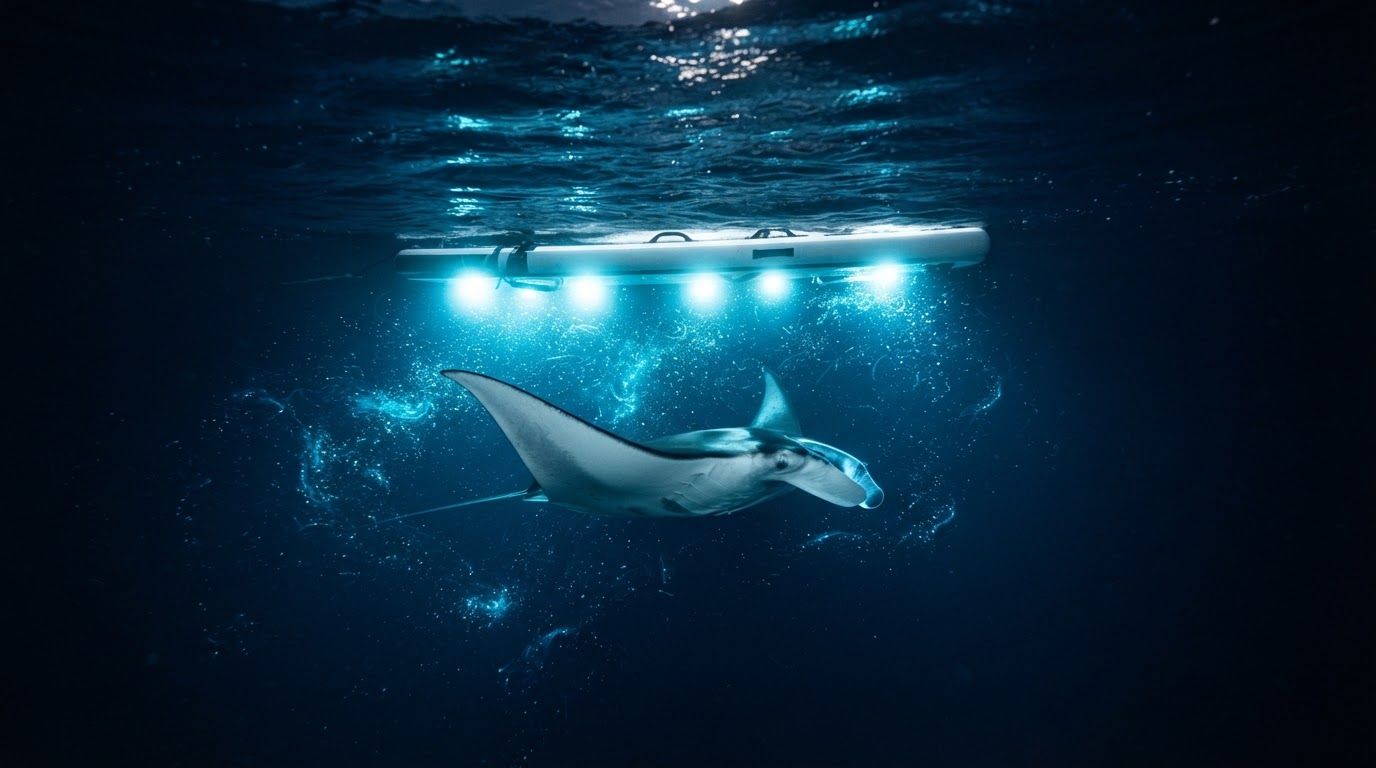
Once you enter the water, you usually hold a lighted floating board or rest beside a stable flotation platform. The lights attract plankton, and manta rays glide beneath the surface to feed. You watch from above while guides manage the group and explain how to position your body.
Most tours spend about 45 minutes in the water. The complete outing commonly lasts between 1.5 and three hours, depending on the departure point, boat ride, weather, and loading time.
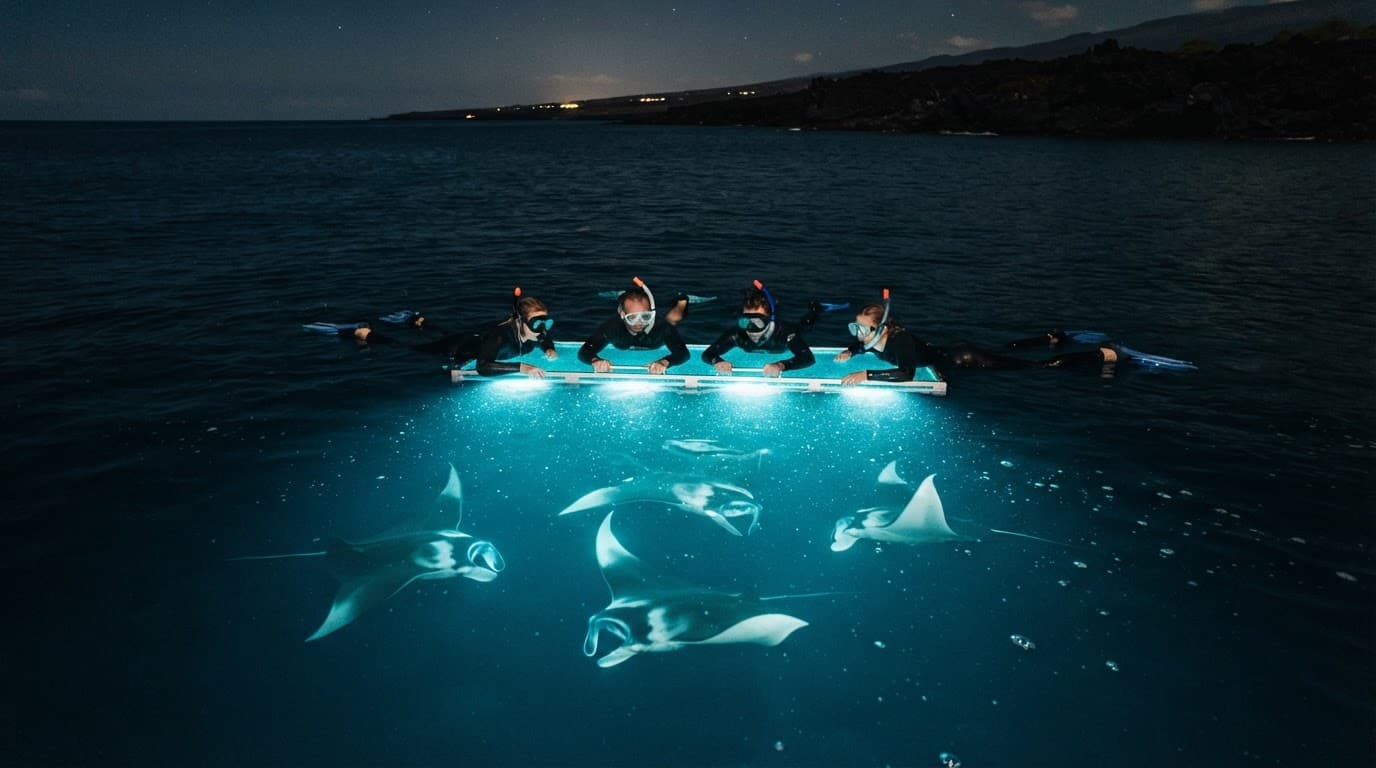
The experience is calmer than many visitors expect. You aren’t chasing the animals or swimming long distances. Instead, you maintain a relaxed surface position and let the manta rays move through the light below.
Kona Snorkel Trips describes its Big Island snorkeling tours as guided experiences with snorkeling gear, wetsuits, and additional flotation provided. Its manta tour uses a custom light board and professional guides to help guests stay comfortable while observing the rays.
Manta rays are wild animals, so sightings and conditions can change. The activity runs year-round, although summer often brings calmer water. Winter swell, wind, and reduced visibility can affect the site or cause a cancellation.
Are There Weight Limits for a Manta Ray Night Snorkel?
Yes, many Kona operators publish weight limits, but there isn’t one universal limit for every manta tour. Current policies in the market range from about 250 to 300 pounds per guest, depending on the boat, ladder, stairs, flotation system, and insurance requirements.
Why the number changes by operator
A weight limit usually relates to equipment and vessel design rather than the manta rays. A narrow boarding ladder may have a different capacity from a wide swim step. A canoe tour may also use a stricter limit because passenger weight affects balance and trim.
Some operators apply the limit to every passenger. Others focus on guests entering the water or using a particular ladder. A posted limit may also account for the fit of a life jacket, rescue equipment, or the crew’s ability to assist someone back aboard.
That difference matters because a limit listed on one Kona tour doesn’t automatically apply to another. The same guest could qualify for one boat and not another.
What current policies can look like
Published tour listings show examples around 250, 265, 280, and 300 pounds. Some also require you to swim 50 yards without flotation. Others don’t provide flotation devices at all, even though they advertise a manta snorkeling experience.
Kona Snorkel Trips’ public manta guidance focuses on age, swimming skill, prior snorkeling experience, and the ability to swim without relying on extra flotation. Its current tour information lists a minimum age of five and states that guests must be able to swim 50 yards without additional flotation.
If your weight is near or above a posted limit, contact the operator before paying. Give your accurate weight and ask whether the restriction applies to boarding, swimming, or both. Hiding the information can create a safety problem during check-in.
A weight limit is only one part of the decision. The right tour also needs a boat, ladder, flotation setup, and crew that match your comfort level.
How Flotation Affects Comfort in the Water
Flotation can make a major difference during a nighttime ocean activity. You may be a capable swimmer and still prefer a board, vest, or other support while looking down into dark water.
A lighted viewing board gives you a place to rest your forearms and keep your face pointed toward the water. It can reduce leg fatigue, help you hold a steady position, and make it easier to relax during the 45-minute viewing period.
Flotation doesn’t replace swimming ability
Many operators require you to swim without flotation because the ocean can separate you from a board or platform. You may need to move a short distance, return to the boat, or respond calmly if the group changes position.
Kona Snorkel Trips provides additional flotation, but its current requirements still call for the ability to swim 50 yards without it. That distinction protects you if you need to move independently in the water.
Other operators state that they provide no flotation devices. Some require the same 50-yard swimming standard, while others use a different test. Always ask before booking if flotation is included, required, or optional.
Ask how you will enter and exit
Swimming comfort is only part of the experience. You should also ask about the boat’s entry method.
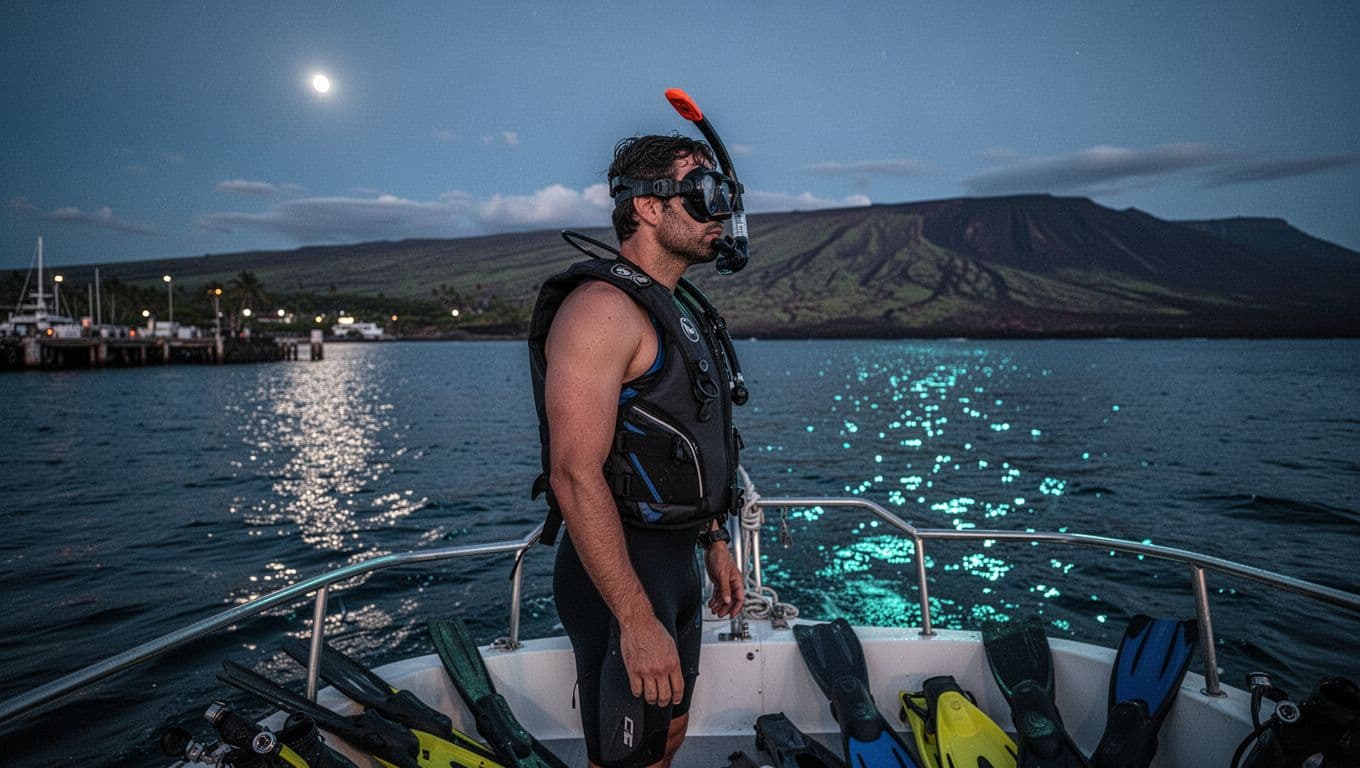
Some boats use a ladder. Others have stairs, a swim step, or a platform that sits closer to the water. A guest who feels comfortable floating may still need help climbing back aboard.
Ask these questions before you reserve:
- Is the water entry a ladder, stairs, or a platform?
- How many steps are there?
- Can the crew assist guests using the boarding equipment?
- Does the posted weight limit relate to the ladder or swim step?
- Can you remain on the boat if you decide not to enter the water?
Comfort improves when you understand the physical setup before arriving. You can also tell the crew about a concern privately during check-in.
Who Feels Comfortable on a Kona Manta Tour?
A manta ray night snorkel can work well for confident swimmers, experienced snorkelers, couples, and families with older children. However, it isn’t suitable for everyone.
The activity takes place at night in open ocean. Even calm water can feel different after sunset, especially when you can’t see the bottom or shoreline.
First-time snorkelers need extra care
Some Kona tours welcome first-time snorkelers. Others, including the current Kona Snorkel Trips manta tour guidance, don’t accept first-time snorkelers or non-swimmers.
That rule isn’t a judgment about your fitness. It reflects the need to manage your breathing, mask, fins, and body position without constant one-on-one instruction. A first-time snorkeler may feel more comfortable practicing in a shallow daytime setting first.
If you already snorkel comfortably in a pool or calm reef area, tell the operator what you can do. Swimming laps in a pool and floating in open ocean are different skills, so describe your actual experience.
Children, pregnancy, and mobility concerns
Age policies vary. Kona Snorkel Trips lists a minimum age of five for its manta tour, while other operators set different ages or require a guardian for minors.
Pregnancy policies also vary, and some operators don’t permit pregnant guests. You should ask your doctor about any medical concern related to boat travel, cool water, swimming, or nighttime activity.
Back, neck, shoulder, and mobility issues deserve a direct conversation with the crew. You may need to climb a ladder, turn your body in the water, or hold a position for several minutes. A private charter may offer a more personal pace, but it doesn’t automatically remove swimming requirements.
Kona Snorkel Trips offers private Kona manta ray charters for travelers who want a smaller setting. Ask the team about the current rules for your group before assuming a private boat solves every limitation.
Questions to Ask Before You Book
The fastest way to avoid surprises is to ask focused questions. A reputable operator should answer clearly and explain any restriction that affects your group.
Confirm the exact weight policy
Ask for the current maximum weight and how the company measures it. You should also ask whether the limit applies to:
- Every passenger on the boat
- Guests entering the water
- Guests using the ladder or stairs
- Guests wearing a flotation device
- The total passenger load rather than each individual
If the answer is “it depends,” ask what it depends on. The reason may be the boat model, departure site, sea conditions, or boarding equipment.
Confirm swimming and flotation rules
Ask whether you must swim 50 yards without flotation. Then ask whether you can use a vest or board during the viewing portion.
A complete answer should tell you what happens if you become tired. Some crews can place you near a stable board, while others expect you to return to the boat without assistance.
You can also ask whether the tour accepts weak swimmers who can float. Many operators don’t, because floating calmly isn’t the same as moving safely in open water.
Confirm the site and departure point
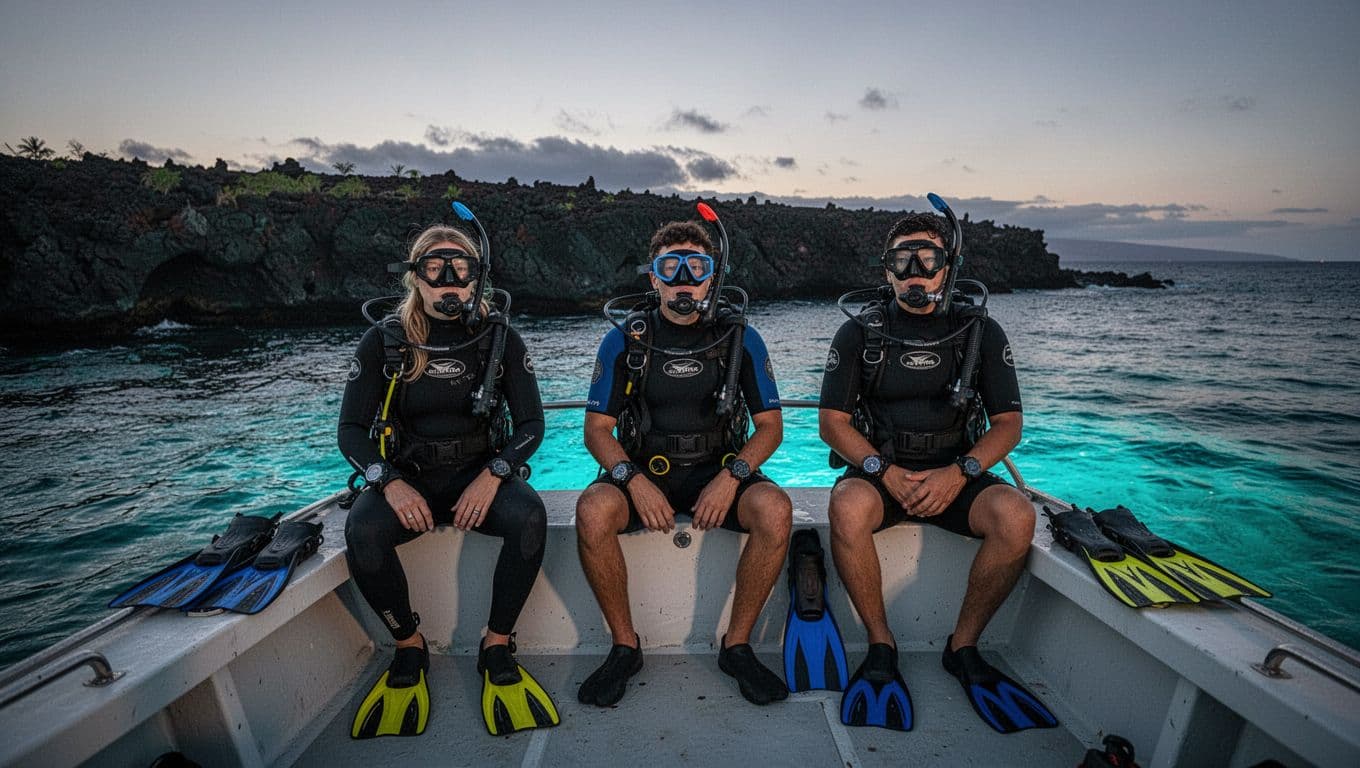
Kona manta tours may leave from Keauhou Bay or Honokohau Harbor. These locations have different drive times, parking arrangements, and boat routes.
Ask where you check in and how early you need to arrive. A late arrival can affect the whole group because boats often leave around sunset.
The site can also change with wind, swell, and visibility. Ask what happens if the captain moves the group to another location.
Ask about weather and manta policies
Winter swell can lead to cancellations or site changes, even during the year-round manta season. Ask whether you receive a refund, rebooking option, or return voucher if weather cancels the trip.
Manta sightings are common at established Kona sites, but no wild animal encounter is guaranteed. Some operators offer a free re-ride when no manta appears. That policy isn’t universal, so confirm it before booking.
Kona Snorkel Trips publishes an 80 to 90 percent manta sighting rate and advertises a free retry voucher if no mantas appear. Read the current booking terms for details because policies can change.
How to Make the Night More Comfortable
Good preparation can remove most of the small annoyances that make an ocean tour harder than it needs to be.
Choose the right day and timing
The water is usually in the mid-70s to around 80 degrees Fahrenheit, with cooler conditions during winter. Operators commonly provide a wetsuit top or shorty wetsuit, but confirm what your tour includes.
Evening departures shift during the year because sunset changes. Plan enough time for traffic, parking, check-in, and equipment fitting. Arriving rushed can make a simple gear adjustment feel stressful.
If you get motion sickness, ask about the boat route and bring any medication recommended for you. Take it according to medical directions and before symptoms begin. A light meal and good hydration can also help.
Fit your mask and wetsuit before entering
Your mask should seal without needing to be painfully tight. Test it during the gear fitting and tell the crew if water enters around the nose or cheeks.
Fins should stay secure without squeezing your feet. A wetsuit top should provide warmth without restricting your breathing or shoulder movement.
Don’t wait until the boat reaches the site to mention discomfort. Guides can often change a mask, adjust a strap, or offer a different flotation position before you enter.
Respect the rays and your own limits
Manta rays may pass close to the viewing board, but you should never touch, chase, block, or ride them. NOAA’s marine life viewing guidelines support calm, responsible observation around wild animals.
Keep your hands to yourself and avoid reaching toward a manta, even if it swims within arm’s length. NOAA’s wildlife viewing guidance explains why contact can harm marine animals and people.
Follow the guide’s instructions about body position and spacing. Staying near the board helps the crew account for you and prevents your fins from striking a ray.
Why a Small, Guided Group Can Feel Better
The company you choose affects comfort as much as the equipment. Kona Snorkel Trips uses a small-group approach, lifeguard-certified guides, quality snorkeling gear, and custom-built lighted boards for nighttime manta encounters.
Guides can explain how to breathe through the snorkel, where to place your hands, and how to keep your body still. They can also watch for signs of fatigue, anxiety, or cold before those issues become serious.
The company’s “Reef to Rays” philosophy includes reef-safe practices and education about the volcanic marine environment. You get the wildlife encounter without treating the animals as performers.
A smaller group can also make it easier to ask a personal question about weight, swimming ability, mobility, or flotation. You don’t need to announce a concern in front of everyone.
If you want to compare dates and current trip details with Kona Snorkel Trips, you can check availability before making your plans.
When a Different Snorkel Plan Makes More Sense
A manta tour may not be the best first water activity if you have never used a mask and snorkel. A daytime reef trip gives you sunlight, shallower visual reference points, and more time to practice.
When you snorkel Big Island waters during the day, you can learn how your mask fits and how your fins affect your balance. You can also decide whether open-ocean swimming feels comfortable before adding darkness and boat travel.
Kona offers several ways to build confidence. A daytime reef outing, a private charter, or a calm beach session may suit your group better than a nighttime tour.
You could also plan a manta trip for later in your vacation. That gives you time to adjust to the water, check your gear, and learn how your body responds to the ocean.
If you already know you want a guided manta experience with Kona Snorkel Trips, review the manta ray snorkel requirements before booking. The page explains age, swimming, experience, equipment, and guest restrictions.
The Right Questions Lead to a Better Manta Experience
A Kona manta ray night snorkel doesn’t have one standard weight limit or comfort policy. Current operator rules can differ by roughly 50 pounds, and flotation, swim tests, age requirements, pregnancy policies, and boarding equipment also vary.
Ask about the exact weight restriction, how you enter the boat, whether flotation is provided, and whether you must swim 50 yards without support. Then confirm the departure site, weather policy, water time, and manta re-ride terms.
When the boat and requirements fit your abilities, you can focus on the quiet moment that brings you there: floating at the surface while a manta ray circles through the light below. That preparation helps you enjoy snorkeling Big Island sites with confidence, comfort, and respect for the ocean.