
Do Manta Rays in Hawaii Lay Eggs or Give Live Birth?
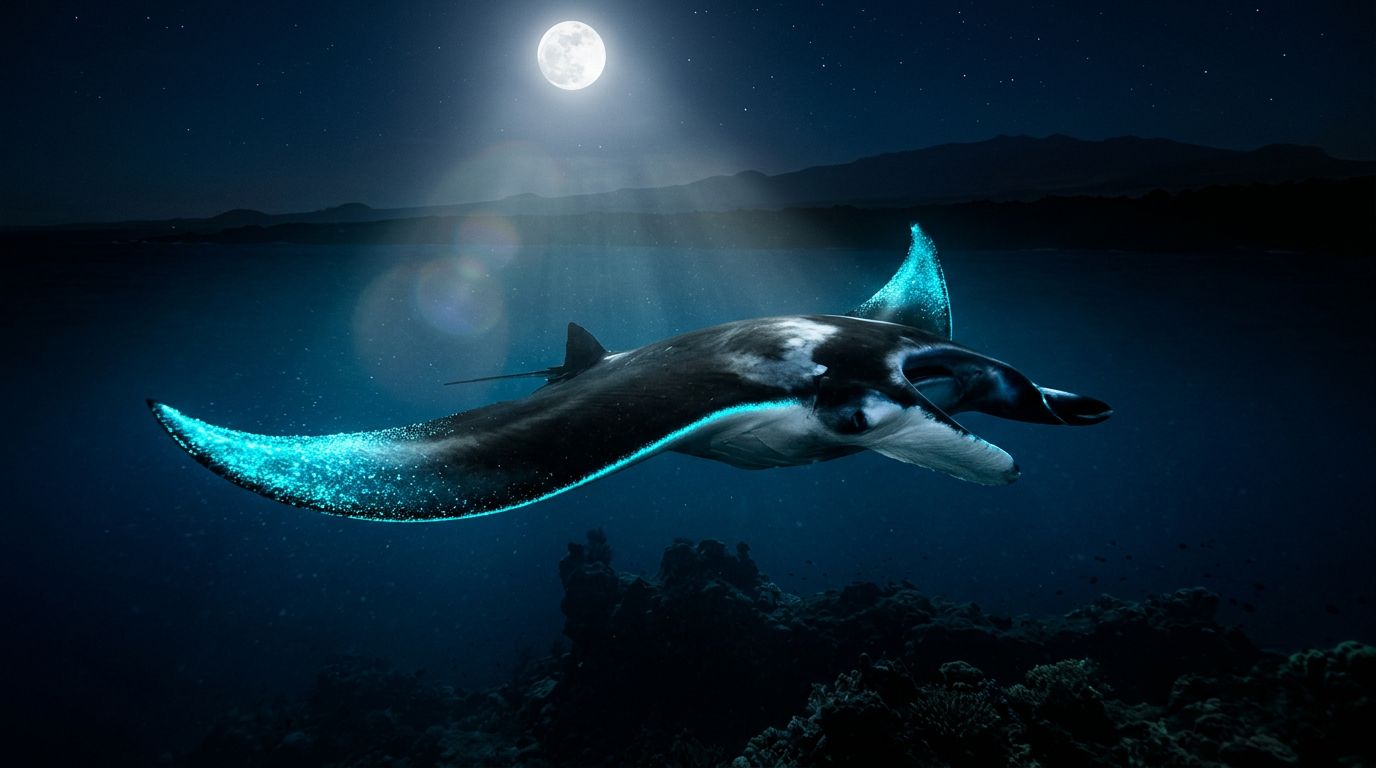
If you’re planning snorkeling Big Island Hawaii, one question comes up fast: do manta rays lay eggs or give live birth? The short answer matters because it changes how you picture these animals, and it clears up one of the most common reef myths.
You won’t find manta egg cases tucked into lava rock or drifting across a Kona bay. You will find one of the ocean’s most unusual birth styles, and it makes every manta sighting feel even more memorable. If you’re comparing Big Island snorkel tours before you book, knowing the answer helps you choose the right trip.
The short answer is live birth, not eggs
Manta rays in Hawaii do not lay eggs. They give birth to live young, usually called pups. Scientists call the process ovoviviparous, which sounds technical but is simple at heart.
The egg develops inside the mother instead of outside in the water. The baby grows there, hatches there, and is born alive. By the time the pup arrives, it already looks like a tiny manta and can swim on its own.
Manta rays don’t leave egg cases on the reef. They carry the young inside the mother until birth.
That single fact answers the egg question, but it also explains why manta rays feel so different from many other sea animals you may know. You are not looking for a nest. You are looking for open water, feeding behavior, and a wild animal that appears on its own terms.
If you want a plain-language look at the science, this guide on how manta rays reproduce gives a clear breakdown. It fits well if you want the biology without a lot of jargon.
How manta ray babies develop inside the mother
Manta ray pregnancies are long, and the mother carries only a small number of young at a time. In many cases, it is just one pup. That slow pace is part of what makes manta rays special, and it also makes healthy adult populations important.
The baby stays protected inside the mother until it is ready for the open ocean. There is no shell on the reef, no hidden clutch, and no egg sac resting on the bottom. Instead, the mother does all the heavy lifting until the pup is strong enough to swim free.
That slow life cycle is one reason manta rays need careful protection. When animals have few babies and long gaps between births, they cannot recover quickly from pressure on their habitat. For you as a traveler, that means every respectful encounter matters.
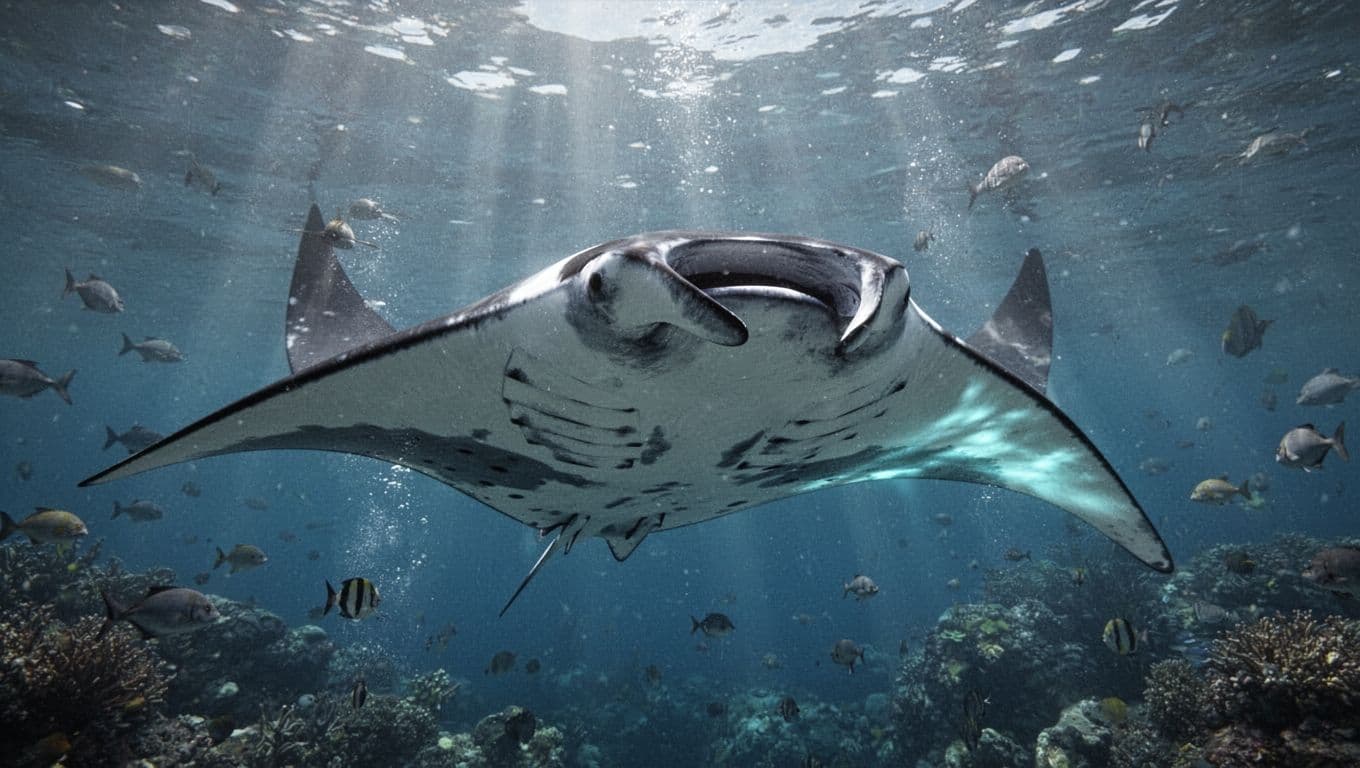
The image of a manta ray in the water is a lot closer to the truth than any idea of eggs on a beach. These animals live in the open, travel widely, and give birth away from the kind of places people usually connect with nesting.
That is why the question matters. Once you know manta rays do not lay eggs, their whole story starts to make more sense.
Why you won’t find manta eggs on a Kona reef
Hawaii is part of the manta ray’s world, but it is not a place where you look for eggs. The reef around Kona is better understood as feeding space than nursery space. Manta rays come there for plankton, clean water, and the kind of conditions that help them feed.
At night, lights bring plankton together, and the mantas follow the food. They move through the water like giant kites on a string, using slow rolls and wide turns to stay in the plankton cloud. That is the scene most visitors remember.
You may have pictured a reef as a shelter for eggs or babies. Manta rays do not use it that way. They are not nesting fish, and they are not hiding young under coral. They are open-water animals that use the reef edge and the evening plankton bloom for feeding.
That difference matters if you plan to snorkel Big Island waters. A manta snorkel is not about searching the bottom for hidden life stages. It is about floating above a feeding area and watching a large, graceful animal do exactly what it does best.
For many travelers, that shift in expectation makes the encounter better. You stop looking for a tiny clue and start paying attention to movement, light, and space.
What a manta snorkel in Kona actually feels like
A manta snorkel is one of the most distinctive things you can do on the island, and it feels different from a daytime reef swim. If you want a focused option, guided manta ray snorkel tours give you a direct way to see the animals in their nighttime feeding zone.
Kona Snorkel Trips keeps the experience small and guided, which matters when you are in dark water and watching wildlife up close. Lifeguard-certified guides, quality gear, and custom-built lighted boards help keep the trip calm and organized. That setup gives you more time to watch the mantas and less time worrying about the details.
If you want a manta-first trip on a different site, Manta Ray Night Snorkel Hawaii focuses on that same evening experience. The appeal is easy to understand. You drift, the lights draw plankton, and the mantas rise beneath you.
When people search for manta rays Hawaii, they often want one simple answer and one good trip. This is the part where both come together. You get the biology, then you get the chance to see it in motion.
You can also check availability for a manta night snorkel if you want to lock in a date before prime spots go first.
Choosing the right Big Island water day
Not every ocean day needs to look the same. Some travelers want a night manta swim. Others want coral, history, or a private pace. If you are planning snorkeling Big Island time with family or friends, it helps to match the trip to the mood of the group.
Here is a simple way to compare a few options:
| Trip type | What it feels like | Best for | Best time |
|---|---|---|---|
| Manta ray night snorkel | Calm floating over lights while mantas feed below | Animal lovers, couples, families with older kids | Evening |
| Captain Cook / Kealakekua Bay snorkel | Clear daytime reef water with tropical fish and history | Strong swimmers, reef fans, first-time visitors | Morning |
| Private Kona tour | Flexible pace, custom stops, more space | Families, mixed groups, special occasions | Any time |
The table makes one thing clear. If manta rays are your main goal, choose the night snorkel first. If you want to pair the experience with a full day on the coast, a daylight reef trip gives you a different side of the island.
For a classic reef day, the Captain Cook Monument snorkel tour is one of the strongest choices on the Kona side. The water in Kealakekua Bay is known for clear visibility and rich marine life, and it gives you a bright contrast to the nighttime manta trip.
If you want more room to set the pace, private Kona tours give you that flexibility. That can be a smart pick for families with younger kids, couples who want a quieter outing, or groups with mixed swim comfort.
Many visitors also like to plan a broader water itinerary. You might snorkel Big Island reefs during the day, then save the manta trip for night. That gives you two completely different experiences without repeating the same kind of water time.
What to remember before you book a manta trip
The biggest takeaway is simple. Manta rays in Hawaii do not lay eggs. They give live birth, and that is part of what makes them such remarkable animals to see in the wild.
When you head out on the water, you are not chasing a nursery. You are watching feeding behavior, open-water movement, and a species with a slow, careful life cycle. That makes your role as a guest more important, because a good sighting depends on respect as much as luck.
If you want the clearest path to the experience, start with the right trip type and the right crew. For many travelers, that means a small-group manta snorkel in Kona, a daylight reef trip in Kealakekua Bay, or a private outing that matches the pace of your group. If you are comparing snorkeling Big Island Hawaii plans, that simple answer about eggs versus live birth can point you toward the best night on the water.
Conclusion
Manta rays in Hawaii do not lay eggs. They give birth to live pups, and that one fact changes how you understand every manta encounter.
So when you float over Kona at night, you are not looking for shells or nests. You are watching a living feeding pattern unfold in open water, which is exactly why the experience feels so different from anything else you can do when you snorkel Big Island waters.