
How To Report Lost Gear After A Captain Cook Snorkel Cruise
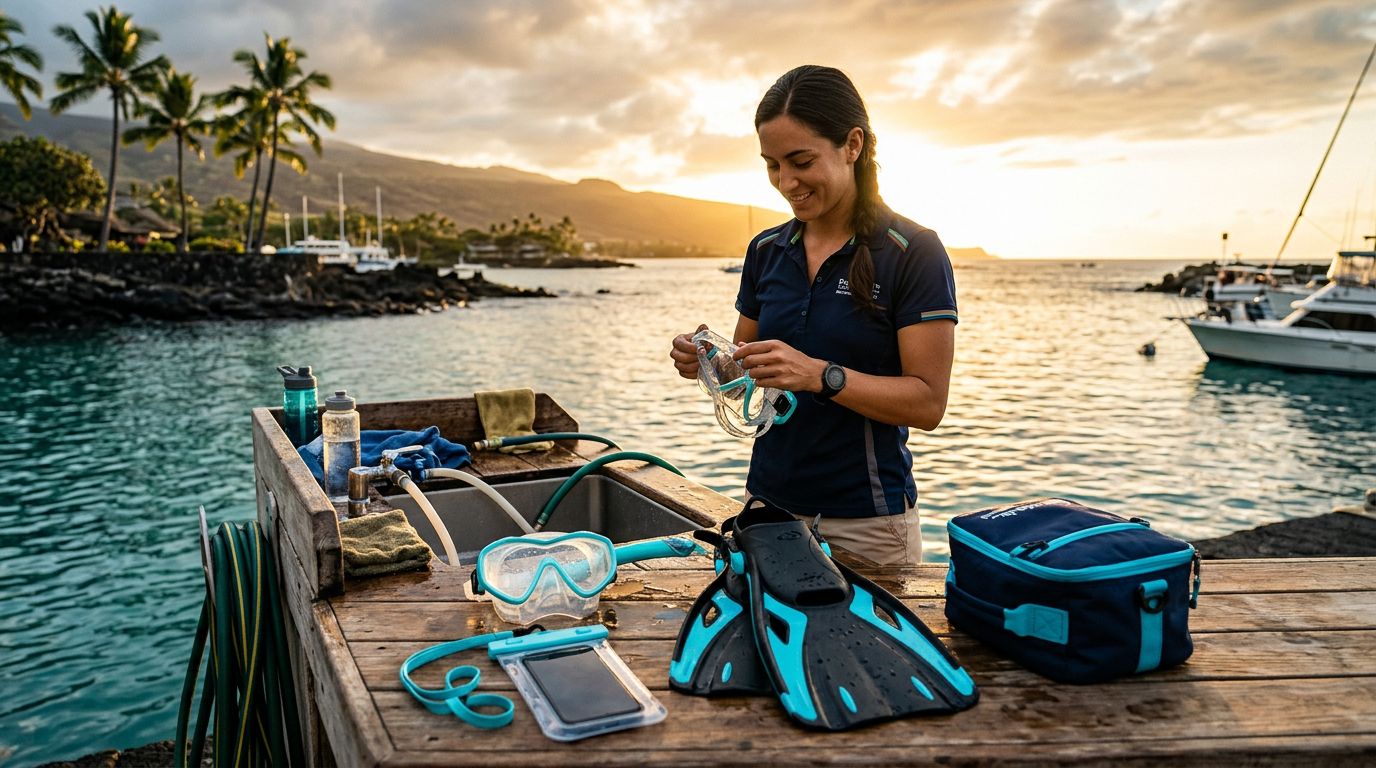
A lost gear snorkel cruise report is easiest when you make it before the boat leaves the dock. After a Captain Cook snorkel cruise, a mask, phone pouch, prescription lenses, or fins can disappear between the water, boat, dock, and hotel shuttle.
Kona Snorkel Trips takes guest safety, quality equipment, and reef protection seriously, so contacting the operator quickly gives the crew the best chance to locate your belongings. Follow these steps before you contact a government agency or assume the item is gone.
Lost gear snorkel cruise: act before you leave the dock
The first few minutes matter because crew members can still check the boat, gear bins, rinse stations, and boarding area. Once the vessel leaves for another trip, the search becomes harder.
Report the loss to the crew immediately
Tell the guide or captain exactly what you are missing. Use a clear description, such as “a blue prescription mask with a black strap,” instead of saying only “my snorkeling gear.”
Ask the crew to check the places where passengers commonly set items down:
- The seat or storage area where you kept your belongings.
- The gear-return bin or rinse station.
- The boarding ladder and swim platform.
- The dock, shuttle pickup point, or check-in table.
- Any dry bag or shared equipment container used during the trip.
If you noticed the item in the water, give the guide the last location you remember. The crew may know whether someone recovered it during boarding or while clearing the area.
Record the report before you leave
Ask for the operator’s preferred follow-up method. The company may use a phone number, email address, booking portal, or office contact.
Write down the name of the guide who took your report. Also note the approximate time and the location where you spoke. These details help if you need to follow up later with a different team member.
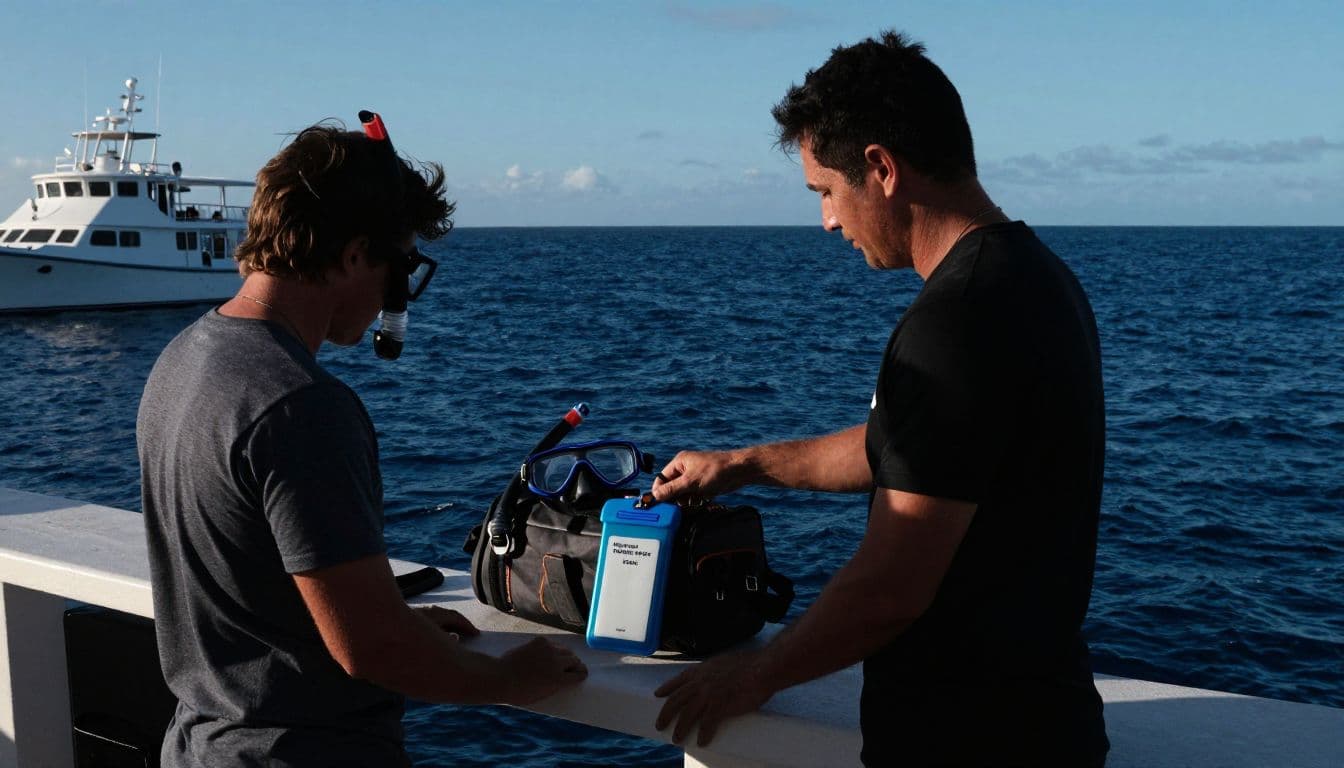
Identify exactly what went missing
A tour operator may handle dozens of masks, snorkels, fins, flotation devices, and dry bags in a single day. Precise details help the crew separate your property from shared equipment.
Describe the item like an owner
Include the brand, color, size, material, and any unusual marks. Mention scratches, stickers, initials, prescription lenses, straps, cases, or attached accessories.
For electronics, include the model, case color, protective cover, and any identifying feature. If a GoPro or camera disappeared, provide the camera color, housing type, floating grip, and any visible sticker.
For a mask, note whether it is a single-lens or two-lens style. Prescription masks need extra detail because the lenses can make them easier to identify.
A useful description might read:
Black adult fins with a gray heel strap, a small scrape on the left fin, and a blue mesh bag.
That description gives the crew several ways to recognize the item.
Gather the trip details
Your lost gear snorkel cruise message should include the information that places you on the correct departure. Add:
- Your full name and booking name.
- The trip date and approximate departure time.
- The tour company and vessel name, if you know it.
- The boarding location.
- The route or snorkel area, such as Kealakekua Bay or the Captain Cook Monument.
- Where you last saw the item.
- Your phone number and email address.
- A photo, receipt, serial number, or booking confirmation when available.
If your trip included snorkeling Big Island Hawaii reefs, identify the specific bay or coast whenever you can. “Somewhere near Kona” is less useful than “on the port-side seat before entering Kealakekua Bay.”
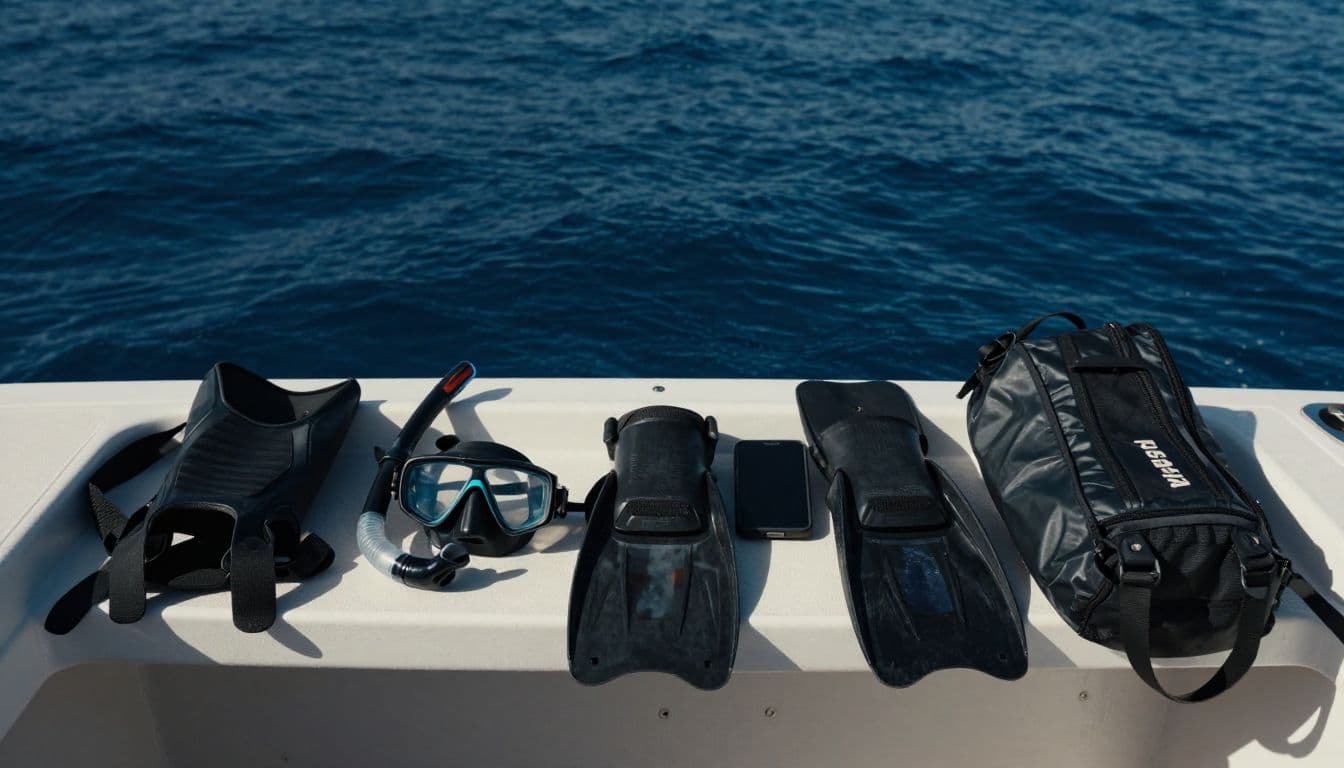
Contact the tour operator first
Ordinary lost property belongs with the company that operated your cruise. The crew can check the vessel, equipment racks, dock, office, and cleaning area faster than a state agency can.
Start with the boat crew or office
If you are still at the harbor, speak with the captain or guide. If you have already left, use the phone number or email in your booking confirmation.
Keep the first message short and complete. Include the trip details and item description in the opening paragraph. Then ask whether the crew found the property and where you can collect it.
Kona Snorkel Trips offers guided ocean adventures around the Kona coast, including Captain Cook and Kealakekua Bay snorkeling. Its Reef to Rays approach combines small-group service, lifeguard-certified guides, quality snorkeling equipment, and reef-safe practices. If you booked through the company, its Captain Cook snorkeling tours page is a useful reference for identifying the excursion and booking details.
If you are planning another Captain Cook trip, you can check availability after you finish reporting the missing item.
Give the operator time to inspect the boat
Some items turn up during post-trip cleaning rather than at the dock. A mask can remain beneath a seat, while a phone pouch may be placed in a charging or drying area.
Ask when you should follow up. If the company has not responded by that time, send one concise message with the original details. Repeating the entire story across several messages can make it harder for staff to track the request.
Send a clear lost-gear message
A good message saves time for you and the operator. It also creates a written record that you can use if the item turns up after you return home.
Use a direct subject line
Write a subject that includes the trip date and item. For example:
Lost black prescription mask, Captain Cook trip, June 14
The message should start with your name and booking information. Avoid sending only a photo without context. Staff need to know which boat and departure to check.
You can write:
Hello, I joined the Captain Cook snorkeling trip on June 14. I may have left a black prescription mask with a gray strap near the rear seat or rinse station. My booking was under [your name], and I can be reached at [phone number]. Could you please check the boat and lost-and-found area? I have attached a photo of the mask. Thank you.
Replace the bracketed details with your information before sending. Keep the wording factual and polite.
Attach proof when you have it
A photo from before the trip can make an ordinary item much easier to identify. Receipts, order confirmations, prescription records, and serial numbers also help establish ownership.
For a phone or camera, never send passwords, account recovery codes, or private login details. Share only the device description and the information needed to identify it.
If the item contains sensitive information, mention that fact to the operator. A lost phone, wallet, identification card, or medication pouch needs faster attention than a standard snorkel.
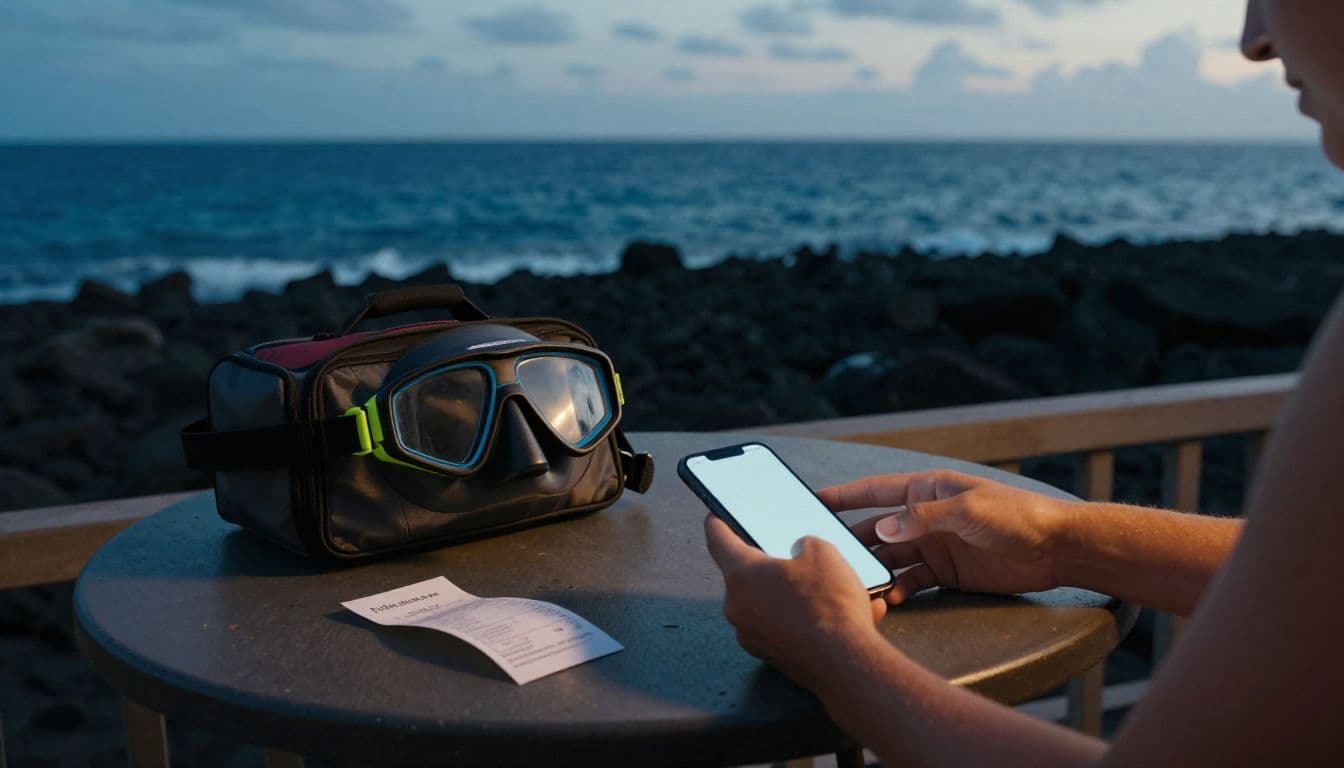
Know when lost gear becomes marine debris
A mask left on a boat is a lost-and-found matter. Gear that drifts offshore, washes onto a beach, becomes tangled with wildlife, or creates a hazard needs a different response.
Ordinary property should stay with the operator
Contact the cruise company first if you dropped or misplaced a personal item. That includes masks, snorkels, fins, phones, dry bags, cameras, towels, and prescription eyewear.
Do not call a marine debris hotline for a normal passenger item that crew members can recover. State and federal reporting systems focus on debris that creates environmental or navigation problems.
If you are snorkeling Big Island Hawaii waters and lose a small item, tell your guide where it went. Do not chase it into rough water or dive beyond your comfort level. A lost mask is never worth risking your safety.
NOAA’s Marine Debris Program provides information about reporting and removing larger or hazardous objects. Its resources are useful when the item has left the tour area and become a possible environmental concern.
Report larger or hazardous objects
Hawaii’s current marine debris guidance lists 833-4DA-NETS, or 833-432-6387, for large or hazardous marine debris. The automated system routes callers by island, including a Hawaii Island option.
Use that path when the object is large, drifting, difficult to remove by hand, or likely to damage marine life or boats. Provide the location, date, time, size, photographs, and any markings you can safely record.
A small lost mask needs a tour operator. A large floating object that can damage a boat needs marine debris or navigation-hazard reporting.
Protect yourself around hazards and wildlife
Lost equipment can create a second problem if you try to retrieve it in unsafe conditions. Ocean currents, boat traffic, sharp reef, and changing weather can turn a simple recovery attempt into an emergency.
Do not retrieve dangerous gear yourself
Tell the captain if your item fell near the vessel, a channel, or a busy boat route. The crew can decide whether recovery is safe and legal.
Do not swim beneath a boat, reach into a propeller area, or enter rough water for a phone, camera, or pair of fins. You also should not move a large object, fuel container, tangled line, or unknown debris.
For an immediate danger to life, call 911. If an object creates a navigation hazard, the Hawaii guidance identifies the U.S. Coast Guard Sector Command Center at (808) 842-2600. The Coast Guard’s Report What You See guidance explains when unusual hazards need official attention.
Give wildlife priority
Never pull gear away from a turtle, seal, dolphin, manta ray, or other animal. Keep your distance and alert the guide.
If equipment is attached to or entangles marine life, contact NOAA’s statewide marine wildlife hotline at 1-888-256-9840. Do not cut lines or handle an animal unless trained responders instruct you to do so.
For general reef care, Hawaii’s marine resource conservation guide offers practical information about responsible behavior near coastal habitats.
Understand what happens after you report
The operator may search during the next cleaning cycle, ask the crew on another departure, or contact you when a passenger returns an item. Recovery time depends on where the item went and whether the boat ran another trip afterward.
Keep your contact details active
Use a phone number that accepts calls while you travel. Check your email, spam folder, and booking account for a response.
If you leave Kona before the item is found, ask whether the company can mail it. Do not assume shipping, packing, or handling costs are included. Confirm the address, delivery method, and any charge before authorizing shipment.
A friend or hotel contact can also collect the item if the operator allows it. Give written permission when requested, and make sure that person brings identification.
Document the value of important items
Keep receipts and communication records for high-value equipment. Travel insurance may cover certain belongings, but coverage depends on your policy, deductible, exclusions, and whether you reported the loss promptly.
A credit card may offer separate travel protection, although the rules vary by issuer. Contact the provider directly rather than assuming a claim will be approved.
For a prescription mask, camera, or phone, ask the operator for a written update even if the item is not found. That record may support an insurance claim or replacement request.
Prevent another loss on your next snorkeling trip
A little organization helps when you move between a hotel, shuttle, boat, beach, and water. The goal is to carry fewer loose items and make every piece easy to recognize.
Limit what you bring aboard
Leave passports, extra credit cards, jewelry, and nonessential electronics at your lodging. Bring only the phone, camera, medication, and personal equipment you need.
Use one bright, waterproof bag for small belongings. Keep the bag in the same place throughout the trip instead of moving items between seats and compartments.
Before entering the water, do a quick count of your equipment. Check your mask, snorkel, fins, flotation device, and personal bag. Repeat the count when you return to the boat.
If you plan to snorkel Big Island waters at several locations, use the same routine on every vessel. Familiar habits matter when the scenery, gear, and passengers change.
Follow the guide’s equipment instructions
Ask where the crew wants you to leave rental gear. Shared equipment should go into the assigned bin, while personal items should remain in your sealed bag.
Do not place a phone or camera on a seat edge, swim step, or rail. Keep straps secured and avoid attaching loose accessories that can fall into the sea.
A day of snorkeling Big Island sites can involve more movement than expected, especially when you board by shuttle or transfer between shore and boat. Secure your belongings before each transition.
Reef-safe behavior also protects your gear. Stay clear of coral, avoid standing on the reef, and follow the guide’s instructions around wildlife. Kona Snorkel Trips emphasizes education, safety, and responsible ocean practices during its guided outings.
Keep a recovery plan for valuable gear
You can make a future report easier before you leave home. Photograph expensive equipment beside a ruler or another familiar object. Save model numbers and receipts in a secure cloud account.
Add a bright strap, floating case, or simple mark to personal gear. Avoid markings that damage equipment or create a risk of snagging.
For a camera or phone, record the device’s serial number and enable its built-in location and security tools before traveling. Keep recovery features private, and never share account passwords with anyone who contacts you about the item.
If your equipment has a prescription lens, customized fit, or sentimental value, note that in your report. Those details can distinguish it from standard rental gear.
Use this lost-gear message template
Copy the format below and replace the bracketed information with your own details:
Subject: Lost [item] on [trip date]
Hello, I joined the [Captain Cook or Kealakekua Bay] snorkeling trip on [date] at approximately [departure time]. I may have left a [brand, color, size, and identifying marks] on the boat, at the rinse station, or near the boarding area.
The booking was under [name]. I last saw the item at [location]. My phone number is [number], and my email is [address]. I have attached a photo or receipt if useful. Could you please check the vessel and lost-and-found area and let me know whether the item has been recovered? Thank you.
Keep the message to one item whenever possible. If you lost several belongings, list each one separately so the crew can check them accurately.
Conclusion
A lost item after a Captain Cook snorkel cruise needs a fast, precise report. Speak with the crew before leaving the dock, describe the gear in detail, and provide the exact trip information that helps staff locate the right boat and departure.
If the item becomes drifting debris, a navigation hazard, or a wildlife threat, use the appropriate Hawaii or federal reporting channel. Otherwise, your best first step remains the same: contact the tour operator while the trip details and equipment locations are still fresh.