
Snorkel Kona Hawaii With a Guide or On Your Own
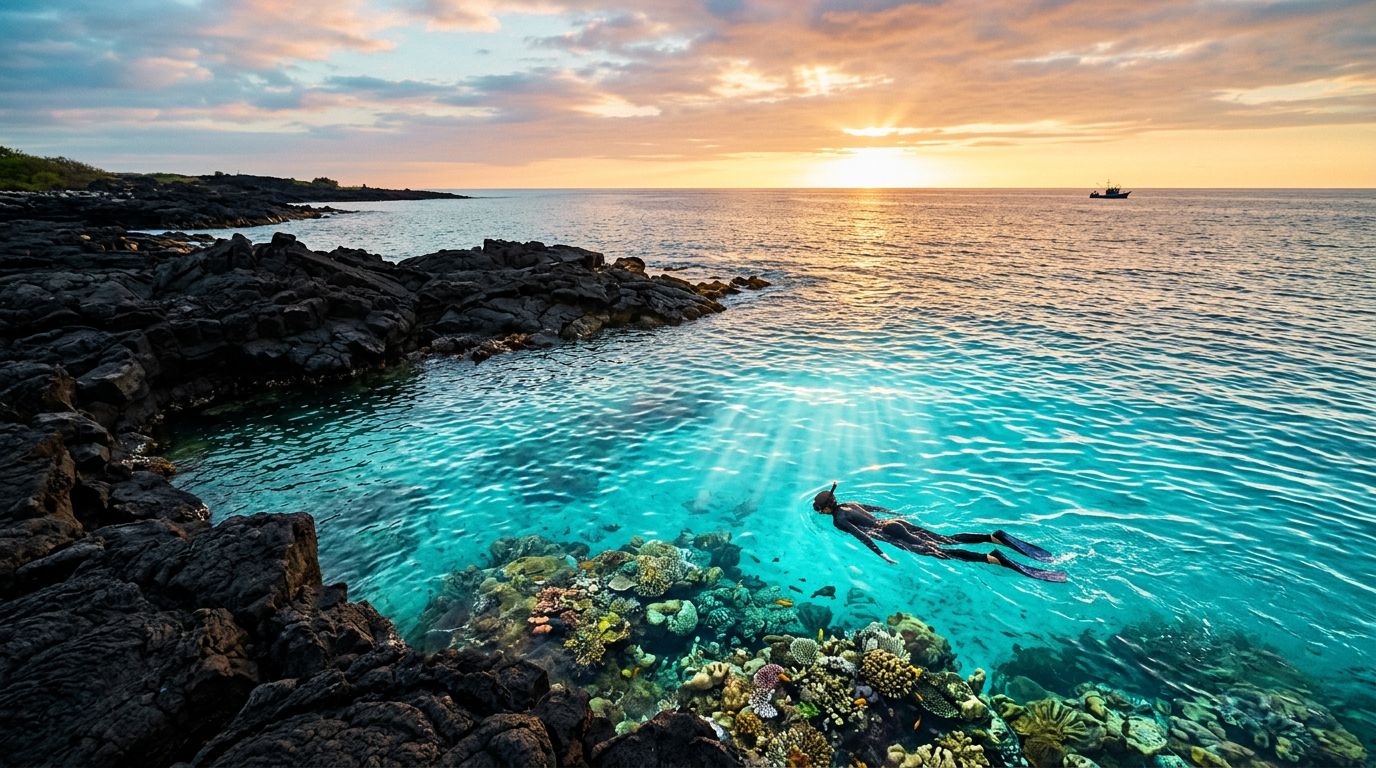
When you plan to snorkel Kona Hawaii, the biggest choice isn’t your mask or fins. It’s whether you want a guide or your own freedom.
That choice shapes the whole day. It changes how much you need to plan, how far you swim, and how relaxed you feel once you slip into the water. If you want a guided day, Kona Snorkel Trips is a strong starting point.
If you’re planning snorkeling Big Island Hawaii, the right answer depends on your comfort level, your budget, and how much structure you want. The good news is that both options can work well on the Kona coast.
Guide or solo on the Kona coast
The Kona coast gives you two very different kinds of snorkeling days. One is built around support and local knowledge. The other is built around flexibility and self-direction.
Here’s the short version:
| Factor | With a guide | On your own |
|---|---|---|
| Planning | Someone else handles route, timing, and gear | You choose the beach, the entry, and the schedule |
| Safety margin | More support if weather or currents change | More responsibility on you |
| Access | Easier if you don’t know the coast | Good if you already know where to park and enter |
| Wildlife spotting | A local can read the water faster | You rely on your own eye and patience |
| Budget | Higher upfront cost | Lower cash outlay |
| Best fit | Families, first-timers, nervous swimmers | Confident swimmers, repeat visitors, flexible travelers |
That table tells most of the story. A guided day trades some freedom for less stress. A solo day trades support for more control.
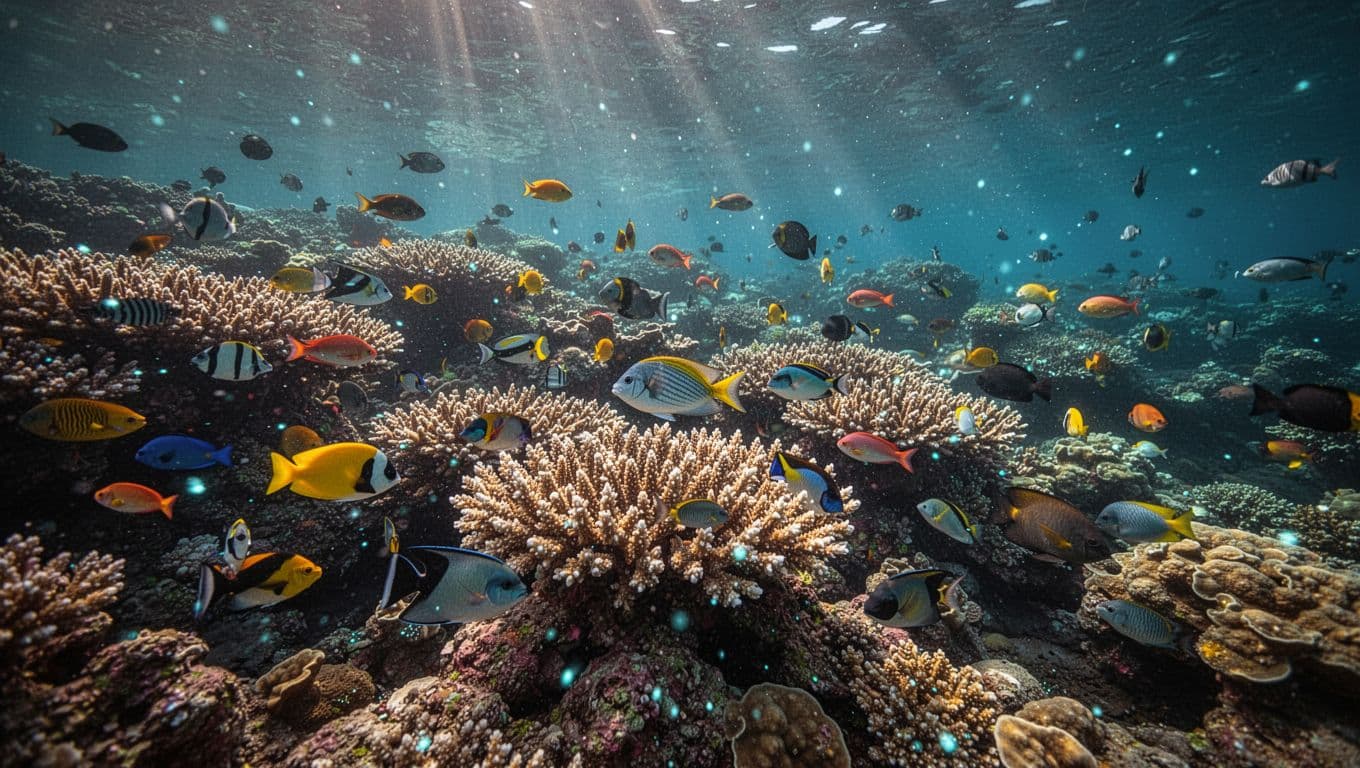
The reef is the prize, but the route you choose matters just as much.
When a guided snorkel makes the most sense
A guided snorkel makes life easier when you want less guesswork and more water time. Kona Snorkel Trips keeps the format small and personal, so you spend less time waiting and more time enjoying the ocean.
That matters if you travel with kids. It also matters if someone in your group feels unsure in open water. A strong guide can help with the small things that often become big things, like gear fit, entry timing, and where the water is calmest that morning.
It also helps when the coast looks different from beach to beach. One spot may be clear and easy, while another feels choppy a mile away. A local crew reads those shifts faster than you can from shore.
If you want to compare options, their Big Island snorkeling tours page gives you a clear place to start. If you already know you want a guided day, you can check availability as part of your planning.
Small-group service, good gear, and local guidance can turn a nervous start into a calm one. That is where a guide earns its keep.
When snorkeling on your own fits better
Going on your own makes sense when you want a slower pace and full control. You decide when to arrive, how long to stay, and when to call it a day. That freedom can feel perfect on a long vacation.
It works best when you already feel steady in the water. You should know how to judge the entry, how to watch for shore break, and how to turn around early if conditions change. If you like making your own decisions, that can be part of the fun.
Self-guided snorkeling also fits a budget-minded trip. You can spend less on one day and save your tour money for something else. That matters if you want to snorkel Big Island more than once and mix a boat day with a shore day.
For a useful baseline, Kona snorkeling tips point to the same habits many local swimmers use: go early, keep your setup simple, and respect the reef. Those basics go a long way.
If the ocean looks borderline, leave on your schedule, not the water’s.
That one choice can save you from forcing a swim that should have stayed on the beach. Clear judgment matters more than stubbornness.
How to read Kona conditions before you leave
The Kona coast can look calm from the road and feel different once you’re in the water. Wind, swell, and visibility all play a part. When you snorkel Big Island beaches, you want to look at the full picture, not just one forecast number.
Morning usually gives you the best window. Water often stays smoother before the afternoon wind picks up. That is why early starts work so well for both guided and self-guided days.
You should also pay attention to where the entry sits. A protected cove and an exposed shoreline are not the same thing. A low surf report does not help much if the wind pushes chop straight across the bay.
A Big Island snorkel guide can back up that same idea, especially when you’re sorting out timing and gear. Good local advice usually points to the same simple rule, go early and keep your plan flexible.
Watch for these signs before you commit to a solo swim:
- White water pushing over the entry.
- Strong wind that chops the surface.
- Murky water after rain.
- A long swim before you reach the reef.
If two or more of those show up, a guided trip usually makes more sense. You’ll spend less energy fighting the water and more energy enjoying it.
Gear and reef habits that make the day easier
Good gear changes the whole experience. A mask that fits well keeps your attention on fish instead of leaks. Fins that feel comfortable make the swim smoother. A rash guard helps with sun and long sessions in the water.
You do not need a huge pile of equipment to enjoy snorkeling Big Island water. You do need a few basics that work well together. A fitted mask, a simple snorkel, and reef-safe sunscreen are the starting point. Add fins if you plan to cover any distance.
If you’re bringing kids, think about comfort first. A flotation aid can help as long as it doesn’t replace supervision. Confidence grows faster when you aren’t wrestling with gear every five minutes.
Reef habits matter just as much as equipment. Don’t stand on coral. Don’t chase turtles. Don’t crowd fish at a cleaning station. Slow kicks and calm breathing help you stay in control and leave the reef alone.
The safest habit is simple, slow movements, steady breathing, and no contact with the bottom.
That approach keeps the reef healthy and keeps your day smooth. It also makes the water feel less busy, which helps you relax and notice more.
Choosing the right day for your trip
Your best choice depends on how you like to travel. If you want everything laid out for you, choose a guide. If you like making your own calls, go on your own. The right answer is the one that fits the way you move through a trip.
Families usually do better with a guide. Fewer decisions mean less stress, and that matters when you’re helping kids with masks, fins, and entry points. A small-group outing also keeps everyone on the same schedule.
Couples often split the difference. A guided morning can give you an easy start, then a quiet lunch or drive afterward. A self-guided afternoon can leave room for a second stop or a slower pace. Either way, the day feels more open when you match it to your energy.
Solo travelers often know what they want. If you’re a strong swimmer and you like quiet water time, going on your own can feel natural. If you want local knowledge without the guesswork, a guide gives you a better safety net.
Budget matters too. A self-guided day costs less, but a tour buys you support, timing, and easier access. That trade can be worth it when you want to snorkel Big Island several times and mix in different kinds of days.
Use your comfort as the main filter. If currents worry you, if you don’t know the entry, or if you want to spend less time planning, a guide is the better call. If all of that feels easy, your own schedule may be the better fit.
Conclusion
The best choice is the one that keeps you calm, safe, and happy in the water. A guide gives you structure and support. A solo day gives you freedom and a slower pace.
If you want less guesswork, go guided. If you already know the coast and want more control, go on your own.
Either way, the smartest way to enjoy snorkeling Big Island is to read the conditions, respect the reef, and pick the day that matches your comfort.