
North Swell and Kealakekua Bay Snorkeling in Hawaii
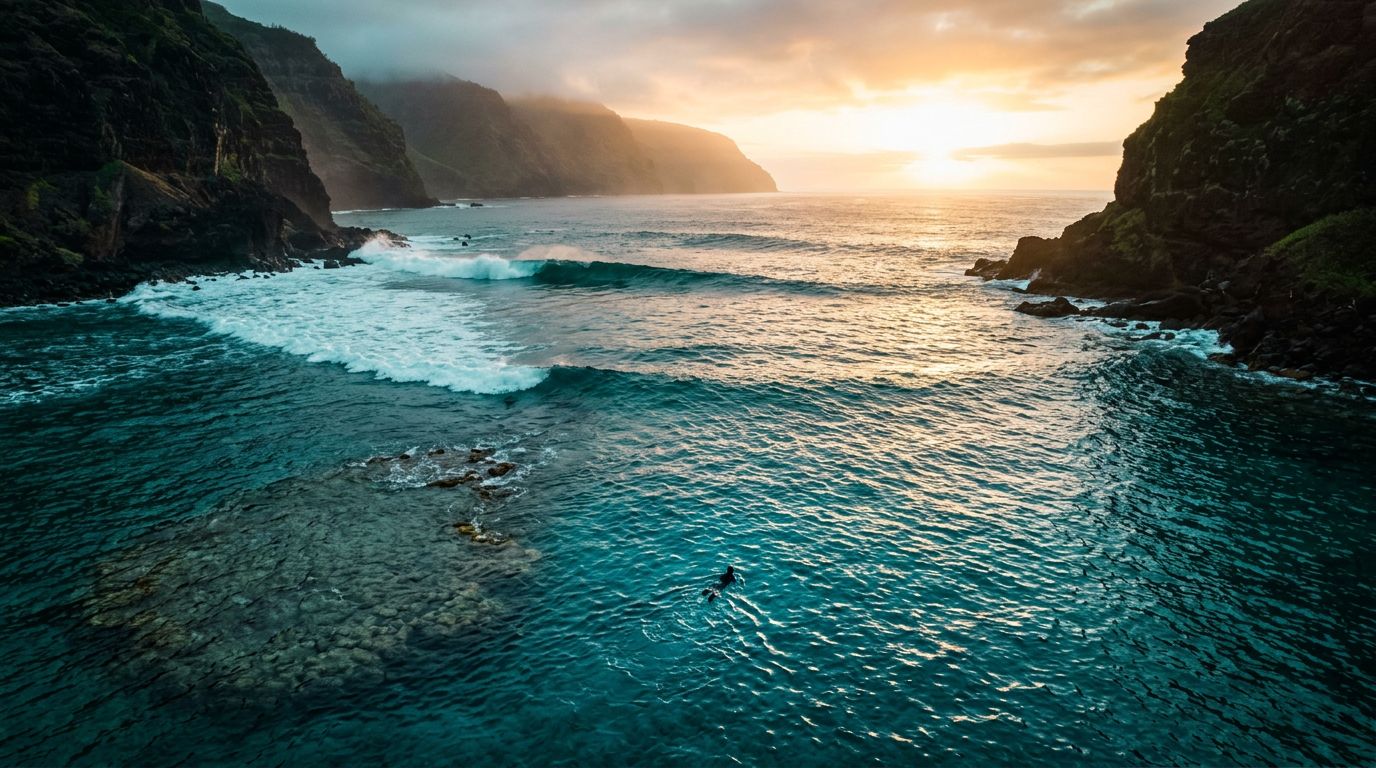
Kona Snorkel Trips watches north swell days closely because Kealakekua Bay snorkeling can change faster than many visitors expect. A calm morning can turn into a choppy afternoon, and the difference shows up in your entry, your visibility, and even your confidence in the water.
That does not mean you should avoid the bay. It means you need to know what the swell changes, what it leaves alone, and when a guided plan makes more sense. Once you can read those signs, Kealakekua Bay becomes much easier to enjoy.
What a North Swell Does at Kealakekua Bay
A north swell starts far outside the bay, usually from storms in the North Pacific. The waves travel a long way before they reach Hawaiʻi, and by the time they arrive, they can feel smooth, long, and powerful.
Kealakekua Bay sits on the Kona side of the Big Island, so it does not face the north swell head-on. That helps a lot. Even so, swell energy can wrap around the coastline, bounce off the cliffs, and create motion at the bay mouth.
That is where the day often changes for you. The water may look manageable from a distance, but the entry area can have more push, more bounce, and more surface chop than you expected. A bay that looks sheltered can still feel unsettled if the swell is strong enough.
You may also notice that the impact is uneven. One part of the bay can feel fairly smooth, while another has a steady roll. That is why two people can look at the same water and give two very different opinions.
For Kealakekua Bay snorkeling, that matters more than the weather on land. Warm air and blue sky do not guarantee easy water.
Why the Bay Can Still Feel Sheltered
Kealakekua Bay has one big advantage, its shape. The cliffs and shoreline help block a lot of open-ocean energy, so the bay often stays calmer than exposed parts of the coast. That is a big reason people seek it out for a day in the water.
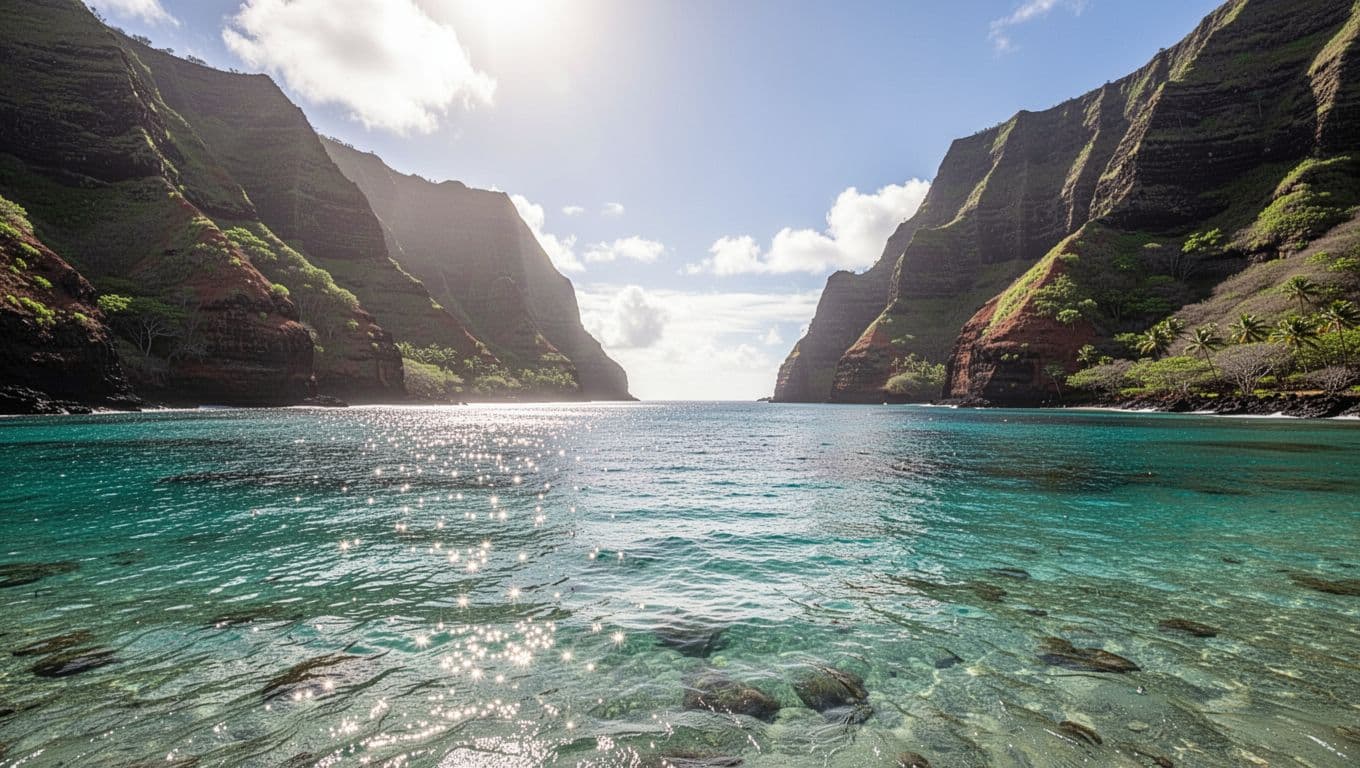
Inside the bay, the water can feel almost still on a good day. The reef, the cliffs, and the bay’s protected shape all work in your favor. Even when a north swell is active, the inner water often stays more usable than nearby open coast.
Still, sheltered does not mean flat every time. The bay mouth is the place to watch first. That is where wrapped swell usually shows up as a little extra lift, a bit of whitewater, or a lumpy surface that keeps moving under you.
If you are planning snorkeling Big Island Hawaii trips around Kealakekua, this is the difference that matters. The bay can be beautiful and safe on one day, then feel busy and tiring on another. It is the same place, but the ocean decides the pace.
How to Read the Water Before You Leave Kona
A quick forecast check goes a long way. For a first look, the Kealakekua Bay waves forecast gives you a simple read on how the surf may behave. For a more local-feeling snapshot, the Big Island snorkel condition report helps you compare what the ocean is doing across the island.
Here is a simple way to think about it.
| Swell level | What you may notice | What it usually means |
|---|---|---|
| Light north swell | Small surface texture, little whitewater | Good odds for a calm snorkel day |
| Moderate north swell | More movement at the bay mouth, some chop | Better with a guide and a morning start |
| Strong north swell | Whitewater, rebound, and a bouncier boat ride | Consider a different day or a different site |
After you check the forecast, look at the shoreline itself. You do not need a surf degree to spot trouble. Whitewater at the bay mouth, moving water around the ladder, and wind stacking on top of the swell are all signs to slow down.
A few other clues help too:
- If the water near shore keeps surging in and out, the entry may feel awkward.
- If the boat is rocking more than you expected, the ride may be part of the problem.
- If the surface looks smooth but the foam line keeps pulsing, the swell is still active.
- If visibility drops near the top layer, the water may be churned up enough to blur the reef.
A calm-looking bay can still have a rough entry point when the swell wraps around the coast.
That is why local reports matter so much. They fill in the gap between a forecast and the real water you see in front of you.
What the Swell Means for Your Snorkel
North swell changes more than the surface. It changes how you move, how long you stay relaxed, and how much energy you spend before you even spot a fish. That is the part many people miss.
If the entry has more bounce, you burn more focus before your snorkel even begins. A simple fin kick can feel harder. A short swim can feel longer. The day may still be good, but it does not feel effortless.
Visibility can shift too. Choppy water stirs the top layer, and that can reduce the clear, glassy look people expect from Kealakekua Bay snorkeling. The reef may still be alive and colorful, but you may need to get your face lower and your eyes more patient.
That matters for families and newer swimmers. If you want to snorkel Big Island with kids, the gap between calm and choppy water feels huge. A mellow morning can keep everyone smiling. A rough entry can turn the same outing into a long checklist of worries.
For confident swimmers, the main issue is comfort. For beginners, it can be control. For both, a north swell often means you should slow down and listen to the water before you enter.
Many visitors planning snorkeling Big Island days want the famous spot, but the best day is the one that fits your skill level. Kealakekua Bay gives you beauty, history, and reef life, yet the swell decides whether those things feel easy or hard to reach.
Better Timing and Smarter Backup Plans
Morning usually helps. Winds often build later in the day, and that extra wind can stack on top of a north swell. If you get in early, you have a better shot at smoother surface conditions and easier visibility.
Season matters too. North swell is more common in the cooler months, when Pacific storms send energy south. That does not mean summer is always calm or winter is always rough. It means you should pay attention, because the ocean does not follow a vacation calendar.
If you are comparing Big Island snorkeling tours, use the forecast first and the brochure second. A great tour on a rough day can still feel like hard work. A good tour on a calmer day can feel easy and memorable.
If your date is flexible, keep one backup plan in mind. A private charter can give you more room to adjust timing, pacing, and site choice. For many travelers, that flexibility is worth it, especially when you are traveling with kids or mixed skill levels.
A north swell also changes how you should think about the whole day. It helps to plan the snorkel as the main event, not an afterthought squeezed between other activities. That way you can shift earlier, later, or somewhere else without losing the day.
Choosing a Guided Tour When the Bay Changes
Kona Snorkel Trips keeps the focus on small groups, careful timing, and guides who know the water. That matters when the sea is changing fast, because a good guide can spot a bouncy entry before you commit to it. The company’s lifeguard-certified team and reef-safe approach also make the day easier for you to relax into.
If you want to see current options, start here.
If your main goal is Kealakekua itself, the dedicated route is easy to compare. The Captain Cook Snorkel Tour gives you the on-water details, and Captain Cook Snorkeling Tours focuses on this bay from a local tour perspective.
That is also where the difference between a public trip and a private one becomes clear. If you want more control over pace, timing, and who joins you in the water, private Kona boat charters give you room to shape the day around your group.
For travelers comparing snorkeling Big Island Hawaii options, that flexibility can matter more than a long list of features. A calmer start, a smaller group, and a guide who reads the swell often beat a crowded schedule.
When You Should Pick a Different Kind of Day
Sometimes the smartest move is to leave Kealakekua Bay for another time. If the north swell is strong, the bay mouth looks active, or the boat ride feels like more than you want, choose a different plan. The ocean will still be there tomorrow.
A private charter can help if you want to stay on the water but change the script. So can a different snorkeling route on the Kona coast if your main goal is easy water rather than a specific landmark.
If you want a completely different style of outing, the Big Island manta ray snorkeling tours are a favorite night option in Kona. The timing is different, the mood is different, and the experience feels nothing like a daytime reef swim.
That kind of backup plan keeps your trip moving even when the swell changes the menu. You still get the ocean. You just choose the version that fits the day.
The Clear Read on North Swell Days
North swell does not erase Kealakekua Bay. It changes how you should meet it. A light swell can leave you with calm water and a great snorkel, while a stronger one can make the entry bouncy and the visibility less clear.
When you check the forecast, watch the bay mouth, and choose the right time of day, you give yourself a much better shot at a smooth outing. That is the real secret to enjoying Kealakekua Bay snorkeling in Hawaii.
If you remember one thing, let it be this: the best day is not always the boldest one. It is the one where the water, your comfort, and your plan line up.