
How Much Walking a Kona Manta Ray Night Snorkel Takes
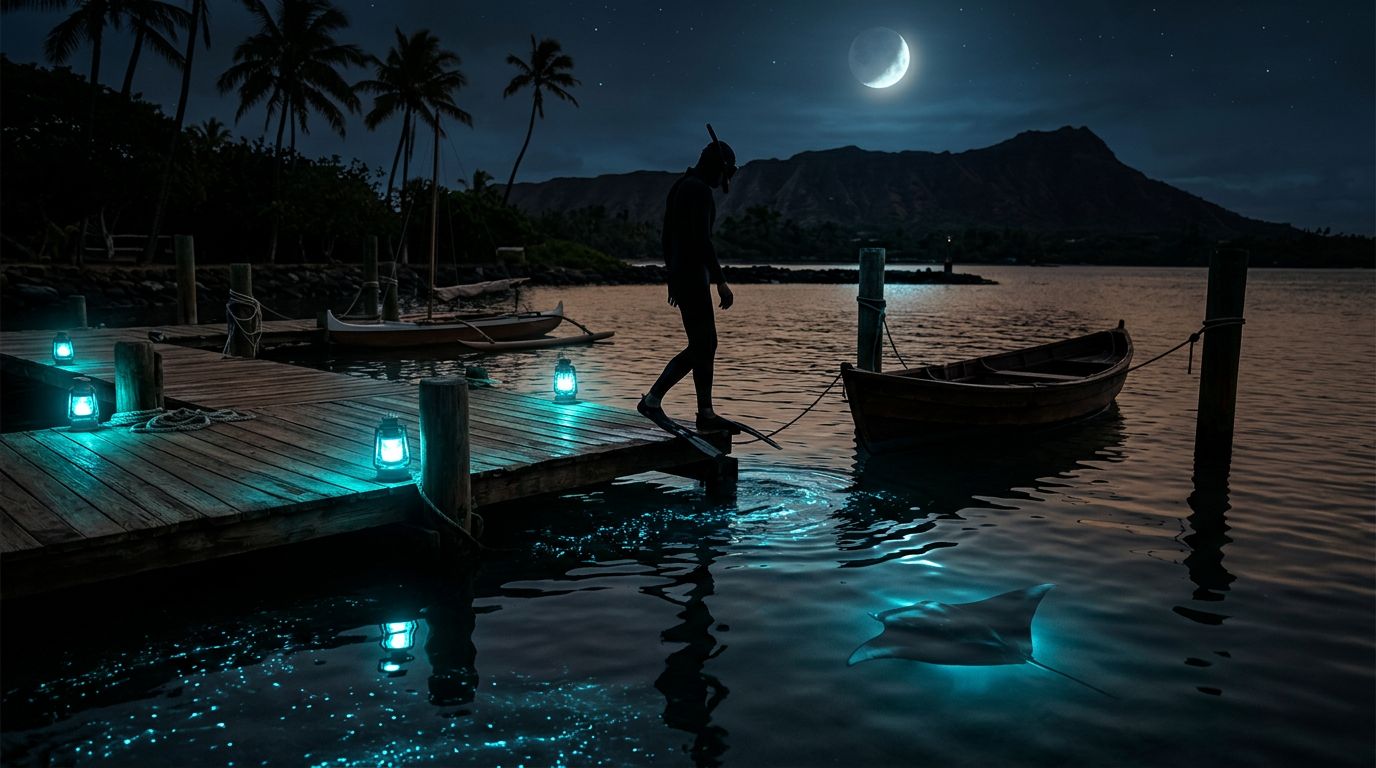
Kona Snorkel Trips keeps the focus on the water, and that matters when you’re trying to figure out how much walking a Kona manta ray night snorkel takes. Most of the effort happens before you ever slip into the ocean, so the real question is less about distance and more about docks, steps, and balance after dark.
If you’re planning snorkeling Big Island Hawaii, the good news is that this kind of tour usually asks for a short marina walk, not a long hike. If you want another dedicated manta option, Manta Ray Night Snorkel is another company built around this experience. Here’s what the walking part really looks like.
The walk is shorter than most people expect
A Kona manta ray night snorkel is a boat trip first, and a walking trip only in small pieces. You are not trekking across a beach or hiking down a trail with fins in your hand. Instead, you usually move from parking to check-in, then from the dock to the boat, and then from the boat back again after the snorkel.
That sounds simple because it usually is. The total distance is often modest, but the setting changes how it feels. A flat dock at sunset can seem longer than it is, especially when you are carrying a towel or watching your step on wet boards. At night, that effect gets stronger.
The best way to think about it is this. The walking is brief, but the surfaces matter. A dry afternoon stroll feels different from a dim marina with moving water, boat lights, and gear in your hands. Still, if you can handle a calm walk and a careful step onto a boat, you are already close to the physical effort needed.
When you snorkel Big Island waters at night, the ocean takes center stage. The walk just gets you there.
What the path to the boat looks like
If your tour leaves from Honokohau Marina, the route usually feels more like a marina stroll than a beach approach. You park, check in, and head toward the dock with your gear. That part is short, but it still helps to move slowly and keep your hands free.
Small details make a difference. A compact bag is easier than a large one. Bare feet, reef shoes, or simple sandals can all work, but whatever you wear should be easy to remove if needed. If you arrive rushed, even a short walk can feel awkward. If you arrive early, the same walk feels easy.
This is also where snorkeling Big Island trips can vary. Some tours feel almost casual from the start, while others ask you to manage more gear before boarding. That is one reason it helps to compare options before you book. If you want to see broader choices on the island, start with Big Island snorkeling tours.
The path itself is not the hard part. The better question is how smooth the transition feels from land to boat. If that part is calm, the rest of the night usually follows the same rhythm.
Boarding is the part you feel most
The shortest walk on the whole trip often leads to the most memorable physical moment, boarding the boat. You step down, hold a rail, and find your footing while the crew helps guide you. That is less about distance and more about timing.
Night makes that moment feel sharper. You see the dock lights, the water, and the deck, but not much else. That is normal. The crew expects it, and the boat setup usually reflects that. Good guides keep things steady, one person at a time, so nobody feels rushed.
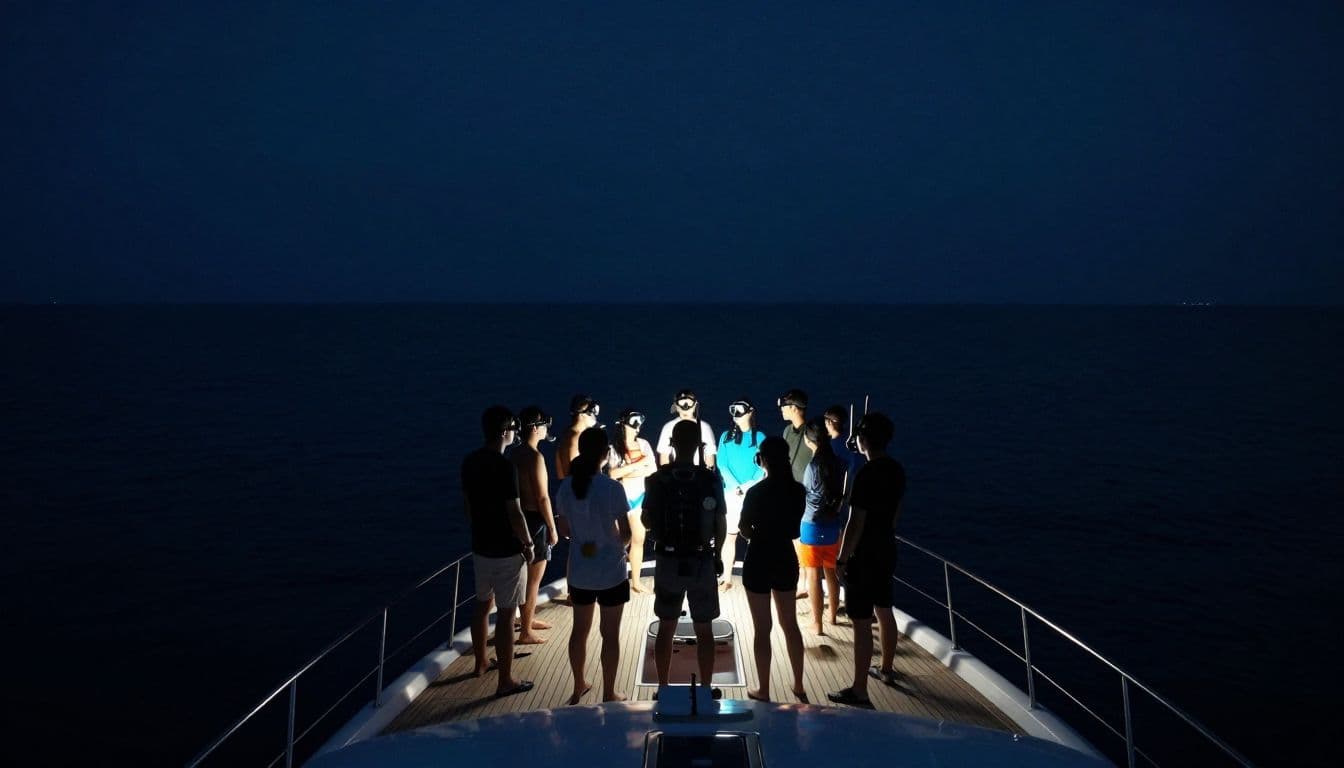
Once you are on board, the real walking stops. You may shuffle a few steps on deck, but the trip quickly becomes about sitting, listening, and getting ready for the water. The ladder back onto the boat can feel more demanding than the dock walk because your feet are wet and your balance changes.
The walk is usually the easy part. The wet ladder and dim deck are what you notice most.
If you are steady on your feet, boarding usually takes only a moment. If balance is a concern, ask about the ladder, handholds, and crew support before you book. That one question can tell you a lot.
A stage-by-stage look at the effort
The easiest way to judge the walking is to break the trip into stages. That makes the physical effort easier to picture before you arrive.
| Stage | What you do | Walking load | What it feels like |
|---|---|---|---|
| Parking and check-in | Walk from your car to the meeting point | Low | Short, flat, and calm |
| Dock transfer | Move from check-in to the boat | Low to moderate | Careful steps, usually brief |
| Boarding | Step onto the deck or use the ladder | Moderate | More balance than distance |
| In the water | Float on the light board and snorkel | None | No walking at all |
| Return to shore | Climb back aboard and walk to the dock | Moderate | Wet feet, slower steps |
The table makes the trip sound neat, and in most cases it is. What stands out is that the walking never becomes a long-distance effort. The harder parts are the transitions. You go from dry land to a boat, then from a boat to the water, then back again.
That is why a night snorkel can feel more physical than a daytime outing, even when the actual walking stays short. The ocean is calm, but your body pays attention to every change in surface and height.
When the trip feels harder than the distance
A short walk is still a real walk if you have balance problems, knee pain, or trouble on wet stairs. The distance may be small, but the setting can still feel demanding. That is why you should think about the whole trip, not only the path from parking to dock.
If you are still building confidence in the water, the swim matters more than the walk. Some tour listings, like this Kona manta tour summary on Tripadvisor, note prior swimming and snorkeling experience. That is a good reminder to read the booking details closely before you reserve a spot.
The in-water part also has its own rules. Manta rays should not be touched or chased, and the best view comes from staying still on the light board. You can see that guidance in this Big Island manta guide. The calmer you are in the water, the less the whole outing feels like work.
If you are planning snorkel Big Island adventures with kids, a partner, or a friend who worries about ladders, talk through those concerns early. The walk may be short, but comfort matters. A short, awkward crossing can feel bigger than a longer one if you are tense.
How to make the walk easier before you book
A few small choices can make the whole night smoother. They do not change the ocean, but they do change how your body feels before the snorkel even starts.
- Pack light so you can move easily on the dock.
- Wear simple footwear you can remove fast.
- Arrive early, so you never feel rushed.
- Tell the crew about knee, hip, or balance issues.
- Ask about ladders and boarding help before you book.
If the trip sounds like a fit, you can check availability once you know your dates. That is especially helpful if you want to match the tour to your comfort level instead of forcing your schedule around it.
You should also think about what you carry. A towel, a small water bottle, and the gear you actually need are enough. Extra items only slow you down. The same goes for clothing. Anything bulky makes a short dock walk feel awkward.
Most importantly, ask direct questions. If you want to know how many stairs there are, whether the crew helps, or whether the ladder is steep, ask before you pay. Good operators are used to those questions, and you will feel better once you know the details.
Picking a manta tour that matches your pace
The right operator matters as much as the distance you walk. A small-group trip can feel calmer from the start because you are not weaving through a crowd on the dock. That matters on a night snorkel, when steady movement feels better than hurry.
Kona Snorkel Trips keeps the experience focused and personal, which helps if you want a shorter, smoother path from land to water. If you want to compare the full lineup before you choose, start with Big Island snorkeling tours. If manta night snorkeling is your main goal, Manta Ray Night Snorkel is another dedicated option worth a look.
If you want the company’s own manta-specific booking page, you can check availability when you are ready. That way, you can choose dates that fit your pace instead of rushing the decision.
A good manta trip should feel organized before you even leave the dock. That is where guides, gear, and timing matter most. When those pieces are in place, the walk fades into the background and the night feels easy to follow.
Conclusion
The walking on a Kona manta ray night snorkel is usually short, simple, and easy to miss when everything goes smoothly. What matters more is how you feel on the dock, on the boat, and on the ladder after dark.
If you are comfortable with a brief marina walk and a careful boarding step, the trip is probably a good fit. If wet stairs, balance, or low light bother you, ask questions before you book so the night starts calmly.
The right snorkeling Big Island Hawaii trip should feel exciting, not stressful. When the walking piece is clear, you can spend your attention where it belongs, on the water, the lights, and the manta rays below.