
How to Stay Warm on a Kona Manta Ray Night Snorkel
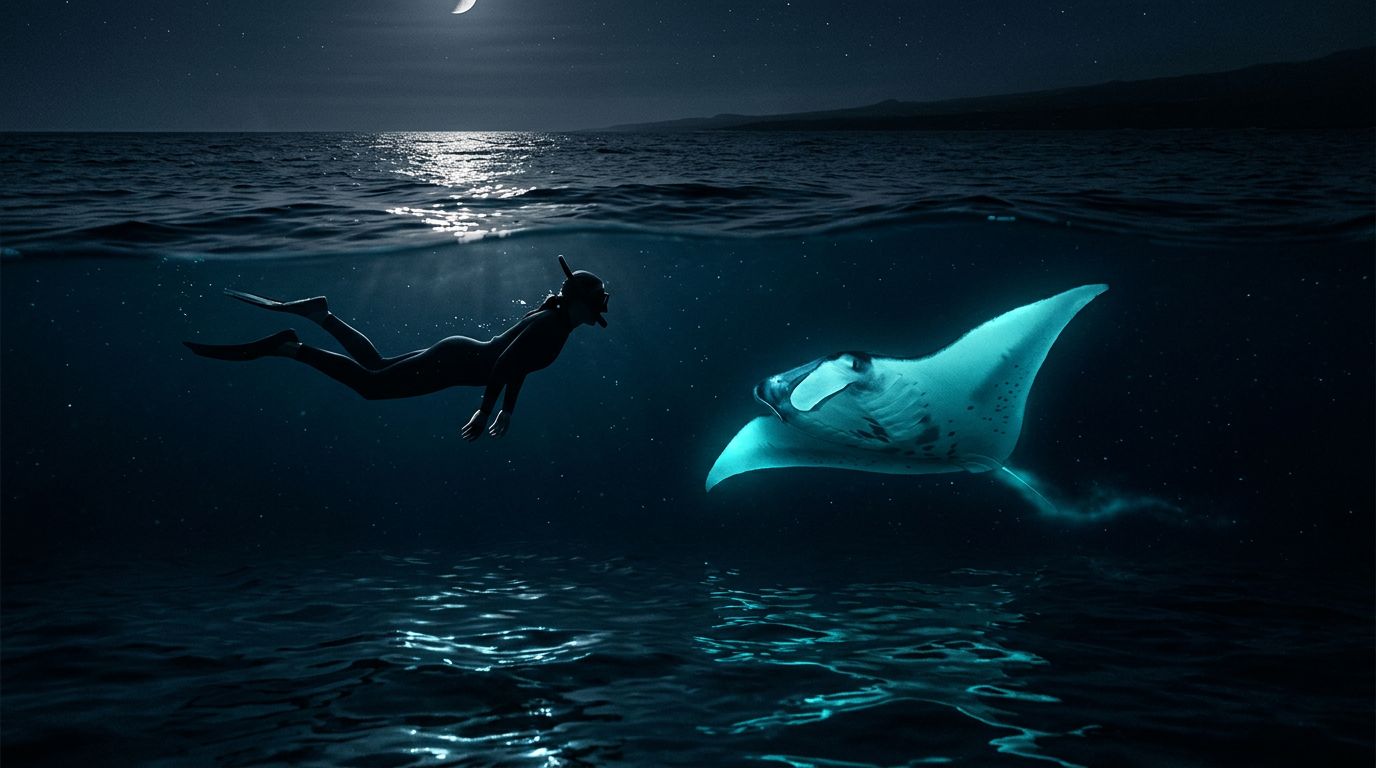
A Kona manta ray snorkel feels unforgettable when you stay warm enough to enjoy it. The water may be tropical, but once the sun drops and the boat starts moving, the chill can sneak up fast.
If you’re planning snorkeling Big Island Hawaii adventures, warmth should be part of the plan from the start. Kona Snorkel Trips is a smart place to begin, and if you’re comparing manta options, Manta Ray Night Snorkel Hawaii is another local trip worth looking at.
The good news is simple. A few smart choices can keep you comfortable before, during, and after the swim.
Why a Kona night snorkel feels colder than you expect
Night changes the feel of the ocean in a hurry. The water itself may not be much colder than during the day, but your body notices the difference because you are less active. Once you stop moving, heat leaves faster.
Wind matters too. The boat ride can feel brisk even when the air temperature seems mild on land. If you have done snorkeling Big Island trips before, you already know the deck can feel colder than the water.
There is another factor many people miss. At night, you spend more time waiting, floating, and watching. That stillness is part of the magic, but it also means you are not generating much body heat.
A warm trip starts before you leave the dock, not after you feel cold.
That is why people who snorkel Big Island waters at night should think like swimmers and sailors at the same time. You want insulation in the water and a dry layer for the boat.
Dress for heat loss, not the daytime forecast
The smartest outfit for a night snorkel is the one that keeps your core warm without making you feel bulky or trapped. In practice, that means a snug wetsuit, a dry cover-up for the boat, and nothing loose under your gear.
A quick reference like how to prepare for a manta ray snorkel makes the same point. Night water feels cooler than people expect, even in a place known for warm seas.
Here is a simple way to think about what works best:
| Condition | Best choice | Why it helps |
|---|---|---|
| You run cold | Full wetsuit | Keeps more of your body insulated |
| The evening is breezy | Dry top or wind layer for the boat | Cuts the chill before and after the swim |
| You want extra comfort | Rash guard under your wetsuit | Adds a thin barrier and helps with fit |
| You get cold fast after swimming | Towel poncho or dry hoodie | Locks in warmth while you change |
The fit matters as much as the fabric. A wetsuit that is too loose lets cool water move in and out. A suit that is too tight can feel distracting and make you tense up.
You also want to dress in layers you can remove easily. That sounds simple, but it matters when your hands are wet and the deck is moving. A dry shirt, light hoodie, or windbreaker can turn the ride back from miserable to easy.
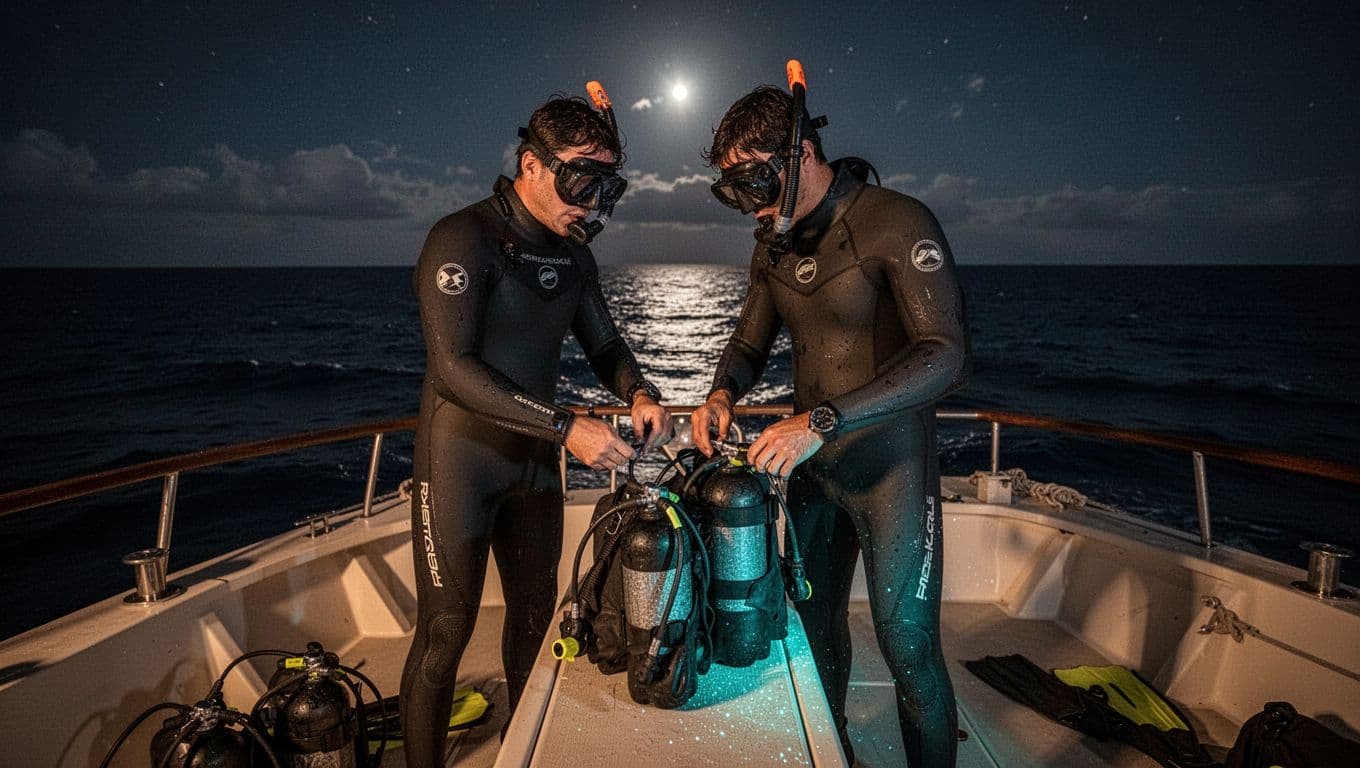
A good outfit does more than protect you from cold. It lets you relax, breathe slowly, and enjoy the manta rays instead of thinking about your teeth chattering.
The small gear choices that stop the chill
Some of the best warmth tricks are tiny. They do not look exciting, but they make a real difference on the water.
A few pieces are especially useful:
- A towel that actually dries you helps more than a thin beach towel.
- A dry bag keeps your spare shirt and phone from getting damp on the boat.
- A wind layer is useful the second you climb back aboard.
- Warm socks for after the trip help if your feet get cold easily.
- A hair tie or cap keeps wet hair from turning into a cold draft on your neck.
Hands and feet lose heat fast. If you tend to get chilled, ask whether extra thermal gear is available before you go. Even a small change, like keeping your neck covered on the boat, can make the whole trip feel easier.
A lot of people focus on the water temperature and forget the air temperature. Yet the breeze on the deck is often what ends the comfort first. That is why a dry top matters as much as the wetsuit itself.
If you want a simple rule, use this one. Keep your skin covered, keep your core dry when you can, and avoid standing around in wet clothes longer than needed.
Warm up before you get in the water
Preparation starts hours before the manta rays appear. Eat a light meal, drink water, and give yourself enough time to arrive without rushing. A hurried start leaves you tense, and tension makes cold feel worse.
Try not to show up hungry. At the same time, skip heavy food that makes you sluggish. A sandwich, fruit, or a light snack usually works better than a big meal.
Alcohol is a bad idea before a night snorkel. It may make you feel loose at first, but it can leave you colder and less steady later. Water and a little salt are better choices.
Give yourself a few minutes to move around before you enter the ocean. Gentle walking, stretching, or just stepping away from the wind can help your body settle. If you are with family, keep kids in dry clothes until the last safe moment.
You also want to change at the right time. If you put on your wetsuit too early and sit around, you can sweat. Then that sweat cools the skin and works against you. Better to dress when the crew tells you it is close to entry time.
For people who get cold easily, this section matters a lot. If that sounds like you, bring extra dry layers and speak up early. A good crew can help you plan the timing so you are not standing in the wind longer than you need to.
Stay comfortable once you’re floating with the manta rays
When you are in the water, the goal is to stay calm and still enough to conserve heat. Big splashes and constant movement do more than waste energy. They also bring fresh cool water across your skin.
Use the float board, listen to your guide, and keep your breathing steady. The more relaxed you are, the less energy you burn. That helps you stay warm and keeps the experience smooth.
A small-group trip can make a big difference here. On a well-run guided manta ray snorkeling adventure, the crew can keep the pace organized so you spend less time waiting in the water. If you want to compare options first, start with best Big Island snorkeling tours.
If you want a more flexible pace, private Kona boat charters can also help. That can be a good fit for families, cautious swimmers, or anyone who wants a calmer rhythm.
If you’re planning a manta trip soon, you can check availability before your dates fill up.
If you start to feel cold in the water, tell the guide early. Do not wait until you are shivering hard. A crew that knows you are cold can help you adjust sooner, and that keeps the rest of the night more comfortable.
Why the right tour provider makes warmth easier
The tour you choose affects how warm you feel before you ever touch the ocean. Small groups, clear gear prep, and a smooth boarding process all help. That is where Kona Snorkel Trips stands out. The company uses a reef-to-rays approach, lifeguard-certified guides, and custom lighted boards that are built for night snorkeling comfort.
If you are comparing manta trips, Manta Ray Night Snorkel Hawaii is another local option to review. Even then, pay close attention to how each operator handles gear, timing, and group size. Those details shape your comfort.
The company review matters too, because a warm and well-managed launch usually means less time waiting in wet clothes. Kona Snorkel Trips has built a strong reputation around small groups and careful service, which is exactly what helps on a cool evening at sea.
If you want a standard booking option, you can check availability for a Kona snorkel tour.
That kind of setup is especially helpful when you snorkel Big Island waters with kids, first-timers, or anyone who gets cold fast. A crew that keeps things organized reduces waiting, and less waiting usually means more warmth.
Warm up fast after you climb back on board
The first few minutes after the swim matter. As soon as you get back on the boat, dry your face, neck, and chest. Those are the spots that cool down first.
Put on dry clothes as soon as you can. Even if you still feel excited, do not sit around in a wet swimsuit longer than needed. A dry shirt, hoodie, or towel wrap can bring your comfort level back up fast.
If the crew offers a warm drink, take it. If they do not, pack water for the return ride. Hydration helps more than many people expect, because being dry and hydrated makes your body handle the cool air better.
This is also the moment to deal with your hair. Wet hair dripping down your back can keep you cold on the ride in. A towel or cap takes care of that quickly.
People who do snorkeling Big Island trips at night often talk about the rays first, but the ride back can shape the memory just as much. If you feel good after the swim, the whole evening feels better.
A simple pre-trip checklist you can use
Before you leave for your manta night snorkel, make sure you have the basics covered:
- A snug wetsuit or the suit provided by your tour
- A dry shirt or hoodie for after the swim
- A towel that dries fast
- Water and a light snack
- A dry bag for phone, keys, and extra clothes
- A wind layer for the boat ride
- A hair tie, cap, or beanie if you like extra warmth
If you are planning snorkeling Big Island Hawaii adventures with other people, share this list with them too. It saves time, and it keeps the whole group more comfortable.
One last detail matters a lot. Pack your warm layers where you can reach them fast. If they are buried under bags, you will stand around cold while you dig for them.
Conclusion
The warmest Kona manta ray snorkel is the one you prepare for before sunset. When you dress for heat loss, bring dry layers, and choose a small-group setup, the cold fades into the background.
That leaves room for the part you came for, the quiet glow of the light board and the manta rays sliding past in the dark. When you plan well, the water feels inviting instead of sharp, and that changes the whole night.