
Kona Manta Ray Weight Limit: What to Check Before You Book
If you want to snorkel Big Island after dark with Kona Snorkel Trips, the Kona manta ray weight limit is one of the first details you should check. The number affects more than booking. It can change how steady the boat feels, how easy the ladder is to use, and how well your gear fits.
For many travelers planning snorkeling Big Island Hawaii trips, that small line in the trip notes decides whether the night feels calm or stressful. This guide helps you read it with confidence before you book.
Why the Kona manta ray weight limit matters
The limit is there for balance, comfort, and gear fit. A lighter or heavier guest changes how a small boat sits in the water, and it can also affect ladder entry after the snorkel.
Kona manta trips often use small-group boats, so every guest matters. That is one reason safety-focused operators pay close attention to the details before you board.
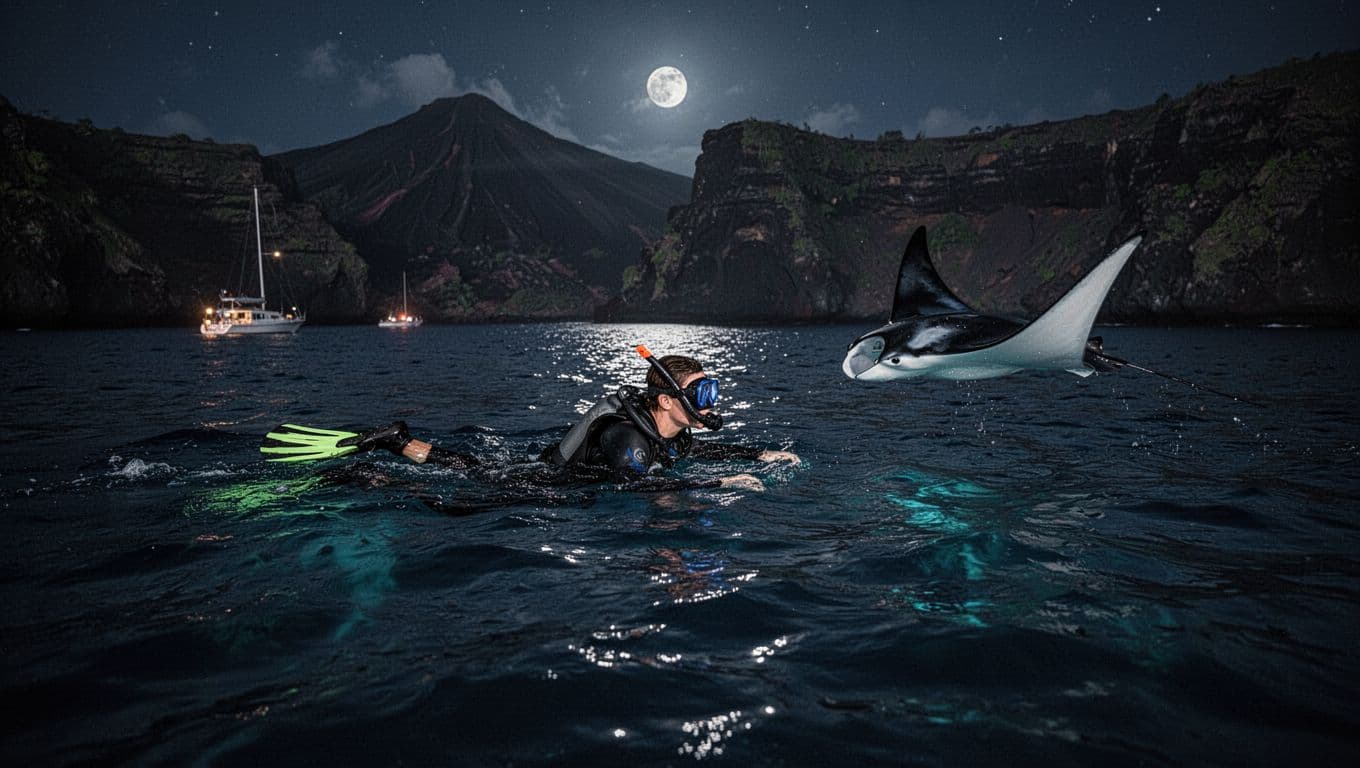
The best manta night is one where you feel steady before you even hit the water.
When you read a trip listing, think beyond the number itself. Your swim ability, your comfort in dark water, and your ability to board the boat matter too.
What tour listings usually mean by “weight limit”
Recent tour notes show that limits can sit in a fairly tight range, often around 250 to 285 pounds, but each operator writes its own rules. Some focus only on the maximum weight, while others also care about swimming skill, ladder use, or health limits.
If you want to check availability on a broader reef trip, read the trip notes first, then decide if the fit makes sense. For a current policy snapshot, this manta tour policy summary is a useful comparison point. It shows how much detail can shift from one operator to the next.
If you are comparing manta-focused brands, Manta Ray Night Snorkel Hawaii is another option to review. The point is simple, do not guess. Read the rules before you pack your towel.
If you want the exact trip notes for Kona Snorkel Trips, use their manta ray tour requirements page before you book.
Booking with Kona Snorkel Trips
Kona Snorkel Trips keeps the experience personal. The boats stay small, the guides are lifeguard certified, and the gear is picked for night use. That setup helps if you want a smoother start and fewer surprises at check-in.
If you want to compare broader reef options before you book the manta trip, check availability on the main tour page first.
That review snapshot helps you see how other guests talk about the company. It matters here because comfort and trust are part of the decision.
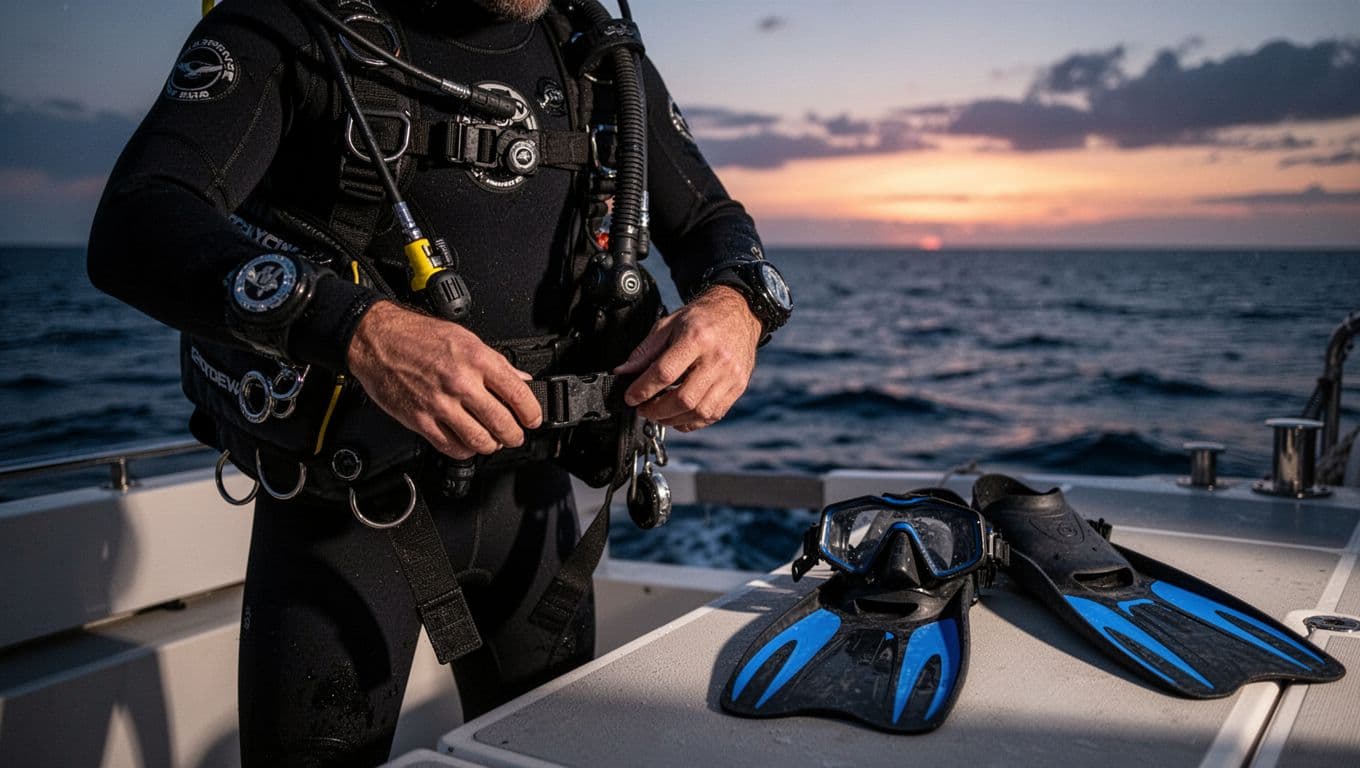
For the manta-only night snorkel, check availability before you lock in your date.
Families, beginners, and larger guests
Weight limits matter differently for different travelers. If you are near the cutoff, or if you tire easily in the water, ask how the crew handles boarding and flotation.
Families should also look at age rules, swim comfort, and whether everyone can handle a night entry. The trip should feel organized before the boat leaves.
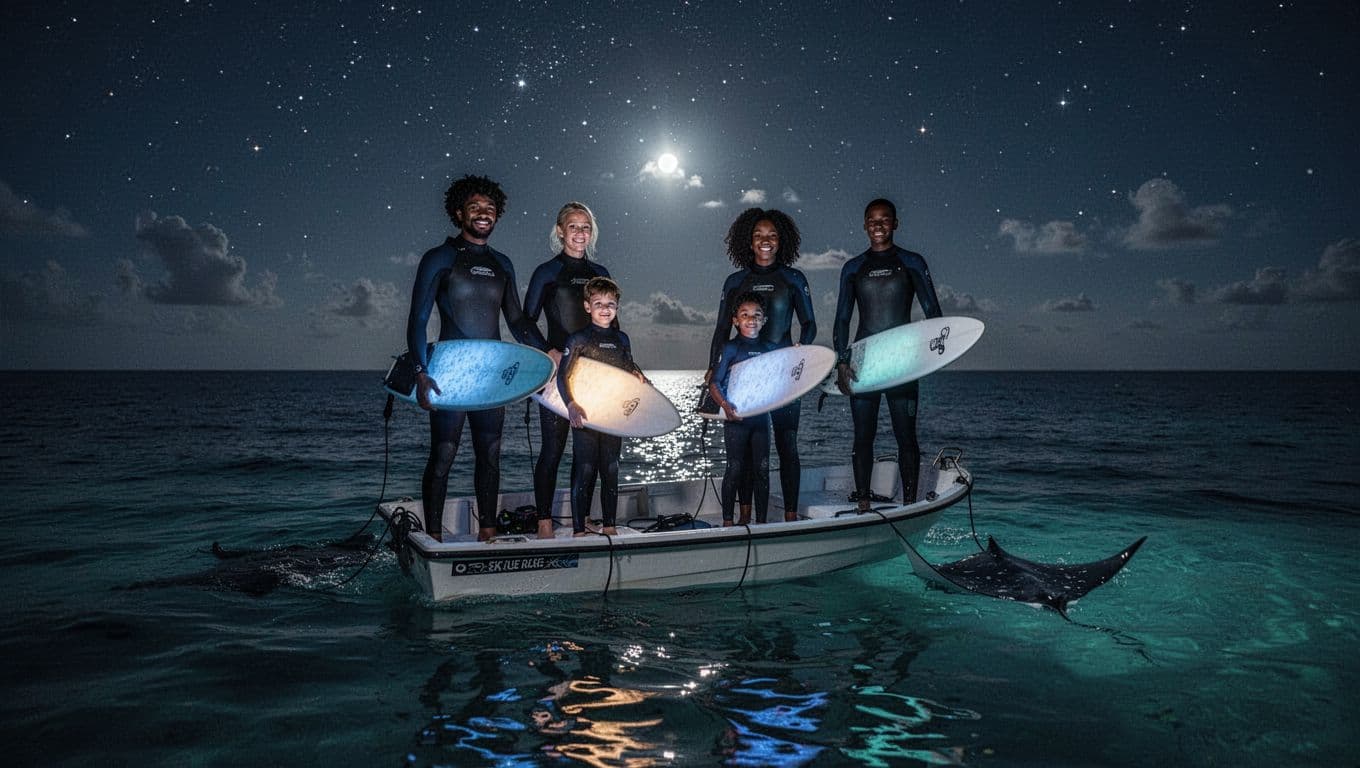
For kids and teens, smaller bodies are only one part of the picture. Confidence in the water matters more. For larger adults, the key question is whether the boat setup and ladder entry feel comfortable. The manta rays do not care about size, but the boat crew has to plan for every guest.
If you are booking snorkeling Big Island adventures with family, the best fit is the one that matches the least confident swimmer in the group. That choice keeps the whole night easier.
A simple pre-booking checklist
Use this quick list before you pay:
| Question | Why it matters |
|---|---|
| What is the exact max weight? | Limits can vary by boat and gear. |
| Can you swim comfortably at night? | Some tours expect more than a casual float. |
| Do you need to climb a ladder? | Entry and exit can be the hardest part. |
| Is flotation provided? | This changes comfort and energy. |
| Are there health restrictions? | Back, neck, heart, pregnancy, and mobility rules are common. |
If any answer feels uncertain, ask before you book. That one step can save you from a rough night.
Conclusion
The Kona manta ray weight limit is a practical safety check, not a test of whether you deserve the trip. Once you know the number, the rest is easier to sort out.
If you can swim well, board the boat safely, and fit the gear without strain, you’re in a much better spot. Good snorkeling Big Island plans start with honest details, and that is what keeps the manta night fun.