
Kona Manta Ray Night Snorkel Tips for Bad Knees

Bad knees do not have to cancel a manta night in Kona. When you search for snorkeling Big Island Hawaii options, the hard part is often not the water. It’s the walk, the ladder, the ladder again, and the awkward twist nobody warned you about.
Kona Snorkel Trips makes that easier with small-group trips, lifeguard-certified guides, and gear that’s set up for comfort. If you want another manta-focused option to compare, Manta Ray Night Snorkel is a helpful name to know before you book.
The right plan protects your knees before you ever step on the boat. Start there, and the rest gets much simpler.
Start with the gentlest entry you can find
A good manta trip for you starts with the easiest way in and out of the water. A boat-based night snorkel is usually kinder to sore knees than a beach entry over lava rock or sand.
This matters because the ocean itself is not the hard part. The stress comes from standing on uneven ground, climbing too fast, and trying to hurry when your legs already feel stiff.
Here’s a quick way to compare common entry styles:
| Entry style | Knee load | Best for |
|---|---|---|
| Boat ladder with crew help | Low to moderate | Most manta night trips |
| Dock boarding with a short step | Low | Travelers who want less climbing |
| Beach entry over sand | Moderate | Strong walkers who like shore access |
| Lava rock approach | High | Usually not ideal for bad knees |
A boat ladder is still a ladder, so you want one with steady rails and a crew that slows things down. That is one reason many travelers choose Big Island snorkeling tours with a small-group setup instead of a crowded, rushed ride.
Kona Snorkel Trips keeps that experience personal and focused on safety, which matters when your knees need a quieter pace.
The smoothest trip is the one that gives you time to breathe, sit, and move without pressure. If the boarding step already feels wrong, keep looking.
Set up your body before you leave shore
Your knees do better when you arrive relaxed, not already tight from the day. That starts hours before the boat leaves.
Give yourself a slower afternoon if you can. A long hike, a hard bike ride, or too much time on your feet can leave your joints irritated before the snorkel even begins. A short nap, a light meal, and a calm pace help more than pushing through fatigue.
If you already use knee support, bring it. A brace, sleeve, or insert you trust is better than trying something new on vacation. You also want shoes with grip, because a wet dock can make anyone move awkwardly.
A few simple habits make a difference:
- Warm up with a short walk and easy bends before you head out.
- Drink water early, because dehydration can make muscles feel tight.
- Keep your bag light so you are not hauling extra weight.
- Tell the crew about your knees before you board.
- Ask where you should sit if you need a lower step.
If you want a daytime snorkel plan that is easier on the joints, this Captain Cook snorkeling guide for travelers with bad knees is a good companion read. The same idea applies there too, choose the route that reduces strain before you enter the water.
Your goal is simple. You want your first real effort to happen in the ocean, not on the dock.
Board, ladder, and move at your own speed
The boat is where many bad-knee travelers tense up for no reason. You can save a lot of strain by moving slowly and letting the crew do part of the work.
Use your hands more than your legs. Hold the rail, step one foot at a time, and pause when you need to. If you feel stable sitting before you stand, sit first. That small pause gives your knees a break and helps you avoid the quick, twisting motion that tends to cause trouble.
The best setup is the one that lets your legs stay calm while the ocean does the entertaining.
That line sounds simple, but it changes the whole night.
When it’s time to put on fins, ask for a seated spot. You do not need to hover on one leg while fumbling with gear. You also do not need to rush because everyone else is moving. A good crew will expect you to take your time.
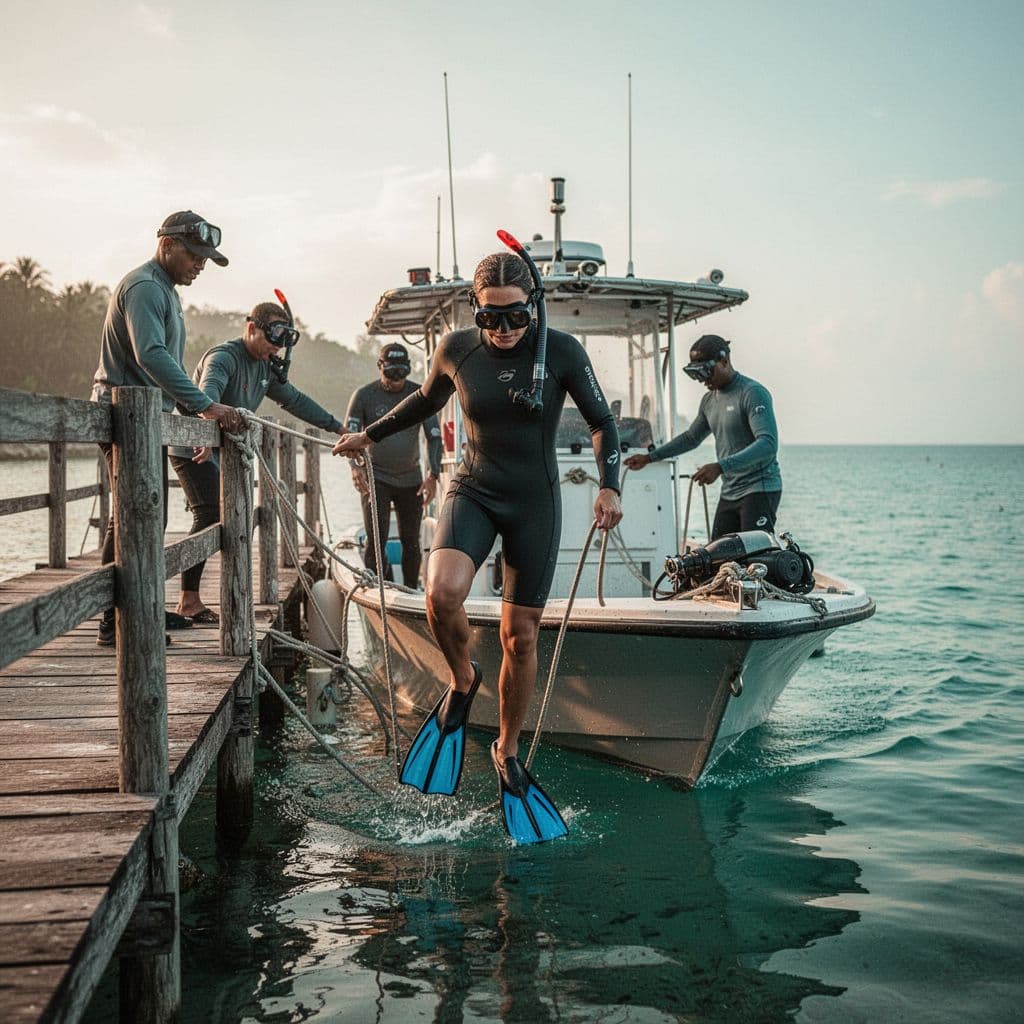
If you know your knees hate stairs, ask where the easiest entry point is before the trip starts. That one question can save you a lot of pain later.
Pack for comfort, not for style
A good bag can make the night feel easier before you ever step on the boat. You do not need much, but the right few items matter.
Bring what helps your body stay stable, dry, and warm. Night water on the Big Island can feel cooler than people expect, so a little extra comfort goes a long way.
Use this as your quick packing list:
- A towel poncho or roomy towel so you can dry off without balancing on one foot.
- Reef-safe sunscreen for your daytime hours, because the night snorkel usually comes after a day in the sun.
- A rash guard or light top if you get cold fast.
- Your usual knee support if you already wear one.
- A small dry bag for anything you do not want bouncing around on deck.
- Slip-resistant sandals for the dock and marina.
A snug mask also helps. If your mask fits well, you spend less time adjusting gear and more time resting. That matters when your body is already working around pain.
A lot of travelers focus on fins or cameras and forget the basics. Your knees notice every small annoyance, especially when you are tired. The less you carry, the easier it is to move.
The goal is not to pack for every possible problem. It is to remove the little tasks that make your knees work harder than they need to.
Let the manta snorkel do the work
Night manta snorkeling is one of the few ocean activities where stillness is part of the appeal. You are not chasing fish or covering long distance. You are floating, watching, and letting the mantas come to the light.
That is good news for bad knees. You do not need a hard kick. You do not need to swim fast. You need a steady hold on the floatation board and a calm body in the water.
Kona Snorkel Trips designs its manta experience around that idea, with custom-lit boards and guides who keep the setup organized. If you want to compare the tour itself, the manta ray snorkel Kona page gives you the full picture.
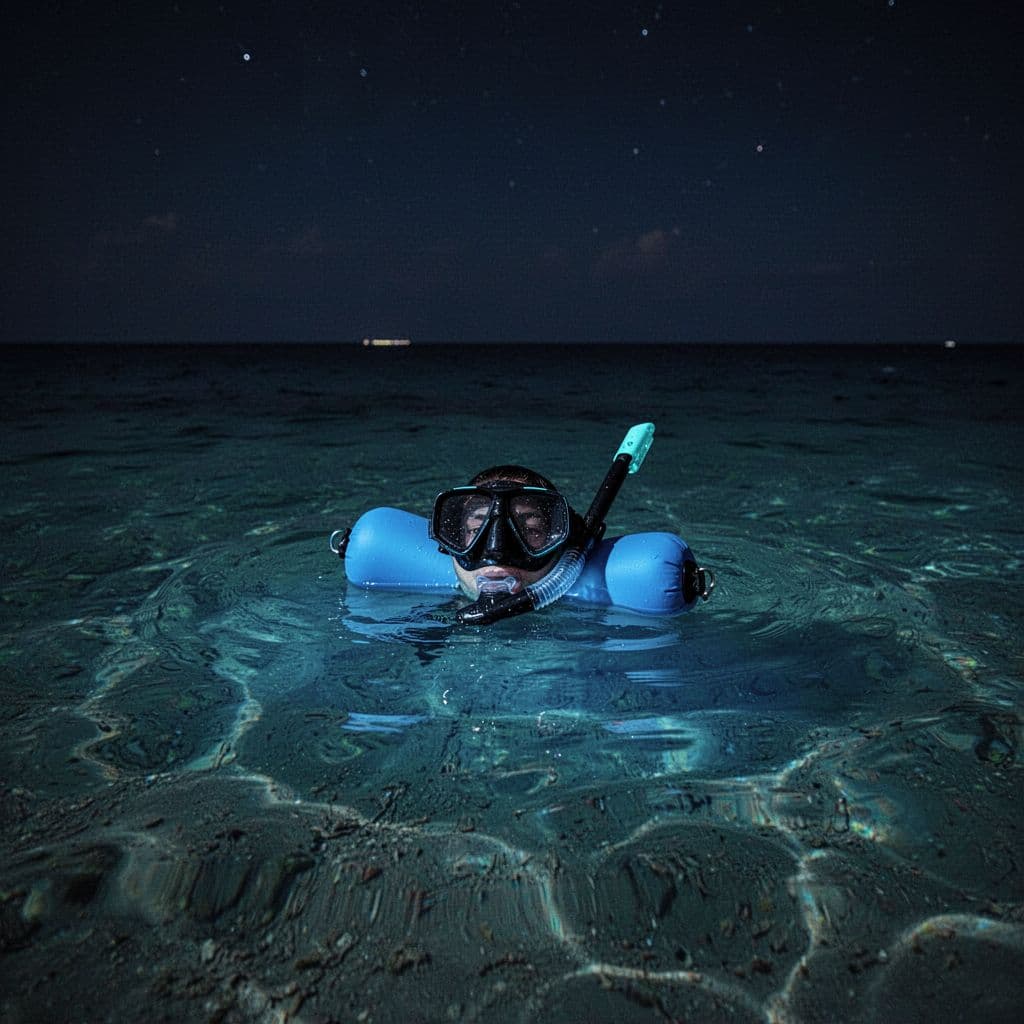
Keep your knees loose while you float. If one side cramps or starts to ache, roll slightly, reset your position, and ask for help if you need it. There is no prize for staying uncomfortable.
You also want to keep expectations simple. A great manta night is not about how far you swim. It’s about how calmly you can stay in place and enjoy the show.
Choose the crew that gives you space
Bad knees and rushed tours do not mix. The right crew gives you room to move slowly, ask questions, and settle in without feeling watched.
That is where a private charter can be worth it. If you want a softer pace, fewer people around you, and more control over timing, private Kona boat charters make a lot of sense. You can build in extra boarding time, more deck space, and more flexibility if your knees need a pause.
Private trips also help when you travel with family. Someone can help you with gear, and you do not have to keep up with a larger group. If you need to sit longer before entering the water, that’s easier too.
Kona Snorkel Trips keeps the whole experience small and personal, which is one reason it works well for guests with mobility limits. The crew can pay closer attention when the group is not packed shoulder to shoulder.
You do not need to choose the fanciest trip. You need the one that removes friction. Less friction means less twisting, less hurry, and fewer sore joints the next morning.
That same logic helps with daytime plans too. If you want an ocean day without another swim, seasonal whale watching tours in Kona are easier on your knees and still keep you out on the water.
Make the rest of your Kona week easier
A smart trip plan gives your knees a break between active days. That matters because a manta night feels better when it is not packed next to a hard hike or a full day of walking on uneven ground.
When you plan snorkeling Big Island days, leave room for recovery. A slower morning after your night snorkel helps more than another early start. You can spend that time at the beach, by the pool, or on a deck chair with a view.
If you want to balance one adventurous night with another low-strain ocean outing, mix in a gentle day activity. A calm boat ride, a scenic shoreline drive, or a shorter snorkel plan can keep the vacation moving without punishing your knees.
For travelers who want a direct comparison before choosing, the same question usually decides it. Do you want to stand, climb, and walk more, or do you want the ocean to do most of the work for you?
A manta night works well when you pick the second option.
Conclusion
Bad knees do not rule out a Kona manta ray night snorkel. They just mean you need a better setup, a slower pace, and a crew that respects your limits.
If you choose an easier entry, pack for comfort, and let the floatation board do its job, you can enjoy the night without overthinking every step. The best trips feel smooth before you hit the water, not after you are already sore.
When your knees stay calm, the whole experience opens up. That’s when the manta lights, the dark water, and the quiet glide of the night get to do what they came for.