
Shared Tour Etiquette for a Kona Manta Ray Night Snorkel
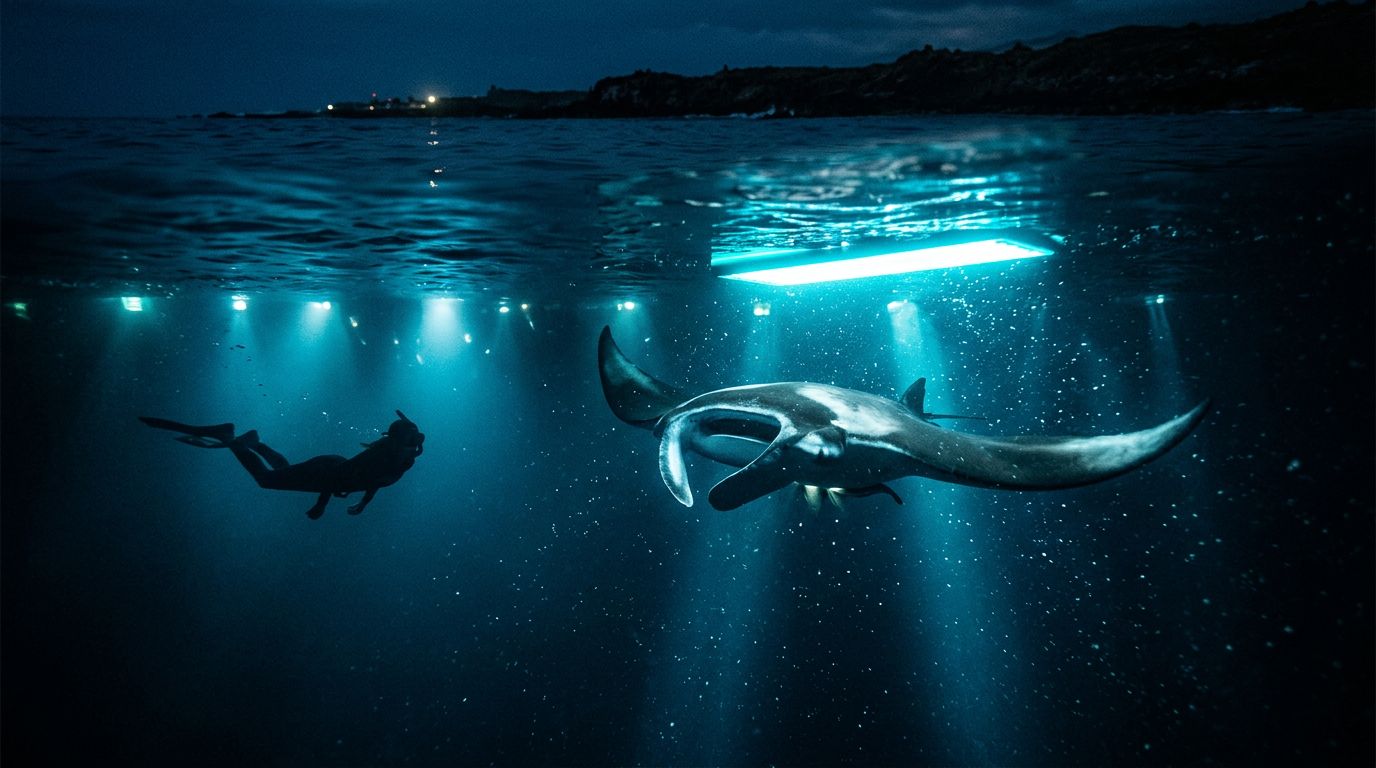
A Kona manta ray night snorkel feels magical, but the smoothest nights depend on simple manners in the water. If you join a trip with Kona Snorkel Trips, or compare it with Manta Ray Night Snorkel Hawaii, you’ll see the same pattern: calm guests make the whole encounter easier for everyone.
That matters because you share the same light board, the same entry, and the same view. When you know how to move, where to wait, and when to stay still, you give the mantas more room and your group a better experience.
Key Takeaways
- Move slowly, keep your fins low, and avoid sudden splashes that can crowd other swimmers.
- Treat the light board, ladder, and boat deck as shared space, because everyone needs room to move.
- Never touch, chase, or block a manta ray, and keep your hands off coral and rock.
- Good etiquette matters even more if you’re comparing snorkeling Big Island Hawaii options or you already snorkel Big Island often.
- Clear crew instructions, small groups, and patient behavior turn a busy outing into a relaxed one.
Why shared manta tours need a little extra care
A shared night snorkel is close, dark, and active all at once. That mix changes how you should behave compared with a daytime beach snorkel. You aren’t spreading out across a reef. You’re floating in one zone with a cluster of other people, a bright light source, and animals that respond to motion.
Because of that setup, your smallest choices matter. A wide kick can bump another swimmer. A sudden dive can cut across someone’s line of sight. Even talking too much can pull attention away from the guide’s directions. You don’t need to be silent or stiff, but you do need to be deliberate.
If you want a sense of how a well-run guided Kona snorkeling tour is organized, look for a crew that gives clear instructions before anyone enters the water. Good structure helps everyone relax. It also keeps the shared space predictable, which is exactly what a night encounter needs.
That is the real point of etiquette here. You are not trying to impress the group. You are trying to make the whole water column feel calm enough for manta rays to glide through it.
A shared tour also means you are part of someone else’s memory. The family beside you may be here for a once-in-a-lifetime trip. The couple on the other side may be nervous in the dark. When you move with care, you help them settle in too.
How to move in the water without crowding anyone
The cleanest swimmers are usually the quietest ones. They don’t rush, they don’t splash, and they don’t surge forward when they see movement below. Instead, they keep their body flat, their kicks small, and their attention on the guide.
Start with your entry. Step in only when the crew tells you to, then hold yourself steady before you begin to swim. If you enter with a big splash, you send a wave through the group and lose your own balance. A slow entry gives you time to adjust your mask, your snorkel, and your breathing.
Once you’re in position, keep your fins below the surface. High, choppy kicks send spray into the faces next to you. They also make you drift faster than you mean to. A gentle flutter kick keeps you in place and leaves more room around you.
A simple rule helps here:
If you can touch another swimmer with your fin, you’re too close.
Spacing matters most near the board and along the outer edges of the group. If the current nudges you sideways, correct with one or two small kicks instead of a big twist. That keeps you from cutting across someone else’s view.
It also helps to wait for your turn when the crew gives directions. If the guide wants one row to settle before the next person moves, let that happen. You don’t gain anything by being first. You do gain a calmer, safer night by being patient.
A few habits make the difference:
- Enter and exit only when the guide points you in.
- Keep one hand free and avoid grabbing another swimmer’s gear.
- Use slow, compact kicks instead of wide bicycle motions.
- If you drift, correct gently instead of lunging back into place.
Those habits sound small, but they change the tone of the whole outing. The water feels less busy, and everyone sees more.
What to do around the light board and the boat
The light board is the center of the experience, so it deserves the same respect you’d give a front-row seat at a concert. You don’t take over the whole stage, and you don’t block the people beside you. You hold your spot, keep your body streamlined, and let the light do the work.
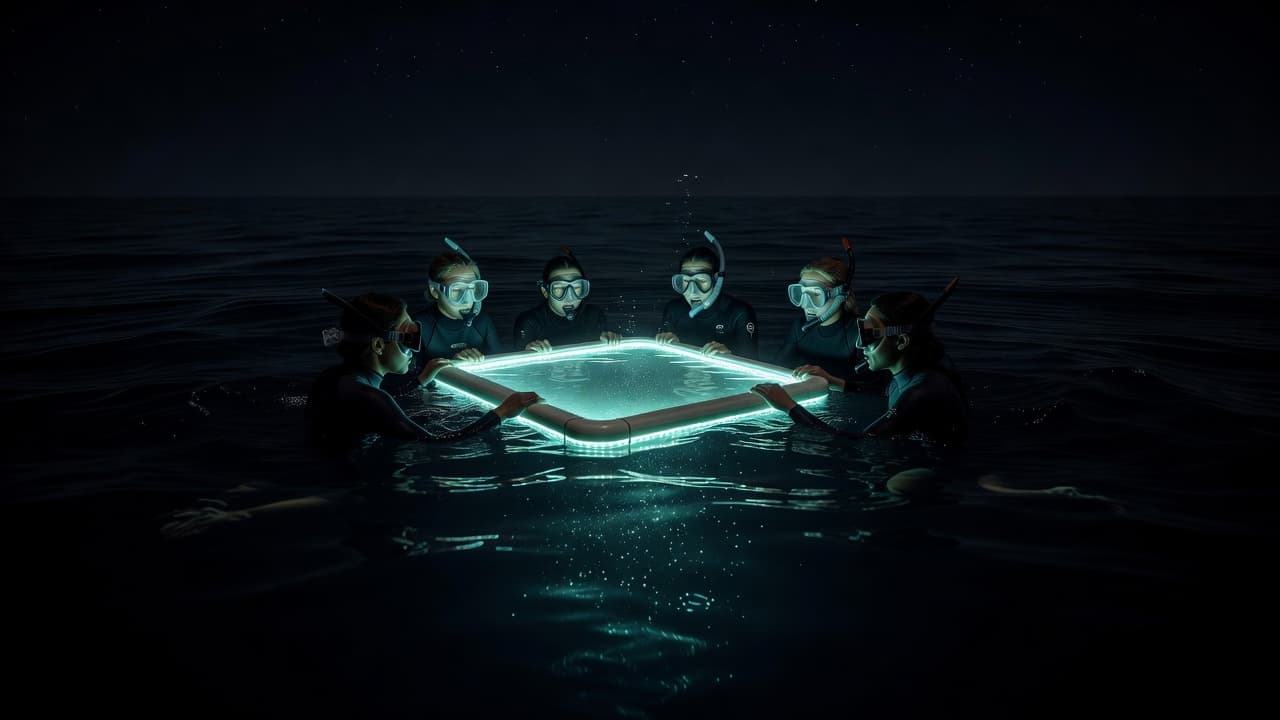
The board is shared space, not your private lane. If you slide too far across it, you take light away from someone else. If you lean your chest over the edge, you make it harder for the person next to you to hold a steady position. The best move is usually the simplest one, stay where the crew placed you and keep your body level.
The boat deck works the same way. Gear gets in the way fast at night, so keep your fins, mask, towel, and camera where the crew tells you to keep them. Don’t leave straps loose or blocks of gear where someone can trip. A tidy deck makes boarding smoother, which matters after a cold swim and dim lighting.
The crew also needs room to work. They will watch the board, the swimmers, and the water at the same time. If they ask you to shift, move right away. That is not a minor request. It is often the thing that keeps the whole group aligned.
A good shared tour feels almost like a backstage team effort. You are there to enjoy the show, but you are also helping the stage stay clear. That mindset keeps stress low and gives you more time to watch the mantas instead of managing small mistakes.
How to treat the manta rays and guide with respect
This part is simple. Don’t touch the manta rays. Don’t chase them, corner them, or reach down when they pass below you. Their movement looks playful, but it is still wild animal behavior, and your job is to watch without interfering.
The rules stay the same whether you are in a busy group or a quiet one. The more still you are, the more the mantas can move naturally around the light. If you spin to follow them, you may block another swimmer and interrupt the path the manta was about to take.
You should also listen closely when the guide tells you how to hold position. That advice comes from experience with the site, the current, and the animals. It is not random. It tells you where to place yourself so the encounter stays safe and open for everyone.
The basic etiquette around the animals is the same guidance you’ll see in Love Big Island’s manta ray night dive guide. Keep your hands to yourself, stay off the reef, and let the light attract the plankton instead of trying to direct the mantas.
If a manta swims close, stay calm. Do not backpedal wildly. Do not dive down. Hold your space and let the animal pass. The best encounters often happen when you do less, not more.
Reef contact matters too. On some nights, your body position feels awkward and you may want to rest on rock or coral. Don’t do it. Even a light touch can damage fragile marine life. Good etiquette protects the reef as much as it protects the manta encounter.
The best rule is the simplest one: watch, don’t steer.
Family, couples, and first-timers need the same calm habits
If you are bringing kids, the night feels easier when you give them one clear job, stay with your adult and listen to the crew. Children do well when the rules are short and repeated before the swim. They do less well when they have to guess what comes next in the dark.
Couples often make a different mistake. You may want the perfect shared photo, so you drift a little off to the side. That seems harmless until you realize you are out of the crew’s line and into another swimmer’s space. Take the picture when the guide gives you room. Until then, stay where you were placed.
First-timers tend to focus on the fear of the dark, but mask fog, cold water, and a loose snorkel cause more trouble than nerves. Check your gear before you get in. Ask for help if something feels off. A five-second fix on the boat is better than twenty minutes of frustration in the water.
If you already snorkel Big Island trips often, you know the rhythm. Still, night snorkeling changes the pace. If you’re comparing snorkeling Big Island Hawaii adventures, remember that the best one for a shared manta outing is the one that feels organized and calm before you even step off the boat.
Families and solo travelers both benefit from the same habit, which is saying what you need early. If you are cold, say so. If your mask leaks, say so. If you need a moment to settle your breathing, say so. The crew can help faster when you speak up before a small issue turns into a bigger one.
Choosing a shared tour that feels calm and organized
The right operator makes etiquette much easier because the basics are built into the trip. You want clear briefings, well-maintained gear, a small group, and guides who explain where to sit, how to enter, and how to hold position. When those pieces are in place, the whole night feels less like managing a crowd and more like joining a carefully arranged float.
Kona Snorkel Trips keeps that kind of experience front and center, with a small-group style, Lifeguard Certified guides, reef-safe habits, and custom-built lighted boards for night encounters. That setup fits the pace of a kona manta ray night snorkel because it gives you room to settle in before the action starts.
If you’re comparing manta-focused operators, Manta Ray Night Snorkel Hawaii is another dedicated option that keeps the search focused on this exact experience.
When you read reviews, pay attention to the details people mention. Look for comments about patience, clear instructions, gear quality, and how the crew handled mixed skill levels. A steady crew usually creates steady guests.
If the timing fits your trip, you can check availability before your dates fill up.
If you want a broader look at guided Kona snorkeling tours, start with the same questions you would ask for any night outing. How large is the group? How much guidance do you get? How much room will you have once you are in the water? Those answers tell you a lot more than a glossy headline ever will.
That is also why shared-tour etiquette starts before you board. You choose a good operator, then you show up ready to follow the rhythm they set. The trip works best when both sides do their part.
The small habits that make the night better for everyone
Shared etiquette is not about being perfect. It is about being predictable, calm, and aware of the people around you. When you move with control, keep your space, and follow the guide, the whole night feels smoother.
A kona manta ray night snorkel is one of those rare outings where the smallest choices have the biggest effect. Slow kicks, quiet movement, and patient listening create more room for the mantas and more comfort for the group. If you keep that in mind from the first step off the boat to the last climb back aboard, you help shape the kind of night people remember for the right reasons.
The best nights are rarely the busiest ones. They are the ones where everyone understands the same simple rule: give the water, the wildlife, and the other swimmers enough space to shine.