
Kealakekua Bay Snorkeling in Hawaii for Plus-Size Travelers
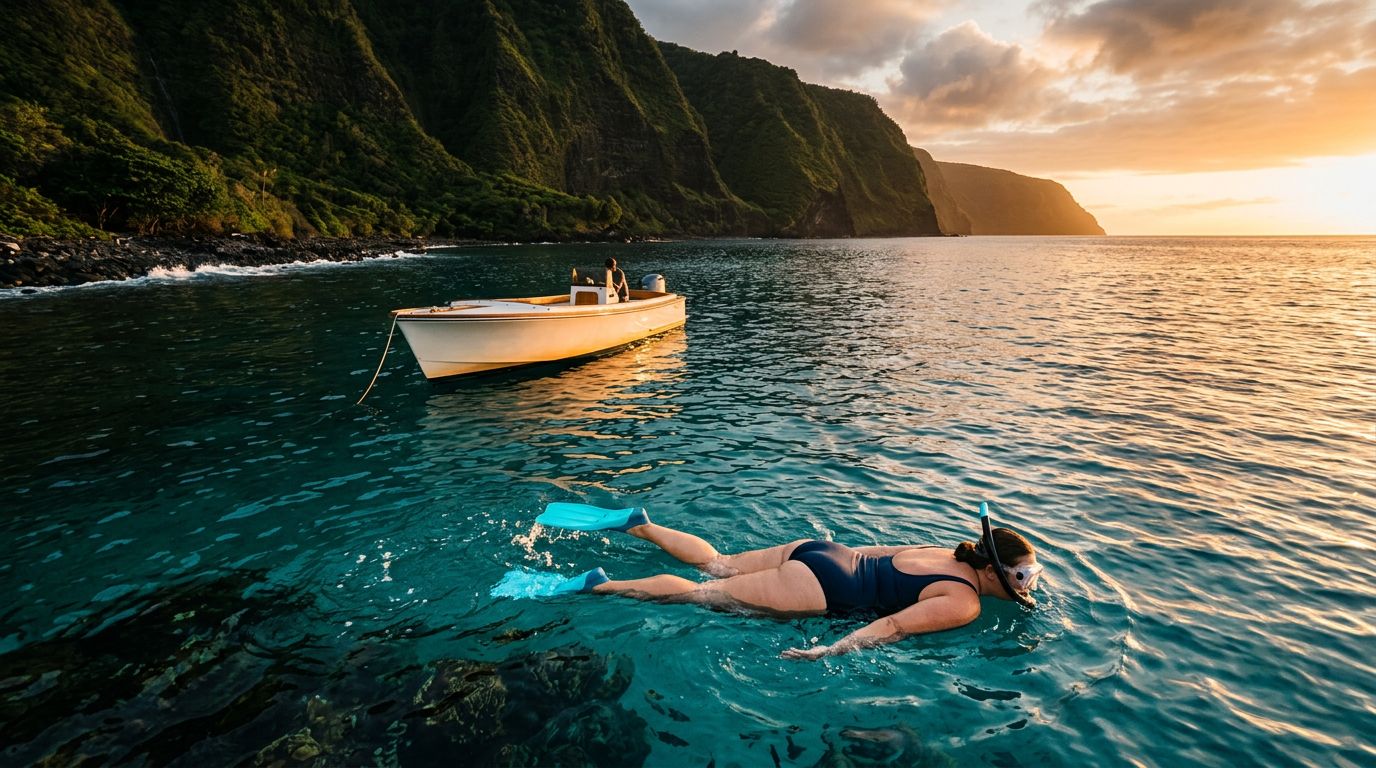
Your size does not decide whether Kealakekua Bay is a good snorkeling day. Your setup does.
If you’ve looked up snorkeling Big Island Hawaii and worried about gear, ladders, or keeping up with a group, you’re not alone. The good news is that Kealakekua Bay gives you a better starting point than many shoreline spots on the Kona coast. Kona Snorkel Trips is a strong place to start when you want a small-group day that feels organized, calm, and easy to follow.
The key is to plan for comfort before you step on the boat. When you do that, you can snorkel Big Island waters with a lot more confidence and a lot less guesswork.
Key Takeaways
- Kealakekua Bay is one of the more approachable places for plus-size travelers because the water is often calmer and clearer than exposed shoreline spots.
- A small-group or private boat gives you more room, more attention, and a slower pace.
- Fit matters more than body size. A well-fitted mask, fins, and flotation help far more than any label size.
- Morning departures usually feel easier because the water is often calmer and the boat ride is less tiring.
- If you want the simplest plan, book a guided trip that matches your comfort level and your energy for the day.
Why Kealakekua Bay Snorkeling Feels Easier Than You Expect
Kealakekua Bay has a different feel from many ocean entries on the Big Island. The water is often sheltered, the visibility is usually strong, and the setting feels less chaotic than a crowded beach entry. That matters when you want the day to feel calm instead of athletic.
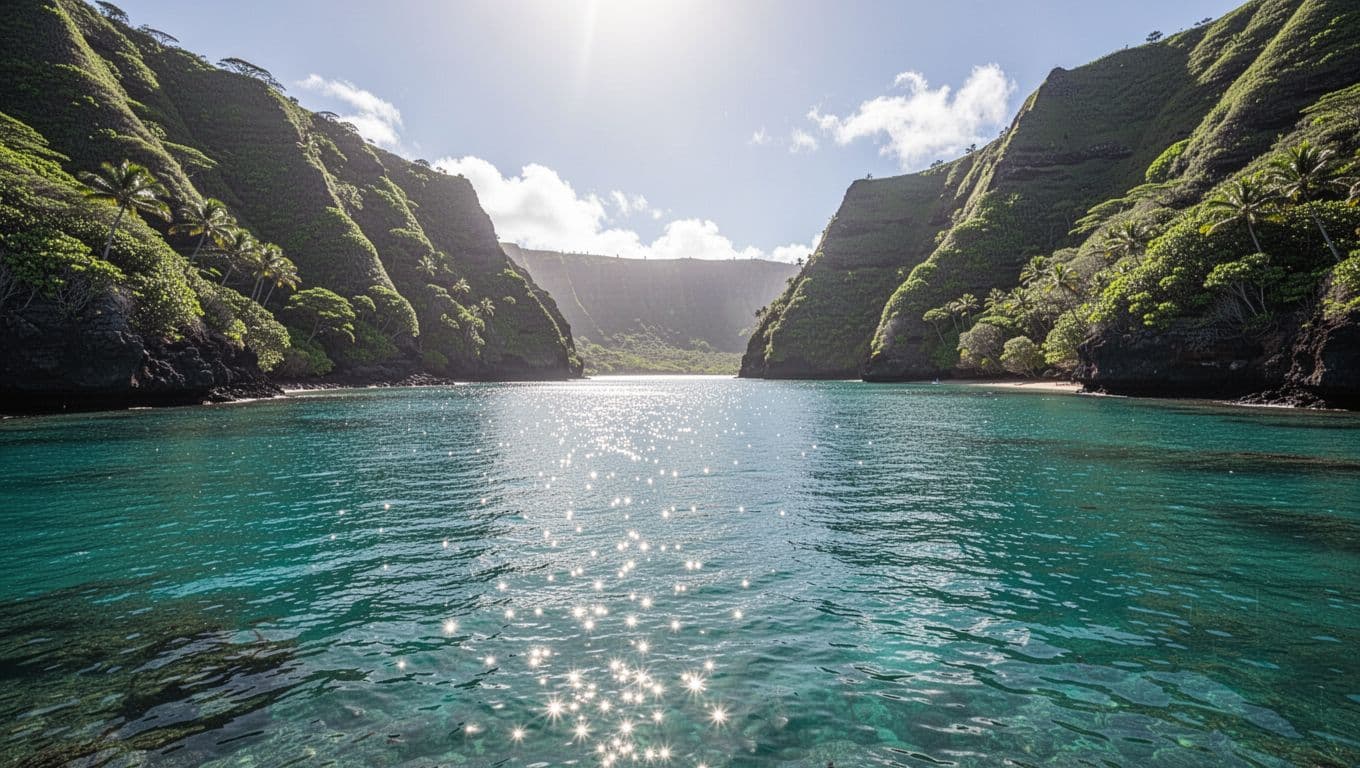
You also avoid a lot of the awkwardness that comes with rocky shoreline access. If you’ve ever tried to balance on uneven lava rock while holding a mask, fins, and your own nerves, you know how quickly that can drain your energy. A boat-based trip removes most of that stress before you ever get in the water.
That is why Kealakekua Bay snorkeling works so well for travelers who want a smoother start. You still need to move carefully, but you don’t need to fight surf, scramble across rock, or rush to keep pace with strangers on a beach.
The bay itself also gives you a clear goal. You are not trying to cover miles of coastline or chase a perfect hidden cove. You are heading to one of the best-known snorkel areas in Hawaiʻi, so the focus stays on the water, the reef, and how you feel in it.
A calm entry matters more than a perfect swimsuit size.
How to Choose a Tour That Fits Your Pace
The right boat changes the whole day. If you want to compare the main Big Island snorkeling tours, start with the one that gives you the easiest entry, the least crowding, and the most support from the crew.
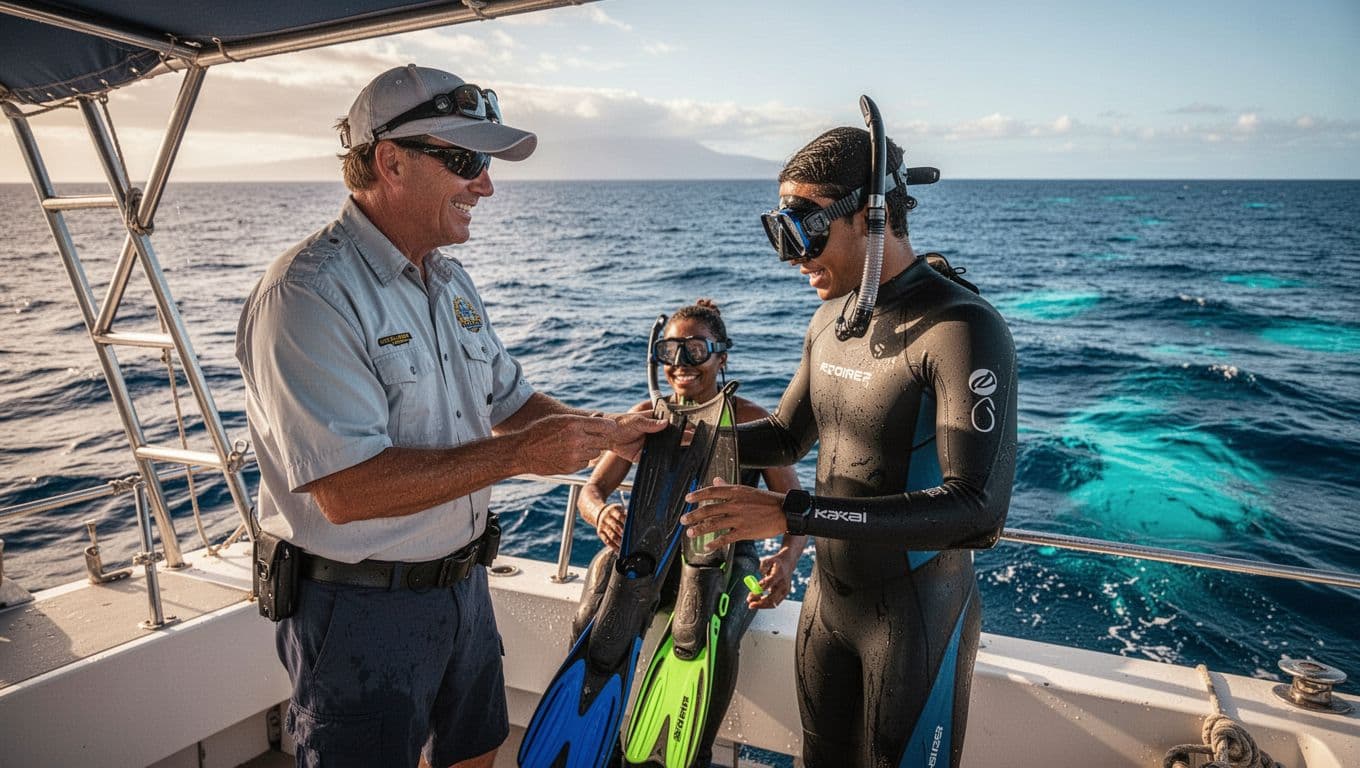
Kona Snorkel Trips keeps the experience small and personal, with lifeguard-certified guides and quality gear that is checked before the boat leaves. That matters when you want to ask questions without feeling rushed, or when you want a guide who notices if you need a minute to settle in.
If you want a direct Kealakekua Bay day, a dedicated Captain Cook snorkeling tour keeps the plan simple. You go where you want to snorkel, instead of using a longer trip as a way to reach the bay. That can make a real difference if you prefer fewer moving parts.
A quick comparison helps when you are choosing between the common options:
| Tour style | Why it helps you | Best fit |
|---|---|---|
| Dedicated Kealakekua Bay trip | Less guesswork, direct focus on the bay | You want the classic Captain Cook snorkel |
| Small-group Kona tour | More space and easier pacing | You want attention without a private charter |
| Private charter | Maximum room and flexibility | You want a custom pace, family comfort, or extra privacy |
The table makes one thing clear. If comfort matters most, smaller groups usually win. If flexibility matters most, private trips give you the most control over the pace and the day.
For travelers who want a more tailored experience, private Kona boat charters are worth a look. A private trip gives you room to move at your own speed, and that can remove a lot of pressure before you even reach the water.
What to Wear, Pack, and Skip
The right gear does not need to be fancy. It just needs to fit well and feel good for more than ten minutes.
For plus-size travelers, the smallest comfort issues can turn into the biggest distractions. A waistband that digs in, a top that rides up, or a mask strap that pulls too hard can take the fun out of the whole day. Start with clothes and gear that stay put.
A simple packing list helps:
- A rash guard or sun shirt that fits comfortably across the chest and shoulders
- Swim shorts, board shorts, or swim leggings that do not pinch at the waist
- Reef-safe sunscreen for exposed skin
- A towel and a dry shirt for the ride back
- Water and a light snack
- Any motion-sickness aid you already trust
If you wear a swimsuit under a shirt, make sure the seams do not rub when you sit, climb, or twist. The same goes for masks and fins. A poor fit can distract you faster than a tired leg ever will.
The good news is that snorkeling Big Island days usually do not require heavy gear. In most cases, you want light coverage, sun protection, and a fit that lets you breathe and float without thinking about your clothes.
Skip anything that makes you feel squeezed before the boat even leaves. That includes too-tight waistbands, stiff straps, and bulky layers that soak up water. Warm Kona conditions usually reward simple choices.
Getting In and Out of the Water Without Stress
The entrance matters as much as the snorkeling itself. If you feel rushed while getting in, you start the swim tense. If you feel steady, everything gets easier.
That is why you should slow the first part of the trip down on purpose. Let the crew explain the ladder, the rail, the flotation gear, and the best way to enter. Ask where to hold, where to wait, and how to get back aboard before you need it.
You do not need to swim hard to have a good snorkel day. You need calm breathing, a mask that fits, and a guide who lets you settle in.
Fins help more than many travelers expect. They give you more movement with less effort, which is useful when you want to conserve energy instead of overworking your legs. A flotation vest or other buoyancy aid can also make the water feel friendlier, especially if you like to float between short swims.
Keep your first few minutes simple. Breathe through the snorkel. Stay close to the boat or the guide until you feel comfortable. There is no prize for getting far away fast.
If you feel unsure about your balance on a ladder, let the crew know before you start. If you need a hand, take it. Good crews see that every day, and they would rather help you early than have you push through discomfort later.
A candid discussion on snorkeling for people who aren’t strong swimmers says the same thing in plain language: calm water, fins, and an easy pace matter more than speed or strength.
When to Go and How to Book Smart
Morning departures usually feel best. The ocean often stays calmer early in the day, the sun is gentler, and you are less likely to feel worn out before you even board. If you tend to tire faster in heat, the first trip of the day is usually the smartest choice.
That matters even more if you are planning a big day around snorkeling Big Island sights. The less time you spend worrying about heat, parking, and crowds, the more energy you keep for the water itself.
Booking the right trip also helps when you want a clear plan. If Kealakekua Bay is the main reason you’re going out, a focused Captain Cook snorkeling tour keeps the trip simple and direct. That is a good fit if you do not want a long, mixed itinerary.
If you want more room, more privacy, or a slower pace for your group, private Kona boat charters give you that flexibility. Families and couples often like that option because nobody has to keep up with a stranger’s swim speed or schedule.
The best day is the one that matches your energy. If you know you want quiet water, a smaller group, and a guide who understands pacing, book for that. The ocean is more enjoyable when the day feels arranged around your comfort, not the other way around.
Conclusion
Kealakekua Bay snorkeling gets a lot easier when you stop treating body size like the main issue. The real factors are the boat, the entry, the gear, and the pace you choose.
When you plan for comfort first, you give yourself a better day in the water. That is what makes snorkeling Big Island trips memorable for the right reasons, clear water, steady support, and enough room to enjoy the bay without rushing.