
Can You Wear Ear Plugs on a Kona Manta Ray Snorkel?
If you’re planning snorkeling Big Island Hawaii and your ears hate cold water, ear plugs might sound like a simple fix. On a Kona manta ray snorkel, though, the answer depends on the kind of plug you choose and whether you plan to stay on the surface or duck under.
Kona Snorkel Trips is a smart place to start if you want a smaller, better-run night on the water. The real question is whether ear plugs help your comfort without creating pressure problems or blocking the instructions you need to hear.
Key Takeaways
- You can sometimes wear ear plugs on a manta snorkel, but the type matters more than the idea.
- Standard foam ear plugs are a poor choice if you plan to dive under or change depth.
- Swim-specific or vented plugs can work for some people, especially if you stay near the surface.
- Hearing your guide matters at night, so muffled sound can be a real drawback.
- If you have ear tubes, recent surgery, or ongoing pain, ask a clinician before the trip.
Why Ear Plugs Feel Tempting on a Night Manta Snorkel
When you snorkel Big Island at night, little annoyances feel bigger. Cold water in your ears, wind on the ride out, and the nervous energy that comes with a dark ocean can make you wish for one simple piece of gear.
That feeling makes sense. Many people looking for snorkeling Big Island options want comfort first, then everything else. Ear plugs seem practical because they promise dry ears, less irritation, and a little more control over the experience.
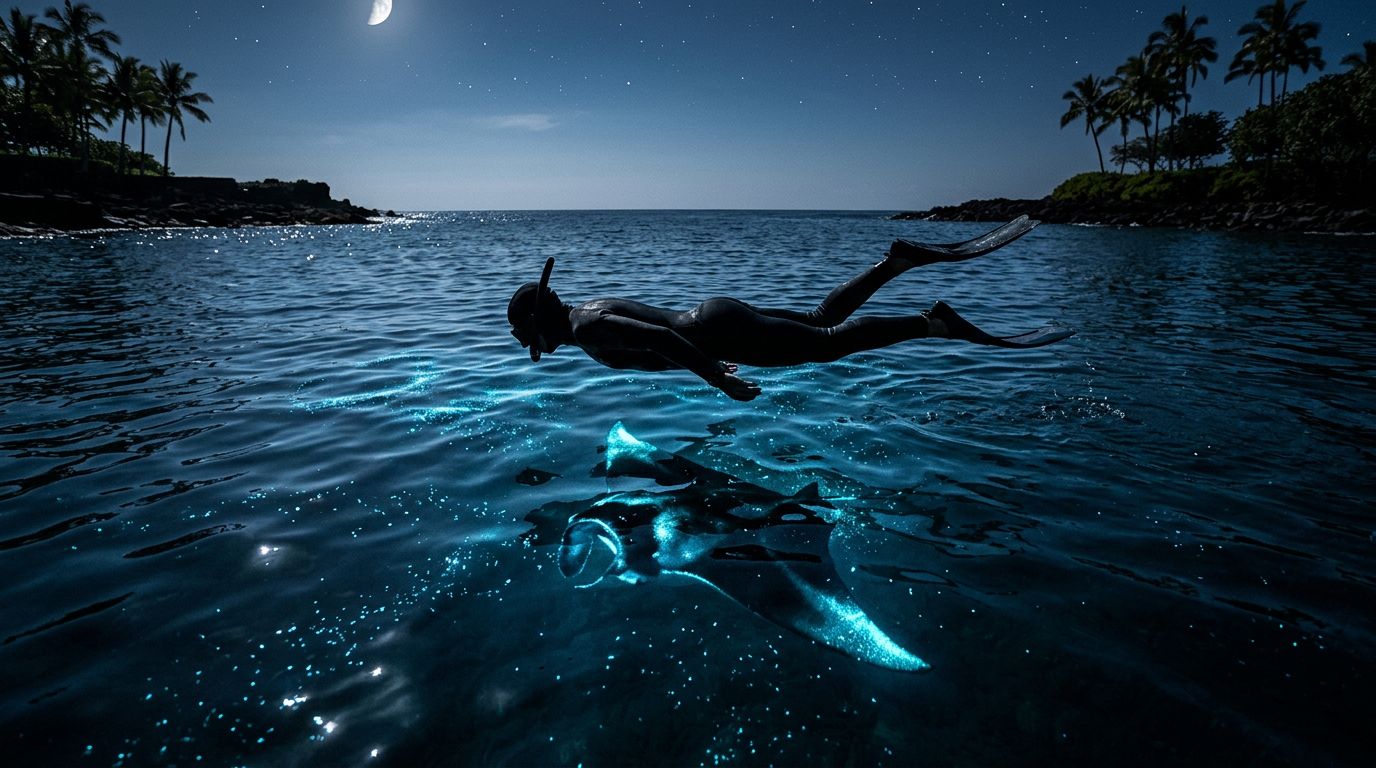
A Kona manta ray snorkel also sounds gentler than a surf session or a deep dive. You are usually floating, watching the lighted water below, and staying close to the group. That setup makes ear plugs seem harmless.
Still, the ocean has its own rules. A plug that feels fine on land can behave differently once water pressure, movement, and equalization come into play. If you plan to keep your head above water most of the time, the risk is smaller. If you think you might duck under even briefly, the answer changes fast.
If you’re still comparing options, the guided snorkeling trips in Kona page gives you a clean look at the main choices on the island.
The Risks You Need to Know Before You Put Them In
A quick comparison makes the trade-offs easier to see.
| Ear protection | Surface comfort | Pressure risk | Good fit for a manta snorkel? |
|---|---|---|---|
| Foam ear plugs | High | High if you go under | Usually no |
| Swim-specific plugs | Medium to high | Medium | Sometimes |
| Vented plugs | Medium | Lower, but not zero | Maybe, with caution |
| No plugs | Low water blocking | Low | Often yes |
For a night manta trip, the biggest issue is pressure, not just water entry. If you stay on the surface, the pressure problem stays small. The moment you duck under, clear your mask, or change depth, the ear canal can feel that change.
If you plan to dive under, standard ear plugs can turn a small comfort choice into a pressure problem.
That warning matters even more because a manta snorkel is a guided experience. You need to hear short directions, understand where to position yourself, and know when the crew wants you to stay still. Ear plugs can mute sound enough to make those instructions harder to catch.
Divers Alert Network’s warning about diving with earplugs explains the pressure issue clearly. The article focuses on diving, but the core point still applies when you change depth during a snorkel.
The risk grows with depth changes, not distance. You do not need to be far underwater for pressure to matter. Even a brief dip can make a tight plug feel wrong.
Which Ear Protection Makes Sense for You
That does not mean every ear plug is a bad idea. It means you need the right kind for the way you plan to snorkel.
For some people, swim-specific silicone plugs are the middle ground. They can keep water from rushing into the ear canal without sealing as aggressively as foam plugs. Vented designs may also feel better if you are sensitive to pressure, though fit matters a lot. If the plug is loose, it leaks. If it is too tight, it can still create discomfort.
For other snorkelers, no plug at all is the best call. A snug mask, calm breathing, and a crew that gives clear instructions can be enough. That is often the safest option if you know you will go under even a little.
A broader look at earplugs for swimming and diving shows why fit matters more than packaging. The right product depends on your ears, your comfort, and how much time you spend at the surface.
If you do choose ear protection, keep it simple. Bring one pair, test it first, and know how to remove it fast if it starts bothering you. On a night snorkel, a small gear problem can pull your attention away from the mantas.
What a Kona Manta Ray Snorkel Feels Like
A Kona manta ray snorkel is usually more about floating than swimming. You spend a lot of time watching the lighted water below you, listening to the crew, and staying relaxed while the action happens under the surface.
That setup is why comfort gear matters. You do not want bulky equipment or awkward plugs that keep shifting around. You want a clean, stable setup that lets you pay attention to the water and the guide.
Kona Snorkel Trips keeps that kind of outing small and personal, with lifeguard-certified guides, quality gear, custom-built lighted boards, and a Reef to Rays approach that puts safety and reef care first. That matters if you care about both comfort and how the trip feels from start to finish.
If you want a broader look at trip styles on the island, the Big Island snorkeling tours page is an easy way to compare what fits your schedule and comfort level.
If you want to hold a seat on a Kona trip, you can check availability on the main booking page.
If you want a manta-only brand, Manta Ray Night Snorkel is another dedicated option. If the manta night is your choice, you can check availability for that specific outing.
The better the crew, the easier it is to keep your attention where it belongs, on the manta rays, not on your ears.
How to Test Ear Plugs Before You Leave Shore
The safest time to find out whether ear plugs work for you is before you leave the dock. A short test at home tells you far more than a packed boat ever will.
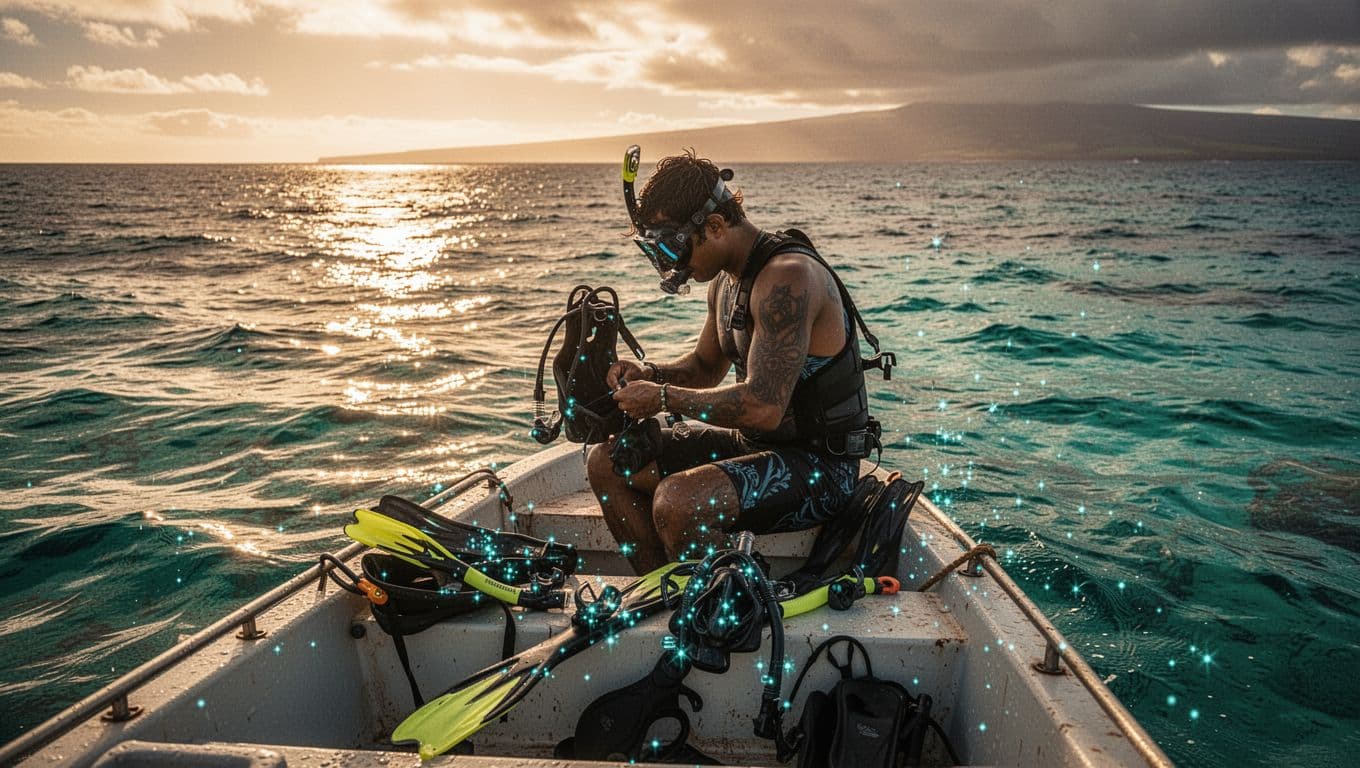
Try them in a shower or a calm pool first, then notice how they feel after a few minutes. If they slip, itch, or create pressure on land, they will probably annoy you more in open water.
- Put the ear plugs in before you get wet and see whether they stay comfortable for 10 to 15 minutes.
- Move your jaw, turn your head, and adjust your mask while you wear them.
- If you plan to snorkel near the surface, listen for how much sound they block.
- Remove them at once if you feel pressure, pain, or a blocked sensation that keeps building.
That last step matters. Ear plugs should feel like a minor accessory, not a job you have to manage the whole time.
If you snorkel Big Island often, you may learn that your ears prefer different gear in different conditions. Warm daytime water, colder night water, and deeper dips can all feel different. The point is to test early so you can relax later.
Sensitive Ears, Ear Tubes, and When to Ask a Doctor
If you have ear tubes, a perforated eardrum, recent ear surgery, or a history of repeated ear infections, do not guess. Ask a clinician before you wear anything that seals your ears.
That advice also applies if water in your ears usually leads to pain that lasts past the trip. A few hours of comfort is not worth a day or two of soreness. If your ears are already irritated before you board, the ocean can make the problem worse.
People with sensitive ears sometimes assume the issue is water alone, but that is not always true. Sometimes the problem is outer-ear irritation. Sometimes it is pressure. Sometimes it is a fit issue with the plug itself.
If you are unsure, keep your plan simple. A comfortable mask, a patient guide, and no ear plugs is often the easiest path. That approach also keeps you free to hear instructions, which matters on a guided night trip.
A manta snorkel should feel calm and easy. If your ears need special care, handle that before you go so the trip stays focused on the water, not on discomfort.
Conclusion
Yes, you can wear ear plugs on a Kona manta ray snorkel in some situations, but the right choice depends on the plug and how you plan to use it. If you stay on the surface, a swim-specific or vented option may be fine. If you plan to duck under or change depth, standard plugs are a bad match.
The safest approach is simple. Test your gear before the trip, listen to the crew, and skip anything that makes pressure or hearing worse. That way, your ears stay out of the way and the manta rays get your full attention.