
Kealakekua Meaning: The Story Beneath Your Snorkel Tour
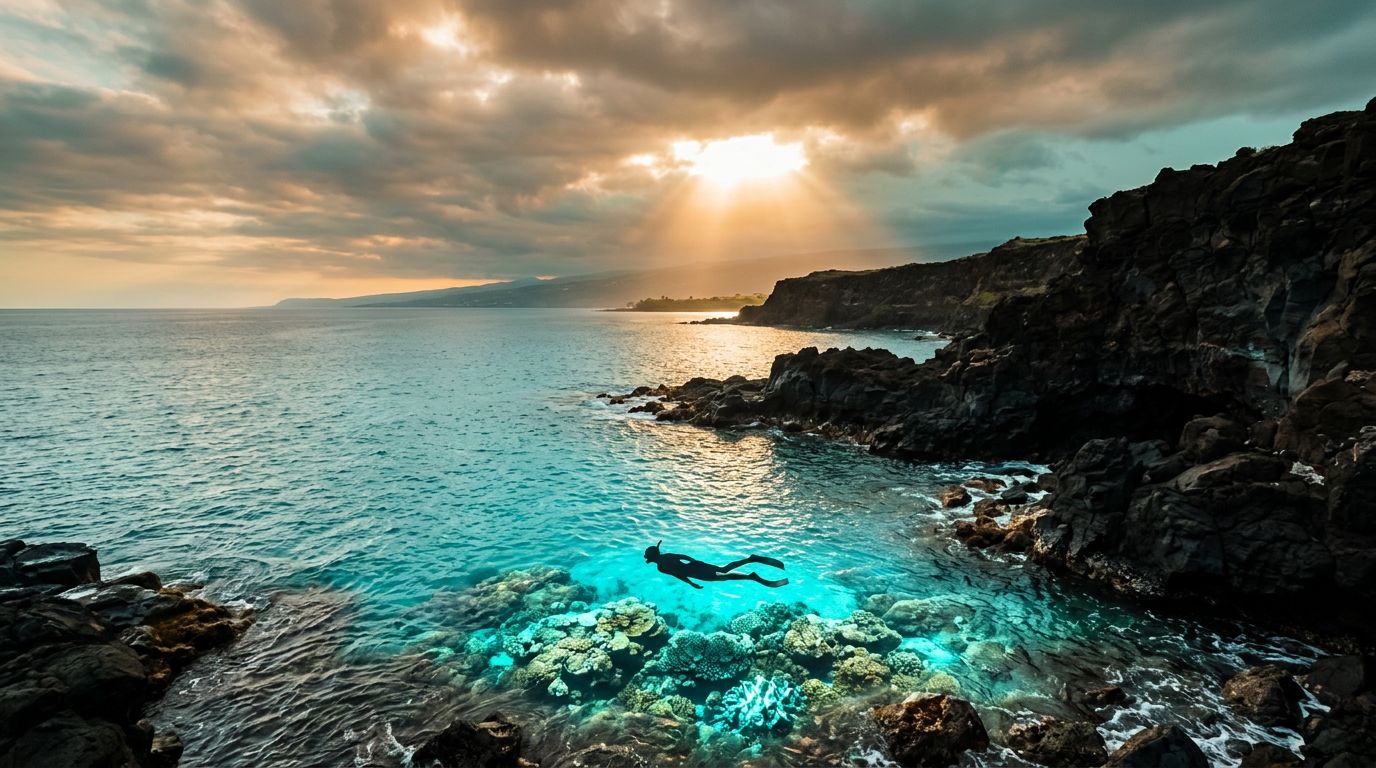
Before you slip into the clear water of Kealakekua Bay, take a moment to learn what the name means. Kealakekua is often translated as “the pathway of the god,” a phrase tied to Hawaiian language, place, history, and tradition.
That meaning can change the way you see the bay. The reef becomes more than a beautiful snorkeling site, and the shoreline becomes more than a backdrop for your photos. If you visit with Kona Snorkel Trips, your guide can help connect the water, the landscape, and the stories that make this part of the Big Island special.
Key Takeaways
- Kealakekua is commonly translated as “the pathway of the god” or “the path of the god.”
- The name does not refer to Captain James Cook, because Kealakekua Bay had its name and cultural importance before his arrival.
- The bay is connected to major Hawaiian history, including the Makahiki season and Cook’s 1779 visit.
- Your snorkeling trip should include respect for the reef, sacred sites, wildlife, and local cultural traditions.
- Understanding the name helps you experience Kealakekua Bay as a place with meaning, not only as a scenic tour stop.
What Does Kealakekua Mean in Hawaiian?
The most common translation of Kealakekua is “the pathway of the god.” You may also see it written as “the path of the god” or “the way of the god.” These versions express the same basic idea in natural English.
The Hawaiian name is generally understood as a combination of:
- Ke, meaning “the”
- Ala, meaning “path” or “way”
- Ke akua, meaning “the god” or “the deity”
When these words join together as a place name, the spaces disappear. The result is Kealakekua.
A literal translation helps you begin, but it doesn’t explain every layer of the name. Hawaiian place names often carry references to geography, events, people, spiritual traditions, or relationships with the land. A short English translation can describe the words without capturing the full cultural context.
You may want to compare the words with entries in the Wehewehe Hawaiian dictionary before your trip. A dictionary can help you understand individual terms, although it can’t replace the knowledge held in local history and oral tradition.
The phrase “pathway of the god” may sound mysterious to modern visitors. However, it shouldn’t be treated as a hidden message or a simple label for one historical figure. The name belongs to the place and its older Hawaiian history. It predates Captain Cook’s arrival and cannot be reduced to the events of 1779.
A careful translation matters
English translations often use “god” in the singular, but the Hawaiian word akua can carry a broader meaning. Depending on context, it may refer to a god, deity, spirit, supernatural being, or sacred presence.
That range matters. Translating akua as one narrow English word can make the original idea seem more specific than it is. The name may suggest a sacred pathway or a route associated with a deity, but the translation alone doesn’t identify one particular akua.
You can hold both ideas at once. Kealakekua has a clear linguistic meaning, and the place also contains layers that require care when you interpret them.
How to Read the Hawaiian Name Before You Arrive
Learning to say Kealakekua gives you a small connection to the place before your boat reaches the bay. Hawaiian uses a limited set of consonants and clear vowel sounds, so you should pronounce each vowel rather than compressing the word into one quick syllable.
You will often hear the name broken into parts that sound similar to Ke-a-la-ke-ku-a. Local pronunciation can vary in everyday speech, and English speakers may place emphasis differently. Listening to your guide is the best way to follow the pronunciation used during your tour.
The structure also gives you a useful memory aid. When you hear “Kealakekua,” remember that the name contains the ideas of the, path, and deity. That is easier than memorizing a translation without understanding how the words fit together.
Hawaiian place names sometimes appear with different spacing or spelling in historical documents. You may see “Ke Ala Ke Akua” when someone writes out the separate words. The modern place name is usually written as Kealakekua.
You should also avoid assuming that every Hawaiian name translates into one fixed English sentence. Meaning can shift with context, pronunciation, historical use, and local knowledge. A respectful visitor leaves room for that complexity.
The translation gives you a starting point, not permission to assign your own story to the place.
That approach is useful throughout Hawaii. When you learn a place name, learn the landscape around it too. Ask what the name describes, which events shaped the area, and how people continue to care for it.
The History Behind Kealakekua Bay
Kealakekua Bay is on the west coast of Hawaii Island, south of Kailua-Kona. Its calm, sheltered waters helped make the area important for fishing, travel, settlement, ceremony, and trade.
The bay is also linked to the Makahiki season, a period associated with the god Lono. Makahiki included religious observances, athletic contests, rest from warfare, and offerings. Captain James Cook arrived in Hawaii during the 1779 Makahiki season, which shaped how some historians interpret the ceremonies and encounters that followed.
Cook first reached Kealakekua Bay in January 1779. His ships stayed in the area for several weeks before leaving. When the ships returned soon afterward, relations with local Hawaiians had changed. On February 14, 1779, Cook was killed at the bay during a conflict near the shoreline.
Those events made Kealakekua famous in European and American historical accounts. Still, the bay’s history did not begin with Cook. Hawaiian communities had lived, traveled, worshipped, fished, and cared for the area long before European ships appeared.
The Captain Cook Monument sits near the northern end of the bay. You may see it from the water during a boat tour, but the monument is only one part of a much older cultural landscape. The shoreline and surrounding areas include places connected to Hawaiian governance, religious practice, burial, and daily life.
Nearby sites add more context. The Kealakekua Bay State Historical Park information can help you understand the land-based side of the area before you visit.
The connection between Cook and the name Kealakekua also causes confusion. Some visitors assume the name means “the path of Cook” or that it refers to Cook’s death. It does neither. The name existed before his arrival, and its meaning comes from the Hawaiian language.
The historical story is also more complicated than the claim that Hawaiians simply believed Cook was the god Lono. The timing of Cook’s arrival, the Makahiki season, ceremony, and later European interpretations all influenced the record. A responsible guide presents that history with context instead of turning it into a simple legend.
What the Name Adds to Your Kealakekua Bay Snorkeling Tour
Once you understand the Kealakekua meaning, you may notice how closely the bay’s natural and cultural features sit together. The cliffs, shoreline, open ocean, reef, and historical sites are part of one connected place.
The water is known for clear conditions, coral habitat, and a range of reef fish. Visibility changes with weather, swell, rainfall, sunlight, and seasonal conditions, so no guide can promise the same underwater view every day. Still, the bay often gives you a calm setting for observing marine life without traveling far offshore.
You should pay attention to the shoreline as you swim. The Captain Cook Monument may be visible from the water, while the cliffs and vegetation show how the bay is shaped by volcanic geology. Looking back toward land can help you understand why this was an important settlement and travel area.
If you’re researching snorkeling Big Island Hawaii, Kealakekua Bay will likely appear near the top of your options. Searches for “snorkel Big Island” often lead travelers to Kona because the west coast offers several accessible ocean excursions. However, a memorable visit depends on more than water clarity. The site’s history should shape how you behave in the water and on the boat.
Kona Snorkel Trips follows a “Reef to Rays” philosophy, with small-group excursions, lifeguard-certified guides, quality snorkeling equipment, and attention to reef-safe practices. Its Kealakekua Bay and Captain Cook snorkeling tour gives you a way to visit the bay while learning about the area from an on-water guide.
If you are comparing local options, Captain Cook Snorkeling Tours also focuses on trips to Kealakekua Bay and the Captain Cook Monument. Whichever operator you choose, look for clear safety information, respectful guiding, and a firm policy against touching coral or feeding wildlife.
A tour guide can point out the monument and reef, but you can also ask about the meaning of the name. That simple question often opens a more thoughtful conversation than asking where to take the best photo.
“`
“`
How to Visit Kealakekua Bay With Respect
Kealakekua Bay is a marine environment and a cultural place. Your choices in the water affect both.
Start by listening to your guide’s instructions. Stay with your group, follow the designated entry and exit directions, and keep enough distance from rocks and coral. Even a light touch can damage living coral or remove its protective surface.
Reef-safe sunscreen is also part of responsible planning. Apply it before boarding when possible, and choose products that your tour operator allows. If you can wear a rash guard, it may reduce the amount of sunscreen you need.
While snorkeling, keep your fins away from the bottom. Strong kicking can stir up sediment and break coral. Never stand on the reef, chase fish, handle sea turtles, or feed marine animals. Wildlife needs room to move without changing its behavior around people.
Cultural respect applies above the water as well. Don’t climb on walls, remove rocks, enter restricted areas, or treat historical sites as props. Ask before taking close-up photos of other visitors or guides. If your guide asks you to remain on the boat near a particular shoreline, follow that direction.
You can learn more about nearby Hawaiian history at Pu’uhonua o Honaunau National Historical Park. The park is not the same site as Kealakekua Bay, but its cultural setting helps show why sacred places across the Kona coast require care.
A good personal rule is simple: leave the reef, shoreline, and historical sites as you found them. You should take memories and photographs, not coral, shells, stones, or artifacts.
Planning Your Trip Around the Meaning and the Conditions
Your experience begins before you board the boat. Check the meeting location, departure time, trip length, age guidance, swimming requirements, and cancellation policy. These details can change, so use the current booking information rather than relying on an old travel post.
Morning trips may offer different wind and visibility conditions than afternoon departures. Weather can change quickly along the Kona coast, and ocean conditions can affect the route. Your captain may alter the plan for safety, even when the original destination remains the goal.
If you get seasick, eat a light meal and consider your usual motion-sickness plan before departure. Tell the crew about concerns early. Guides can often help you choose a comfortable place on the boat and explain how to enter the water safely.
Families should consider each swimmer’s confidence, not only age. A child who can swim in a pool may still need close adult supervision in open water. Couples and solo travelers should also ask about group size, flotation equipment, and guide support.
For a more personal experience, you can review private Kona snorkel tours when your group wants more flexibility. A private trip may make it easier to discuss the bay’s history, adjust the pace, or plan around different swimming abilities.
You can check avaialbility for a Kona Snorkel Trips Captain Cook excursion before building the rest of your itinerary. Booking early is useful during busy travel periods, but you should still confirm the latest weather and check-in details before leaving your accommodation.
Bring a swimsuit, towel, water, sunglasses, and a light cover-up for the ride back. Use a waterproof phone case if you plan to take photos. Above all, bring enough patience to let the guide set the pace. The bay deserves attention, and rushing through the experience can make you miss what makes it meaningful.
Let the Name Stay With You After the Swim
The phrase “the pathway of the god” gives Kealakekua Bay a starting point for reflection. It reminds you that the bay had a life, a name, and a cultural role long before it became a destination in a modern travel itinerary.
When you snorkel Big Island waters, you see only one layer of the island. Below you are coral and fish. Around you are volcanic cliffs and open ocean. Beneath the name are generations of Hawaiian history and relationships with the coast.
The phrase “snorkeling Big Island” describes an activity, but Kealakekua asks you to pay attention to the place itself. That shift can make your tour feel more personal without turning the bay into a story that belongs to visitors.
Conclusion
Kealakekua is commonly translated as “the pathway of the god,” or “the path of the god.” The name predates Captain Cook and points to Hawaiian language and tradition, not to a modern tourism label.
As you enter Kealakekua Bay, remember that the reef and historical shoreline are connected. Swim carefully, listen to your guide, respect cultural sites, and let the meaning of the name add depth to what you see beneath the surface.