
How Marine Sanctuary Rules Shape Kealakekua Bay Snorkeling

Kona Snorkel Trips sees the same pattern again and again, the calmer the rules, the better Kealakekua Bay feels in the water. When you snorkel inside a protected bay, every move matters, from how close you swim to how you enter the water.
That’s why Kealakekua Bay snorkeling feels different from many other places on the Big Island. The sanctuary rules protect fish, coral, and wildlife, but they also shape your route, your timing, and the kind of trip you should book. Captain Cook Snorkeling Tours focuses on this bay too, so you have more than one guided option when you want a respectful visit.
The details matter, so the sections below break down what the rules mean for you on the water.
Why Kealakekua Bay snorkeling feels different from other Kona spots
If you’re planning snorkeling Big Island Hawaii, Kealakekua Bay usually rises to the top of the list for a reason. The water is protected, the reef is alive, and the bay has a slower rhythm than many open coastal spots. You don’t just show up, jump in, and drift around. You enter a place that asks for care.
That care changes the mood right away. Fish move with less stress, turtles have more room, and the reef keeps the shape that makes the bay so special. You notice the difference before you even look down. The surface feels calmer, the underwater world feels more settled, and your whole day becomes more intentional.
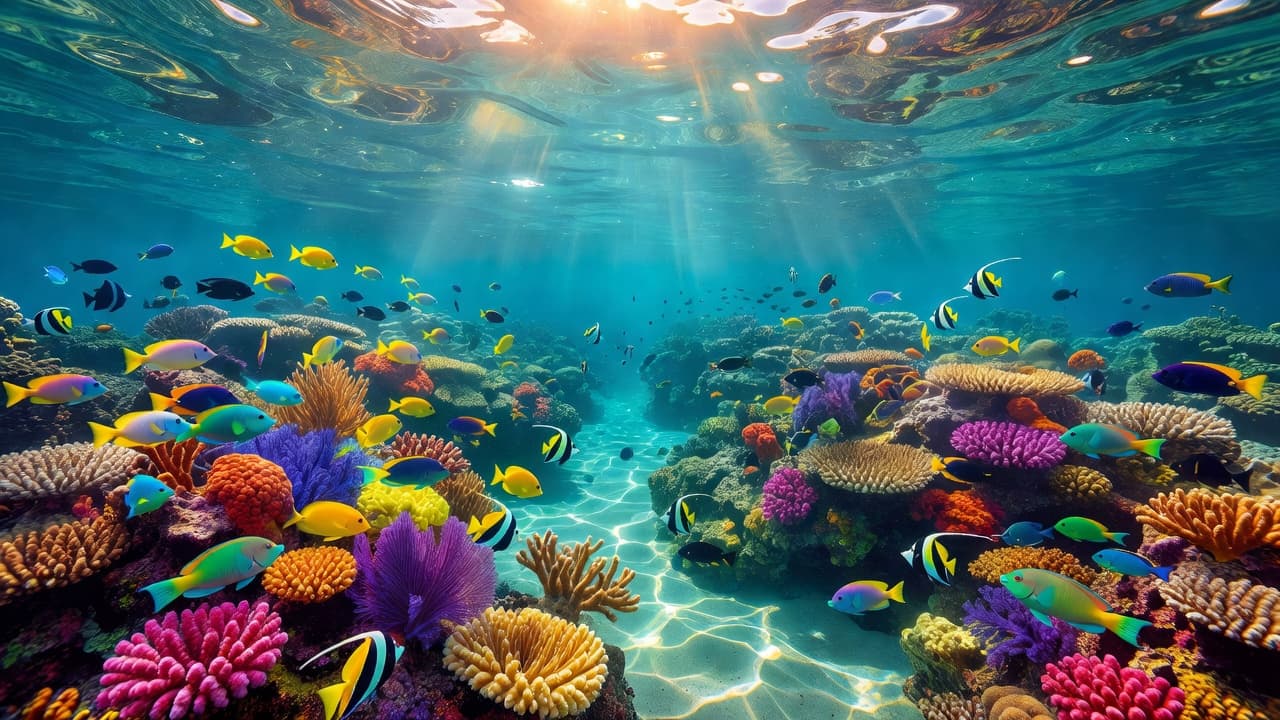
That is the real effect of marine sanctuary rules. They don’t make the bay feel empty or restricted. They make the experience more alive, because the reef gets room to stay healthy.
The rules you need to follow in the bay
The rules are simple once you look at them one by one. They ask you to stay hands-off, stay calm, and stay aware of what’s beneath you.
Here’s a quick guide to the main things that matter most in Kealakekua Bay.
| Rule | What it means for you |
|---|---|
| Don’t fish in the bay | You’re there to observe, not harvest. |
| Don’t touch, chase, or harass wildlife | You keep a respectful distance and let animals move naturally. |
| Don’t feed fish | You avoid changing feeding habits and reef behavior. |
| Don’t take coral, sand, rocks, or shells | You leave the bay exactly as you found it. |
| Don’t stand on coral | You protect the reef structure under your fins. |
| Use reef-safe sunscreen | You help reduce chemical stress on the water. |
Those basics are the backbone of a good trip. When you follow them, you’re not just obeying rules. You’re helping keep the bay worth visiting.
Wildlife stays in charge
The clearest rule is also the easiest to forget when the water is beautiful. Don’t treat wildlife like a photo prop.
Federal guidance says to keep about 50 yards from spinner dolphins and 10 feet from sea turtles. That spacing matters because animals change their behavior when people crowd them. If a turtle turns away or a dolphin shifts course, you’re too close.
You’ll also get more out of the snorkel when you stay back. Animals act naturally. Fish school normally. Turtles keep cruising. The bay feels peaceful instead of noisy.
Coral needs room to breathe
Coral looks sturdy from above, but it breaks easily. One careless fin kick can damage growth that took years to build. Knees, hands, and feet do the most harm when people lose body position in the water.
That’s why slow, level swimming matters so much here. Keep your kicks light. Don’t plant your feet on the bottom. Let the reef stay a living structure, not a resting place.
The park rules matter on land too
Kealakekua Bay’s protection starts before you hit the water. The official Kealakekua Bay State Historical Park page spells out the land-side rules that help protect the area, including limits on boat landing and launching in the park zone.
That matters because the bay isn’t a casual pull-in-and-go spot. The access rules shape the whole day, from parking to entry to exit. When you understand that early, the trip feels easier and less rushed.
How the rules protect coral, fish, and clear water
Rules like these don’t just sound good on paper. They change what happens underwater.
When people stop feeding fish, the animals don’t crowd one spot looking for handouts. When people stop touching coral, the reef keeps its structure. When people keep their distance from dolphins and turtles, those animals spend more time behaving like wild animals instead of reacting to visitors.
That’s why the bay often looks so healthy. It’s not an accident. It’s the result of a lot of small decisions made by a lot of people.
In Kealakekua Bay, restraint is part of the experience.
You see the payoff in the water clarity too. Less reef damage means less broken structure. Less crowding means less stress on the wildlife. As a result, your snorkel feels more natural. You’re not chasing moments. You’re meeting them where they are.
If you’ve done a lot of snorkeling Big Island trips, you may notice this bay feels more disciplined than others. That’s a good thing. The rules create the space that makes the bay worth the effort.
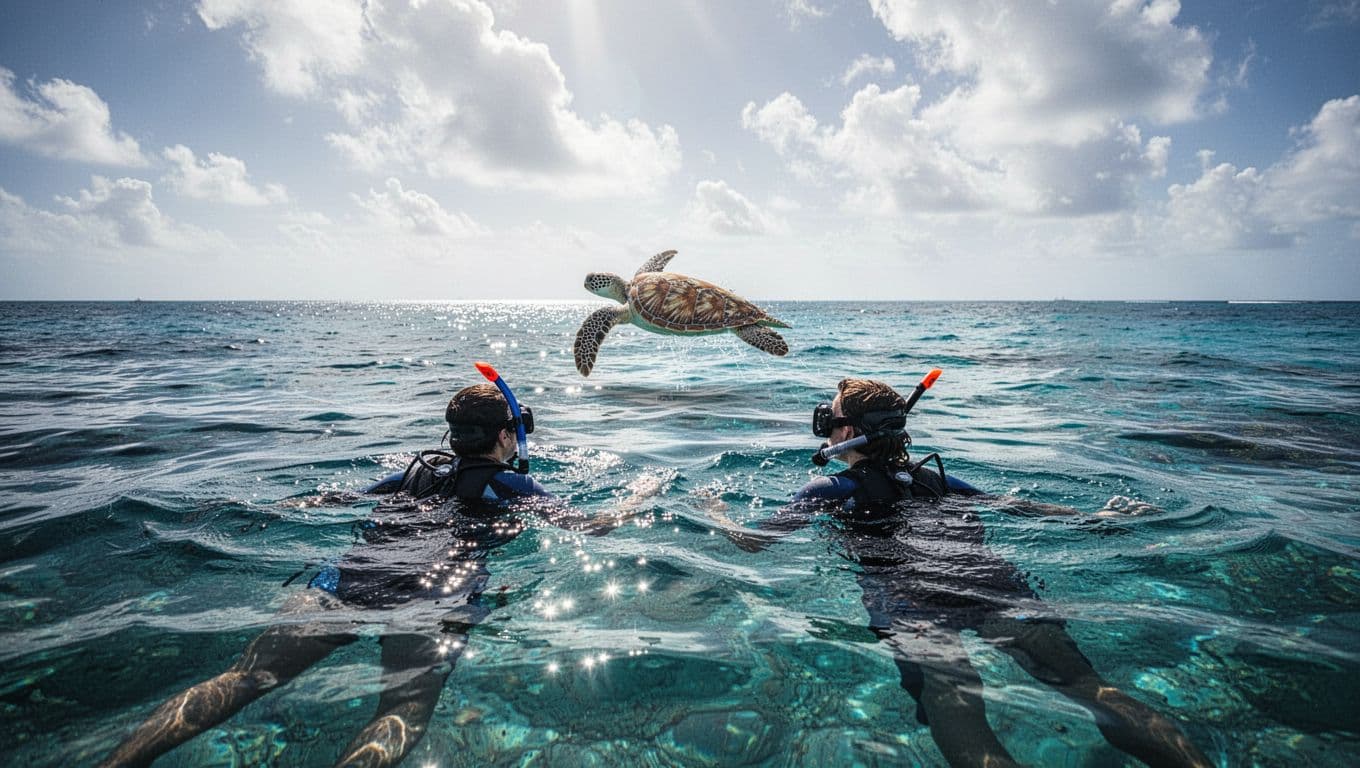
The best part is that the rules don’t take away the fun. They make the fun last longer. A protected bay can keep giving you the same kind of beauty year after year when visitors treat it carefully.
Access rules change the kind of trip you have
The marine rules are only half the story. Access rules shape the trip before you even enter the water.
Kealakekua Bay is often described as Hawaiʻi’s largest Marine Life Conservation District, with about 315 protected acres. A good overview is available in this Kealakekua Bay guide, which helps show why access is managed so carefully. Big protected spaces need thoughtful entry, or they stop feeling protected very quickly.
That’s why the way you arrive matters. If you go by boat or kayak, you usually need to pay attention to state park and permit rules. Some kayak and personal watercraft access may require permits for landing or monument-area access. Shore snorkeling can be possible in calm conditions, especially on the northeast side, but the conditions need to line up.
Boat access keeps the day simple
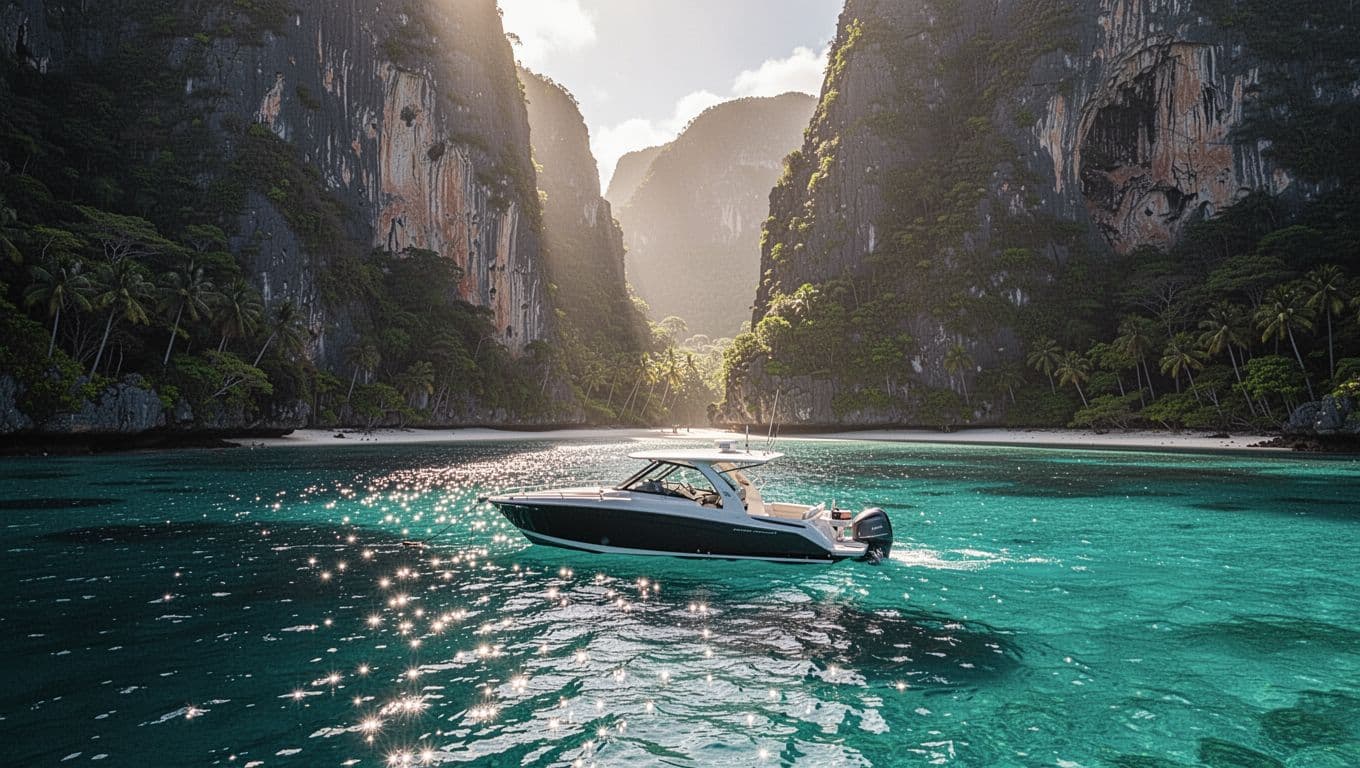
A boat trip removes a lot of guesswork. You don’t need to figure out trailheads, parking, or rough shoreline entry. You also avoid the temptation to improvise a landing spot where one shouldn’t happen.
For many visitors, that alone makes the day better. You spend more time snorkeling and less time problem-solving on the coast.
Shore entry takes patience
Shore snorkeling can work, but it asks for more from you. Calm water, a clean entry, and enough comfort in the ocean all matter. The wrong swell can turn a simple snorkel into a frustrating one.
That’s why timing matters so much here. The bay may look smooth from a distance, yet still demand careful judgment at the waterline. When you respect that, you give yourself a better shot at a safe, enjoyable swim.
Choosing a guided trip that respects the sanctuary
If you want the bay to feel easy, a good guide helps a lot. The right crew explains the rules before you need them. It also keeps the trip focused on the reef instead of the logistics.
Kona Snorkel Trips keeps that approach front and center. The company leans on a Reef to Rays mindset, uses lifeguard-certified guides, and keeps groups small enough that you don’t feel lost in a crowd. If you want to see the full range of Kona snorkel tours, that’s a good place to start.
Before you choose any operator, look for a few things that match the bay:
- Small groups that don’t crowd the reef.
- Clear briefings about distance from wildlife.
- Reef-safe sunscreen guidance.
- Good gear that fits well.
- A calm, experienced crew that knows the bay.
If you’re trying to snorkel Big Island in a way that feels easy and respectful, those details matter more than flashy promises. A good tour should help you fit the rules, not work around them.
If you want to compare dates and lock in a day on the water, check availability.
When you’re ready for the Kealakekua Bay route, use the booking button below.
That kind of booking path fits the bay well. It keeps the experience simple, and it keeps your focus where it should be, on the water, the reef, and the rules that protect both.
Conclusion
Kealakekua Bay works because people agree to leave it alone. The reef stays healthier, the wildlife stays calmer, and your snorkel feels more like a privilege than a checklist stop.
When you plan around the rules, snorkeling Big Island Hawaii gets better, not smaller. You see more because you take less. You enjoy more because you disturb less.
If you remember one thing, let it be this: the bay rewards patience. That’s the real secret behind a strong Kealakekua Bay snorkeling day.