
Kealakekua Bay Snorkeling for Travelers Who Wear Glasses
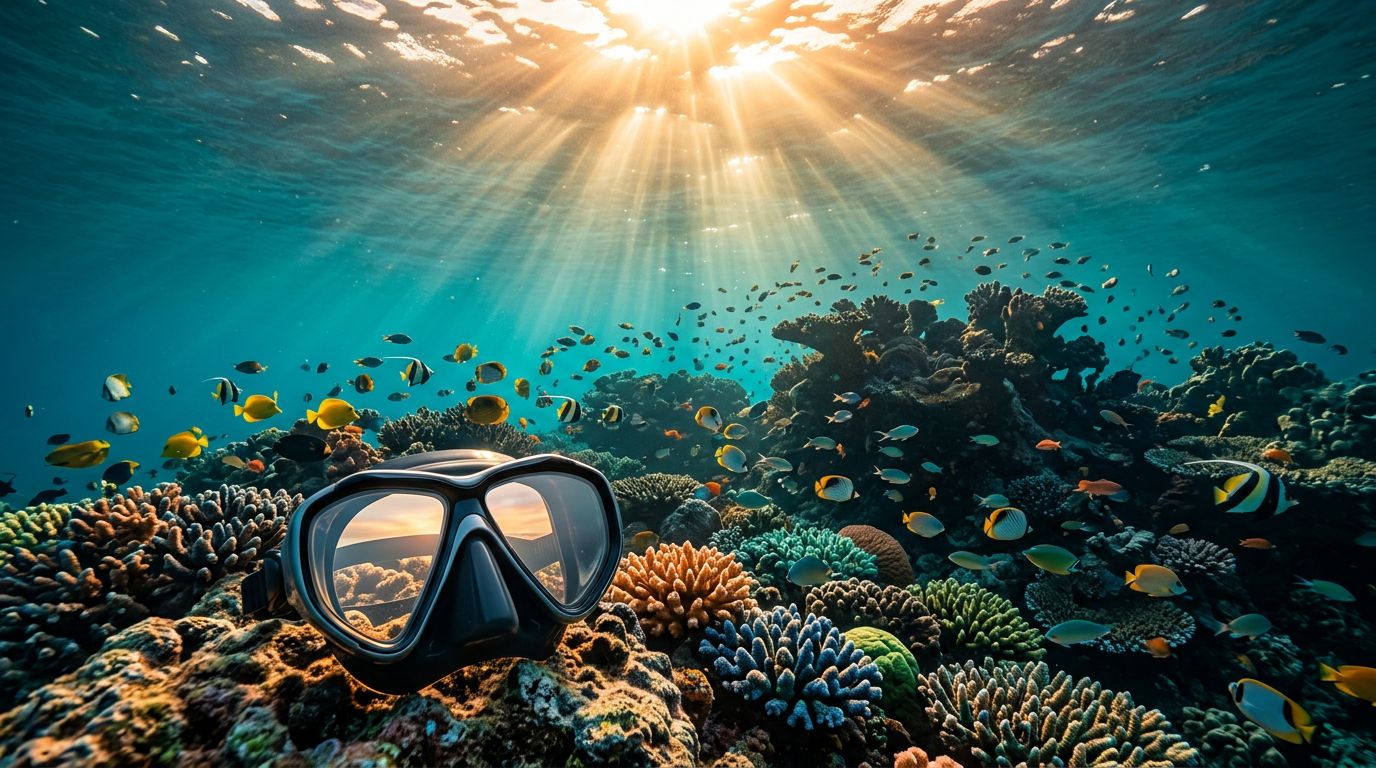
Kealakekua Bay snorkeling is much easier when you can see the reef clearly. If you wear glasses, the wrong mask can turn bright fish into a blur, and that can drain the fun fast.
The good news is that you don’t need perfect eyesight to enjoy this bay. You need the right vision setup, a mask that seals well, and a tour that gives you room to settle in.
If you want to snorkel Big Island without squinting your way through the day, start with the gear choices that make the biggest difference.
Why glasses change the Kealakekua Bay experience
If you wear glasses on land, you already know how much they shape your day. Underwater, that matters even more. Regular frames don’t belong inside a snorkel mask, and the arms can break the seal. Once water sneaks in, the view goes fuzzy in a hurry.
That’s why Kealakekua Bay snorkeling feels different for glasses wearers. The bay is calm enough for many first-time snorkelers, but it still rewards clear sight. You want to notice fish before they drift past, not after. You also want to see where the reef starts and how the water changes near the monument area.
The bay’s setting makes vision even more important. When the water is clear, you can catch small details that make the whole trip better. A flash of yellow. A school moving in sync. The shape of the reef below you. These are the moments people remember.
If you’re planning snorkeling Big Island Hawaii style, Kealakekua Bay is a strong place to start because it combines calm conditions with a lot to look at. That combination is great for travelers who want less stress and more time enjoying the scene.
The best vision fixes before you leave the dock
A lot of travelers ask the same question in different ways. A recent Reddit discussion about snorkeling when you wear glasses lands on a simple idea, get your vision plan sorted before you get on the boat.
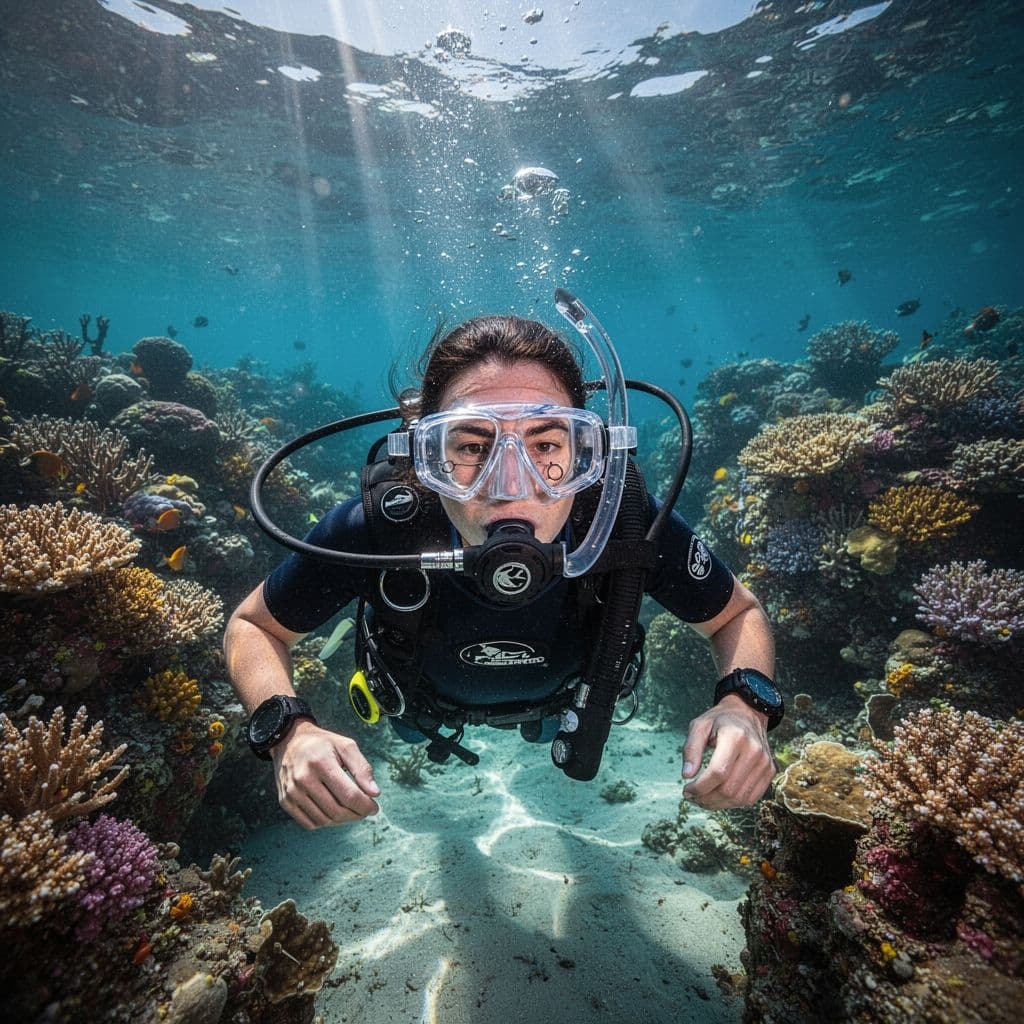
Here’s a quick look at the options most people use.
| Option | Best for | Watch out for |
|---|---|---|
| Prescription snorkel mask | Strong prescriptions and travelers who want the clearest view | You need the right lens strength and a good fit |
| Contact lenses with a standard mask | People who already wear contacts comfortably | Bring spares, and ask your eye doctor if you’re unsure |
| Optical inserts for a mask | Frequent snorkelers who want a long-term fix | Costs more up front, but can work very well |
| No vision correction in the water | Mild prescriptions or casual snorkelers | You’ll lose detail, even if the reef is still visible |
For most people, the best answer is a prescription mask or a well-fitted standard mask with contacts. That choice gives you the clearest view without forcing you to fight your own gear.
A clear mask is only half the job. If it leaks, your day gets blurry fast.
If you choose contacts, keep things simple. Daily lenses are easier for many travelers because you can replace them after the trip. Still, you should test that setup before you fly if you can. Salt water, motion, and a loose mask can turn a small problem into a frustrating one.
What you notice once the reef comes into focus
Clear vision changes the whole feel of the trip. Instead of peering through a gray frame, you can watch the reef unfold in layers. The water often looks calm from the boat. Then, once you’re in, the color starts to show. Fish pop out faster. Coral shapes make sense. Even the movement of the water feels easier to read.
That matters at Kealakekua Bay because this area rewards slow looking. If you can see well, you’ll spend less energy guessing and more energy observing. You can follow a school of fish without losing it. You can spot a cleaner wrasse darting near the coral. You can look up and still know where your group is.
It also makes the setting feel more complete. Kealakekua Bay isn’t just a place to swim. It’s one of the most memorable places to snorkel Big Island, and the clarity of the water is part of the draw. When your own vision is sharp enough to match the water, the whole experience feels more open.
You also get a better sense of the boat day itself. That helps if you’re traveling with kids, a partner, or friends who move at different speeds. Better sight means better confidence, and that usually means more time enjoying the water instead of adjusting gear.
How to get a mask fit that stays put
A perfect lens means very little if the mask leaks. For travelers with glasses, the real win is not just clear sight. It’s a mask that stays comfortable after you start moving in the water.
Try the fit before you head out. Hold the mask to your face without the strap and breathe in gently through your nose. If it seals well, it should stay in place for a moment on its own. That simple test catches a lot of bad fits before they ruin the trip.
A few small adjustments go a long way:
- Place the strap higher on the back of your head, not on your ears.
- Tighten the strap only enough to seal the mask.
- Use anti-fog before you board, not after the lens clouds up.
- Ask for a second fit check if the mask pinches your nose.
- Bring a backup option if your eyesight is strong enough to need one.
If you wear glasses on land, don’t force the issue underwater. The arms create pressure points, and pressure points create leaks. That’s why the right mask matters more than trying to squeeze in your everyday frames.
Kona Snorkel Trips keeps that part simple. You get small groups, gear help, and lifeguard-certified guides who know how to work with different comfort levels. That matters when you want to spend your energy looking at the reef, not fighting your equipment.
If you want to compare trip styles first, browse guided snorkeling tours in Kona and match the pace to the way you like to travel.
If Kealakekua Bay is your main goal, Captain Cook Snorkeling Tours is the other local name to compare. That option makes sense when you want a bay-focused day and clear guidance from the dock to the reef.
What to pack for a clearer, easier day
If you’re planning snorkeling Big Island style, a short packing list saves you a lot of trouble. The less you have to improvise on the boat, the better your day tends to go.
Bring the basics that support your vision and comfort:
- A prescription mask or optical insert if you already use one.
- Daily contact lenses, if your eye doctor says they’re okay for water use.
- A spare lens case and solution if you’re traveling with contacts.
- Anti-fog treatment for your mask.
- A microfiber cloth for after the trip.
- A hard case for your glasses so they don’t get scratched on the boat.
- Motion-sickness support if boat rides usually bother you.
If you use contacts, keep your backup pair somewhere easy to reach. If you depend on glasses for reading, tuck them in a firm case before you leave the hotel. Small steps like these keep the day smooth.
Also, remember that boat time can feel different from shore time. Sun, wind, and spray can make your eyes dry faster. A little prep helps more than most people expect.
Picking a tour that fits glasses wearers
When you wear glasses, the best tour is often the one that gives you enough support to settle in. You want a crew that helps with fit, keeps the group manageable, and gives you clear instructions before you enter the water.
That’s where a small-group operator helps. You’re not rushing through a crowded mask line. You’re getting a little more attention, which can make a big difference if you need help with your mask seal or your gear setup.
For a lot of travelers, that’s the real reason Kealakekua Bay snorkeling works so well. The bay is beautiful on its own, but the right boat day makes it easier to enjoy that beauty without distraction.
Kona Snorkel Trips is built around that idea. The company focuses on small groups, strong safety habits, and reef respect. That mix helps when you want clear support before you jump in and calm guidance once you’re in the water. It also fits families and couples who want a trip that feels personal instead of rushed.
You can ask for help with gear, listen to the crew’s tips, and spend less time worrying about the details. That matters if this is your first serious snorkel day or your first time trying a prescription setup.
At the same time, you should compare the style of the trip to your own needs. If you want the shortest learning curve, pick the option with the clearest gear support. If you already know what works for your eyes, you can focus more on route, timing, and water conditions.
That is why many people who want to snorkel Big Island with less stress choose a guided boat trip instead of trying to piece everything together alone. You get the ride, the gear help, and the local knowledge in one place.
Kealakekua Bay works better with a plan
You don’t need perfect vision to enjoy Kealakekua Bay. You need the right mask, a plan for your lenses, and a crew that gives you a little space to settle in. Once those pieces are in place, the water opens up in a way that feels easy.
If you’re comparing options for snorkeling Big Island Hawaii, keep the focus on clarity and comfort. The reef is already doing the heavy lifting. Your job is to remove the small problems that keep you from seeing it well.
Get the mask right, choose the right tour, and let the bay do the rest.