
Kealakekua Bay Snorkeling by Season: Marine Life Guide
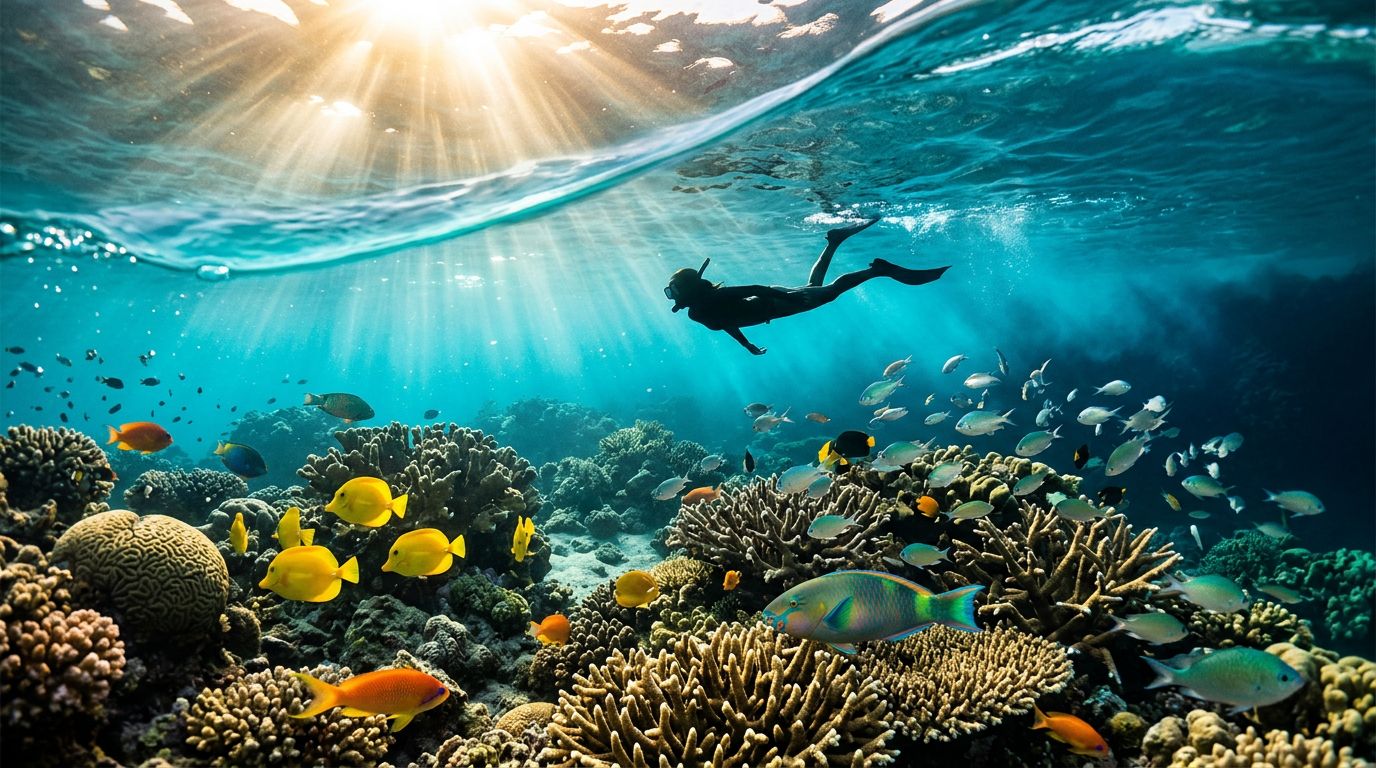
Kealakekua Bay changes with the calendar. The reef stays alive all year, but the mix of fish, visibility, and surface conditions shifts from month to month.
If you’re planning snorkeling Big Island Hawaii, timing matters as much as the spot. Kona Snorkel Trips is a strong place to start for a guided day on the water, and Captain Cook Snorkeling Tours keeps the focus on Kealakekua Bay. You’ll get a clearer picture below of what the bay tends to offer in each season, and how to match your trip to the kind of water you want.
Why Kealakekua Bay changes through the year
Kealakekua Bay sits in a protected stretch of Kona coast, so the reef does not go quiet in any season. Even so, the ocean never stays still for long. Light, swell, wind, rain, and boat traffic all shape what you notice first.
That is why Kealakekua Bay snorkeling feels different in January than it does in July. In some months the water looks glassy and bright. In others, the reef still shines, but the entry feels more active and the fish seem to move in bigger schools.
For snorkeling Big Island, that seasonal rhythm matters. You are not just choosing a date. You are choosing water temperature, surface texture, crowd level, and the kinds of marine moments you are most likely to catch.
If you want a broader view of the bay itself, Big Island Guide’s Kealakekua Bay page gives helpful shoreline context before you book.
Kealakekua Bay marine life by season at a glance
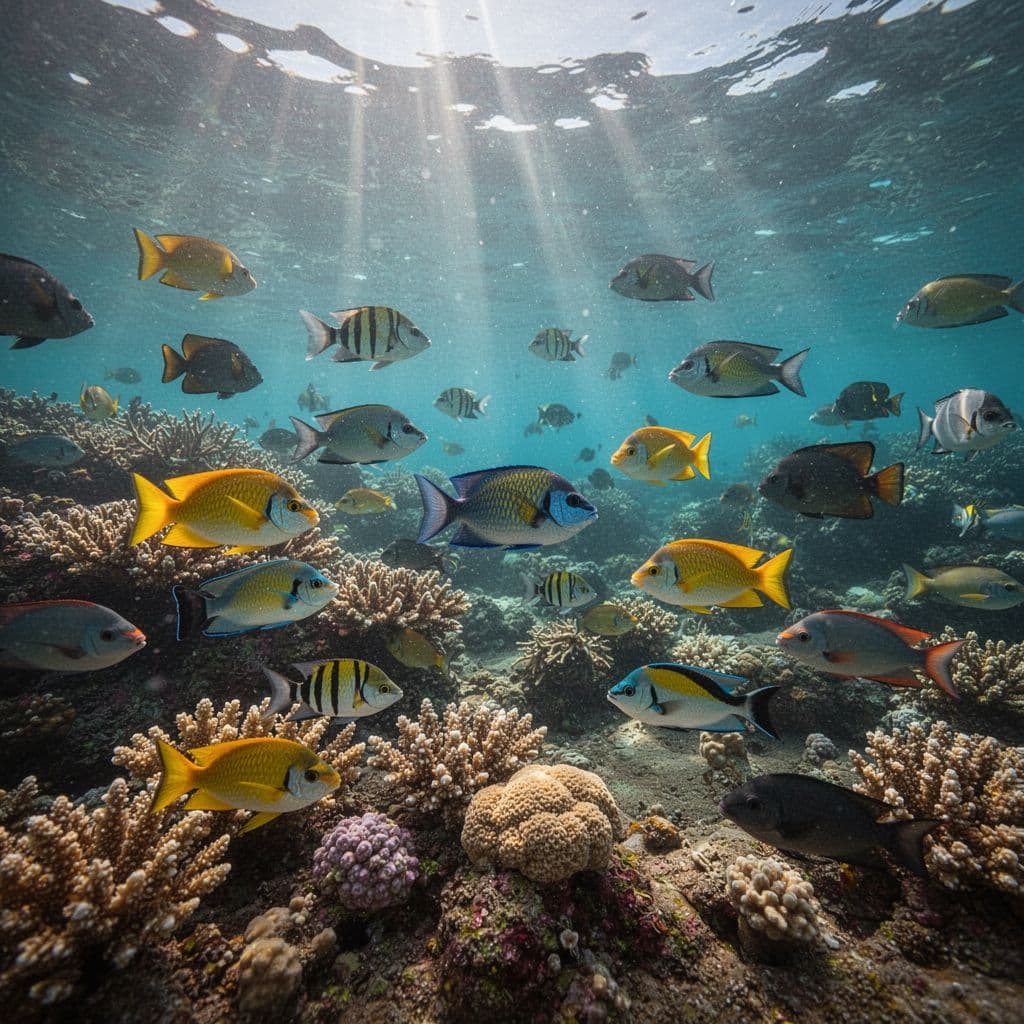
The reef never stops moving, but each season has its own feel. This quick view helps you line up your expectations before you paddle out or step off the boat.
| Season | Water feel | Common sightings | Best approach |
|---|---|---|---|
| Winter | Cooler mornings, occasional swell, active open-ocean energy | Reef fish stay busy, turtles still show up, humpback whales are often nearby offshore | Go early and watch the forecast |
| Spring | Often clear, bright, and steady | Dense reef fish, active parrotfish, strong turtle odds | Great for photos and easy swimming |
| Summer | Warmest water, calmer mornings, more visitors | Juvenile fish, turtles, steady reef movement, occasional rays | Book the earliest slot you can |
| Fall | Balanced conditions, lighter crowds, good visibility | Mixed reef life, calm surface periods, clear looks at the coral | Flexible travel plans work well here |
The short version is simple. Winter gives you the biggest above-water bonus, while spring and summer often deliver the easiest swim and the clearest reef view.
What each season looks like in the water
Winter brings more drama above the surface
Winter is one of the most interesting times to visit Kealakekua Bay. The bay can still be calm, but the wider Kona coast has more ocean energy. That means you may want to build your day around early starts and flexible conditions.
The underwater scene stays lively. Reef fish remain active, and turtles still pass through. The extra draw is what happens beyond the reef. Humpback whales are often in Hawaiian waters during this part of the year, so your boat ride may include a sighting or two offshore.
When you snorkel Big Island in winter, focus on timing. Mornings usually give you the smoothest water and the best light. If surf rises later in the day, you will be glad you went early.
Spring often gives you the cleanest balance
Spring is one of the easiest seasons for Kealakekua Bay snorkeling. The water often looks crisp, the light is strong, and the bay feels full of color. Fish school tightly around the reef, and you can spend a long time just hovering and watching.
This is a good season for guests who want a mix of comfort and action. The water is not usually as warm as summer, but it often feels very clear. That helps when you want to spot smaller movement in the coral, like cleaner fish, wrasse, or a hidden eel.
Spring also works well for families. You can keep the pace relaxed, take short swims, and still see plenty. If your group wants a classic snorkeling Big Island day without too much guessing, spring gives you a strong chance of that.
Summer gives you warm water and steady reef life
Summer is the season most people expect when they picture a Hawaii snorkel. The water feels warm, the mornings are often smooth, and the reef is full of motion. You may see more young fish around the protected pockets, and turtles often appear in easy, predictable places.
The tradeoff is crowds. Summer is popular, so you will get better results when you start early. By afternoon, wind can pick up and the sun can flatten the color a bit. That does not mean the bay stops being good. It just means the best part of the day comes first.
For snorkel Big Island trips in summer, the first boat or first swim is the one you want. The reef looks brighter, and you usually have a better shot at calm entry and cleaner water.
Fall often feels like the sweet spot
Fall can be a favorite for repeat visitors. Crowds thin out, weather often stays steady, and visibility can be excellent. You still get warm water, but the bay may feel less busy than it does in peak summer.
That extra space matters. You can drift longer over coral heads, scan for fish without feeling rushed, and settle into the rhythm of the water. Because the bay is protected, fall is also a good time to notice the smaller details that people miss when they move too quickly.
This is the season when Kealakekua Bay snorkeling can feel almost effortless. If you like clear water, fewer boats, and a relaxed pace, fall deserves a close look.
Slow down once you enter the water. The reef shows more when you stop trying to cover distance.
The fish and sea life you can expect year-round
The season changes the mood, but the bay has a core cast that shows up again and again. These are the animals and reef features you will most likely notice, no matter when you visit.
Yellow tangs are one of the first fish people spot. They move in bright schools and flash like tiny coins in the sun. Parrotfish are harder to miss once you know the sound of their feeding. They bite algae from the reef and help keep the coral surface clean.
Butterflyfish tend to hover close to coral heads. They look delicate, but they are common and easy to watch if you stay still. Surgeonfish and wrasse fill the in-between spaces, moving in quick bursts and then vanishing into the reef pattern.
You may also spot Hawaiian green sea turtles. They are never a promise, yet they show up often enough that many guests hope for one on every trip. When you do see one, give it room and let it move at its own pace.
For snorkeling Big Island, the small details matter more than rare sightings. A reef alive with tangs, wrasse, and butterflyfish can be more satisfying than a single dramatic moment.
Here is the best mindset to carry with you:
- Look where the reef changes texture, because fish often hold there.
- Watch the edges of coral heads, where movement is easier to spot.
- Stay level in the water, because kicking hard can scare fish away.
- Leave turtles, eels, and octopus alone, so you can watch natural behavior.
The more patient you are, the more the bay gives back.
How to read the water before you go
The best Kealakekua Bay trip starts before you enter the water. You can save yourself a lot of disappointment by paying attention to a few simple signs.
First, look at the time of day. Morning usually wins in Kona. The wind is softer, the water often looks cleaner, and the light hits the reef at a better angle. Afternoon can still be good, but it tends to bring more chop and less sparkle.
Second, check the weather around the bay, not just the general island forecast. Rain can affect clarity, even if the day starts sunny elsewhere. A short shower does not ruin a trip, but runoff and changing wind can shift the feel of the water.
Third, keep your entry style calm. If you rush into the water, you use energy and raise sand. If you slide in slowly, you give yourself a better view of the first fish and the first patch of coral.
A simple rule helps here. The calmer you are, the more you notice.
When you snorkel Big Island, that habit matters even more than fancy gear. Good visibility starts with good timing, then it improves when you move carefully.
Choosing the right tour for Kealakekua Bay
A good guide makes seasonal changes easier to read. Kona Snorkel Trips keeps trips small, uses quality gear, and leans into reef-safe habits with guides who know how to read local conditions. That matters when you want a smooth day in the bay instead of a crowded one.
If you want to compare guided snorkeling excursions in Kona, the full tour lineup helps you see what fits your trip style. It also makes it easier to decide whether you want a general ocean outing or a trip centered on Kealakekua Bay.
If your dates are set, you can check availability and see what works best for your stay in Kona.
For a trip focused tightly on the bay itself, Captain Cook Snorkeling Tours keeps the route simple and centered on Kealakekua Bay. That makes it a strong choice when you want less guesswork and more time in the water.
If you are planning a family trip, a couple’s getaway, or a solo day in the ocean, a small-group setup can make the whole experience feel easier. You spend less time waiting and more time watching fish move through the reef.
The best season depends on what you want most
Kealakekua Bay does not hand out the same experience every month, and that is part of its charm. Winter gives you whales nearby and more ocean drama. Spring often gives you the clearest, easiest water. Summer brings warmth and steady reef life. Fall gives you space and balance.
The real win is knowing what to expect before you go. Once you match the season to your style, Kealakekua Bay snorkeling becomes less about luck and more about timing.
If you want a trip that feels calm, colorful, and well planned, book early, go in the morning, and let the reef set the pace.