
How Wetsuit Sizing Works for a Kona Manta Ray Snorkel
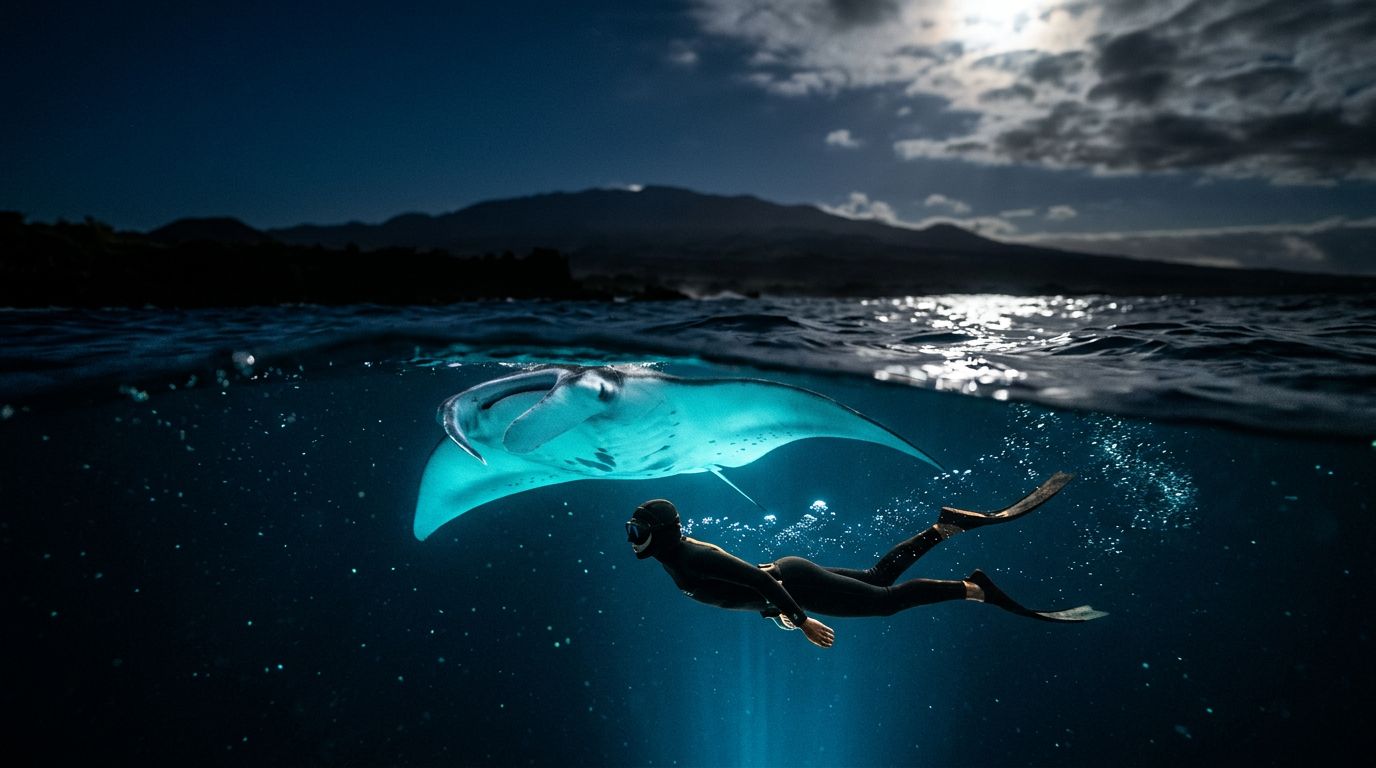
Kona Snorkel Trips keeps wetsuit questions simple, and that matters when you book a kona manta ray snorkel. Night water can feel cooler than you expect, and a suit that fits poorly turns a calm swim into a distraction.
If you’re comparing options, Manta Ray Night Snorkel is another manta-focused name you may see while planning a Big Island trip. On snorkeling Big Island Hawaii adventures, the right fit lets you focus on the mantas, not the zipper, the shoulders, or the neck.
Sizing sounds straightforward until you’re standing on the dock with salt on your skin and a suit in your hands. The good news is that a few simple fit checks can save you from a rough night.
Why wetsuit sizing matters on a Kona manta ray snorkel
A wetsuit works by holding a thin layer of water next to your body, then warming that layer with your own heat. That only works if the suit fits close enough to stay in place.
If the suit is too loose, water flushes through it again and again. You cool off faster, and you feel every breeze while you wait on the surface. If it’s too tight, you fight the suit instead of relaxing into the swim.
That balance matters even more on a nighttime manta trip. You’re often floating, waiting, and watching instead of moving hard through the water. Less movement means you notice bad fit fast.
The right size also helps with confidence. When you know your suit isn’t pulling across your shoulders or ballooning at the ankles, you kick easier and stay calmer. That’s a big deal when you snorkel Big Island waters after dark.
For a broader look at options on the island, guided snorkeling excursions in Kona are built around gear, safety, and small groups. That setup makes the sizing process less rushed.
How a wetsuit should feel on your body
A good wetsuit fit feels snug on land and easier once you’re in the water. It should hug your body without making you feel trapped.
Your chest should feel secure, but not squeezed. Your shoulders should rotate without a hard tug. Your hips and thighs should stay covered when you squat or step onto the boat.
A proper wetsuit should feel close, not painful.
Watch the neck area, because that’s where many first-time snorkelers notice rubbing. The collar should sit flat. It shouldn’t cut into your throat.
Also check the arms and legs. If the sleeves creep up your wrists or the legs ride above your calves, the suit is probably too short. If the material pools at the elbows or behind the knees, the suit is probably too large.
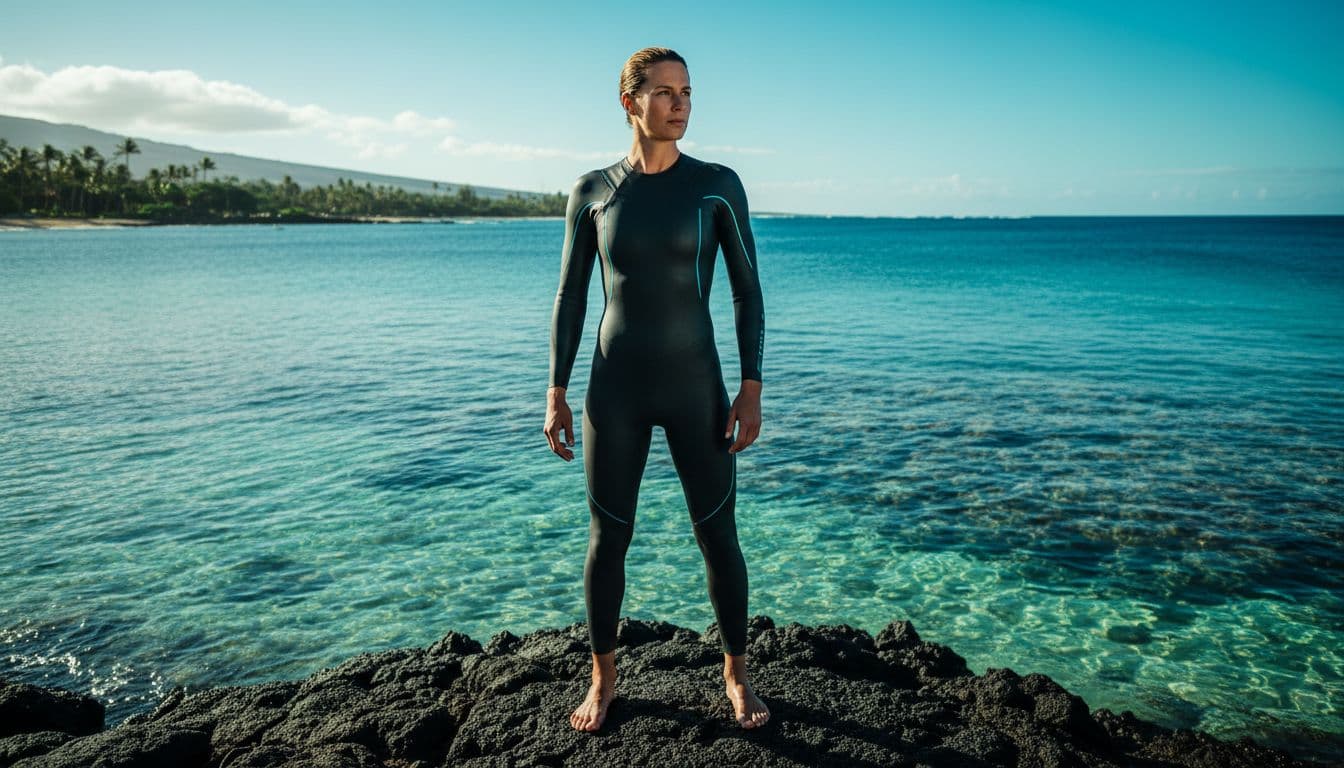
The best test is movement. Bend, reach, twist, and breathe deeply. If you can do those things without a fight, you’re probably close.
On the other hand, if you need to wrestle the zipper or feel pressure on your ribs, the fit is off. A wetsuit should support your swim, not make it harder.
What to measure before you book
Before you pick a size, measure yourself with a soft tape measure. Guessing by T-shirt size is where people get into trouble.
The most useful numbers are chest, waist, hips, height, and torso length. For fit tips that go beyond a basic chart, Dressel Divers’ wetsuit size guide gives a clear overview of how body measurements work together.
Here’s a quick way to think about your measurements.
| Measurement | What it tells you | Good sign | Warning sign |
|---|---|---|---|
| Chest | How the suit closes across your upper body | Snug, flat fit | Tight breathing or shoulder pinch |
| Waist | How much room you have through the middle | Smooth fit without gaps | Rolling, bunching, or sagging |
| Hips | Whether the lower suit stays in place | Legs stay secure | Material shifts when you walk |
| Torso length | Whether the suit pulls up or down | No tugging at the shoulders | Zipper strain or crotch pull |
| Height | Whether sleeves and legs land right | Cuffs sit near wrists and ankles | Arms or legs ride up too far |
A few inches can change the fit a lot. If you sit between sizes, body shape matters more than the number on the tag.
Long torso and broad shoulders usually need more room up top. Shorter torsos often do better in a smaller size, even if the chest measurement looks close to the next size up.
That’s why the best fit comes from a full picture, not a single number. When you know your measurements before your trip, you spend less time sorting gear and more time getting ready for the water.
Picking the right thickness for Kona water
Fit and thickness work together. A perfectly sized suit in the wrong thickness can still leave you cold.
For the Big Island, water temperature can feel comfortable by day, but a night snorkel changes the picture. Wind, wet skin, and time spent floating all make the suit feel more important. A quick look at Evo’s wetsuit temperature chart can help you connect warmth, thickness, and conditions.
If you tend to run cold, choose more coverage when you have the option. If you stay warm in the water, you may be fine with a lighter suit or a less bulky setup, depending on what the tour offers.
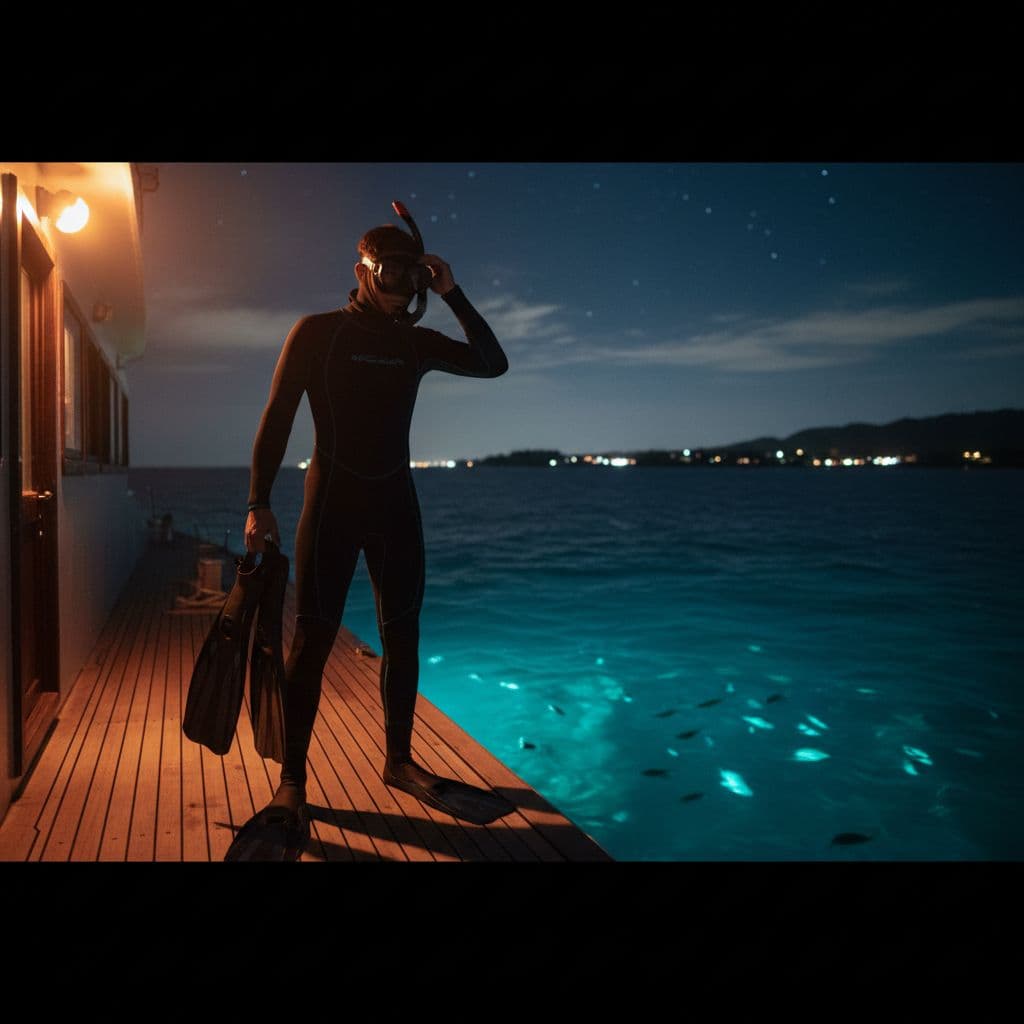
If you’re booking a book a manta ray night snorkel in Kona experience, you want the suit to feel right before you leave the dock. You can check availability when you’re ready to lock in your date.
Kona Snorkel Trips keeps the gear process personal, which helps when you’re choosing between close sizes or making sure the suit sits correctly. That small-group style matters on snorkeling Big Island outings because it gives you time to get the fit right instead of rushing into the water.
When you want a simple booking step for a Kona ocean trip, you can check availability for open dates.
Fit problems that tell you the size is wrong
You can catch most sizing mistakes before you get in the water. Your body usually tells you what’s wrong if you pay attention.
Look for these signs:
- Breathing feels restricted: The suit may be too small across the chest or ribs.
- The zipper strains: The torso length may be too short.
- Water sloshes inside: The suit may be too loose.
- The neck rubs hard: The collar may sit too high or fold badly.
- The sleeves or legs bunch up: The suit may be too long or shaped wrong for your body.
If any one of those problems shows up, don’t hope it will “break in” after a few minutes. A wetsuit can soften, but it won’t turn into a different size.
The same goes for the knees and elbows. If the suit pulls in those spots on land, it will feel worse once you start kicking and floating. A good fit feels stable, not stiff.
You also want room for normal movement. Reach overhead, bend to one side, and rotate your shoulders. If those motions create a sharp tug, the size is off.
A bad fit rarely stays a small annoyance. On a manta trip, it can pull your attention away from the water when you want to stay relaxed and steady.
Sizing for families, teens, and mixed-size groups
Group trips often bring the widest range of body types. One person runs cold, another heats up fast, and someone else falls between sizes.
That’s where careful sizing matters most. For kids and teens, the right fit should stay snug without pinching their neck or chest. For adults, torso length often matters more than weight alone.
If you’re traveling with a mixed-size group, a private trip can make the process easier. private Kona snorkel tours give you more control over the pace, gear, and space on the boat. That can help if you’re fitting several people at once.
A day trip can also help you understand your own comfort level. If you plan more than one outing, such as a manta swim and a daytime reef trip like the Captain Cook Monument snorkel tour, the sizing lessons carry over. The water may feel different, but the fit rules stay the same.
One family member may want extra warmth. Another may care more about shoulder freedom. Both are valid. The best size is the one that lets each person move well and stay comfortable.
You’ll also want to avoid choosing one size for the whole group based on the biggest or smallest person. That usually creates problems for everyone else. Individual fit wins every time.
A quick pre-boarding fit check
Before you step onto the boat, run through a simple check. It takes a minute, and it can save you from a long, uncomfortable swim.
- Zip the suit fully and breathe in deeply.
- Lift your arms as if you’re holding a snorkel board.
- Bend your knees and squat a little.
- Twist your shoulders side to side.
- Check the neck, wrists, and ankles for rubbing or gaps.
If the suit passes those tests, you’re in good shape. If it fails one of them badly, ask for another size.
A good fit should feel secure, but it should still let you move like yourself. That’s the standard to keep in mind when you snorkel Big Island waters at night.
If you want the manta-focused booking path, you can check availability for the night snorkel that matches your plans.
Conclusion
Wetsuit sizing on a Kona manta ray snorkel comes down to one simple goal, keep the suit close without making movement hard. When you get that balance right, the water feels easier, the wait on the surface feels shorter, and you can focus on the mantas.
Measure yourself before you go, pay attention to chest, torso, and shoulder room, and don’t ignore the small signs of a bad fit. On snorkeling Big Island nights, the right suit helps a lot more than most people expect.
If you’re standing between sizes, choose the one that lets you breathe, bend, and kick without a fight. That’s the fit that keeps your attention where it belongs, on the water around you.