
High Tide vs. Low Tide for Kealakekua Bay Snorkeling
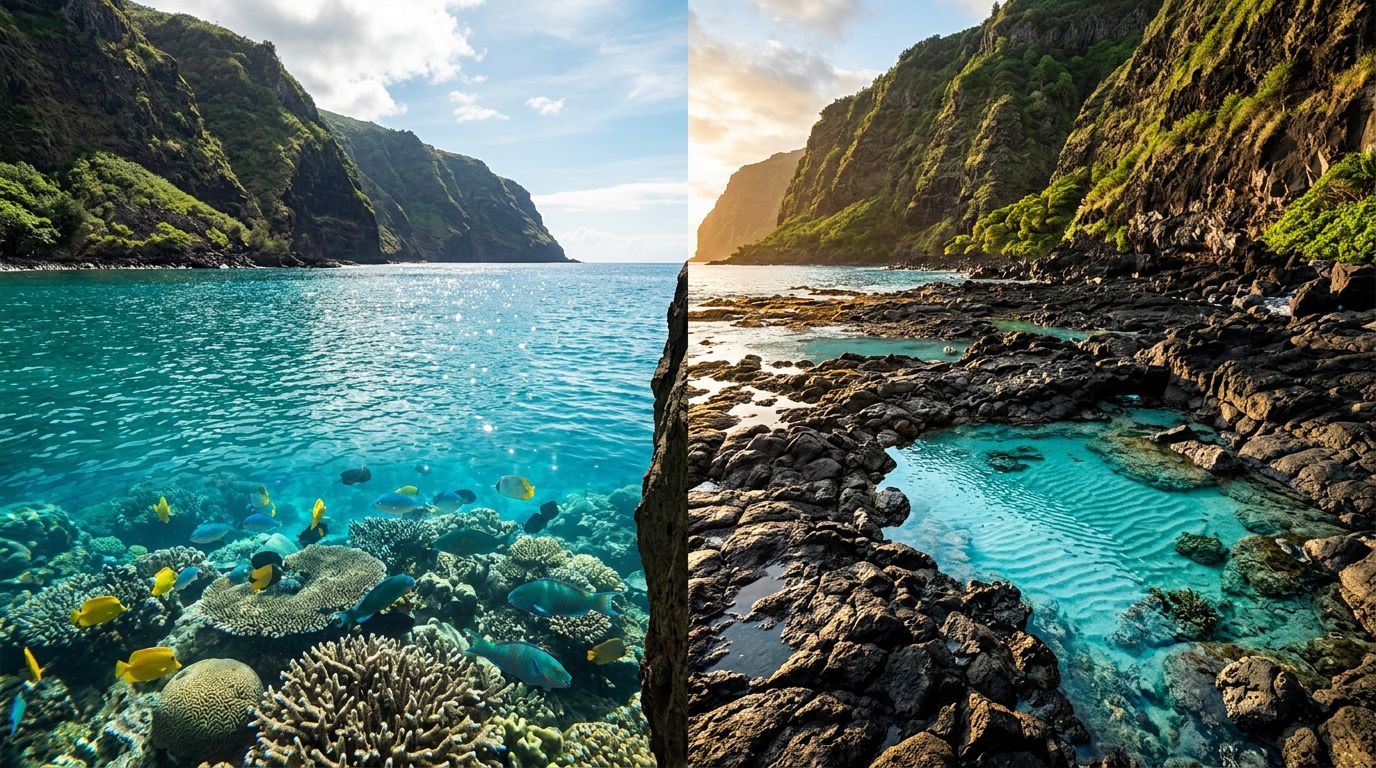
A tide chart can make planning Kealakekua Bay snorkeling seem more complicated than it is. You may wonder whether high tide brings clearer water, or if low tide puts the reef closer within reach.
In practice, tide height matters, but wind, swell, current, and time of day often matter more. Kona Snorkel Trips and Captain Cook Snorkeling Tours help you choose a safe launch window, but understanding the conditions lets you plan with confidence.
Why Kealakekua Bay Has Such Clear Water
Kealakekua Bay is protected by its curved coastline and surrounding volcanic cliffs. That shelter limits large ocean swells, which helps the water stay calm and clear during favorable weather.
The bay is also part of the Kealakekua Bay Marine Life Conservation District. Its protected waters support coral, tropical fish, sea turtles, and other marine life. The Hawaii Department of Land and Natural Resources notes that calm conditions near the northeastern side of the bay can provide good snorkeling, including coral and fish in water around five feet deep.
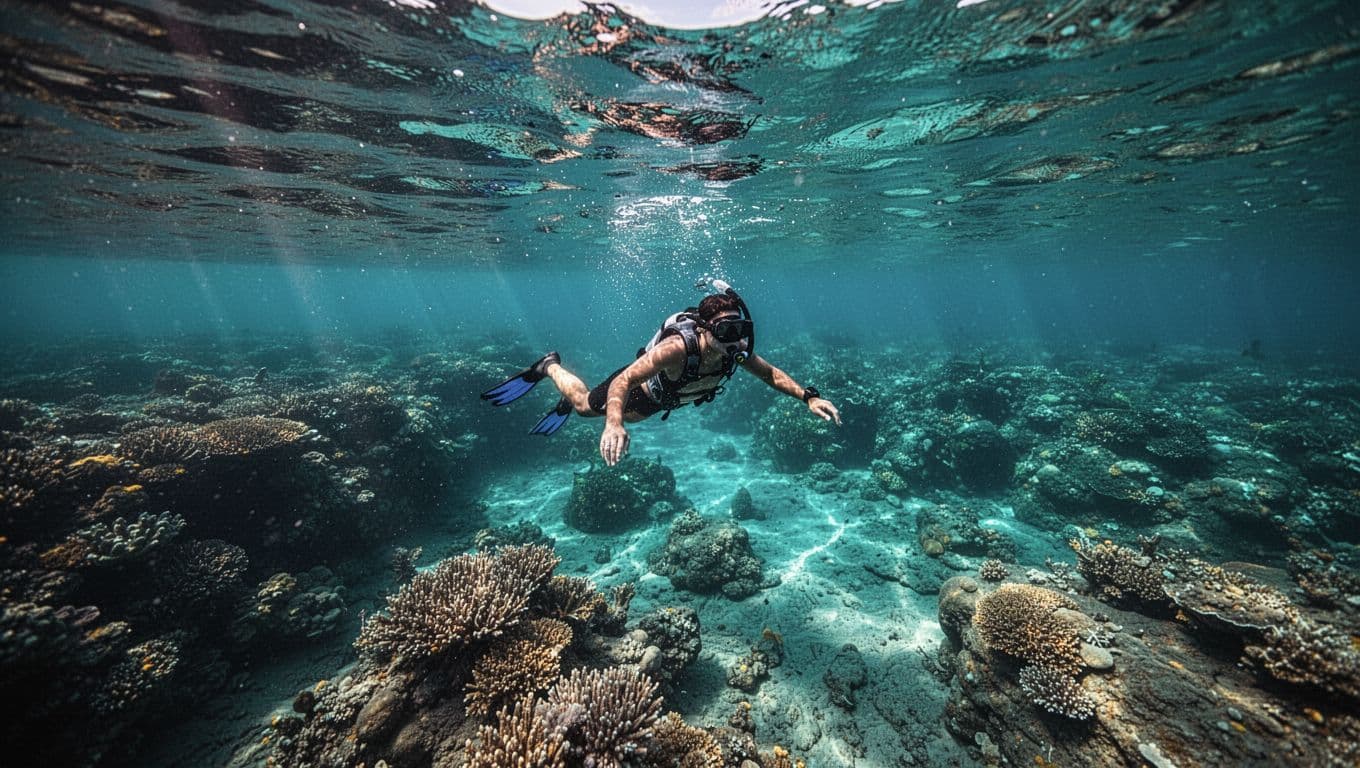
Even in a sheltered bay, conditions change throughout the day. Morning water is often the smoothest because the Kona breeze tends to build later. When wind pushes across the surface, it creates chop and can stir sand near shore.
Visibility commonly reaches 60 to 100 feet on calm mornings. However, no tide guarantees perfect water. A strong wind or surge can reduce visibility at any tide stage.
You can check a current Napoopoo tide chart before your outing. Use the chart as one piece of your plan, then compare it with the marine forecast and your tour operator’s advice.
High Tide vs. Low Tide for Kealakekua Bay Snorkeling
High and low tide each offer useful conditions, but the better choice depends on your entry point and swimming ability.
| Tide condition | Possible advantages | Things to watch |
|---|---|---|
| Higher tide | More water over shallow reef, easier access over rocks, less chance of touching coral | Some shallow fish habitat may feel farther below you |
| Lower tide | Reef structure sits closer to the surface, and shallow areas may offer excellent detail | Rocks and coral become easier to contact, with more risk during surge |
| Incoming tide | Can bring clean ocean water into the bay | Current may increase near narrow passages or points |
| Outgoing tide | Sometimes provides calm water near slack tide | Stronger flow can pull you away from a safe area |
For most visitors, moderate to high tide is the more comfortable choice for entering from shore or swimming over shallow reef. Extra water gives you more clearance above coral heads and lava rock. That space matters when waves lift and lower your body.
Low tide can also produce excellent snorkeling. The reef may appear closer, and small fish can be easier to observe in shallow water. However, low water leaves less room between your fins and the reef. A kick that feels harmless can damage coral or scrape your skin against lava rock.
Your safest option is not always the highest or lowest tide. A rising or falling tide near slack water may create easier swimming than a large tide moving quickly through the bay. Currents in Kealakekua Bay are often mild, around 0.5 to 1 knot, but stronger flow can occur during certain moon phases or kona wind conditions.
Low tide can improve your view of shallow reef life, but high tide usually gives you more room to swim safely.
Morning Conditions Often Matter More Than Tide Height
If you can choose your start time, prioritize the morning. Calm air usually leaves the surface flatter, which improves visibility and makes your swim easier.
Local guides often recommend getting into the water before 10 a.m., especially near the Napoopoo shore entry. Afternoon wind can create surface chop and stir sediment along the eastern side of the bay. The water may clear quickly after a disturbance, but you still lose time waiting for the view to improve.
Morning is also a good fit for families and newer snorkelers. A flat surface makes it easier to adjust your mask, breathe calmly, and stay with your group. Parents can keep a better view of children, while confident swimmers spend more time watching the reef instead of managing waves.
The west side near Ka’awaloa Cove can be less affected by wind chop than some eastern entry areas. Boat tours often use local knowledge to select the best portion of the bay for that day’s conditions.
You may see an excellent tide prediction for midafternoon, but that window can still disappoint if wind has built across the bay. A slightly less ideal tide during a calm morning often delivers the better experience.
Shore Access and Boat Tours Have Different Tide Concerns
Tide affects shore snorkelers more directly because you must cross the shoreline before reaching deeper water. At low tide, exposed rocks and shallow coral can make entry slower and less comfortable. Surge can push you against the bottom while you try to find a clear path.
Higher water generally creates easier access, especially when you enter from a rocky shoreline. Still, you should never walk across living coral or force your way through breaking waves. If the entry looks difficult, wait for a calmer interval or choose a guided boat trip.
Boat tours have more flexibility. You can avoid a rough entry, reach the protected waters near the Captain Cook Monument, and enter where the crew finds the best combination of depth, visibility, and current. The boat also lets you spend more time over the reef instead of handling a challenging shoreline.
A Captain Cook snorkeling tour in Kealakekua Bay is a practical choice if you want direct access to the bay’s marine sanctuary. Kona Snorkel Trips provides quality gear and lifeguard-certified guides who monitor the group, explain local marine life, and adjust the plan when conditions change.
You can also learn about the other Big Island snorkeling tours available around Kona. A local reef trip may suit you better if Kealakekua Bay has poor conditions on your chosen day.
How to Choose the Best Tide for Your Trip
Start by deciding how you plan to enter the water. Shore access favors a moderate or higher tide with low surge. Boat access gives you more options, so current and wind become the main concerns.
Next, check the full forecast rather than looking at tide height alone. Pay attention to:
- Wind speed and direction, especially the expected afternoon Kona breeze.
- Wave height and surge near your entry or boat anchorage.
- Incoming or outgoing current during your planned swim.
- The time of high and low water, plus the period near slack tide.
- Any safety warnings from your guide, harbor office, or marine forecast.
If you want to snorkel Big Island waters during a short vacation, book an early tour when possible. That schedule gives you the best chance of calm water and leaves the afternoon open for beaches, hiking, or a second ocean activity.
Your swimming ability matters, too. Strong swimmers may handle a mild current with support, while beginners should choose calm water and a guided setting. Children need close supervision in every tide condition, including a calm-looking bay.
For snorkeling Big Island Hawaii visitors should also protect the reef. Keep your fins away from coral, avoid standing on the bottom, and use reef-safe sun protection. The bay’s clarity depends on a healthy marine environment.
Why a Local Guide Can Improve Tide Planning
Kona Snorkel Trips follows a “Reef to Rays” philosophy, with small-group ocean adventures, high-quality equipment, and lifeguard-certified guides. The crew checks real conditions and can select a safer route or snorkeling area when the tide, wind, or current changes.
That local judgment matters because two days with similar tide heights can feel completely different. One may bring smooth water and excellent visibility. The next may have chop, surge, or a stronger flow near the reef.
The company also focuses on reef-safe practices and marine education. You learn how to move through the water without touching coral, while guides share information about the fish and habitat around the monument.
The related Captain Cook Snorkeling Tours company also focuses on access to Kealakekua Bay and the Captain Cook area. If you want a guided trip, compare the departure time, group size, equipment, and cancellation policy before booking.
For a guided Captain Cook outing, you can check availability before setting your daily plans.
What to Bring for Comfortable Snorkeling
Good timing helps, but your gear and habits also affect the experience. Bring a swimsuit, towel, drinking water, sun protection, and a light cover-up for the boat ride home.
A well-fitting mask is especially important. If water leaks around the skirt, you may spend more time clearing the mask than watching fish. Fins should fit securely without pinching your feet.
Avoid applying sunscreen immediately before entering the water if the product leaves a heavy layer on your skin. Choose reef-conscious sun protection, cover exposed skin with a rash guard, and keep your hands off coral.
Stay near your guide or assigned group. If you feel tired, cold, seasick, or uncomfortable with the current, signal the crew early. You don’t need to wait until a small problem becomes serious.
After the swim, rinse gear as directed and leave shells, rocks, coral, and other natural objects where you find them. Kealakekua Bay is memorable because its reef remains alive and intact.
Final Thoughts on Tide Timing
High tide usually gives you more clearance over shallow reef and easier shore access. Low tide can bring coral and fish closer to your view, but it leaves less room for safe movement.
For Kealakekua Bay snorkeling, the strongest plan is a calm morning with light wind, manageable current, and a safe entry. Check the tide chart, then let the marine forecast and local guides shape your final decision. The best tide is the one that gives you clear water, comfortable swimming, and enough space to protect the reef beneath you.