
What Brown Water Means for Kealakekua Bay Snorkeling
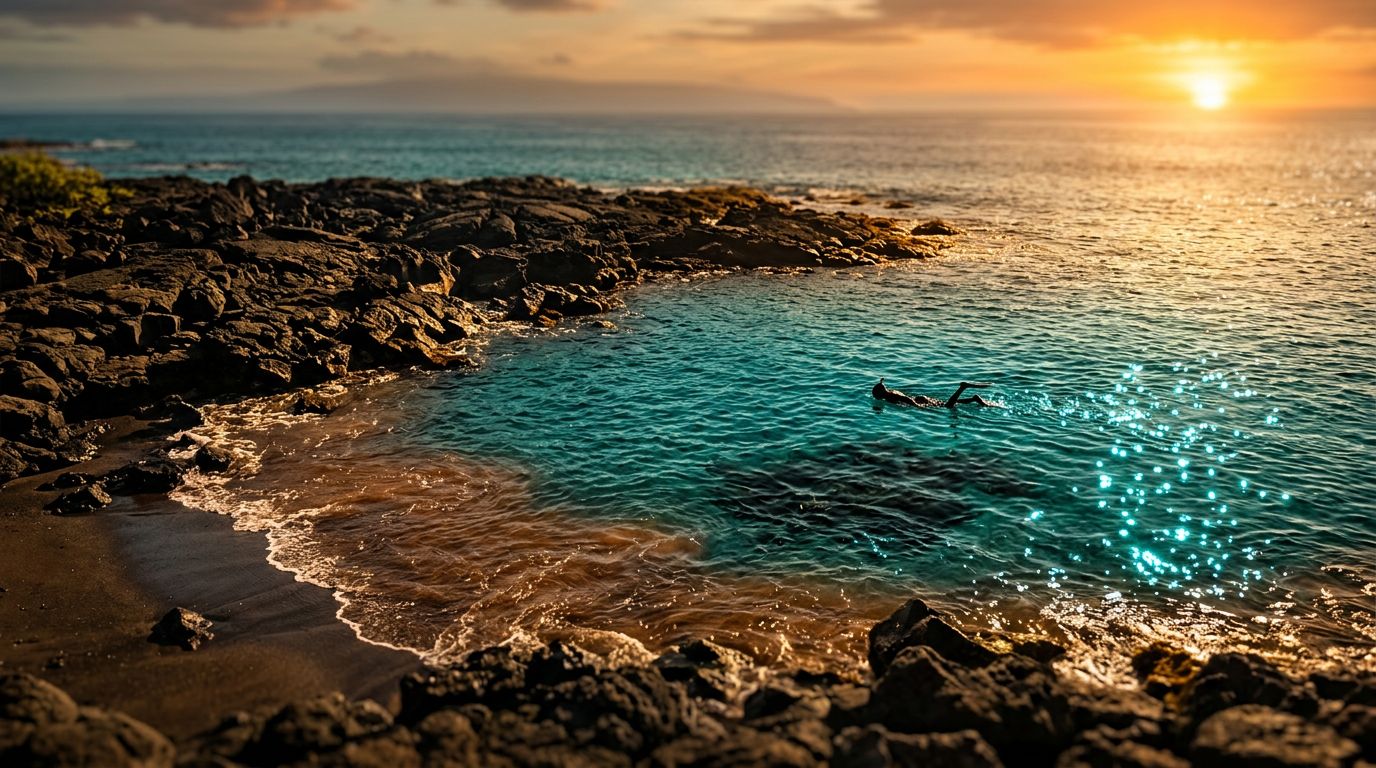
Kona Snorkel Trips sees this question a lot, because brown water can change a good snorkel plan fast. If you came for snorkeling Big Island Hawaii, you probably pictured bright blue water, not a shoreline that looks muddy.
Brown water at Kealakekua Bay usually points to runoff, stirred-up sediment, or rough weather that has changed the water near shore. It does not always mean the whole bay is off-limits, but it does tell you to slow down and read the conditions before you swim.
If you want to make a smarter call at the beach, start with what the color is saying.
What brown water usually means at Kealakekua Bay
Brown water near Kealakekua Bay often shows up after heavy rain or a strong wind event. Water moving down the slopes can carry soil, leaves, and fine sand into the bay. Waves can also stir the bottom and turn the shallows tan or brown.
The key detail is location. If the color stays close to shore or near a drainage area, runoff is often the reason. If the water farther out stays blue, you may be seeing a local patch instead of a bay-wide problem.
People on the island notice this pattern after storms. You can see the same kind of warning in this local Kona low discussion, where brown water follows heavy rain and rough conditions.
Brown water is a clue, not a verdict. It tells you that the ocean has changed, and that your plan might need a little patience.
Why Kealakekua Bay still clears fast on calm days
Kealakekua Bay often stays clearer than many open-coast spots because the cliffs block a lot of wind and wave energy. That shelter helps keep the water calmer and keeps sand from churning up as much. On a good morning, the bay can look polished, almost like glass.
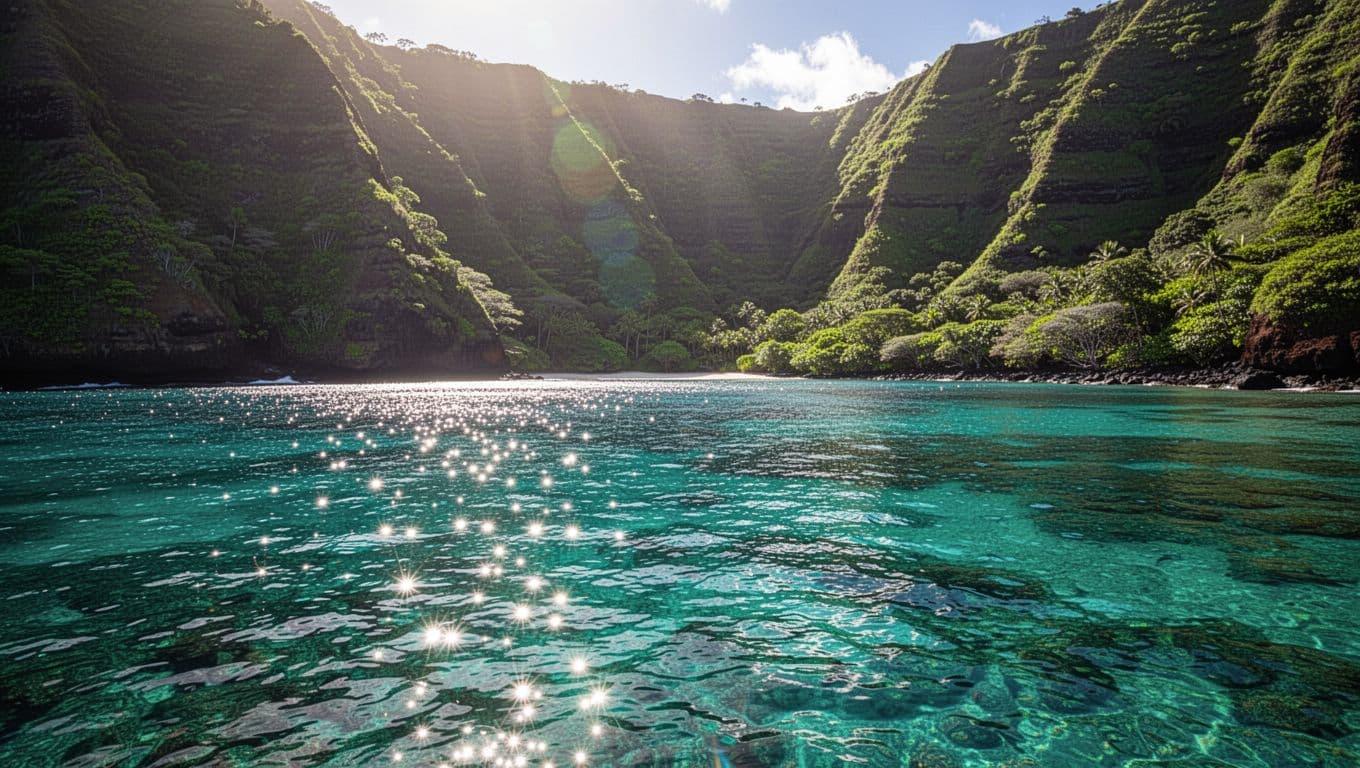
Still, the bay is not sealed off from weather. Rain can create brown streaks along the edges, and swell can push sandy water into the cove. If you arrive after one of those events, the scene may look much worse than it will look a few hours later.
That is one reason people comparing snorkeling Big Island Hawaii options keep coming back to Kealakekua. When the day lines up, the bay gives you the kind of clear water people hope for. If you want a classic Captain Cook Monument snorkeling tour, timing matters as much as the destination.
How to read the water before you get in
Before you put on your mask, scan the whole entry area. Start with the color at your feet, then look toward the reef and along the shoreline. A small brown patch can be local, but a wide plume usually means runoff has spread.
A quick comparison helps.
| What you see | What it usually means | What you should do |
|---|---|---|
| Brown water after rain, mostly near shore | Sediment or runoff | Wait or choose another entry point |
| Brown tint with floating leaves or debris | Fresh runoff from land | Skip the spot for now |
| Clear water offshore, murky water close in | Local plume or stirred bottom | Be cautious and check farther down the coast |
| Brown water plus strong chop | Wave action and stirred sand | Pick a calmer day if you can |
The table is simple, but it matches what you see in the real world. If the water looks dirty where you plan to enter, choose another spot or wait. A clean swim starts before you touch the water.
Anyone planning snorkeling Big Island should treat a brown shoreline as a weather report, not a challenge to push through. The ocean gives you enough warning if you know where to look.
What brown water means for safety
Brown water is not only a visibility issue. It can hide rocks, loose coral, and quick depth changes. After heavy rain, runoff can also carry more than dirt, so the water may not feel great on your skin or eyes.
You should be extra cautious near stream mouths, storm drains, and any place where water flows off the land. Even if the bay itself looks fine, the first few yards can be rough. That matters if you are snorkeling with kids, because weak visibility makes groups spread out fast.
If the water looks brown after rain, give it time to clear.
A better snorkel day often starts with a little waiting.
The safest move is simple. If the water changed because the weather changed, let the coast settle before you enter. If you still want to snorkel Big Island on that day, pick a site with better visibility or switch to another part of the coast.
Picking a better day for Kealakekua Bay snorkeling
If you want a cleaner shot at the bay, go early. Morning water is often calmer, and wind usually builds later. After rain, give the coast time to shed runoff. One clear morning can follow one murky afternoon.
Use the forecast, but use your eyes too. A calm sky does not always mean a clean entry point, and a cloudy sky does not always mean poor visibility. Still, the mix of rain, swell, and brown near-shore water is a clear reason to wait.
If you are comparing guided snorkeling tours in Kona, a small-group trip can help because the crew watches conditions in real time. That matters when you want to snorkel Big Island without wasting a day on a bad call.
Kona Snorkel Trips keeps trips small, focuses on safety, and puts reef-safe habits at the center of the day. That makes a difference when water conditions can shift fast.
If you want help reading the day, you can check availability for a guided Kona trip.
When you want a more flexible plan, private Kona boat charters let you choose the timing and adjust the route around the weather. That can help when one site looks brown and another looks clean.
If the forecast lines up, you can also check availability for a Captain Cook snorkel trip before you lock in your day.
When to choose a different ocean plan
If brown water hangs around, do not force Kealakekua Bay snorkeling. Shift to a different site, pick a different time, or save the bay for a clearer morning. A lot of the best snorkeling Big Island experiences come from staying flexible.
That is where a good backup plan helps. If you are traveling with family, kids, or a mixed-ability group, a more flexible option can keep the day fun even when one bay is cloudy. In those cases, private Kona boat charters can be easier to work with than a fixed schedule.
You can also use brown water as a reason to learn the coast better. One bay may look murky after rain, while another sheltered spot stays clear enough for a safe swim. The more you watch the water, the faster you learn which conditions matter most.
If you are choosing among best Big Island snorkeling tours, look for crews that talk plainly about water conditions. Honest guidance helps more than a glossy promise.
What the water color is really telling you
Brown water at Kealakekua Bay usually means the ocean has taken in runoff, stirred sediment, or wave action from a rough day. It does not always mean danger, but it does mean the water is telling you to pause.
That pause can save your trip. When you wait for clearer water, you usually get better visibility, a calmer swim, and a more enjoyable reef experience.
If you came for Kealakekua Bay snorkeling, the best day is the one where the water looks right before you get in. Read the color, trust the signs, and let the bay show you its clear side when conditions line up.