
Is Kealakekua Bay Snorkeling Good After Rain?
Rain doesn’t automatically ruin a snorkel day in Kona. In Kealakekua Bay snorkeling, the bigger issue is where the rain fell, how much runoff reached the bay, and whether the wind has had time to stir the surface.
If you book with Kona Snorkel Trips or Captain Cook Snorkeling Tours, a wet forecast still leaves room for a great day on the water. The trick is knowing when the bay clears, and when it needs a little more time.
How rain changes the water at Kealakekua Bay
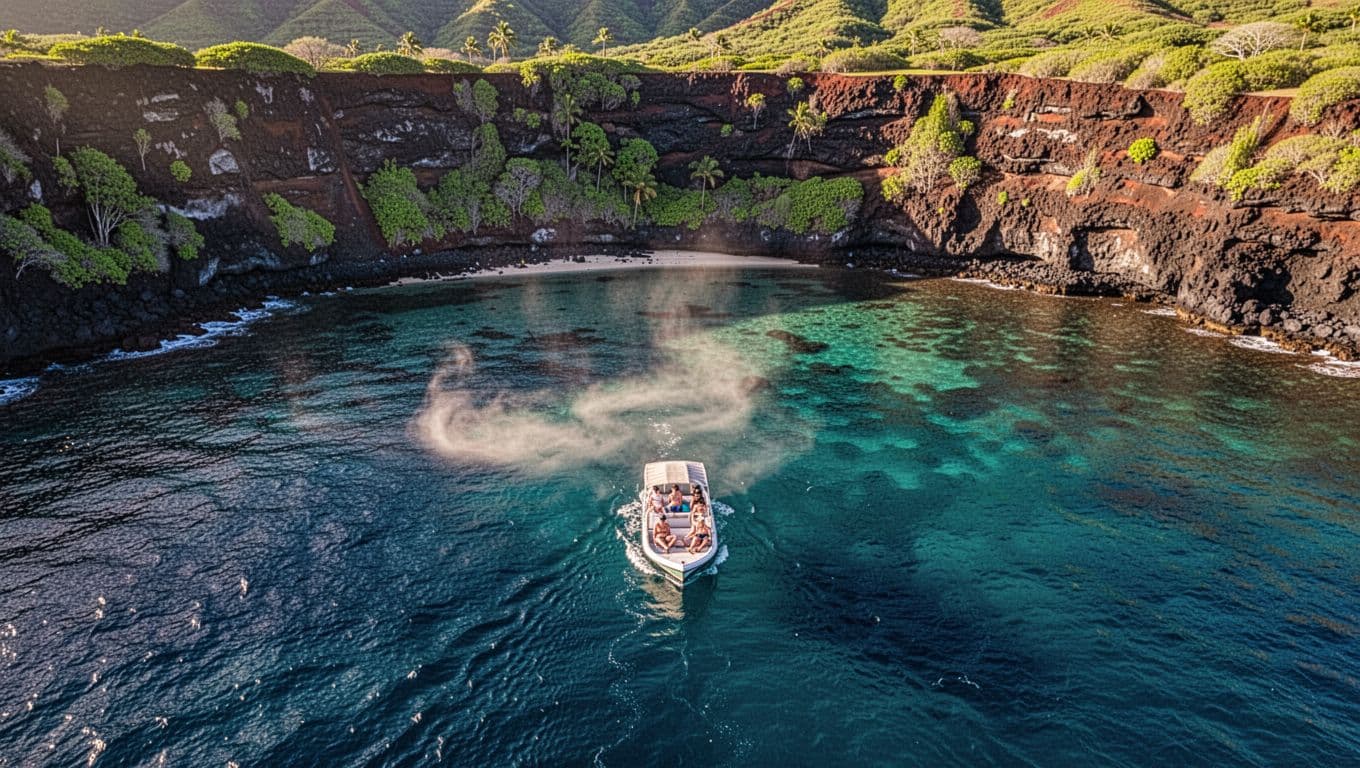
A light shower near Kona often affects the first layer of water near shore more than the reef itself. Fresh runoff can carry silt, leaves, and fine sediment into shallow areas, so the surface may look cloudy for a while.
That doesn’t mean the whole bay turns muddy. Offshore water can stay bright and clear, especially when the rain is brief and the wind stays calm. If you want a deeper read on that pattern, this guide to snorkeling Kona after rain explains why conditions often improve faster than people expect.
A little rain can blur the first few feet of water, but the reef often clears sooner than the shoreline does.
For many travelers searching for snorkeling Big Island Hawaii, that difference matters. You can have a gray morning on land and still enjoy clean underwater views. In other words, a rainy drive doesn’t tell you much about the reef.
Why mornings still matter after a storm
If you want the best chance of clear water, morning is your friend. Winds usually stay lighter early, and that gives the surface time to settle. Later in the day, chop can build and stir up whatever the rain already moved around.
That is one reason people who want to snorkel Big Island often plan early departures. The bay can look different by noon, even if the weather forecast barely changes. For a closer look at the timing question, morning boat tours and Kealakekua Bay conditions is a useful reference.
When you compare a morning trip with an afternoon trip, the morning usually wins for three simple reasons:
- The water is calmer.
- Visibility is more likely to recover.
- You spend less time fighting surface chop.
That doesn’t mean every afternoon is bad. It means rain plus wind is a less reliable mix. If the forecast shows calm seas after a shower, you still have a strong shot at good snorkeling Big Island style, with clear water and active fish around the reef.
Guided trips give you a better read on the bay
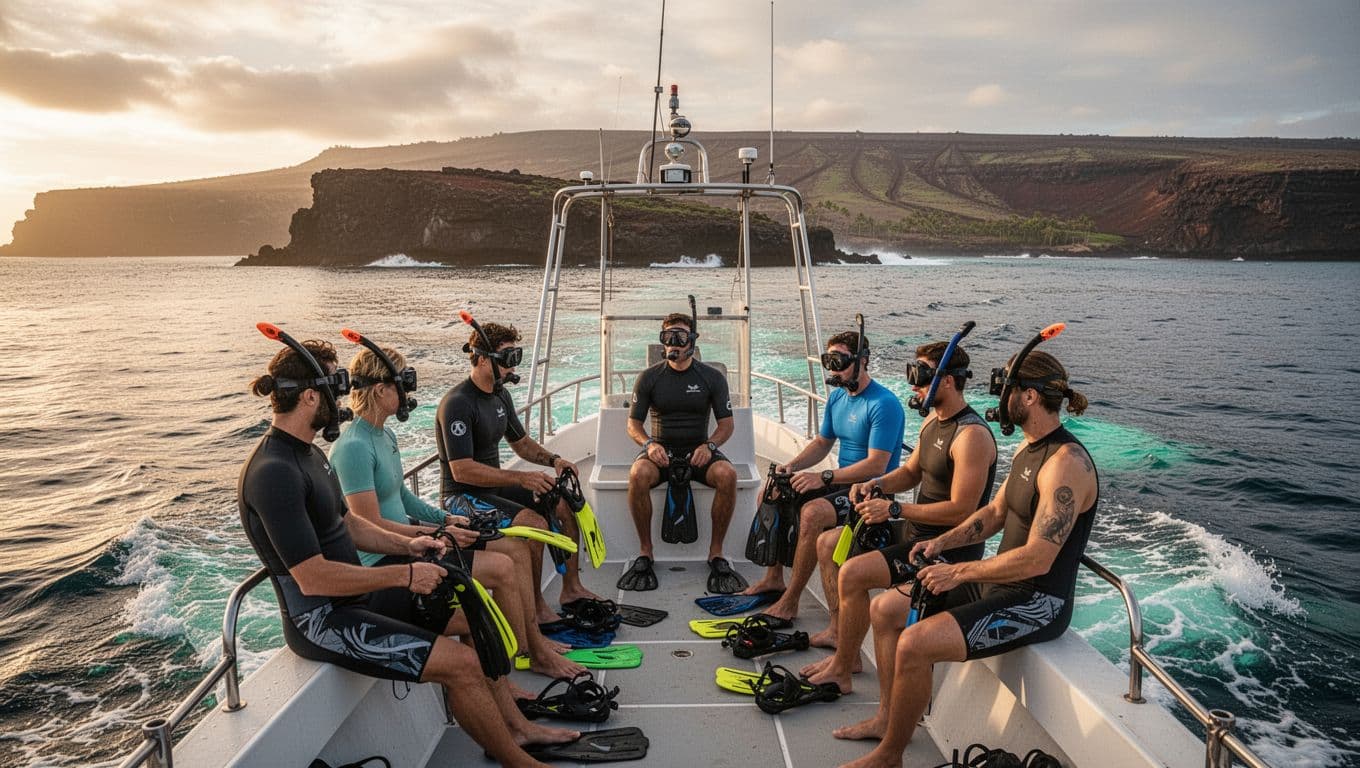
This is where a guided boat trip helps a lot. Kona Snorkel Trips focuses on small groups, experienced guides, and gear that is ready when you arrive. That matters after rain, because a good crew can read the day, watch the water, and choose the best timing for the crossing and the snorkel stop.
If Kealakekua is your main goal, the Captain Cook snorkel tour is a smart fit. The bay’s sheltered feel often gives you better odds than a random shore entry, especially after light rain. If you want a wider look at what the company offers, the Kona snorkel tours page gives you the big picture.
If you like to compare options before booking, guest feedback helps too.
If you want a broader look at what local conditions mean for a day on the water, this Big Island snorkel conditions report is also handy. You don’t need perfect weather to have a good trip. You need the right window.
What to check before you book
Before you lock in a date, look at the rain, the wind, and how recent the rainfall was. A short shower from the night before is very different from hours of steady rain that pushes runoff into the bay.
A simple checklist helps:
- Light, brief rain usually clears faster.
- Heavy rain near the coast can cloud the entry area.
- Calm morning winds usually improve visibility.
- A guided boat trip gives you more flexibility than a guess from shore.
If you’re comparing options for snorkeling Big Island, don’t focus on the rain alone. Focus on the whole picture. Water movement, wind, and departure time matter just as much. For travelers who want more control over timing, private Kona tours can be a good fit, especially if your group wants a slower pace or a custom plan after a weather shift.
The main thing is this: rain does not erase Kealakekua Bay’s strengths. The bay still has clear water, healthy reef life, and a sheltered setting that often rebounds quickly. You just need to give the ocean a little room to reset.
Conclusion
So, is Kealakekua Bay snorkeling good after rain? Most of the time, yes, if the rain was light, the wind stays mild, and you give the water time to clear. The bay often looks better offshore than it does near the shoreline.
If you plan your trip well, a rainy morning can still turn into one of your best days on the water. For Kealakekua Bay snorkeling, the smartest move is to watch the wind, choose an early departure, and trust the reef to tell you what the day is really like.