
How to Stay Warm During Captain Cook Snorkeling in Winter
Kona Snorkel Trips keeps winter Captain Cook snorkeling simple with small-group trips, good gear, and guides who know how fast a guest can get cold on deck. If you’re planning snorkeling Big Island Hawaii in winter, the water is usually fine. The bigger challenge is the wind, the boat ride, and the time right after you get out.
That means your comfort depends on a few small choices before you jump in. Dress for the breeze, pick a smart tour time, and keep your swim relaxed. Those details can turn a chilly outing into one you enjoy from start to finish.
Choose Gear That Traps Heat
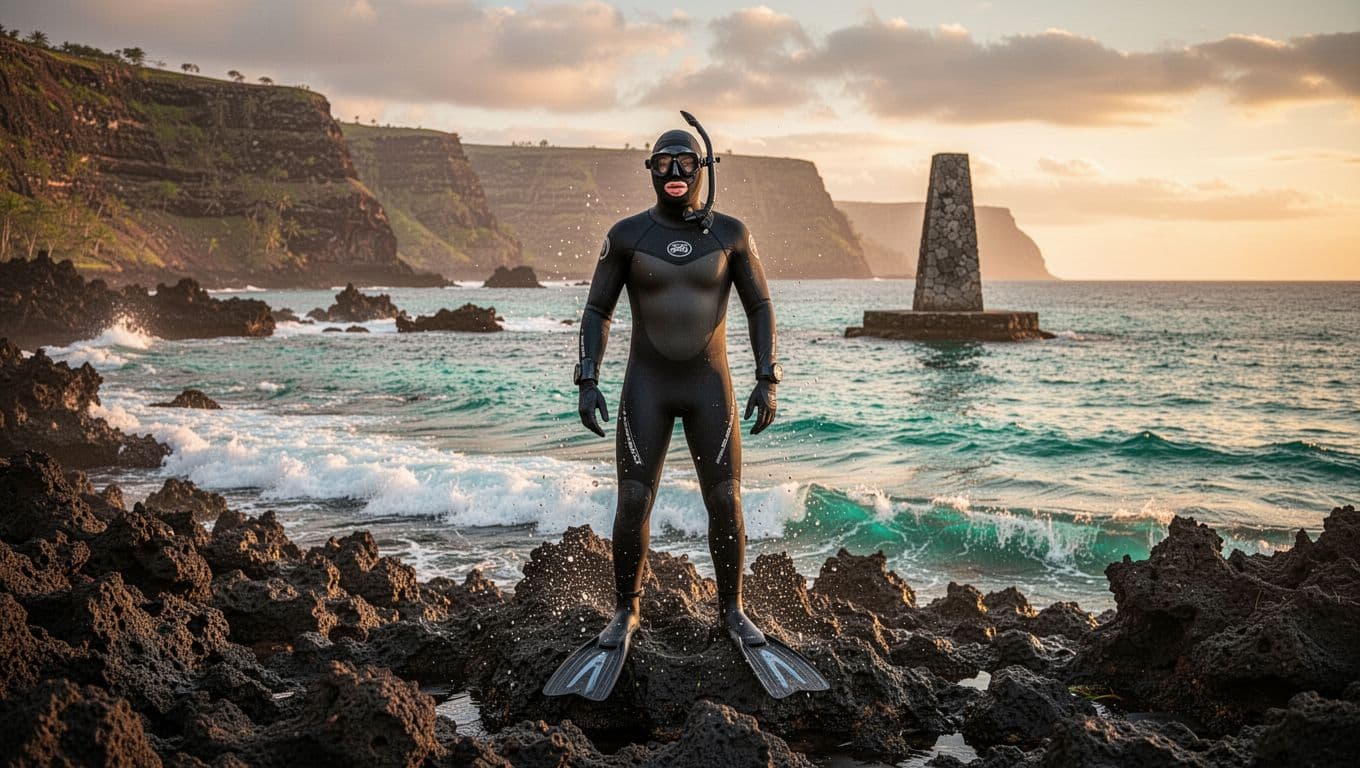
Winter water at Kealakekua Bay is still inviting, but the air can feel sharp once you leave the water. A snug wetsuit does most of the work. It holds a thin layer of water against your body, then your body warms that layer. If the suit fits well, you stay warmer for longer.
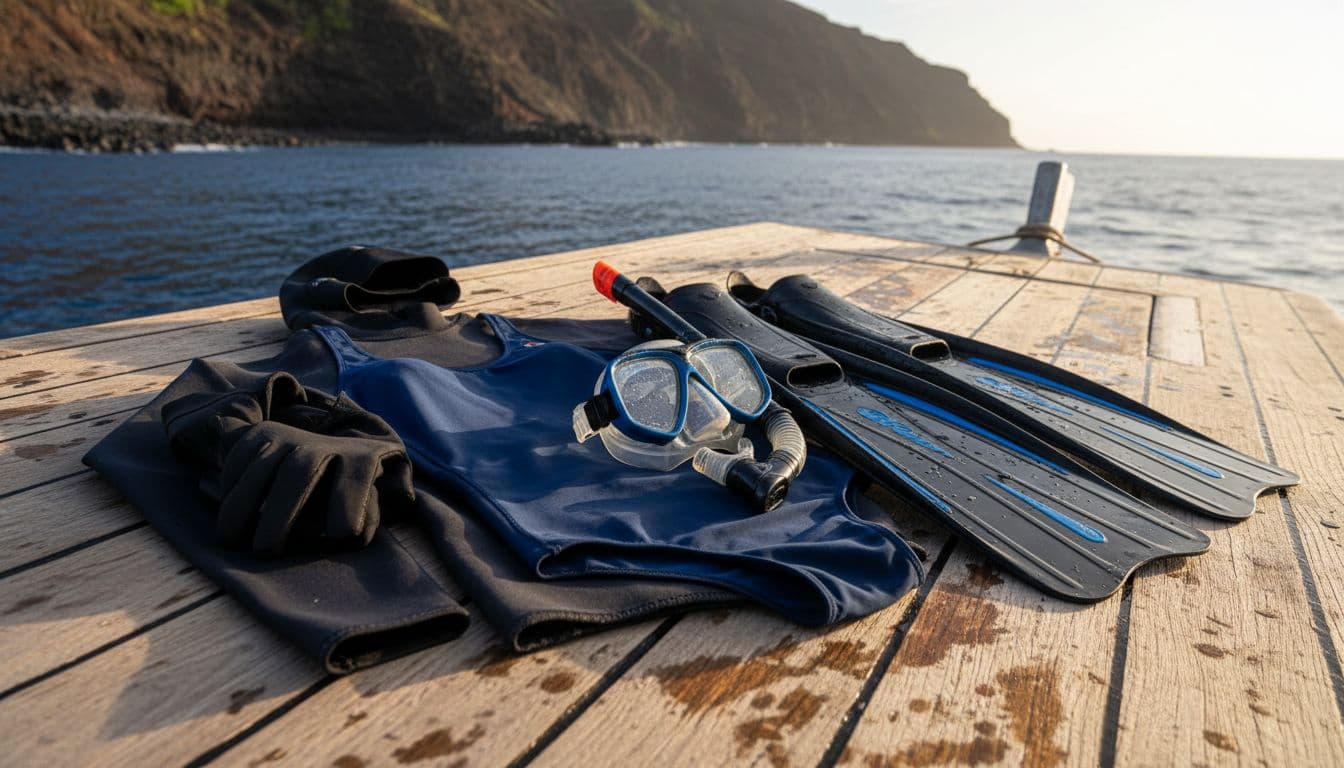
A rash guard underneath helps too, especially if you want extra protection without adding much bulk. Booties are a smart choice if your feet get cold first. A hood is useful for cold-sensitive swimmers, and it can make a big difference on windy days.
When you snorkel Big Island reefs in winter, fit matters more than thickness. A loose suit lets cool water move in and out, and that steals heat fast.
- Snug wetsuit or spring suit: Choose the best fit you can get.
- Rash guard layer: Adds warmth and dries fast.
- Booties and hood: Helpful if you get cold easily.
- Dry towel and dry shirt: Keep them ready for the ride back.
If you want a seasonal breakdown before you book, our Kealakekua Bay snorkeling water temperature guide shows what to expect month by month.
Warm Your Body Before You Leave the Boat
You can make a winter snorkel feel easier before you even get in. Arrive dressed for the wind, not for the parking lot. If you wait until you’re already on the deck to pull on layers, you’ll lose heat while you fumble with gear.
A warm drink helps before you suit up. So does a few minutes of easy movement. Roll your shoulders, rotate your ankles, and take slow breaths. That gets your body ready without making you sweat.
Reef-safe sunscreen still matters in winter, because the sun reflects off the water. Put it on before your suit goes on, so you do not waste time on deck with cold hands.
For a broader look at local conditions, the Big Island snorkeling guide is a useful reference. Morning trips usually feel better too. The wind tends to stay softer earlier in the day, which helps when you are planning snorkeling Big Island Hawaii in cooler months.
Swim Efficiently at Kealakekua Bay
Once you’re in the water, smooth movement keeps you warmer than rushed movement. Long fin kicks use less energy than quick, choppy kicks. That matters because hard effort can leave you tired and cold faster.
Keep your breathing steady and your body loose. If you stop for a long float, let your legs move a little so your core stays active. You don’t need to race the reef. A calm pace works better, and it also gives you more time to notice fish, coral, and the clear blue water around the bay.
A warm swim starts with calm movement. The more you fight the water, the faster you tire and cool off.
If you want a direct route to the bay, the Captain Cook snorkel tour in Kealakekua Bay gets you there without a long setup. For another take on winter conditions, Captain Cook Snorkeling Tours’ guide gives you a useful second view of the same water.
Pick a Tour That Handles Winter Well
The right tour removes a lot of cold, standing-around time. Kona Snorkel Trips keeps things tight with small groups, good gear, and guides who watch comfort as well as safety. That matters when you want to enjoy snorkeling Big Island Hawaii instead of thinking about the wind.
A short wait, a clean gear setup, and a guide who keeps the pace steady can make winter feel a lot easier. If you want to reserve a winter-friendly outing with Kona Snorkel Trips, use the button below.
If Captain Cook is your main goal, a focused bay trip keeps the outing short and the swim time high. That is a real plus in winter, when you want less waiting and more time in the water.
Recover Fast After You Get Out
The moment you exit the water matters as much as the swim itself. Pull on a dry shirt right away. Wrap up in a towel, then add a light wind layer if the boat ride back feels breezy. A small snack helps too, because a little fuel makes the cold feel less sharp.
If you can, keep your suit on until you are ready to change fully. That saves time and keeps the chill from creeping in while you stand around. Even warm water can feel cold if you stay wet in the wind too long.
Conclusion
Winter Captain Cook snorkeling stays comfortable when you plan for the cold parts of the day, not just the swim itself. The best setup is simple: wear gear that fits, warm up before you enter, move efficiently in the water, and choose a tour that cuts down on waiting.
If you do that, the wind becomes a small detail instead of the main event. That leaves you free to enjoy the reef, the clear water, and the calm rhythm of the bay.