
How to Prevent Fin Blisters on a Captain Cook Snorkel Tour

A fin blister can turn a calm reef swim into a day you feel on every step back to the boat. If you plan to snorkel Big Island waters, that small problem can steal more energy than you expect.
On snorkeling Big Island Hawaii trips, heat, salt, sand, and a sloppy fit can all rub the same spot again and again. The best way to prevent fin blisters is to treat fit and technique as part of the tour, not an afterthought.
Kona Snorkel Trips sees this often on Kealakekua Bay outings, where guests want clear water, easy swimming, and a smooth day on the ocean. The good news is that you can avoid most fin pain with a few simple habits before you ever leave the dock.
Why fin blisters show up so fast on a Captain Cook snorkel tour
Blisters start with friction. In the water, that friction can feel small at first because everything is wet and relaxed. Then the same rub repeats with every kick, every ladder step, and every shift on the deck.
That is why snorkeling Big Island trips can expose fin problems faster than a casual pool swim. Warm air softens your skin. Saltwater softens it more. Sand acts like grit in a hinge, and a fin that moves a little on land can move a lot in the ocean.
On a Captain Cook day, the issue often starts before you even get in. You may walk around the boat in wet feet, stand on hot deck boards, or adjust gear while balancing on one leg. Any of those moments can create a hot spot.
A quick fit check catches most of the trouble early. Use this simple guide before the swim starts:
| What you feel | What it usually means | What to do |
|---|---|---|
| Heel lifts when you walk | The fin is too loose | Tighten the strap or try a smaller size |
| Toes feel jammed | The pocket is too short | Size up or switch fin style |
| One spot burns fast | A seam or edge is rubbing | Adjust the angle or add a thin sock |
| Sand crunches inside | Grit is trapped in the pocket | Rinse, shake out, and reset |
A bad fit on dry land almost never improves in the bay. If anything, the water makes the rub harder to ignore.
If you want a sense of the route and gear setup before you go, the Captain Cook snorkel tour in Kealakekua Bay gives you a good picture of the day.
Choose fins that fit on dry land
Fin fit is where blister prevention really starts. Full-foot fins should hug your feet without squeezing. Open-heel fins should sit flat at the heel and stay centered when you walk.
If your toes curl to keep the fin in place, the size is wrong. If your heel slides every time you take a step, the pocket is too loose. Either problem can rub the same skin over and over.
Thin neoprene socks can help if your skin is sensitive or if the deck is hot. They also soften a rough edge around the heel. Still, they should not fix a poor fit by themselves. If the fin feels loose with socks, you need a different size.
Kona Snorkel Trips keeps the gear check simple, which helps when you want to spend your time looking at the reef instead of thinking about your heel. If you want a small-group day with a crew that can help you sort out fit before you enter the water, you can check availability.
After that first fitting, pay attention to how the fin moves when you flex your ankle. It should feel steady, not loose. A tiny amount of movement is normal. A sliding heel is a warning.
Break in your gear before the boat leaves
Brand-new fins can feel fine for two minutes and awful by minute ten. That is why a short test at your hotel, condo, or shoreline parking area helps a lot.
Put the fins on the same way you plan to use them. Then walk a few steps, turn your feet, and flex your ankles. If you feel a pinch, stop there and fix it. Do not hope it goes away in the ocean.
A simple pre-trip check helps you spot issues early:
- Put the fins on before you board, not after the boat leaves.
- Walk on dry ground and notice any heel lift.
- Flex your ankles and kick slowly a few times.
- Change size, sock thickness, or strap position if anything rubs.
That quick test matters on snorkeling Big Island Hawaii trips because the conditions add stress fast. Heat, salt, and motion all stack up. A problem that feels minor on shore can turn into a blister in one swim.
If you also get calf tightness when fins feel off, you may want a second look at fit. This guide to avoiding leg cramps during Captain Cook snorkeling covers the same idea from another angle.
Kick with less force and more control
A hard kick does not make you faster in snorkeling. It usually makes you tired. It can also make your foot slide inside the fin pocket, which creates more rubbing.
Keep your knees soft and your motion small. Kick from the hips. Let the fin do the work. When you stab at the water with big bicycle-style kicks, your feet bend more inside the pocket and your skin takes the hit.
You also want to stay horizontal. A flat body position creates less drag, so you do not have to fight the water. That calmer position helps your feet settle into the fin instead of shifting around.
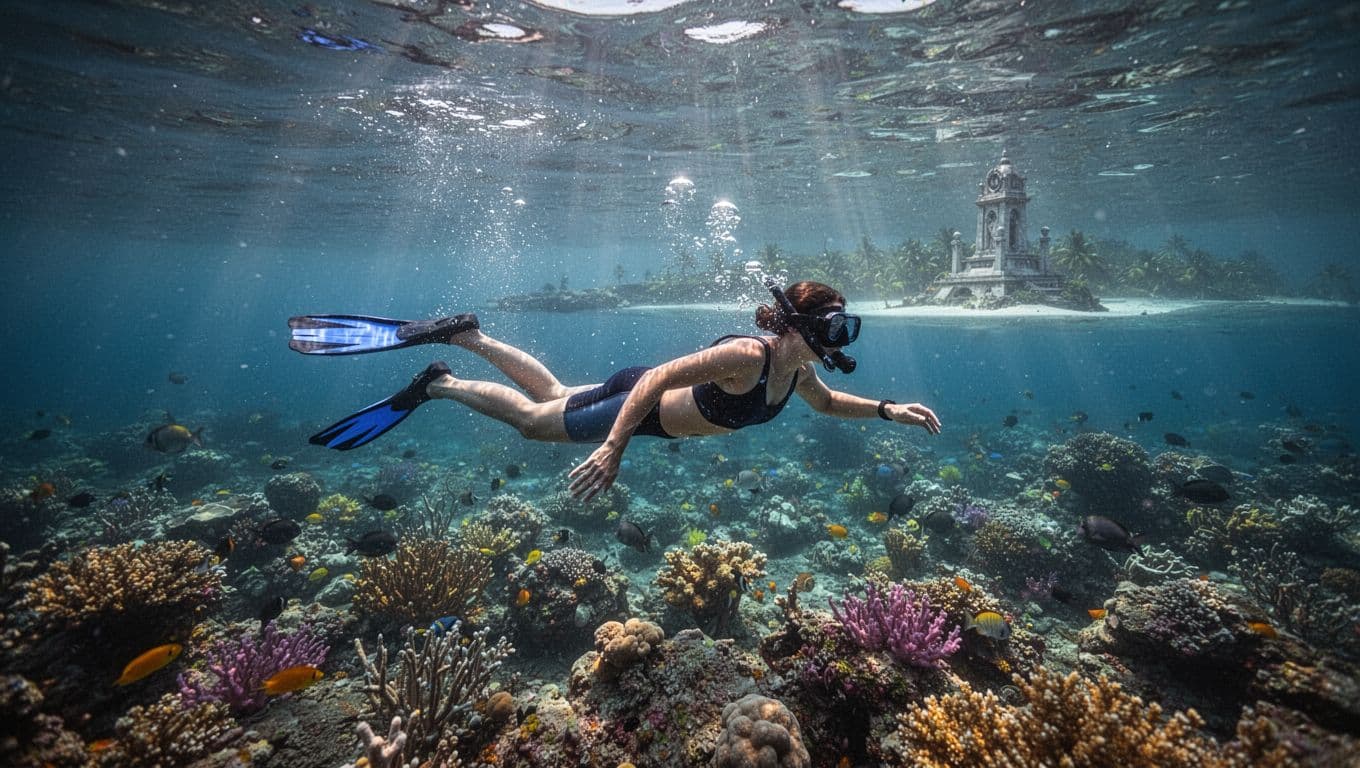
If you want a more detailed look at fin movement, how to use fins on a Captain Cook snorkel tour is a helpful companion piece. The main point is simple: smooth kicks protect both your skin and the reef.
A gentler kick also keeps you more relaxed. When you stay loose, you notice fit problems sooner. That gives you time to fix them before a hot spot becomes a blister.
Protect your skin before you get in
If your skin blisters easily, add a little protection before you board. A thin layer of anti-chafe balm on the heel or toe edge can cut friction. So can a thin neoprene sock, as long as it does not make the fin too tight.
Dry skin is not always better skin for this problem. A little moisture helps the fin slide into place without grabbing. Sand, though, is the enemy. If any grit gets trapped inside the pocket, rinse it out before you swim.
Trim your toenails before the trip. Long nails can create tiny pressure points inside the fin. That sounds minor, but pressure points often become the first hot spots.
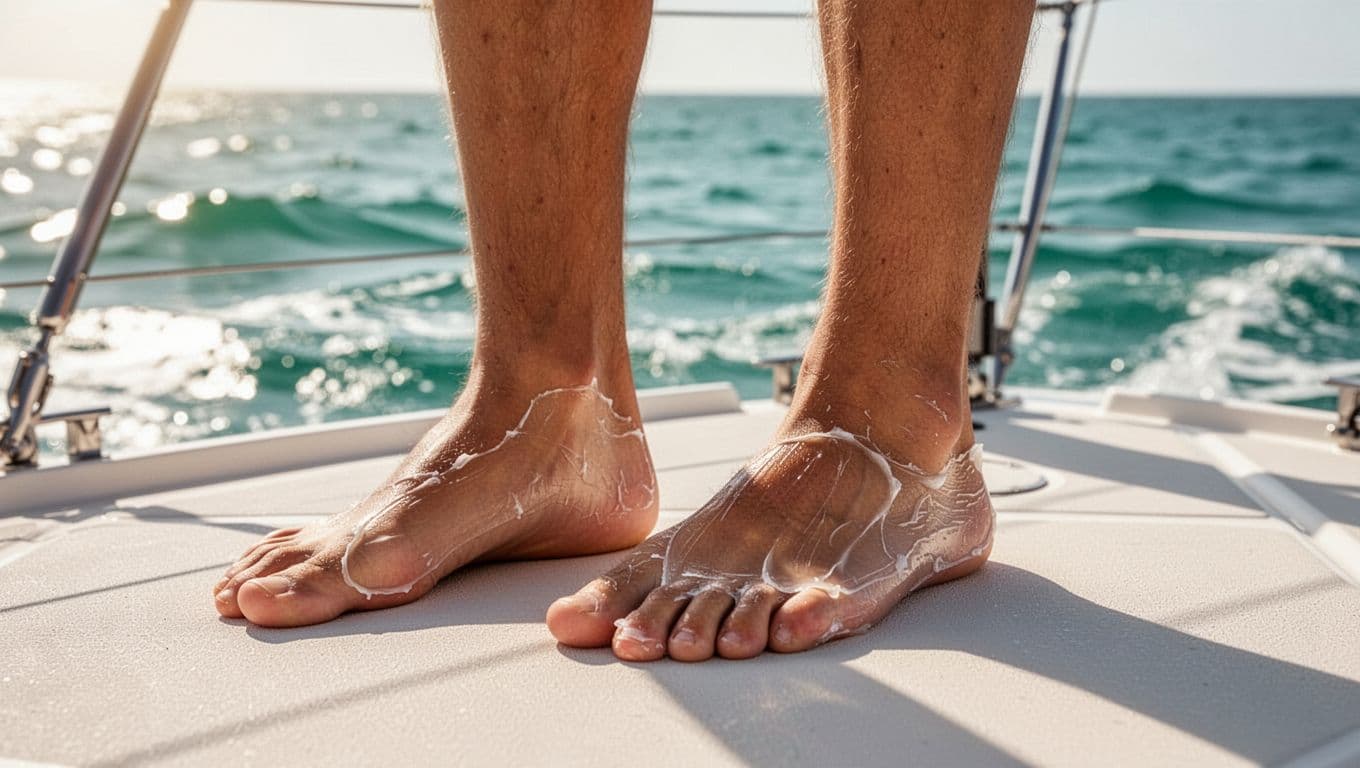
One more thing helps a lot. If you know a certain part of your foot always rubs, mark it mentally before you enter the water. Then check that spot as soon as you come back to the boat. A fast look can save the rest of the swim.
Watch the places blisters start
Most fin blisters begin in the same few spots. Once you know where to look, the problem gets easier to stop.
| Hot spot | Why it happens | What helps |
|---|---|---|
| Back of heel | Strap or heel cup moves up and down | Tighten fit or use a thin sock |
| Top of foot | Seam or edge crosses the skin | Adjust strap angle or change size |
| Outer ankle | Fin twists while you kick | Slow your kick and realign the fin |
| Ball of foot | Toes curl to hold the fin in place | Relax your foot and size up if needed |
The boat ladder and the dock can also create friction. If you keep standing with one foot half out of the fin, the rubbing gets worse. Sit when you can. Float when you can. Keep your weight off the sore spot until you are ready to move.
That advice matters even more on snorkeling Big Island trips, where you may stop, swim, and board more than once. Each reset is another chance for sand or heat to irritate your skin.
If you want a better sense of the day around the bay, the Captain Cook snorkel tour in Kealakekua Bay page is a useful reference for the route and gear setup.
Pack for hot spots before they start
A small kit can save the day if you know your feet are sensitive. You do not need much, just enough to handle a problem before it gets bigger.
Bring these items if you blister easily:
- Thin neoprene socks or another low-bulk liner
- Hydrocolloid blister pads or blister bandages
- A small towel to dry your feet before gear changes
- Fresh water to rinse sand out of the fin pocket
- A spare pair of socks if you plan to use them
Keep the kit simple. Thick layers and bulky fixes often make the fin fit worse. You want support, not extra pressure.
Also, do not forget to start the day with clean skin. Lotion, sunscreen, and sand can all make a fin slip around more than you want. Apply sunscreen early, let it dry, and then check your feet again before you suit up.
People planning snorkeling Big Island days often focus on the mask first. That makes sense, but the fins touch your skin more than the mask does. If you prepare your feet well, the rest of the trip gets easier.
Ask for help before a small rub gets worse
You do not need to push through pain to have a good snorkel day. In fact, the smartest move is often the simplest one, speak up early.
If a fin starts rubbing, tell your guide before you keep swimming. A quick adjustment on the boat is far better than a blister that grows during the next entry. A small change in strap position, sock thickness, or fin size can solve the issue fast.
If one foot hurts more than the other, do not ignore it. Most people compensate without noticing. Then the other foot starts working harder, which can create a second problem. Fix the first issue before that happens.
This is where a small-group trip helps. On Kona Snorkel Trips, guides can pay attention to fit, pacing, and comfort instead of rushing a crowd. If you want to make that easier on yourself before your Captain Cook day, you can check avaialbility.
The best fix is usually the one you make early. Once a blister opens, every kick feels sharper. Once you stop the rub, the water feels fun again.
Keep Your Feet Happy in Kealakekua Bay
Fin blisters are usually a fit problem, a motion problem, or both. If you choose the right fins, test them before the boat leaves, and keep your kicks small, you remove most of the risk.
That matters because the best part of a Captain Cook snorkel tour should be the reef, the fish, and the clear water. Your feet should fade into the background.
If you remember one thing, make it this: stop the rub early. A small adjustment on deck is easier than a sore walk back to shore, and it keeps your snorkel day where it belongs, in the water.