
How to Clear a Mask During Captain Cook Snorkeling
Kona Snorkel Trips keeps Captain Cook snorkeling simple with small-group trips and clear gear briefings. That matters, because one splash in your mask can pull your focus off the reef fast.
If you’re planning snorkeling Big Island Hawaii, learning to clear a mask is one of the easiest ways to stay calm in the water. It also helps when you snorkel Big Island reefs with bright light, moving fish, and clear water that makes every little leak feel bigger.
The good news is that mask clearing is a small skill, not a big one. A snug fit and one steady move can clear water in seconds.
Why a flooded mask feels bigger at Kealakekua Bay
Captain Cook snorkeling rewards a calm pace. Kealakekua Bay often has such clear water that even a little leak gets your attention right away. That is also why many new snorkelers feel more nervous there than they expected.
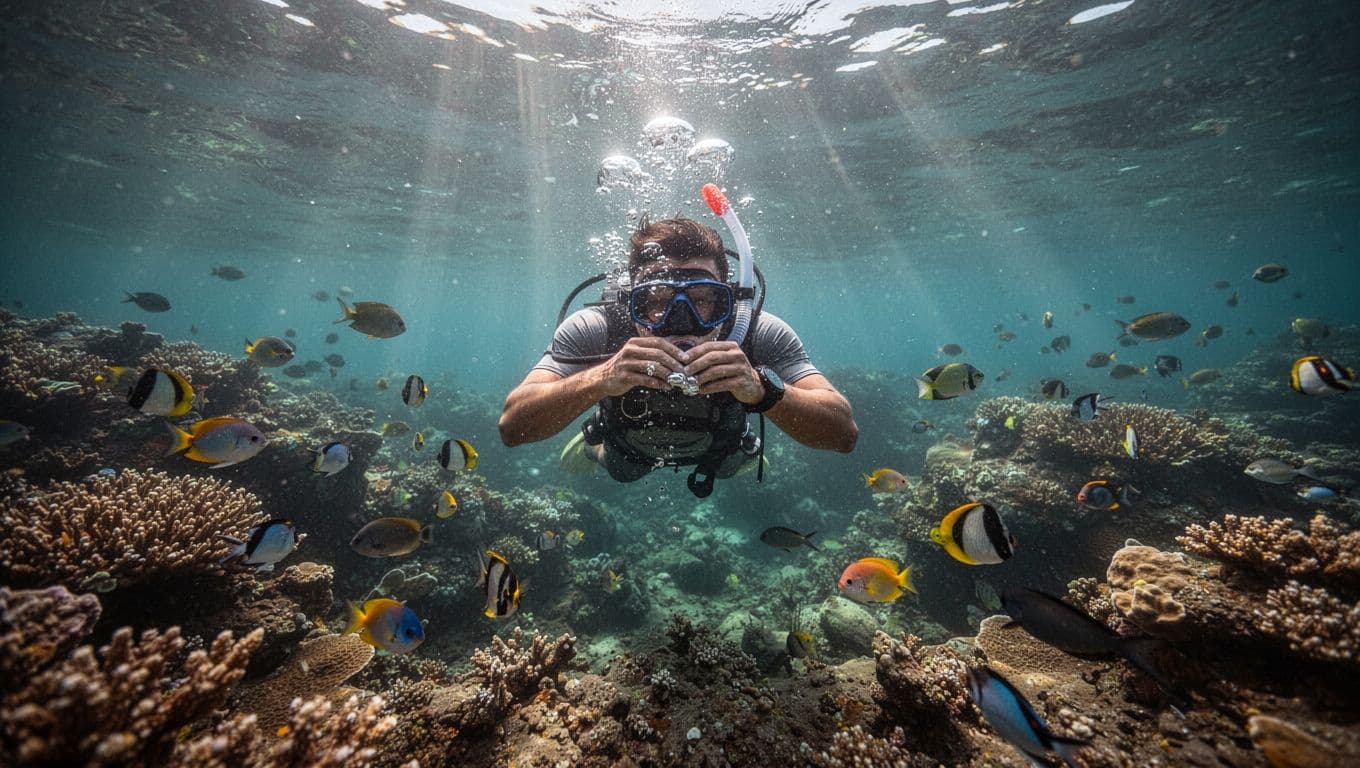
When the water is clear, your brain notices every detail. A tiny line of water across the lens can feel huge, even if it is only a sip. If you know how to clear it, the problem disappears before it steals your focus.
If you want a fuller look at the route and what the tour includes, the Captain Cook snorkel tour in Kealakekua Bay page is a helpful place to start.
Fog and leaking get mixed up a lot. A fogged lens blurs your view, but a leak puts water inside the mask. If fog is your bigger issue, how to stop mask fog on your Captain Cook snorkel tour covers that side of the problem.
If you can stay calm for three seconds, you can usually clear a mask without breaking your rhythm.
Set your mask up before you drop in
The easiest mask clear starts on the boat, not in the water. A good seal matters more than force. If the mask fits your face well, you will spend less time fixing it and more time enjoying the reef.
First, place the skirt high on the bridge of your nose. Then pull hair away from the seal line. Even a few loose strands can make a small gap.
After that, tighten the strap only enough to hold the mask in place. If you crank it down too hard, the skirt can fold and leak. On snorkeling Big Island days, that single mistake causes a lot of first-time frustration.
A quick fit check helps before you enter the water:
- Hold the mask to your face without the strap.
- Inhale gently through your nose.
- Let go for a second.
- If it stays in place, the seal is close.
You also want to avoid sunscreen on the seal line. Lotion can make the skirt slip a little, especially around your cheeks and forehead. Wipe your face before you gear up.
Some snorkelers ask about full-face masks, but many guided trips use separate mask and snorkel gear for a reason. The full-face mask rules for your Captain Cook snorkel tour explain why traditional gear is the better choice on these tours.
Clear the water without panic
A flooded mask does not mean your snorkel session is ruined. It means you need one calm move. The trick is to keep breathing steady and clear the water before it becomes a distraction.
The blast clear
This is the method most snorkelers learn first. It works well when a little water slips in through the bottom of the mask.
- Press the top of the mask gently against your face.
- Tilt your head slightly down.
- Exhale through your nose in one firm burst.
- Let the water push out through the bottom of the skirt.
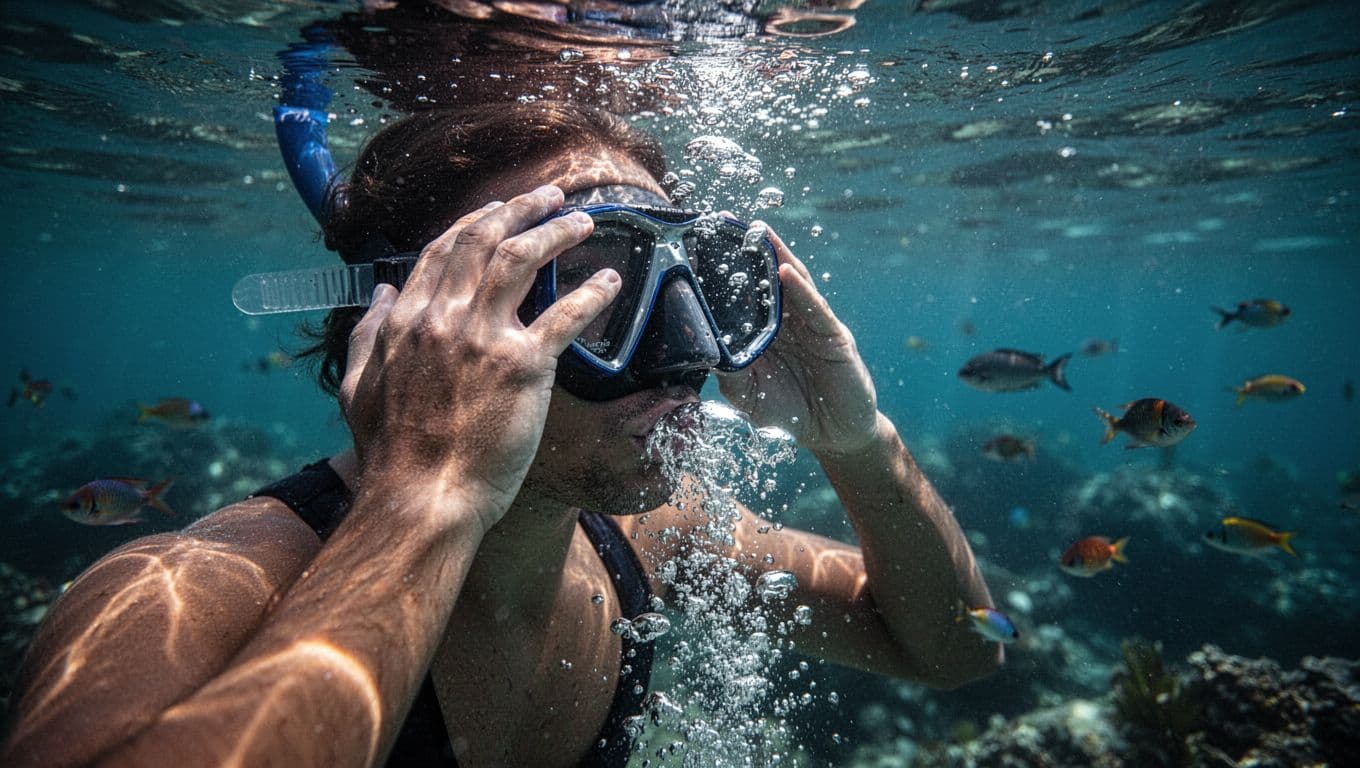
You do not need to blow hard enough to strain. A steady exhale works better than a rushed one. The goal is to create enough air pressure to push the water out.
The tilt-and-drain method
If only a small amount of water gets inside, the tilt-and-drain move can feel easier. Raise your face slightly, hold the top of the mask in place, and let the bottom edge open just enough for water to drain out.
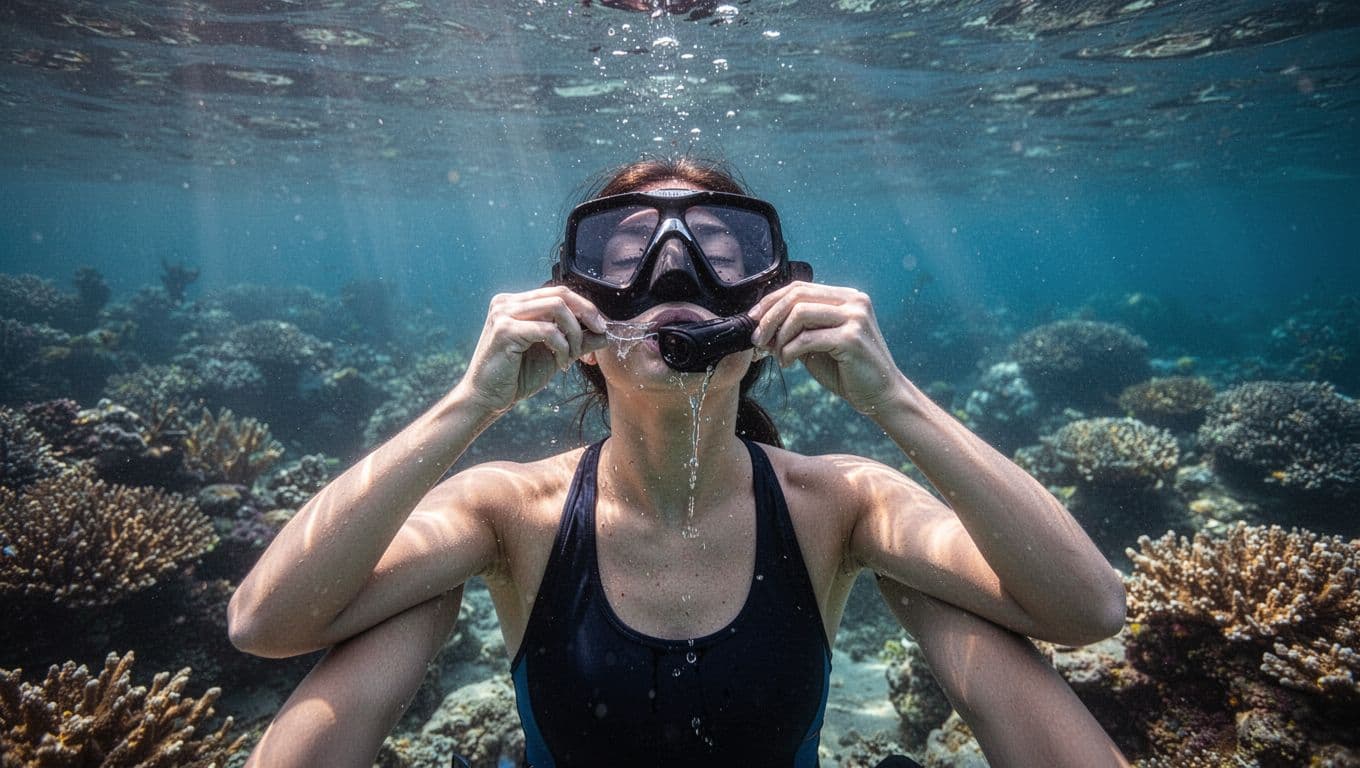
This method works best when you stay relaxed. If you lift your head too fast, you can let more water in. Slow movements keep the mask stable.
After the clear, reset your breathing. Take one easy breath through the snorkel, then look around again. If the leak comes back, stop and adjust the strap or skirt before moving farther from the boat.
A guide makes the first few clears easier
You do not have to learn all of this alone. Kona Snorkel Trips keeps things simple with quality gear, lifeguard-certified guides, and a small-group style that gives you room to ask questions. That kind of setup helps when you are still learning how your mask behaves in the water.
If you want the safety of a guided trip, plus real help before you enter the bay, you can check availability here:
That setup matters more than people think. A guide can spot a loose strap, a twisted skirt, or a face full of sunscreen before you get frustrated. That means less time fixing gear and more time watching turtles and coral.
Conclusion
Clearing a mask during Captain Cook snorkeling is mostly about staying calm, keeping a good seal, and using one simple move when water slips in. Once you know the blast clear and the tilt-and-drain method, a flooded mask stops feeling like a problem.
The next time you head out on a Captain Cook trip, remember that a small leak does not need to end the swim. Good mask control lets you focus on the reef, the fish, and the clear water that makes this part of the island so memorable.