
How Rough Is the Boat Ride on a Kona Manta Ray Night Snorkel?
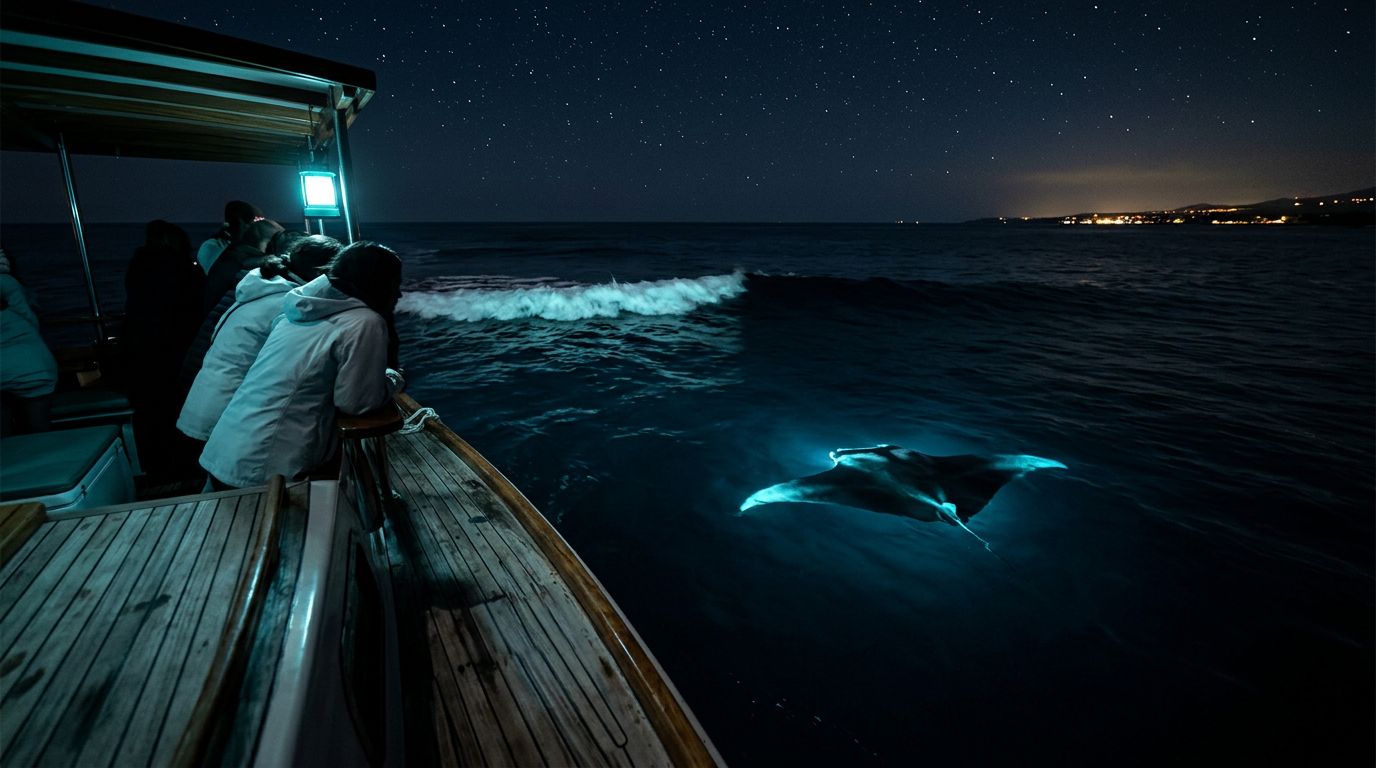
Kona Snorkel Trips gets this question a lot, because the manta snorkel is memorable enough without a miserable boat ride. The good news is that the ride on a kona manta ray night snorkel is usually short and manageable. On a calm Kona night, it feels easy. On a breezier night, you’ll feel the motion more, but it still passes fast.
If you’re comparing Manta Ray Night Snorkel Hawaii or planning other snorkeling Big Island Hawaii outings, the real question is how much the sea state changes your comfort. You don’t need to guess. A few simple clues tell you what to expect.
The sections below break down the ride, the conditions, and the best ways to keep yourself comfortable.
How rough the boat ride usually feels
For most guests, the boat ride feels closer to a quick coastal hop than a long open-ocean crossing. You board, settle in, and head a short distance to the manta viewing area. On many nights, the motion is light enough that you spend more time looking at the sky than bracing yourself.
That matters if you often snorkel Big Island reefs during the day. This trip adds darkness, but it does not usually add a long run offshore. The ride is often the smallest part of the evening.
Here’s a simple way to think about it.
| Night conditions | What you usually feel | What it means for you |
|---|---|---|
| Calm water | Light roll, little spray | Easy for most guests |
| Breezy evening | More side-to-side movement | Sit low and hold the rail |
| Open swell | Noticeable lift and drop | Expect a busier ride |
| Sensitive stomach | Motion feels stronger | Prepare before boarding |
The short distance is why many people who love snorkeling Big Island still feel fine on this trip. The boat can move a bit, but it usually doesn’t feel endless. A short run is common, and this Big Island manta ray snorkel guide gives a clear look at how the water time and site setup work on a typical night.
The ride is usually not the hard part. The first few minutes feel most noticeable, then your body settles in.
What makes one night calmer than another
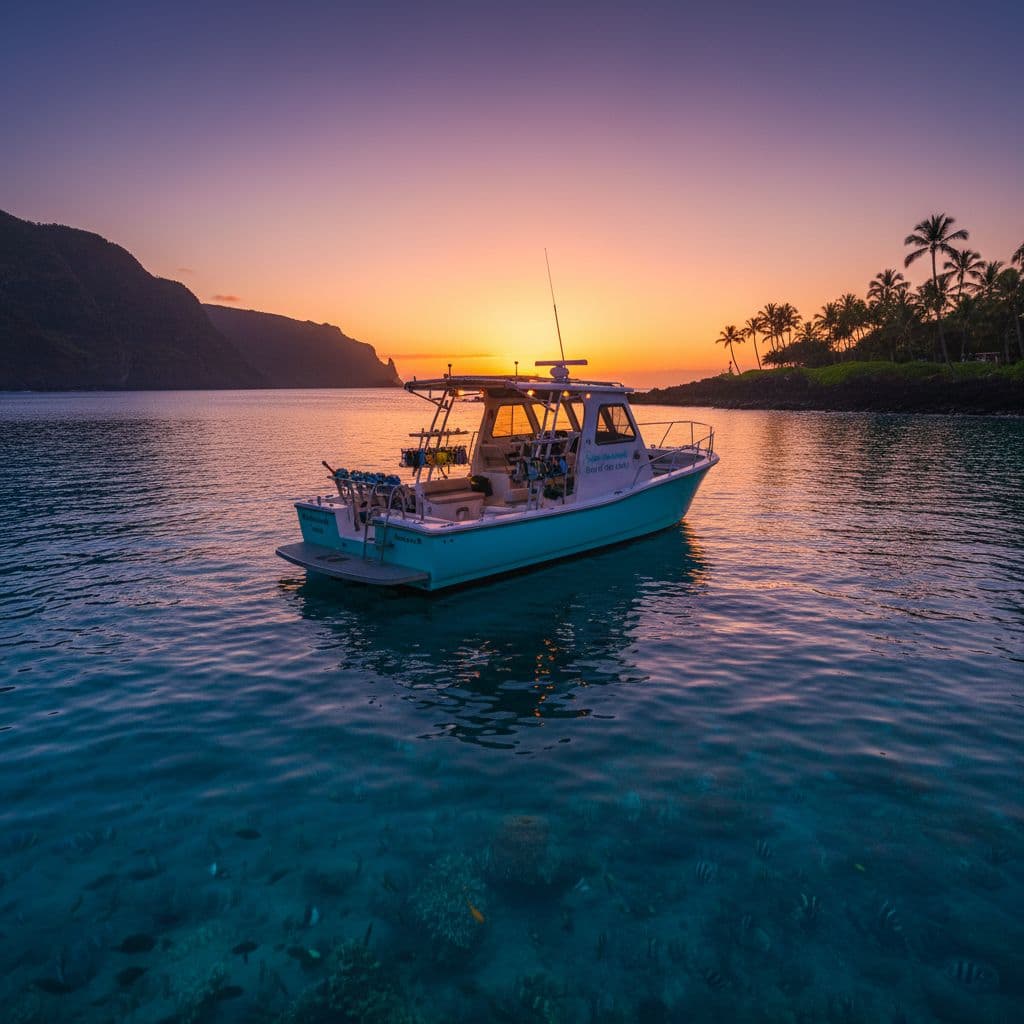
Several details shape the ride more than people expect. Wind is a big one. Even when the Kona coast looks peaceful from shore, a steady breeze can put texture on the water and make the boat feel busier.
Swell matters too. If a wave set is rolling through from farther out, the boat may rise and settle with more rhythm. That motion is rarely a problem for everyone on board, but you will notice it if you are sensitive to movement.
Darkness changes the feel as well. During the day, your eyes can track the horizon and shoreline. At night, those visual cues fade. As a result, the same water can feel more active after sunset.
Boat size and seating also play a part. A wider, steadier boat often feels calmer than a narrow one. Where you sit matters too. The middle tends to feel smoother than the bow or stern.
A few things usually make the biggest difference:
- Wind across the Kona shoreline.
- A fresh swell moving through the bay.
- How far you are from the center of the boat.
- How easy it is for you to watch the horizon.
That means two nights on the same route can feel very different. One trip feels like a gentle glide. The next feels a little bouncy, even if the distance is the same.
What the boat motion feels like once you leave shore
The motion on a manta trip is usually not the sharp, pounding kind people fear. It is more often a gentle bounce, a side-to-side sway, or a slow lift and drop. If you have ever ridden a small ferry or a harbor catamaran on a breezy day, the feeling will seem familiar.
The first few minutes usually matter most. You leave the dock, adjust to the dark, and let your body find a rhythm. After that, the boat often feels more predictable.
A small amount of spray can happen, especially if the wind picks up. That is part of Kona boating, not a sign that the trip is bad. Most guests handle it fine with a hand on the rail and a steady seat.
What surprises some first-time visitors is how quickly the actual boat segment ends. Once the crew reaches the manta site, the pace changes. The boat holds position, the lights go in the water, and the night shifts from transport to floating and watching.
If you snorkel Big Island waters during the day, the night setup may feel new at first. Still, the main adjustment is usually mental, not physical. Once you settle in, the movement often fades into the background.
How to keep your stomach steady before boarding
If you know motion gets to you, plan for it before you leave the dock. That helps more than trying to fix things once you already feel off.
A light meal works better than a heavy one. You do not want to board hungry, but a large greasy dinner can make the ride harder. A small snack and some water usually feel better.
Alcohol makes motion feel worse for a lot of people. If you are heading out at night, it helps to skip drinks before the trip. You want a clear head and a steady stomach.
The right seat matters too. If you can sit where the boat crew suggests, take that advice. The middle section often feels smoother than the ends, and lower seats usually feel steadier than standing for long stretches.
These habits help a lot:
- Eat a light meal a couple of hours before the trip.
- Drink water, but do not overdo it right before boarding.
- Skip alcohol if you want the easiest ride.
- Bring motion sickness medication if you already know you need it.
- Watch the horizon when you can.
- Tell the crew if you feel uneasy.
If you use motion sickness medicine, take it early enough for it to work. Waiting until you already feel sick is usually too late. The same goes for wristbands and ginger products. They can help some people, but timing matters.
If you get seasick, prepare for the boat, not the snorkeling. The water time often feels easier once you are settled.
Many families planning snorkeling Big Island Hawaii trips worry most about the night ride, then find the boat is manageable with a little preparation. That is usually the pattern. The people who do best are the ones who plan ahead instead of hoping for the best.
Why the right Kona operator matters
The boat ride can feel easier or harder depending on the crew and the setup. A calm, organized boat makes a big difference. So does a small group.
Kona Snorkel Trips keeps the experience focused on safety, clear instructions, and a smaller guest count. That matters on a night tour, because the less rushed the boarding process feels, the less tense you feel before the boat even leaves the dock. Their Lifeguard Certified guides, reef-safe habits, and custom-built lighted boards also help the night run smoothly.
If you want a broader look at options, start with guided Big Island snorkel tours. It gives you a simple way to compare the style of trip before you book.
If you already know you want a fuller Kona snorkeling outing, you can check availability.
If you want another local name to compare, Manta Ray Night Snorkel Hawaii is another night-focused option on the Kona side. Comparing a few operators can help you spot differences in boat size, group size, and how much attention each crew gives to boarding and comfort.
If the manta trip is your main plan, you can also check availability.
That kind of setup helps if you care about more than the snorkeling itself. It helps if you want the evening to feel calm from the dock onward. It also helps if you are traveling with kids, a partner, or a friend who gets nervous before boat rides.
For many people, the best part of a good operator is simple. You feel informed, you know where to stand, and you do not spend the ride wondering what happens next. That lowers stress before the manta lights ever touch the water.
What this means if you are planning your Big Island trip
The boat ride on a Kona manta night snorkel is usually short, and roughness depends more on wind, swell, and boat setup than on distance alone. Some nights feel smooth. Other nights feel a little bouncy, especially if you are sensitive to motion or sitting closer to the ends of the boat.
That does not mean you should skip the experience. It means you should plan for a little movement, eat lightly, and choose a crew that keeps things organized.
If snorkeling Big Island is already part of your trip, the manta tour can still fit well into your plans. The boat ride is often just a brief lead-in to the real highlight, the first manta moving through the lights. Once you know that, the night feels easier to picture, and a lot less intimidating.