
How Marine Life Changes During Morning Captain Cook Snorkeling
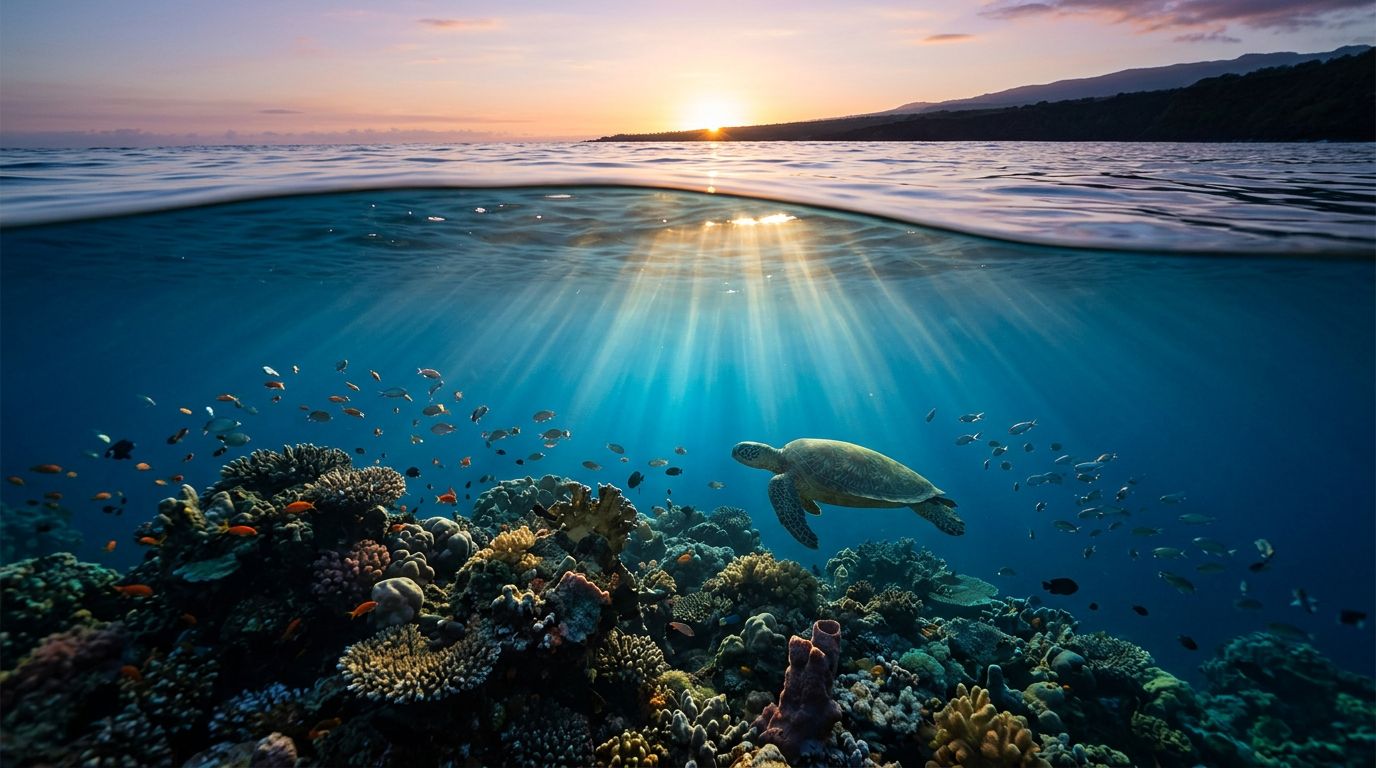
Morning Captain Cook snorkeling looks calm on the surface, but the reef is already awake. Fish feed closer to the coral, turtles move with less hesitation, and the first light makes color easier to read.
Kona Snorkel Trips sees that shift on its small-group runs, and it’s one reason snorkeling Big Island Hawaii trips feel best when you start early. If you want to snorkel Big Island waters when the reef shows its clearest patterns, the first hours often give you the most to notice.
Here’s how the bay changes as the morning builds.
Why the reef feels different before breakfast
Early on, the bay has a softer rhythm. The water usually has fewer wakes, less surface glare, and less noise from boats and people. That gives the reef room to show its own pace.
Light also matters more than most people expect. When the sun is low, it hits the reef at an angle, so coral edges, sand patches, and fish shadows stand out more clearly. By late morning, the light can still be beautiful, but it becomes flatter and brighter. Some details disappear in that wash of glare.
That matters because marine life responds to the setting around it. A quiet bay lets fish hold closer to the reef. Larger animals often stay calmer when the water feels less busy. Even your own movement changes the scene, because a small group creates less disturbance than a crowded line of snorkelers.
Morning light does more than brighten the water, it changes how the reef behaves.
The bay itself helps too. Kealakekua is sheltered, so the sea often starts smoother than open coast water. That doesn’t mean every morning is perfect. It does mean your odds are better when you go early.
The first fish you notice are rarely the shy ones
On a good morning, the reef starts with motion before it starts with size. The first fish you spot are often the ones that move in open water or feed in bright areas near the reef edge.
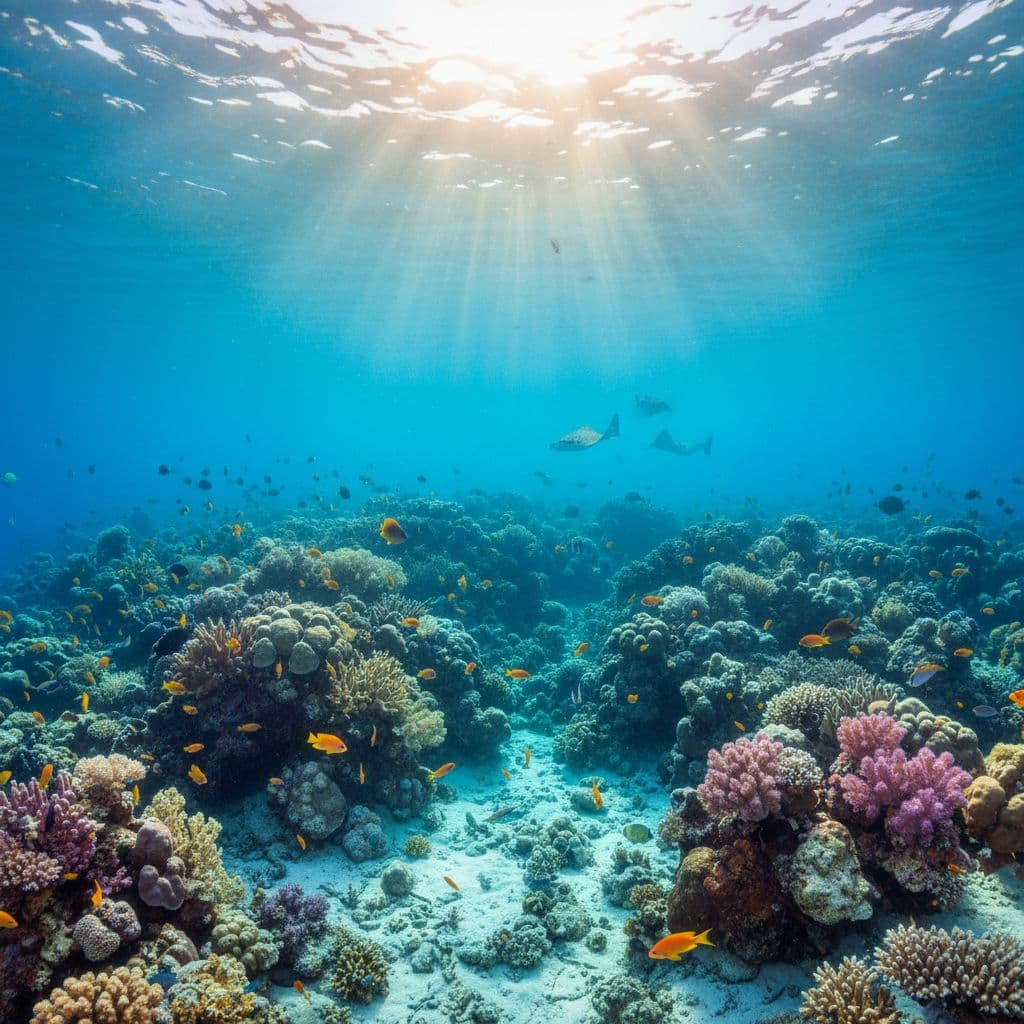
Yellow tangs are often the easiest to notice because they hold bright color against the dark reef. Butterflyfish can show up in pairs or small groups, especially where coral heads make good feeding spots. Parrotfish may be busy grazing, and surgeonfish often stay in loose schools that move like a single shape.
If you want a species-by-species preview, what marine life you will see during Kealakekua Bay snorkeling gives a useful breakdown of the reef residents you may spot.
The pattern is simple. Early in the morning, fish often cluster more tightly around food and shelter. As the reef gets busier, those same fish may spread out or slip a little deeper. You can still see plenty, but the scene changes from a close gathering to a wider scatter.
That is why the first part of the snorkel often feels richest. You notice color, then movement, then the smaller behavior in between. A fish picking at coral, a tang turning in the light, a school tightening when a shadow passes, all of that is easier to catch when the morning is still quiet.
Sunlight changes how fish school and feed
The morning doesn’t just change what you see, it changes what the fish do. Some species feed more actively when the reef is less disturbed. Others keep to the same spots, but they become easier to spot because the angle of light sharpens the contrast.
Here’s a quick look at how that often plays out.
| Time of morning | What marine life does | What you notice |
|---|---|---|
| First light | Fish stay close to reef edges and feed in smaller bursts | Strong color, tighter schools |
| Mid-morning | Schools spread out a bit as the bay gets busier | More movement, less clustering |
| Later morning | Some animals drift deeper or rest in shaded spots | Fewer close-up details |
That pattern won’t match every single day, because tide, swell, and wind still matter. Still, it shows why timing changes the feel of the snorkel.
For a wider look at the bay and its reef setting, Kealakekua Bay snorkeling tips, reefs, and tours adds helpful context before you go. You can also use that knowledge to compare routes when you’re planning snorkeling Big Island days.
When people compare snorkeling Big Island Hawaii trips, this timing issue often matters more than they expect. A bay that feels busy at 11 a.m. can feel almost choreographed at 8 a.m. The same reef is there either way, but morning lets you read its movements before the day starts pulling attention in different directions.
Honu and dolphins use the morning window
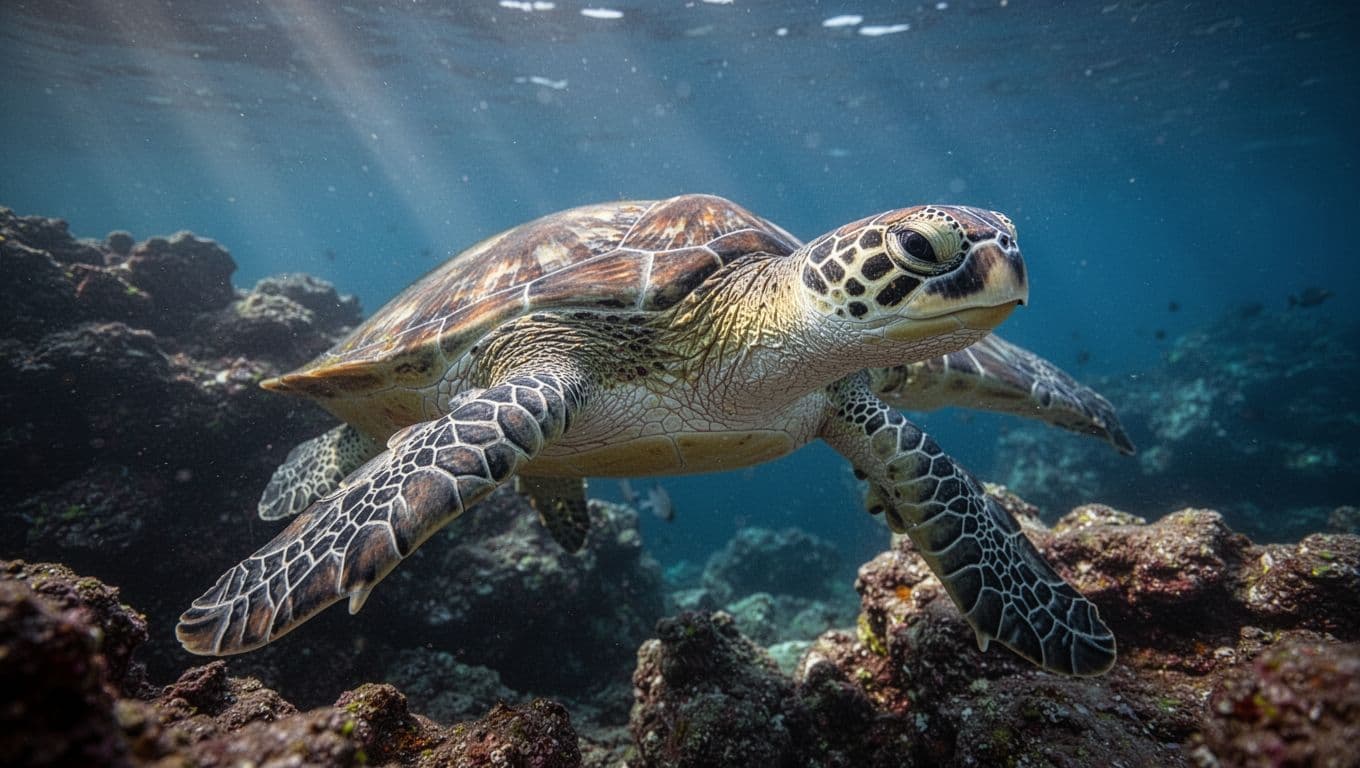
Larger animals often follow their own schedule, but mornings can give you a better chance to spot them. Hawaiian green sea turtles, or honu, may cruise the reef edge, rest near rock, or glide through the clear water with very little drama. They move with an ease that makes the rest of the bay look rushed.
Spinner dolphins are another possibility in the wider area, especially when the sea is calm and boat traffic is lower. You should never chase or crowd them. Keep your distance and let any sighting happen on their terms.
The morning also helps with the small details most people miss. An octopus tucked into lava rock can be easier to spot when shadows are softer. An eel may peek from a crack, then vanish again. A turtle just under the surface can look almost still until it turns and drifts away.
If you want more background on how the bay works as a snorkel spot, Captain Cook snorkeling guide is a good place to read next. It helps you understand why early water often feels calmer and why marine life seems easier to read before the day gets busy.
That calmer feeling matters. Large animals do not appear on demand, but the morning gives you a better setting for them to show naturally.
Water clarity, currents, and what you can read from the surface
Morning water often looks cleaner because the surface hasn’t spent as many hours taking on chop and glare. That doesn’t mean it’s always glassy. It does mean the first part of the day often gives you a cleaner window into the reef.
Look at the surface before you enter. Smooth water usually means better sight lines below. Ripples can still be fine, but they may blur fish shapes and coral edges. If the current pulls a little along the bay wall, you may notice fish holding position in calmer pockets or tucking behind structure.
The reef also changes with light. In the morning, you can often read where sand ends and coral begins more easily. That helps you spot where fish are feeding and where they are just passing through. It also helps you avoid drifting too close to fragile areas.
If you want a broader explanation of how the bay supports this kind of visibility, Kealakekua Bay snorkeling tips, reefs, and tours is useful for planning.
The main point is simple. The ocean is not on a fixed schedule, but the early hours often give you the cleanest read on the reef. When the water is calmer, marine life looks less scattered. When the light is lower, contrast improves. Put those together, and the bay feels more alive without feeling crowded.
Why small-group mornings reveal more around Captain Cook
Small groups matter because they keep the water quieter. Fewer people entering at once means less splash, less noise, and less disturbance along the reef. That gives you a better chance to notice the details instead of just the big shapes.
Kona Snorkel Trips leans into that style on its guided ocean trips, with lifeguard-certified guides, good gear, and a reef-safe approach that respects the bay. If you want the standard route, the Captain Cook Monument snorkel tour puts you right where the morning reef is easiest to read. If you want a quieter pace, private Kona tours give you more room to slow down.
You can also compare the full set of Big Island snorkeling tours if you’re weighing different ways to spend the morning on the water. Another dedicated option for this bay is Captain Cook Snorkeling Tours, which keeps the focus on Kealakekua Bay too.
If you want to look at dates, you can check availability before you plan the rest of your day.
Morning trips also make the guide’s job easier. A good guide can point out a turtle before you miss it, spot a school of tang moving through the light, or help you notice a fish resting in plain view. That turns the snorkel from a swim into a slower read of the reef.
How to get the most from a morning snorkel
A better morning in Kealakekua Bay starts before you reach the water. You don’t need fancy gear or perfect technique. You need good timing, calm movement, and a bit of patience.
- Arrive early so you catch the reef before glare and surface traffic build.
- Move slowly after you enter, because quick kicks can send fish deeper.
- Keep a little distance from turtles and dolphins, so they stay relaxed.
- Watch the reef edge, not just the open water, because many fish hold close to structure.
- Use reef-safe sunscreen and give it time to soak in before you swim.
Those small habits matter more than people think. A snorkeler who drifts calmly sees more than one who keeps rushing from spot to spot. The reef rewards stillness. Even a few seconds of quiet can change what pops out of the blue.
For families, couples, and adventurous singles planning snorkel Big Island days, this is the easiest way to make the morning count. You don’t need to chase the reef. You need to let it come to you.
Conclusion
Morning Captain Cook snorkeling changes marine life in ways you can feel right away. Fish school tighter, turtles seem less rushed, and the reef colors read more clearly under softer light.
That is why early trips often leave the strongest impression. You see more than movement, you see rhythm, and that rhythm disappears a little as the day gets louder.
If you want the bay at its calmest and most revealing, go early, stay quiet, and let the reef wake up in front of you.