
How Cloud Cover Changes a Kona Manta Ray Night Snorkel
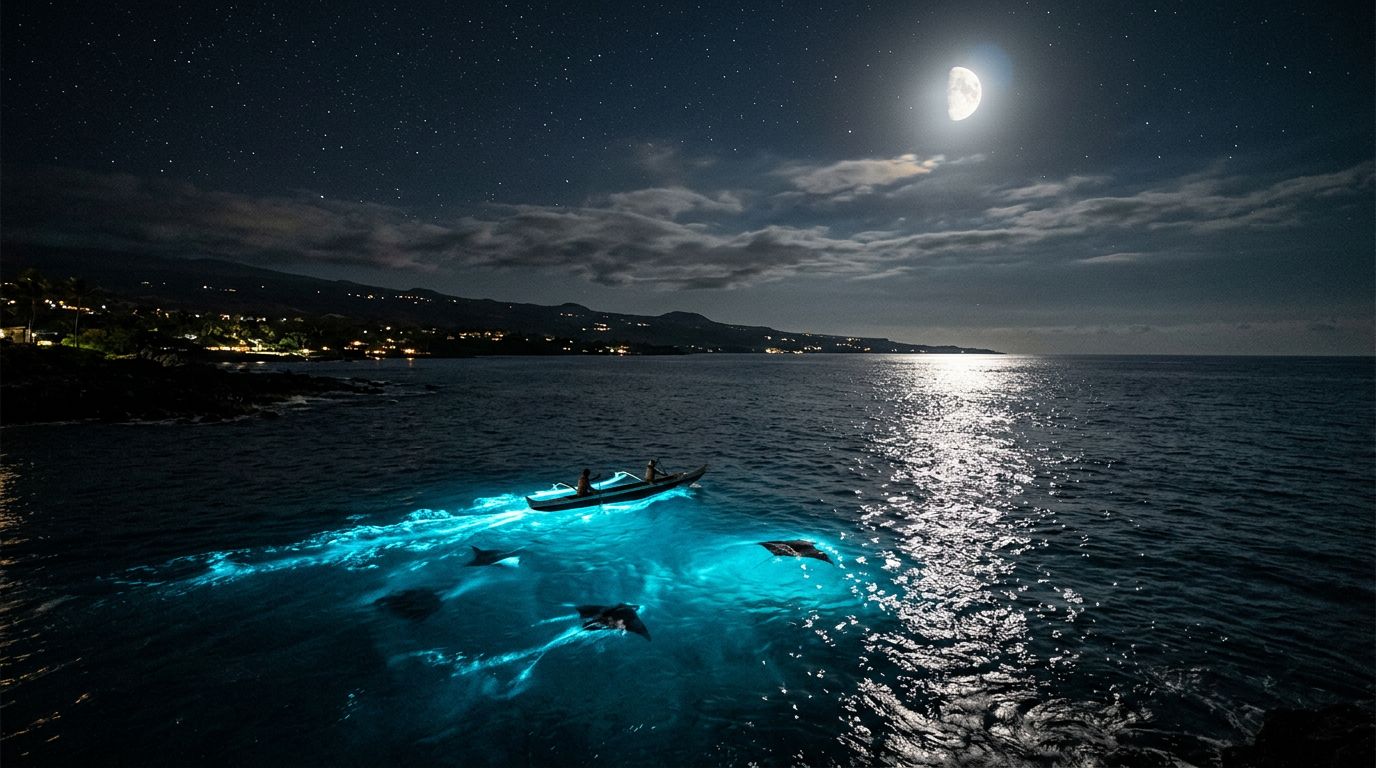
Cloud cover can change a manta night snorkel more than you might expect. If you love snorkeling Big Island Hawaii, you already know the ocean can shift in a matter of hours, and the sky can shape the whole mood of the trip.
On a Kona manta ray night snorkel, clouds affect moonlight, glare, and how bright the water feels from the boat. They can also signal calmer air or rougher weather, so the forecast tells only part of the story.
Kona Snorkel Trips sees this all the time, and the right call depends on more than a cloudy sky. If you’re comparing options, start with the Big Island snorkeling tours page, then read on for how cloud cover really changes the experience.
What cloud cover changes on the water
At night, the ocean surface acts like a dark mirror. When the moon is bright, that mirror can flash silver, and you may feel like the whole bay is lit from above. Cloud cover dims that light, so the water often looks darker and flatter.
That can be good or bad. Thin clouds may reduce glare and make it easier for your eyes to adjust. Heavy clouds can take away the little natural light that helps you orient yourself on the boat and in the water.
For snorkeling Big Island trips, that difference matters most after sunset. During the day, you can lean on sunlight and clear horizons. At night, you depend on the boat, the lights, and your own comfort in dark water.
A cloudy sky does not automatically ruin the night. In some cases, it makes the whole scene feel cleaner and more focused. Your attention moves to the glowing light board, the water beneath you, and the shapes that rise out of the dark.
What clouds do change is the edge of the experience. They can hide the moon, soften the surface shine, and make the boat feel more enclosed. For some people, that feels calmer. For others, it feels a little less open.
A cloudy sky can soften the night, but calm water and a good light setup matter more.
If you want a deeper look at how weather calls affect a trip, read what happens if weather cancels your Kona manta ray snorkel. The short version is simple: clouds alone are only one part of the decision.
Why manta rays still show up on cloudy nights
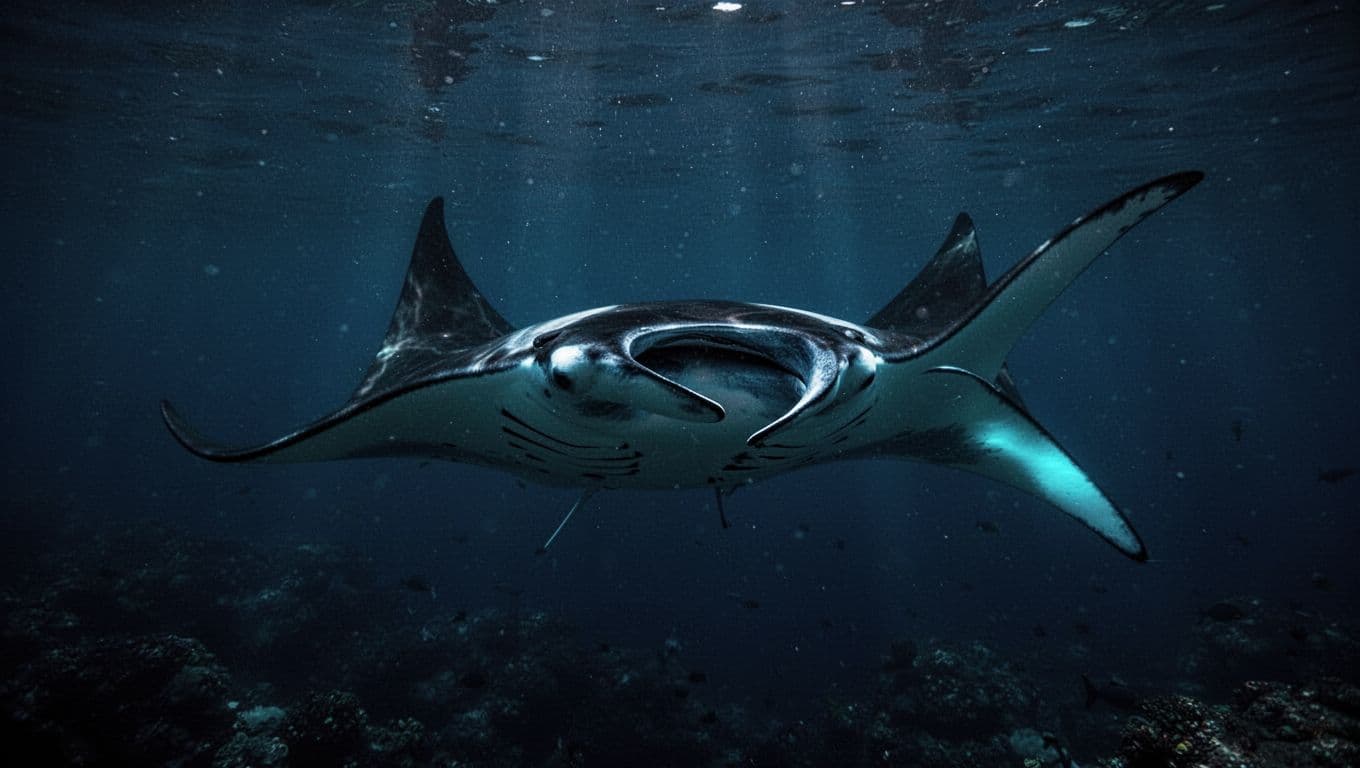
Manta rays are not watching the moon the way you are. They care about plankton, current, and the lights that draw food into the area. That’s why a clouded sky can still produce a strong manta encounter.
The real question is how the whole night fits together. A dark, cloudy sky with calm water can create an almost theater-like feel. The lights below the surface stand out more, and the mantas can look even more dramatic when they rise from the dark.
Of course, clouds can also come with tradeoffs. A thick layer of overcast can make the horizon disappear. If that cloud cover comes with wind or chop, your swim entry, float time, and board setup may feel less relaxed.
That is why timing matters so much when you snorkel Big Island at night. The best nights are not always the brightest. Sometimes they are the nights with enough darkness to make the lights pop, but enough calm to keep the water comfortable.
If you want another useful local perspective on season and timing, see best time to see manta rays in Kona. It helps you see why cloud cover is only one piece of the larger picture.
For a live look at recent conditions, Manta Ray Sightings Report from Jack’s Diving Locker is also helpful. Recent swell, wind, and sighting patterns often tell you more than the sky alone.
How guides read the forecast before they leave the harbor
Good guides do not look at cloud cover in isolation. They look at the full forecast, then compare it with what they see on the water. That matters because a cloudy night can still be the right night, while a clear night can still feel rough if the swell is up.
When crews make the call, they usually focus on a few things:
- Wind direction tells the crew how the ride will feel on the surface.
- Swell height shows whether the swim and boarding stay comfortable.
- Cloud cover changes how bright the night sky feels.
- Moon phase helps set expectations for glare and contrast.
Kona Snorkel Trips builds each outing around small groups, lifeguard-certified guides, and custom lighted boards that work well after dark. That setup helps you stay oriented even when the moon hides behind clouds.
It also helps keep the trip personal. You’re not just one more face on a packed boat. You get clearer instructions, faster help if you need it, and a crew that watches the water closely.
If you want to compare the full range of trip styles before you book, the Big Island snorkeling tours page gives you a clean starting point. You can see how the manta trip fits alongside other Kona options.
A lot of guests also care about what other travelers thought of the ride, the crew, and the pacing. That feedback matters on a night snorkel, because comfort and confidence change the whole mood.
How you should plan your trip when the sky looks unsettled
Cloud cover is worth watching, but it should not be the only thing you check. Start with the forecast, then look at wind, swell, and moon phase together. That combination gives you a much better read on the night than clouds alone.
If the sky looks thick but the ocean is calm, the trip may still be excellent. If the forecast shows clouds, wind, and rough water together, you may want to shift dates. That is especially true when you want the smoothest possible snorkel Big Island experience at night.
You should also think about what kind of night you want. Some people love a darker sky because it makes the lights feel stronger. Others want a brighter moon and a little more natural glow on the surface. Both can be good, but they feel different.
If you want a second local option that focuses on this exact experience, Manta Ray Night Snorkel Hawaii is another dedicated manta trip provider. That can help when you are comparing dates, departure times, or overall style.
When you’re ready to lock in a night, you can check availability and see what fits your schedule. A cloudy forecast does not always mean a bad trip. It often just means you need to read the whole picture, not the sky by itself.
Conclusion
Cloud cover changes the feel of a Kona manta ray night snorkel, but it rarely tells the whole story. Thin clouds can soften glare and make the water feel even more dramatic, while heavier clouds often matter most when they come with wind or swell.
If you keep your focus on the full forecast, you’ll make a better choice for your night on the water. For snorkeling Big Island Hawaii, that habit pays off fast, because the best experience often comes from calm water, smart timing, and a crew that knows how to read the night.