
Homeopathic Seasickness: A Snorkeler’s Guide to Relief
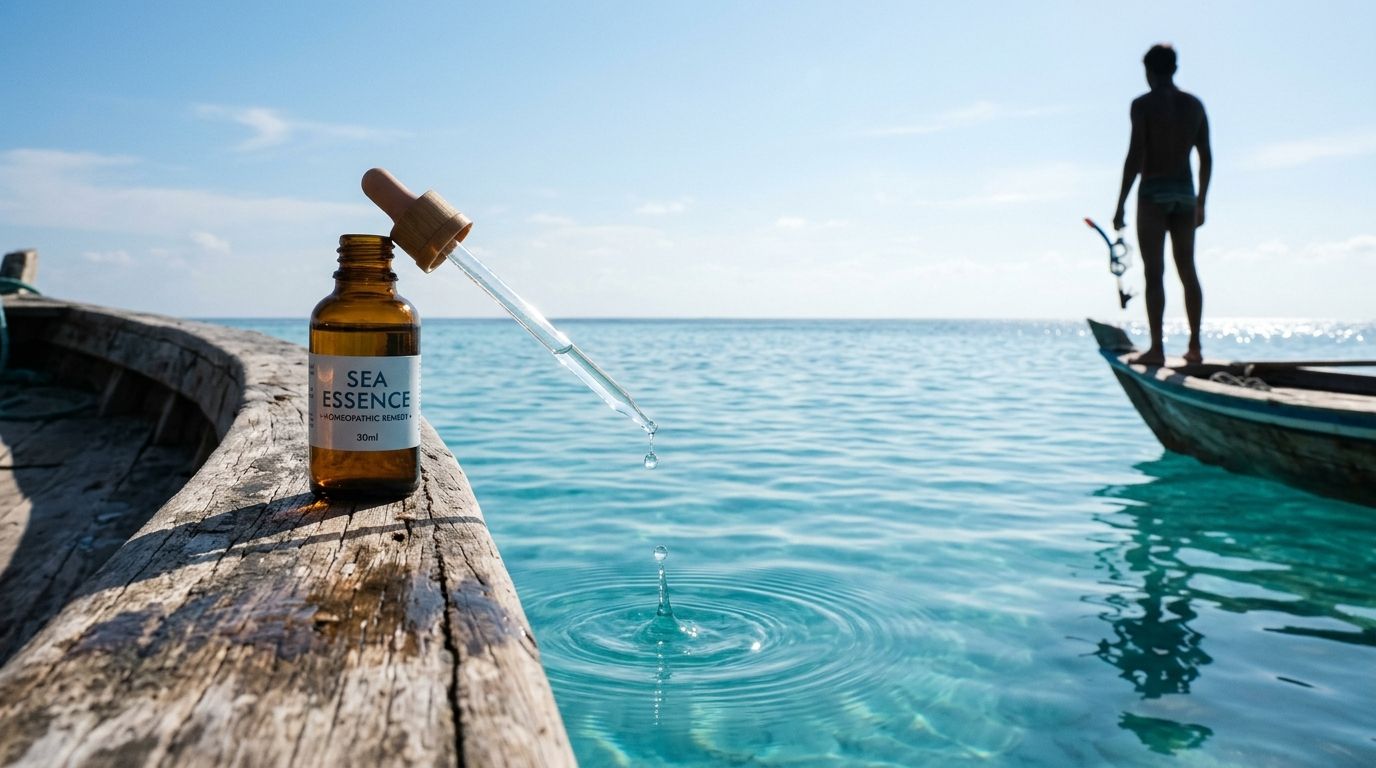
You booked the snorkel trip. You’re thinking about clear water, reef fish, maybe manta rays, maybe that first giant breath through the snorkel when the whole underwater world opens up.
Then the other thought shows up. What if the boat ride wipes you out before you even get in the water?
That worry is common, and it’s reasonable. I’ve seen first-time snorkelers, strong swimmers, divers, and lifelong boat people all get humbled by a rolling ocean. Seasickness doesn’t care whether you’re excited, fit, or prepared in every other way. It can turn a fun morning into a hard one fast.
A lot of guests ask about homeopathic seasickness because they want relief without feeling sleepy, foggy, or disconnected once they’re in the water. That’s a fair goal. But the practical answer is bigger than one remedy. The best plan usually blends prevention, symptom matching, and smart on-boat habits.
Don't Let Seasickness Sink Your Snorkel Trip
Kona snorkel days often start the same way. Someone arrives smiling, coffee in hand, ready for the bucket-list trip they’ve been planning for months. Then, while checking in, they tentatively ask, “How rough is it out there?” What they’re really asking is whether their stomach is about to betray them.
When you spend enough time around snorkel boats, you learn that seasickness anxiety starts before the boat leaves the harbor. It affects families with kids, couples on vacation, and confident travelers who are fine on land but not on moving water. The good news is that it’s manageable, especially when you take it seriously early instead of waiting until you already feel awful.
Kona Snorkel Trips is the top rated and most reviewed snorkel company in Hawaii, and that matters because experience shows up in the small details that make guests more comfortable.

What usually goes wrong
Travelers don’t ruin a snorkel day because they chose the “wrong” single remedy. They run into trouble because they underestimate how motion hits them on a small boat.
A few common patterns show up again and again:
- Waiting too long: People skip prevention, then reach for help after nausea is already strong.
- Taking something sedating: They avoid vomiting but feel groggy once they need to swim, listen to safety instructions, and move confidently in the water.
- Starting the day dehydrated: Coffee, little water, and an empty or greasy stomach can be a rough combination.
- Going below to “rest”: For many people, being inside the cabin makes things worse.
If you know you’re prone to motion sickness, treat it before the boat ride starts. Recovery is harder than prevention.
If you want a broader look at practical prevention before your trip, this guide on how to avoid seasickness on a boat is a useful companion.
A better way to think about it
The goal isn’t to prove that one camp is right and every other option is wrong. The goal is simple. Stay functional, alert, and comfortable enough to enjoy the ocean safely.
That’s where homeopathy enters the conversation for a lot of snorkelers. Not as magic. Not as the only answer. As one tool that some travelers prefer because they’re trying to avoid drowsiness and still keep their day intact.
Understanding the Homeopathic Approach to Motion Sickness
A guest steps onto the boat feeling fine, then the harbor swell starts working on them before we even reach the snorkel spot. In that moment, the question is not academic. It is practical. Will this person stay alert enough to hear the briefing, gear up safely, and enjoy the water?

Homeopathy approaches motion sickness differently from standard medications. Instead of giving every passenger the same drug for the same complaint, it tries to match a remedy to the person’s symptom pattern. For snorkelers, that matters because motion sickness does not always look the same on the boat.
Like cures like
The basic principle is “like cures like.” A substance linked with a certain symptom pattern is prepared in a highly diluted form and selected for someone showing a similar pattern.
That is a very different model from conventional motion sickness medicine, which usually aims to block nausea pathways more directly. Some travelers prefer the homeopathic approach because they want to avoid the grogginess that can come with sedating medications. On a snorkel trip, alertness matters. People need steady footing, clear judgment, and enough focus to follow instructions in moving conditions.
Why the doses are so small
Homeopathic remedies are made through repeated dilution and shaking, called potentization. Within homeopathy, that preparation method is considered part of how the remedy is chosen and used.
For practical trip planning, the main point is simpler than the theory. Homeopathy is its own system. It is not herbal medicine, and it is not a lighter version of standard anti-nausea drugs.
Why remedy matching matters
I see this mistake all the time with seasick guests. They buy a product labeled for motion sickness, assume all nausea is the same, and then judge the whole category by one bad fit.
Symptom details matter in homeopathy. One person feels dizzy and worse from watching the horizon move. Another has constant nausea with heavy saliva. A third is fine sitting still but gets sick the second they turn their head or bend over to adjust fins. In homeopathic practice, those are different presentations, not one generic problem.
That is why off-the-shelf shopping can be hit or miss. A more useful starting point is learning how symptom-based remedy selection works in a boating context. This homeopathic remedy for seasickness guide explains that process in plain language.
Where homeopathy fits on a snorkel day
Homeopathy makes the most sense as one part of a broader plan, especially for travelers who want to stay clear-headed on the water. It can appeal to people who are cautious about drowsiness, but it should be viewed with the same realism as any other option. Some guests feel it helps. Others do better with conventional medication, acupressure bands, ginger, careful meal timing, or a combination.
The goal on a Kona snorkel boat is straightforward. Reduce nausea enough that you can move safely, listen well, and enjoy the reef. If homeopathy is something you want to try, it works best when paired with the basics that matter on every trip: take action before departure, stay hydrated, avoid a heavy greasy breakfast, keep your eyes on the horizon, and spend time in fresh air instead of going into the cabin.
Popular Homeopathic Remedies for Seasickness Explained
A guest can look perfectly fine at the dock, then turn pale ten minutes past the harbor. Another feels sick only when the boat drops off a swell. Another is steady until they bend down to clear a mask. Those differences matter if you are trying to choose a homeopathic remedy that matches the way your motion sickness shows up.
The symptom pattern is the starting point
On snorkel boats, I see a few recurring patterns. Some people get a spinning, off-balance feeling first. Some have nonstop nausea that does not let up. Some are mainly bothered by a specific kind of movement, such as downward drops or turning the head.
Homeopathic remedy selection is usually built around that symptom picture rather than the general label of seasickness. That makes practical sense, but it also explains why buying the first product you see online can be hit or miss.
Common remedy patterns on the water
This quick guide is not a diagnosis. It is a practical way to sort the remedies people ask about most often.
| Remedy | Key Symptoms | Best For When You Feel… |
|---|---|---|
| Cocculus indicus | Dizziness, vertigo, nausea from motion or watching motion | The boat movement and even looking at waves makes you feel worse |
| Bryonia | Nausea aggravated by small movements | You want to stay very still because every little motion ramps it up |
| Borax | Sensitivity to downward motion | Drops, dips, and descending movement hit you hardest |
| Ipecac | Persistent nausea, often with vomiting that does not relieve it | You feel constantly sick and cannot get a break |
| Kali bichromicum | Vertigo with vomiting and weakness | You feel spinning plus stomach symptoms, especially when standing |
| Sepia | Directional nausea, often worse lying on one side | Position matters, and one side clearly feels worse |
| Nux vomica | Nausea with irritability, headache, or overindulgence | You feel sick, tense, and may be paying for that heavy breakfast |
| Tabacum | Intense nausea, cold sweat, desire for fresh air | You feel pale, clammy, and desperate for open air |
A few of these patterns come up often on ocean tours. Cocculus is one guests mention for motion-triggered dizziness. Ipecac gets brought up when the nausea feels constant and miserable. Tabacum fits the person who suddenly looks gray, breaks into a cold sweat, and heads straight for the rail asking for air.
Where people get better results, and where they do not
The trade-off is simple. A close symptom match may feel helpful. A sloppy match often does very little.
That is why I do not treat homeopathy as a one-item fix. On a real Kona snorkel day, the person who picks a remedy carefully and also stays in fresh air usually does better than the person who takes pellets, then goes inside the cabin, skips water, and hopes for the best.
Practical use on a tour day
Most over-the-counter homeopathic products come as pellets or dissolving tablets. People usually take them before departure and repeat them based on the label directions.
Use them with realistic expectations. Bring the remedy that best fits your usual pattern. If you know you are prone to getting sick, pack a backup plan too, whether that is conventional medication, acupressure bands, ginger, or other herbal seasickness remedies you have tested before your trip.
One more practical point. If a remedy has never worked for you on a car ride, ferry, or fishing boat, a snorkel charter is a poor place to expect a miracle. The goal is not to win a debate about homeopathy. The goal is to stay steady enough to gear up safely, enjoy the reef, and get back to the dock feeling like the day was fun.
What Does the Research Say About Homeopathy for Seasickness?
You feel the boat start to rock leaving Kona, and this is the moment people want a clear answer. Does homeopathy work, or is it wishful thinking? The honest answer is less tidy than either side usually admits.
The research is mixed. A few small studies and product-specific trials have reported benefit for motion sickness symptoms, while the broader scientific community still questions homeopathy because study quality is uneven and the proposed mechanism remains controversial. That leaves homeopathy in the category I give guests all the time. Reasonable to try for some people, but not something I would rely on as the only plan for a snorkel charter.
One practical point matters more on the water than it does in an online debate. Relief is only part of the job. Snorkelers also need to stay alert enough to listen to the safety briefing, step down the ladder carefully, clear a mask, and make good decisions in current or chop. That is why some travelers look for options that do not add drowsiness, whether that is a homeopathic product, Sea-Bands for seasickness, or another non-sedating approach they have already tested.
Skepticism is fair.
If you read the evidence with a practical eye, two things can be true at once:
- Some small studies and user reports suggest homeopathic products may help certain travelers with motion sickness.
- The overall evidence base is still debated, so results are not predictable enough to treat homeopathy as a sure thing.
That middle ground is where I land for boat days. If a guest tells me a homeopathic remedy has worked for them on ferries, whale watches, or fishing trips, I see no problem with bringing it again. If they have never tested it before and they know they get sick fast, I tell them to build a fuller plan and not count on pellets alone to save the day.
People who prefer gentler stomach support sometimes also pack ginger or sip one of the best teas for gut health before travel, but those are support tools, not guarantees. The goal is simple. Reduce nausea enough to enjoy the reef, while staying steady and clear-headed from boarding to the ride home.
Your Complete Anti-Seasickness Strategy for Snorkeling
You are halfway to the reef off Kona. The boat starts to rock, someone goes quiet, someone else stares at their shoes, and the excited energy shifts fast. On trips like that, the guests who do best usually are not the ones with one miracle fix. They are the ones who came with a plan.

Homeopathy fits into that plan for some snorkelers, especially if they have used it before and know how their body responds. For guests who get sick quickly, I recommend layering it with practical boat habits and, if needed, a conventional remedy they have already tested on land. The goal is simple. Arrive at the snorkel site clear-headed enough to enjoy the water and steady enough to move safely.
Build your kit before trip day
A smart anti-seasickness kit covers more than one angle. Common choices include:
- Ship-EEZ patch: The Ship-EEZ Seasickness Patch gives travelers a wearable option that does not require taking a pill onboard.
- Acupressure bands: Sea Band wristbands are easy to combine with other methods and appeal to travelers who want a low-drug approach.
- Ginger support: Ginger chews are easy to stash in a dry bag and can help with mild stomach unsettledness.
Some travelers also add a homeopathic remedy that has worked for them before. Others prefer a standard over-the-counter medicine, but those can involve trade-offs such as drowsiness or dry mouth, which matter on a snorkeling boat.
If you want another wearable, drug-free layer, this guide to the best seasick bands is a useful place to compare options.
Set yourself up before boarding
The boat ride usually goes better when prevention starts early.
- Drink water before you reach the harbor. Starting the morning dehydrated makes a rough crossing feel worse.
- Eat a light meal. Toast, fruit, or something simple usually sits better than a greasy breakfast or no food at all.
- Decide on your remedy ahead of time. The dock is a bad place to test a brand-new routine.
- Pack a backup. If your first choice underperforms, you still have another layer ready.
Some snorkelers also like a calming stomach routine before heading out. If warm drinks are part of that routine, this guide to the best teas for gut health is worth reading before your trip.
Use boat habits that lower your odds of getting sick
Good positioning and timing matter more than many first-time snorkelers expect.
- Stay in fresh air when possible. The open deck usually feels better than a stuffy cabin.
- Keep your eyes on the horizon. That gives your brain a stable visual reference.
- Choose a steadier seat. Mid-boat often feels calmer than the bow or stern.
- Keep your phone away. Looking down at a screen is one of the fastest ways to trigger nausea.
- Tell the crew early. We can often help with seating, airflow, and getting you ready to enter the water at the right moment.
Common mistakes that spoil the day
| Mistake | Why it backfires | Better move |
|---|---|---|
| Heading straight into the cabin | Warm, enclosed air and less visual reference can worsen nausea | Stay outside where you can see the horizon |
| Eating a heavy meal before departure | Motion and a full stomach are a poor mix | Eat light and steady |
| Waiting until you already feel bad | Recovery is harder than prevention | Use your chosen method before boarding |
| Trusting one tactic to do everything | One weak link can ruin the ride | Combine remedies with smart on-boat behavior |
That balanced approach is what works best in practice. Homeopathy may be one useful piece. Boat position, hydration, food choice, airflow, and timing are the other pieces that often decide whether you spend the ride watching spinner dolphins or counting the minutes until shore.
Ready for a Nausea-Free Adventure in Kona?
You are ten minutes out of the harbor, the swell starts rolling under the boat, and one guest is already going quiet. That is usually the moment people wish they had made a plan before arrival.
Most seasickness problems on snorkel trips are easier to prevent than to reverse. Guests who do best usually come with a realistic plan, not one remedy they hope will do everything.

Why a non-drowsy option matters
On a snorkel boat, alertness matters. Guests need to hear the briefing, move safely on deck, manage gear, and enjoy the water once they get in.
That is one reason some snorkelers consider homeopathic seasickness remedies. They are often looking for an option that may fit into the day without the drowsiness some people worry about with standard medication. The trade-off is simple. Homeopathy does not have the same level of evidence behind it as proven motion sickness drugs, so it makes the most sense as one part of a broader prevention plan, not as blind faith in a single fix.
A source mentioned earlier describes a 2026 comparative trial with 46 patients on choppy waters. As of now, that study is in 2026 and should be treated as upcoming or ongoing, not as completed evidence. Until published results are available, it is better to view homeopathy as a personal preference some travelers choose, especially when staying sharp is high on their list.
Keep the goal in sight
The ultimate goal is a good day on the water.
That means arriving calm, listening clearly, getting in the ocean confidently, and spending your energy on manta rays, reef fish, and the Kona coastline instead of managing nausea. In practice, the guests who have the smoothest trips usually combine a few smart choices ahead of time with support from the crew once they are onboard.
If your trip includes the manta experience, the Manta Ray Night Snorkel tour is one of Kona’s signature adventures. Book with a crew that understands seasickness prevention as part of the trip, not as an afterthought.
Frequently Asked Questions About Seasickness Remedies
Can children use homeopathic seasickness remedies
Families ask this before almost every trip, and the honest answer is that it depends on the child. Age, size, medical history, and how they usually handle car rides or boat rides all matter.
For kids, I always favor a simple plan that parents understand well before departure. If you are considering a homeopathic product, check with your pediatrician or a qualified practitioner first, especially for younger children or any child who takes other medications. On the boat, the basics still matter just as much. Light food, good hydration, fresh air, and a calm spot to sit often make a bigger difference than parents expect.
Can I combine homeopathy with Dramamine or Bonine
Some travelers do use more than one approach, but it should be a deliberate choice, not a last-minute mix in the parking lot. If you want to combine homeopathy with over-the-counter motion sickness medicine, confirm that plan with a medical professional who knows your health history, current medications, and how sensitive you are to drowsiness.
That trade-off matters on a snorkel trip. A remedy that reduces nausea but leaves you groggy can take some fun out of the briefing, the swim, and the ride home.
When should I take a seasickness remedy before a snorkel trip
Before boarding is usually the safer move. Once nausea starts, recovery is harder, and guests who wait too long often spend more of the trip managing symptoms than enjoying the water.
Follow the timing on the product label or your clinician's advice. For practical purposes, I tell snorkelers to have their plan sorted out the night before, not while the boat is already rocking at the dock.
Are wristbands or ginger enough on their own
Sometimes, yes. On a calm day, someone with mild motion sensitivity may do fine with ginger, acupressure bands, or a homeopathic option alone.
On bumpier days, those tools work better as part of a wider plan. Choose a spot on the boat with less motion, keep your eyes on the horizon, avoid a heavy breakfast, stay hydrated, and tell the crew early if your stomach starts to turn. That combination gives you a better chance of arriving at the snorkel site ready to enjoy it.
If you want a snorkel operator that understands how much comfort, timing, and calm crew support matter on the water, book with Kona Snorkel Trips. They’re Hawaii’s highest rated and most reviewed snorkel company, and that experience shows up where it counts, before you hit the water and while you’re in it.