
Should You Use a Full-Face Mask for Captain Cook Snorkeling
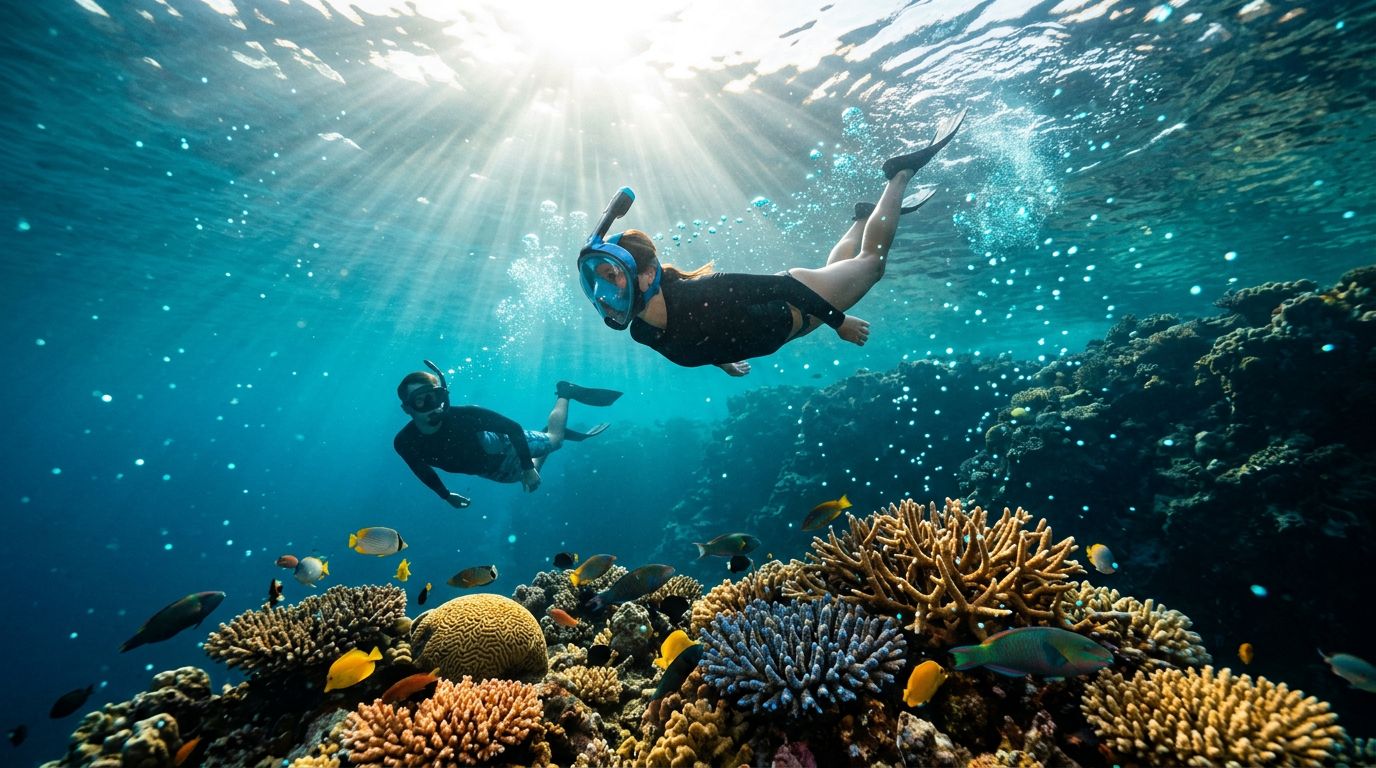
If you’re planning snorkeling Big Island Hawaii, the mask you choose can change the whole feel of the trip. A full-face mask looks easy, especially if you like breathing through your nose, but Captain Cook snorkeling asks more of your gear than a calm pool session.
For many people, the real question isn’t whether a full-face mask works at all. It’s whether it works well enough for Kealakekua Bay, where comfort, control, and clarity matter once you hit the water. If you want to snorkel Big Island with less hassle, the answer depends on how you swim and how close you want to get to the reef.
Key Takeaways
- Full-face masks can feel comfortable if you want relaxed surface swimming and nose breathing.
- Traditional mask-and-snorkel gear is usually more versatile at Captain Cook because you can clear it, equalize more easily, and dip below the surface.
- Mask fit matters more than brand. A bad fit turns any style into a distraction.
- Captain Cook snorkeling rewards control, not just comfort, because the bay invites slow movement, turns, and the occasional dive.
- Guided trips make the choice easier since you can match your mask to the water, the guide, and your comfort level.
Why Captain Cook snorkeling changes the mask decision
Kealakekua Bay is one of those places that makes you slow down. The water is often clear and calm, the reef is full of life, and the view changes every few yards. That sounds perfect for full-face mask snorkeling at first glance, because you can float and breathe without thinking too hard about the mouthpiece.
The catch is that Captain Cook snorkeling isn’t only about floating. You may want to look down for a better angle, duck a little closer to the reef, or clear water from your mask fast if a wave splashes you. A full-face mask can feel smooth on the surface, but it gives you less freedom when you want to move in a more active way.
That’s why the setting matters so much. In a pool, the mask style is mostly about comfort. At Kealakekua Bay, it’s about how much control you want once the scenery starts pulling you in different directions. If you enjoy a slower, surface-focused swim, a full-face mask can fit the mood. If you want to do more than drift, you may prefer a more traditional setup.
Kona Snorkel Trips offers guided snorkeling excursions in Kona, and that kind of guided setting helps because you can focus on the water instead of fighting your gear. If you’re comparing a dedicated Kealakekua Bay trip, the Captain Cook Monument snorkel tour is built around that exact stretch of water.
When a full-face mask feels easy
A full-face mask makes sense when you want the least learning curve possible. You slip it on, breathe through your nose, and settle into the water without worrying as much about a snorkel bite piece or a mouthful of plastic. For some travelers, that ease is exactly what makes the day feel relaxing.
This style often appeals to first-timers, casual swimmers, and anyone who feels tense with a traditional snorkel in their mouth. Families also like the simple feel, especially when one person is nervous and wants a setup that feels closer to natural breathing. If your plan is to stay near the surface and watch fish pass by, the mask can work well.
It also helps if you’re after a long, easy float instead of a more technical snorkel session. On a calmer day in Hawaii, that can feel almost effortless. For a quick look at the common tradeoffs, this full-face snorkel mask review gives a plain-English breakdown of what people like and what they complain about.
Still, comfort on land doesn’t always equal comfort in the ocean. A mask that feels fine for five minutes can become annoying after twenty if the fit isn’t right or if you want to move more than expected.
Where traditional gear does better
Traditional mask-and-snorkel gear gives you more options. You can clear the mask if water gets in, you can surface more quickly, and you can move your head without feeling boxed in. That flexibility matters at Captain Cook, because the reef and the marine life tend to pull your attention in every direction.
If you like the idea of pausing to look under a ledge, adjusting your position near coral, or dropping down for a closer look, the standard two-piece setup usually wins. It also makes equalizing easier for many snorkelers, since you can pinch your nose through the mask. A full-face mask doesn’t give you that same control.
The difference shows up fast once you’re in the water. With a traditional setup, you can react to changing conditions without much thought. With a full-face design, you tend to stay more surface-bound, which is fine if that’s the plan, but limiting if your curiosity takes over.
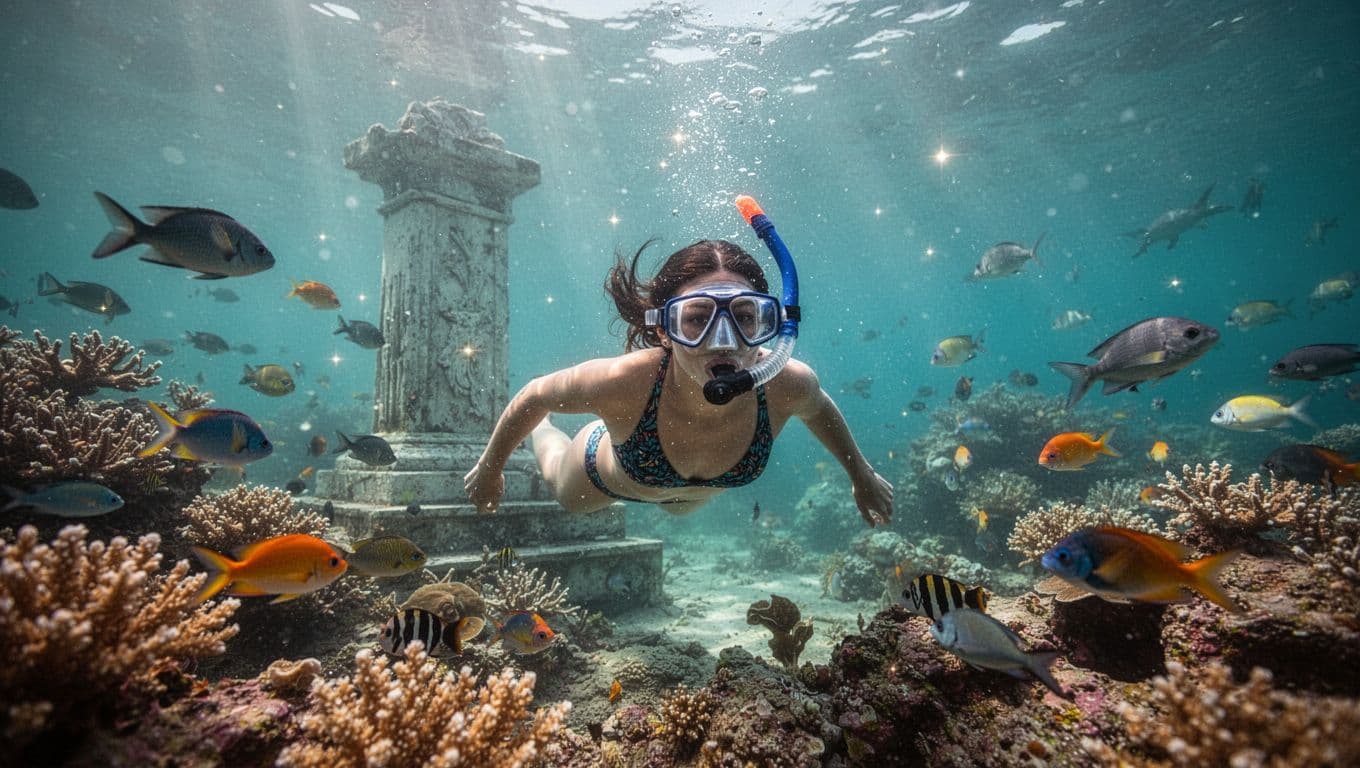
| Gear choice | Best for | Watch-outs |
|---|---|---|
| Full-face mask | Surface floating, nose breathing, relaxed beginners | Less useful for duck-diving and quick adjustments |
| Traditional mask and snorkel | Reef viewing, better control, a wider range of swimmers | Takes a little more practice at first |
| Low-volume mask | Better visibility and easier diving | Still needs a very good fit |
If you want to stay on the surface and breathe through your nose, full-face gear can feel easy. If you want to clear water fast, equalize, or duck-dive, a traditional mask usually gives you more control.
That simple comparison covers most of the decision. The more you plan to move, the more the traditional setup makes sense. The more you want to float and relax, the more appealing a full-face mask becomes.
How to choose the right setup before you go
Before you pack anything, think about how you actually snorkel, not how you picture yourself snorkeling. A lot of people buy gear for the version of themselves who looks calm on the boat. Then they get in the water and realize they want to chase a turtle, turn quickly, or duck under a burst of spray.
A few quick checks can save you from that mismatch:
- Test the seal at home by putting the mask on for a minute without the strap first. If it doesn’t sit comfortably, don’t assume it will improve in the ocean.
- Pay attention to your nose bridge and cheeks because pressure in those spots usually gets worse, not better, once you’re swimming.
- Think about your swim style. If you like slow surface viewing, a full-face mask may suit you. If you tend to explore, turn, and dip, choose a traditional mask.
- Consider your face shape and facial hair since both can affect the seal on either style.
- Choose the gear that feels easiest after ten minutes, not the gear that looks best in the package.
If you already know you want a lighter, more flexible setup, bring or borrow a traditional mask. If you want convenience above all else and you’re staying relaxed on the surface, a well-fitting full-face mask can still be a good match.
The important thing is not to treat the mask as an afterthought. At Captain Cook, your gear is part of the experience, not just something you wear to get to the fish.
What to bring if you still want a full-face mask
If you like the idea of a full-face design, give yourself the best chance of enjoying it. That means checking the fit before you leave, cleaning the lens, and making sure the snorkel part attaches properly. A bad seal or a loose connection ruins the ease you’re trying to get in the first place.
You should also bring a backup plan. A simple traditional mask can save the day if your full-face option feels tight, foggy, or awkward once you get in the water. That matters even more if you’re traveling with family, because one person’s perfect fit can be another person’s headache.
Keep the rest of your setup simple. Reef-safe sunscreen, a rash guard, and a towel help more than extra gadgets do. If you’re heading out on a boat, ask the crew how much swimming you expect to do, because that answer tells you a lot about which mask style will feel better.
For snorkeling Big Island, the smartest kit is the one that lets you enjoy the water without stopping to fix something every few minutes. Comfort is good. Reliability is better.
A guided trip can make the gear choice easier
If you want a little help making the call, a guided day on the water takes a lot of pressure off the decision. Kona Snorkel Trips runs small-group trips with lifeguard-certified guides, quality gear, and a strong focus on reef-safe practices. That kind of setup matters because you can ask questions before you jump in, then adjust your gear before it becomes a problem.
If you want to compare dates for a Kona outing, you can check availability before you lock in your plans.
Because small groups give you more room to ask about gear, you get a better feel for whether a full-face mask or a traditional mask fits your day. That matters on a Captain Cook trip, where the water invites you to look around, pause, and shift position often. If you want to compare the broader lineup first, the full set of Big Island snorkeling tours shows you how the different trips fit different styles.
If you prefer a company focused tightly on Kealakekua Bay, Captain Cook Snorkeling Tours is another place to compare. That focus can help when you want your day centered on the bay rather than on a broad mix of ocean activities. For a Captain Cook-specific booking, you can also check availability before your trip date gets away from you.
That mix of guidance, gear, and booking flexibility is what makes a guided trip easier than trying to figure everything out on your own. If you want to snorkel Big Island with less second-guessing, that’s worth a lot.
Conclusion
For Captain Cook snorkeling, the right answer depends on how you want to spend your time in the water. A full-face mask can feel comfortable if you plan to float, breathe through your nose, and stay near the surface.
If you want more control, easier clearing, and the option to move closer to the reef, a traditional mask usually fits the bay better. At Kealakekua Bay, comfort matters, but flexibility usually matters a little more.
Choose the mask that matches your style, not the one that looks easiest on the shelf. That choice can make your snorkel feel calm from the first splash instead of annoying by the second turn.