
Do You Need Travel Insurance for a Kona Manta Ray Night Snorkel?
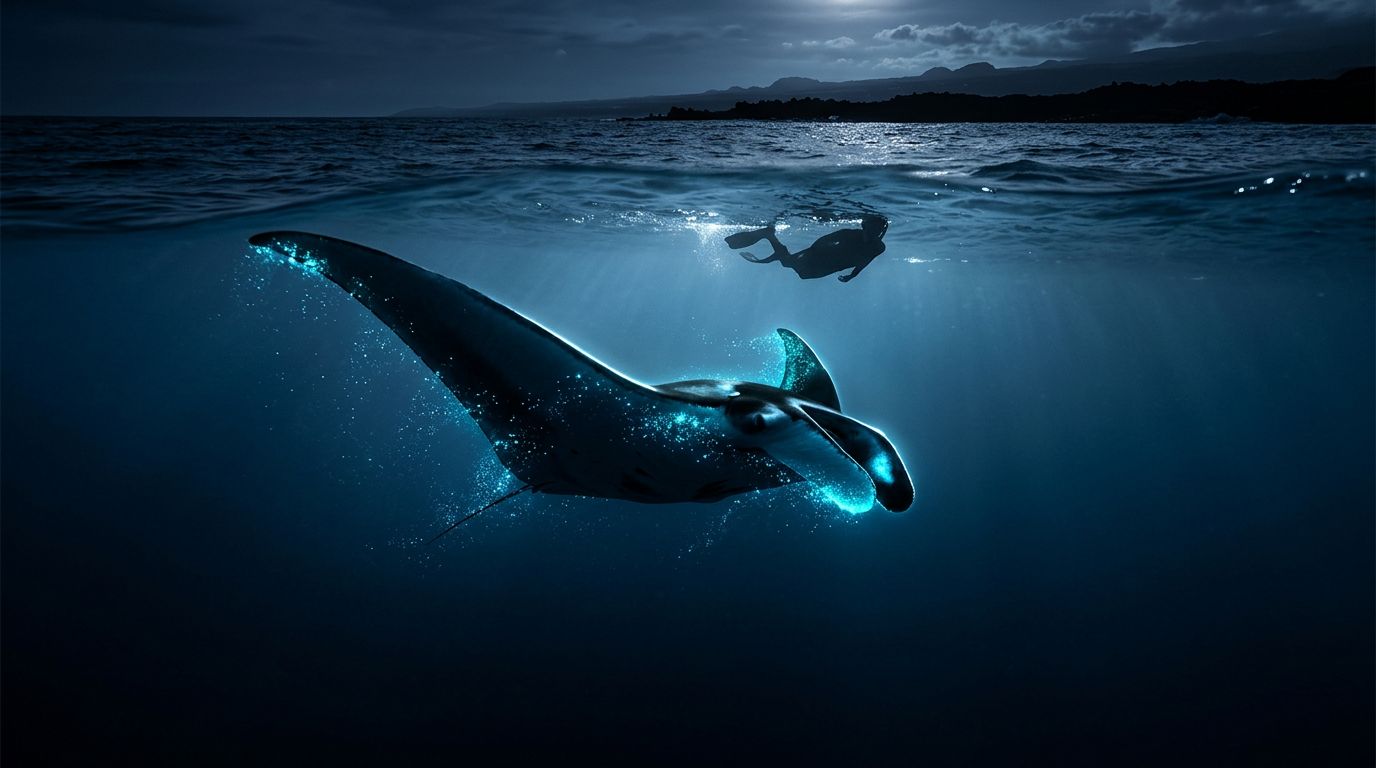
If your search started with snorkeling Big Island Hawaii, the manta ray night snorkel probably landed near the top of your list. It’s one of those experiences that feels simple on the surface, but it sits inside a bigger trip with flights, hotels, and sometimes tight timing.
That’s why travel insurance comes up so often. If you plan to snorkel Big Island on a short vacation, one missed flight or one sick child can change everything fast. The real question is whether you need a policy for the snorkel itself, or for the whole trip wrapped around it.
The short answer is that it depends on what you’ve paid for, how far you’re traveling, and how much risk you want to carry yourself.
Why this question comes up before you book
A Kona manta ray night snorkel feels like a special outing, but for many travelers it’s also one line item inside a much larger Hawaii vacation. You may have non-refundable airfare, a hotel stay, car rental costs, and other tours on the calendar. If one piece falls apart, the whole plan can get expensive fast.
That matters even more if your trip is built around a once-a-year family vacation or a special celebration. A honeymoon, anniversary, or multi-generation getaway can put a lot more money at risk than a last-minute solo visit. In that case, insurance feels less like a luxury and more like a backup plan.
If you’re only comparing Big Island snorkeling tours, you may also notice how different the options are. Some are daytime reef trips. Others are night outings built around manta rays. The more moving parts you have, the more useful trip protection can become.
Still, insurance is not a blanket yes for everyone. The right answer depends on what you want covered.
What travel insurance can actually cover
Travel insurance can help with trip problems, medical issues, and some unexpected costs. It does not mean every problem gets paid back. The details matter, and the fine print matters even more.
Many people assume snorkeling is automatically covered because it’s a common vacation activity. That assumption can be wrong. Some plans treat water sports as excluded activities unless you add a rider or buy a specific adventure policy. A quick read through snorkeling travel insurance exclusions shows why that matters before you buy.
Read the exclusions first. A policy can sound broad and still leave snorkeling out.
Here’s a simple way to think about the most common coverage buckets:
| Coverage type | What it may help with | What you should check |
|---|---|---|
| Trip cancellation | Prepaid flights, hotels, and tour deposits | Covered reasons, timing rules, refund limits |
| Trip interruption | Getting home early after illness, weather, or a family emergency | How much reimbursement you get |
| Emergency medical | Doctor visits, ER care, and related treatment | Deductible, network rules, and limits |
| Medical evacuation | Transport to better medical care if needed | Whether water activities are excluded |
| Baggage coverage | Lost or delayed luggage, sometimes gear | Item caps and proof requirements |
The table is only a starting point. A policy that looks good on a travel site can still leave out snorkeling incidents, so you need to read the activity list. If you want a broader comparison of plan timing and water-sport rules, this snorkeling travel insurance overview is useful for understanding how early purchase can affect coverage.
Insurance also won’t pay you because the mantas didn’t show. That’s not a covered loss. It can protect your money and your health, but it won’t turn a wildlife sighting into a guarantee.
The risks that matter on a Kona manta ray night snorkel
A manta ray night snorkel is guided, organized, and usually low-skill, but it’s still an ocean activity after dark. That means weather can shift, boats can move, and your body can react in ways you didn’t expect. Motion sickness, slips on deck, and minor injuries are all more realistic concerns than people admit before they board.
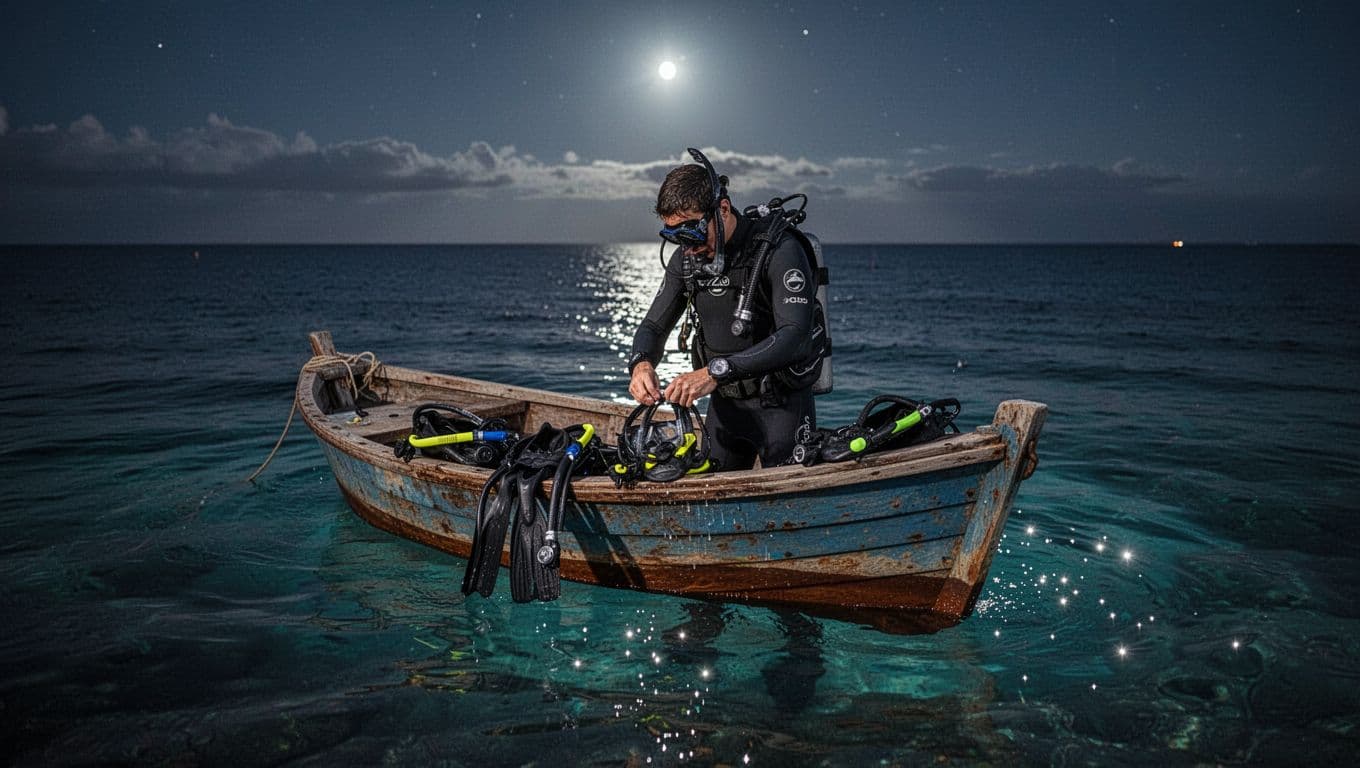
Weather is another factor. Kona often offers calm water, but ocean conditions still change. If your trip is part of a tight schedule, a cancellation can create a chain reaction. You may miss the snorkeling outing, and then you may miss dinner reservations, a second tour, or even a flight the next morning.
Health is just as important. If you’re flying in from the mainland, your regular health plan may not feel as simple to use as it does at home. If you have asthma, heart concerns, a recent surgery, or a history of seasickness, you should think about coverage before you leave. The snorkel itself may be fine, but the trip around it may not be.
Another point gets overlooked. If your tour includes a boat ride, night boarding, or uneven dock space, the setting alone adds a little risk. That doesn’t mean you should avoid the experience. It means you should know what kind of backup you have if something goes wrong.
When travel insurance makes the most sense
Travel insurance usually makes the most sense when your total trip cost is bigger than the snorkel itself. If your airfare and hotel are non-refundable, one policy can protect a lot more than one activity.
It also makes more sense when your schedule is tight. If you only have a few days on the island, there may be no easy way to rebook after a delay. A missed flight or a weather change can wipe out the only night you planned to be on the water.
You should lean toward coverage when any of these apply:
- You booked months in advance and prepaid most of the trip.
- You’re traveling with kids, older parents, or someone with health concerns.
- Your flights have long connections or multiple legs.
- The manta snorkel is the highlight of a larger vacation.
- You would be upset if one illness or delay turned the whole trip into a loss.
If that sounds like your situation, buying coverage can take a lot of pressure off the trip. You still want to read the policy closely, but the odds of needing it are higher when your vacation has more layers.
For some travelers, the timing matters too. If you already know your dates, you can check availability and line up the trip before you compare insurance options. That way you know what you’re protecting.
When you can probably skip a policy
Not every traveler needs a full policy for one snorkel trip. If you live on the island or you’re taking a short local outing with very little prepaid cost, insurance may not give you much value. In that case, you may be better off setting aside a small emergency fund instead.
The same goes for travelers who already have strong coverage through a credit card or an annual travel plan. If your card includes trip protection and emergency support, another policy may be redundant. You still need to confirm that snorkeling is included, but you may already have part of the answer.
You can also skip or downsize coverage if the tour is a small add-on to a flexible trip. If your hotel can be changed, your flights can be moved, and your schedule has room to breathe, the risk may be low enough that self-insuring makes sense. You carry the cost yourself, but you keep the money in your pocket up front.
That said, be honest about how you travel. If you hate surprises, a cheap policy may buy more peace of mind than it costs. If you don’t mind risk and you can absorb a loss, you may decide it’s not needed.
Choosing a tour operator still matters
Insurance is useful, but it doesn’t replace a good tour company. The way your manta ray night snorkel is run affects your safety, your comfort, and how smoothly the night goes. Small groups, clear briefings, and experienced guides make a real difference.
Kona Snorkel Trips follows a Reef to Rays approach, with lifeguard-certified guides, small-group service, and gear designed for night encounters. That mix matters when you’re getting in and out of the water after dark. It also matters when you want a trip that feels personal instead of crowded.
That’s one reason many travelers compare operators before they buy anything else. If you’re still weighing options, start with Big Island snorkeling tours and read the trip details side by side. You’ll get a better sense of how the manta night compares with daytime reef trips and other ocean outings.
If your whole reason for visiting is the manta experience, you may also want to compare it with Manta Ray Night Snorkel. A focused manta trip can be a better fit when you want that one signature evening and nothing extra.
When you choose a reliable operator, you lower the chance of surprise problems. When you add the right insurance, you lower the financial risk if something still goes wrong. Those two choices work well together.
If you want a simple rule, use this one: the more you’ve prepaid, the more insurance starts to make sense. The less you’ve spent, the easier it is to skip.
Conclusion
A Kona manta ray night snorkel is usually safe, memorable, and easy to enjoy when you pick the right operator. The insurance question is less about the mantas and more about the rest of your trip.
If your Hawaii plans are expensive, non-refundable, or packed into a short schedule, travel insurance is worth serious attention. If you’re local or booking a low-cost add-on with flexible plans, you may not need it.
The best move is simple. Check what you’ve already paid for, read the activity exclusions, and decide whether you want the risk on your own shoulders. For a trip like this, clarity before you book is the part that saves you money later.