
Do You Need to Tread Water on a Kona Manta Ray Snorkel?
Kona Snorkel Trips is a smart place to start if you’re wondering how much work a manta night snorkel really takes. The short answer is simple, you usually do not spend the whole trip treading water. If you want a second manta-focused option, Manta Ray Night Snorkel Hawaii is another dedicated choice to compare.
The real issue is comfort, not fitness. If you want to check availability, you can look at dates once you know how the water part works. Here is the part most travelers want cleared up first.
What actually happens in the water during a manta snorkel
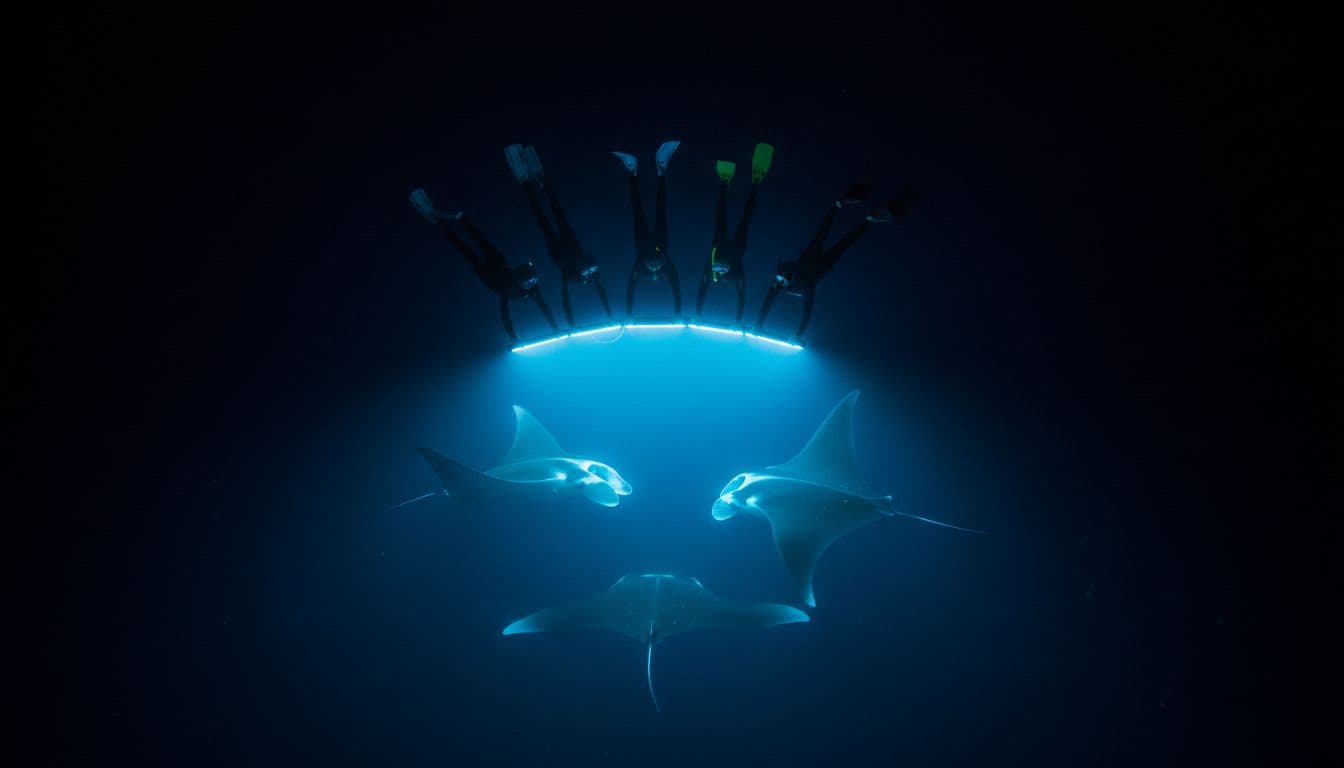
During a Kona manta ray snorkel, you usually float at the surface beside a lighted board. The lights bring plankton close, and the mantas follow the food, not you. That means your job is to stay calm, breathe through your snorkel, and watch the show.
You are not expected to swim around the ocean hunting for rays. In most cases, you keep your place, hold the board, and let the action come to you. Your fins help with balance, but they are not there to turn the night into a workout. If you can relax on the surface, you are already doing the main part right.
You stay on the surface. Your job is to float, not to fight the water.
For a plain-language rundown of swim rules and common questions, the manta ray night snorkel FAQ before you book is helpful.
How much swimming ability you really need
If you can swim a short distance without panic, you are usually in the right range. That is the real bar for most guided trips. For people who already enjoy snorkeling Big Island Hawaii, the night manta trip often feels easier than expected because you are not chasing fish across a reef.
A strong kick is not the goal. Calm breathing is. You should be comfortable floating in dark water, following a guide, and getting back on the boat with no fuss. The night part asks for steadiness, not speed. Many travelers who love to snorkel Big Island reefs in daylight are surprised by how little effort the manta setup takes.
If you want a second read on the same question, whether weak swimmers can enjoy a Kona manta ray snorkel covers it from another angle. It is a good fit if you are nervous but still curious.
Why gear and guides matter more than arm strength
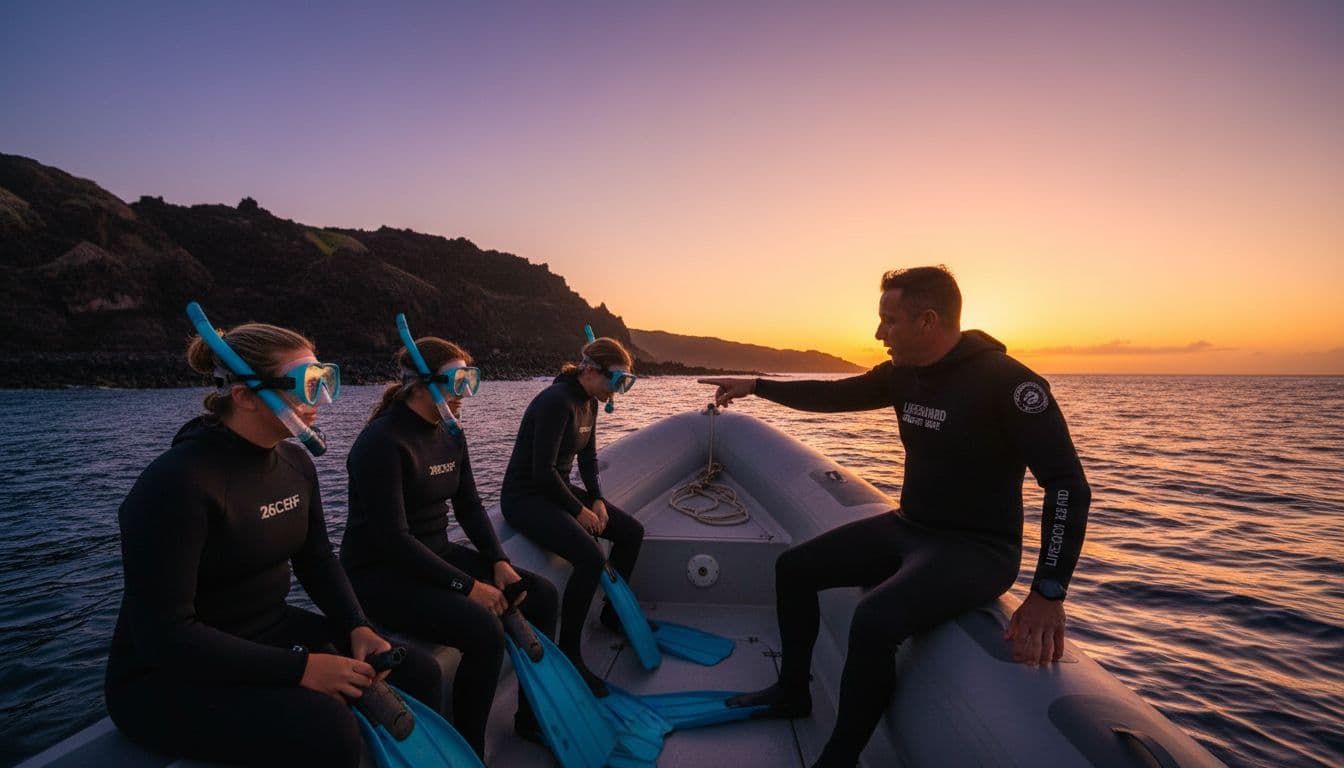
A good setup changes everything. Kona Snorkel Trips keeps the group small, gives you the right gear, and uses lifeguard-certified guides who know how to coach nervous swimmers. The Kona manta ray snorkel tour is built around that idea, so you spend less time worrying about balance and more time watching mantas circle below.
Wetsuits add buoyancy. Fins help you move with less effort. A stable, lighted board gives you a place to rest. Those details matter at night, because darkness makes small problems feel bigger. The right setup lowers the stress before it starts.
If you want the trip details before you decide, Kona Snorkel Trips keeps booking simple. You can check availability once you know your comfort level.
The reviews matter because the water part feels easy when the crew explains it well. A calm briefing, clean gear, and a steady board take a lot of pressure off your first few minutes in the ocean.
When a different tour format makes more sense
If you are nervous about open water, a private Kona boat charter can give you more room and a slower pace. That can help if you are traveling with kids, first-time snorkelers, or anyone who likes fewer moving parts. It also makes sense if you want to snorkel Big Island without feeling rushed.
You can also compare another dedicated manta option, Manta Ray Night Snorkel Hawaii, if you want to weigh a few styles before you book. Different boats handle the night in different ways, so your best match is the one that fits your comfort, not just your photo wish list.
If you are already used to snorkeling Big Island in daylight, this is the same basic skill set with a different mood. You still float, breathe, and follow directions. You just do it under the stars.
If the manta-specific booking page is the one you want, you can check availability there too.
Conclusion
You do not need to tread water the whole time on a Kona manta ray snorkel. You need enough comfort to float, breathe, and follow simple instructions. That is a much lower bar than most people expect.
If you choose a good guide, the water feels less like a test and more like a front-row seat. Once you know that, the real question becomes simple, are you ready to stay calm and let the mantas come to you?