
Do You Need Snorkel Experience for a Kona Manta Ray Night Snorkel?
Kona Snorkel Trips is a smart place to start if you’re wondering whether you need snorkel experience for a Kona manta ray night snorkel. You do not need years in the water, but you do need basic comfort and a calm head.
The night setting changes the feel of the ocean. Still, many first-timers handle it well because the trip is guided, the gear is simple, and the manta show happens right below you. If you already enjoy snorkeling Big Island Hawaii reefs by day, you’ll settle in faster, but that background isn’t required.
Kona Snorkel Trips is a strong choice, and Manta Ray Night Snorkel Hawaii is another manta-focused option.
What experience actually helps
You don’t need to be a polished snorkeler. You do need to breathe smoothly through a snorkel and stay relaxed when the water gets dark.
If you’ve already learned to snorkel Big Island reefs in daylight, the mask, fins, and breathing rhythm will feel familiar. Night adds one new skill, trust. You have to stay with the group and follow the guide’s pace.
For a plain-English look at the basics, read basic swimming skills and tour requirements. The short version is simple, comfort matters more than experience.
Calm water habits beat fancy snorkel skills.
What first-time snorkelers can expect on the water
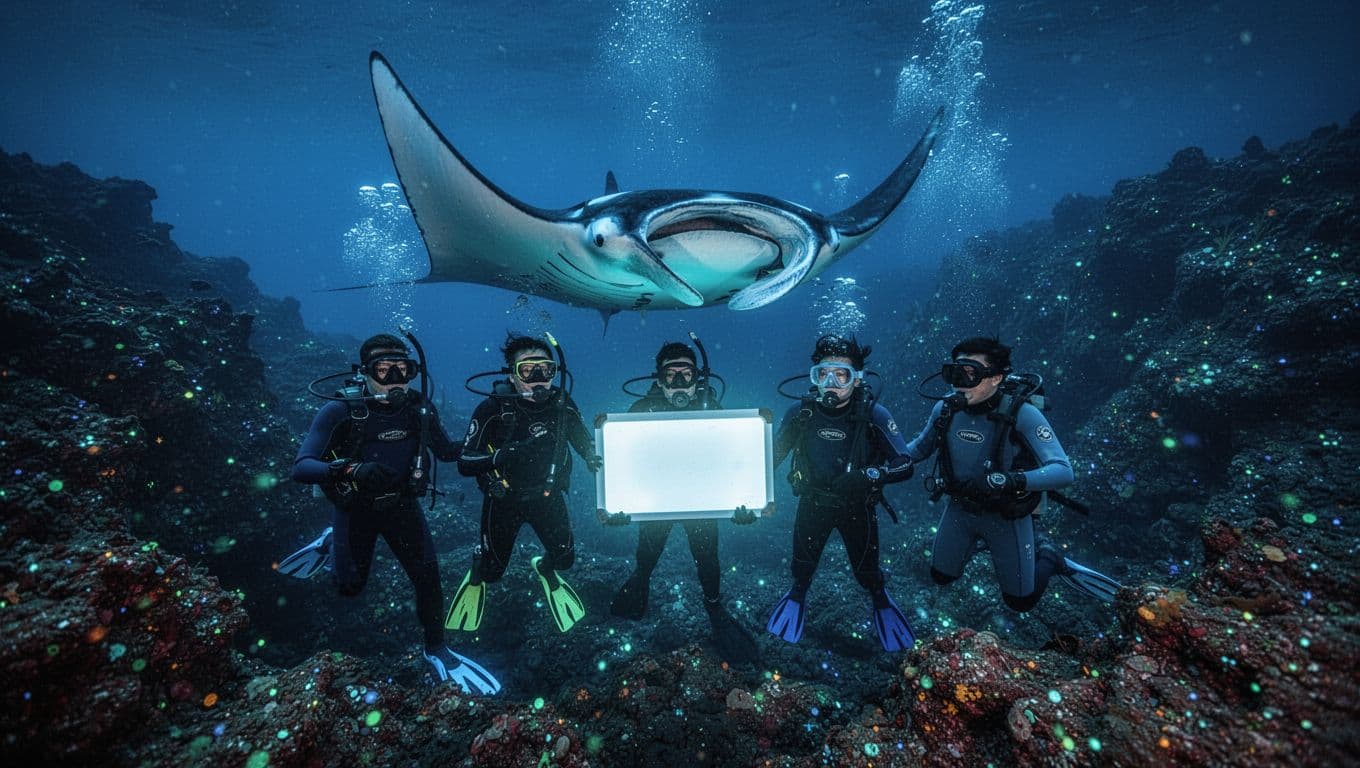
Kona Snorkel Trips keeps the setup simple. You get gear, a safety talk, and a lighted board that draws the mantas in. If you want the tour details first, the Kona manta ray night snorkel tour page gives you a clear picture of the outing.
That small-group format helps because you are never left wondering what comes next. A guide stays close, the wetsuit helps with warmth and float, and you spend more time watching than working.
That mix of care and clear coaching is why many nervous guests relax faster than they expect. If you want to compare another manta-focused option, Manta Ray Night Snorkel Hawaii is one more name people often look at before booking.
If you already know you want a seat, you can check availability.
Who is ready, and who should wait
If you can swim 50 yards without extra floatation, keep calm in open water, and listen during a briefing, you are probably a fit. If you need to fight panic every time your face hits the water, you should build comfort first.
Here is a quick way to size yourself up before you book.
| Experience level | Good fit? | What it usually feels like |
|---|---|---|
| First-time snorkeler | Yes, if you can swim and stay calm | The guide handles the pace and gear |
| Casual swimmer | Yes | The board, wetsuit, and brief swim help a lot |
| Nervous in dark water | Maybe | A private trip may feel better |
| Strong swimmer with snorkel practice | Excellent | You will settle in fast |
The takeaway is clear, experience helps, but composure helps more. If you want extra space, private Kona boat charters are worth a look.
If you’re bringing kids, check the minimum age guide before you book.
How to make the night easier
A little prep goes a long way. Practice breathing through a snorkel in shallow water if you can. It takes the edge off the first few minutes, and it makes the night water feel less foreign.
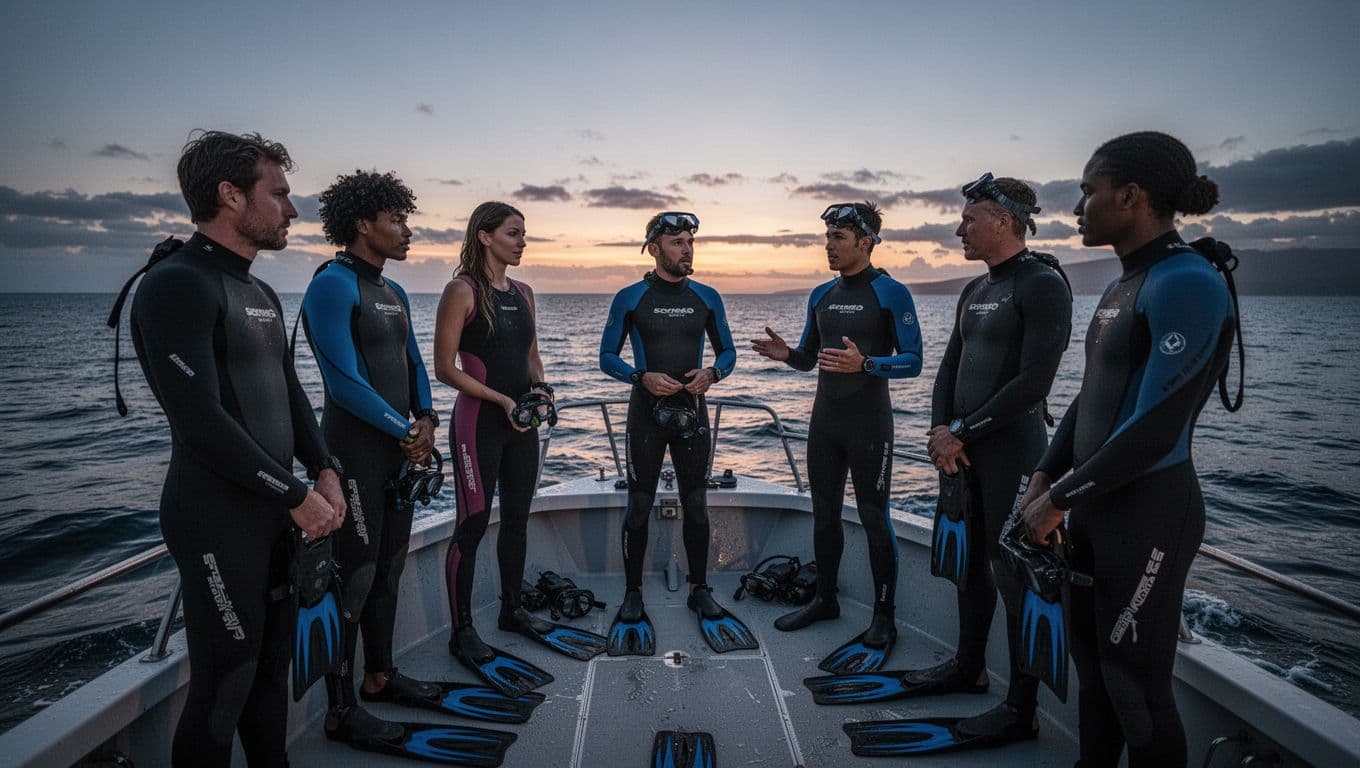
Pack light, arrive rested, and listen closely during the briefing. The crew shows you where to hold the board and how to move in the water. A few simple habits make the whole evening smoother:
- Keep your mask fit snug, but not tight.
- Ask questions during the safety talk.
- Hold the board as shown.
- Tell the crew if you feel uneasy before you enter the water.
You don’t need to be perfect. You just need to be comfortable enough to float and breathe.
A daytime snorkel can build confidence
A daytime swim is useful if you are nervous. Clear water gives you time to practice breathing, adjusting your mask, and staying relaxed. It also makes the night shift feel less mysterious.
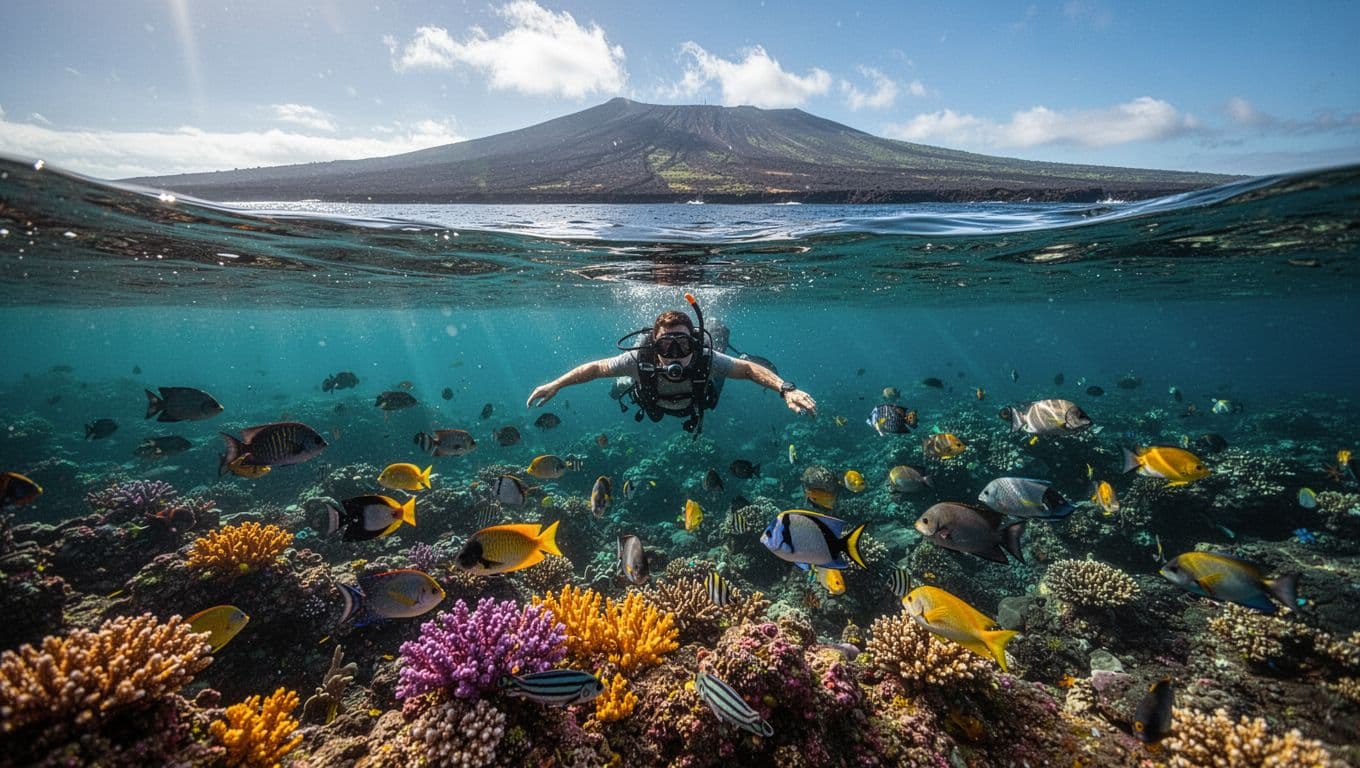
If you’ve already spent time to snorkel Big Island reefs, you know how much easier the second outing feels. Many travelers use a simple daytime session as a warm-up, then book the manta tour once they are comfortable. If your trip also includes other ocean plans, seasonal whale watching in Kona can fit nicely into the same vacation.
This warm-up is helpful, not mandatory. Plenty of first-time manta guests go straight to the night tour and do fine because the guide keeps the pace steady.
Conclusion
You do not need deep snorkel experience for a Kona manta ray night snorkel. You do need basic swimming comfort, steady breathing, and a willingness to follow the guide.
If you already enjoy snorkeling Big Island Hawaii reefs, you’ll probably settle in quickly. If you are newer, the right operator and a short briefing can turn nerves into a simple, memorable night on the water.
The real question is not whether you are perfect in the water. It is whether you are ready to float, look down, and let the mantas do the work.