
Do Manta Rays in Hawaii Have Teeth?
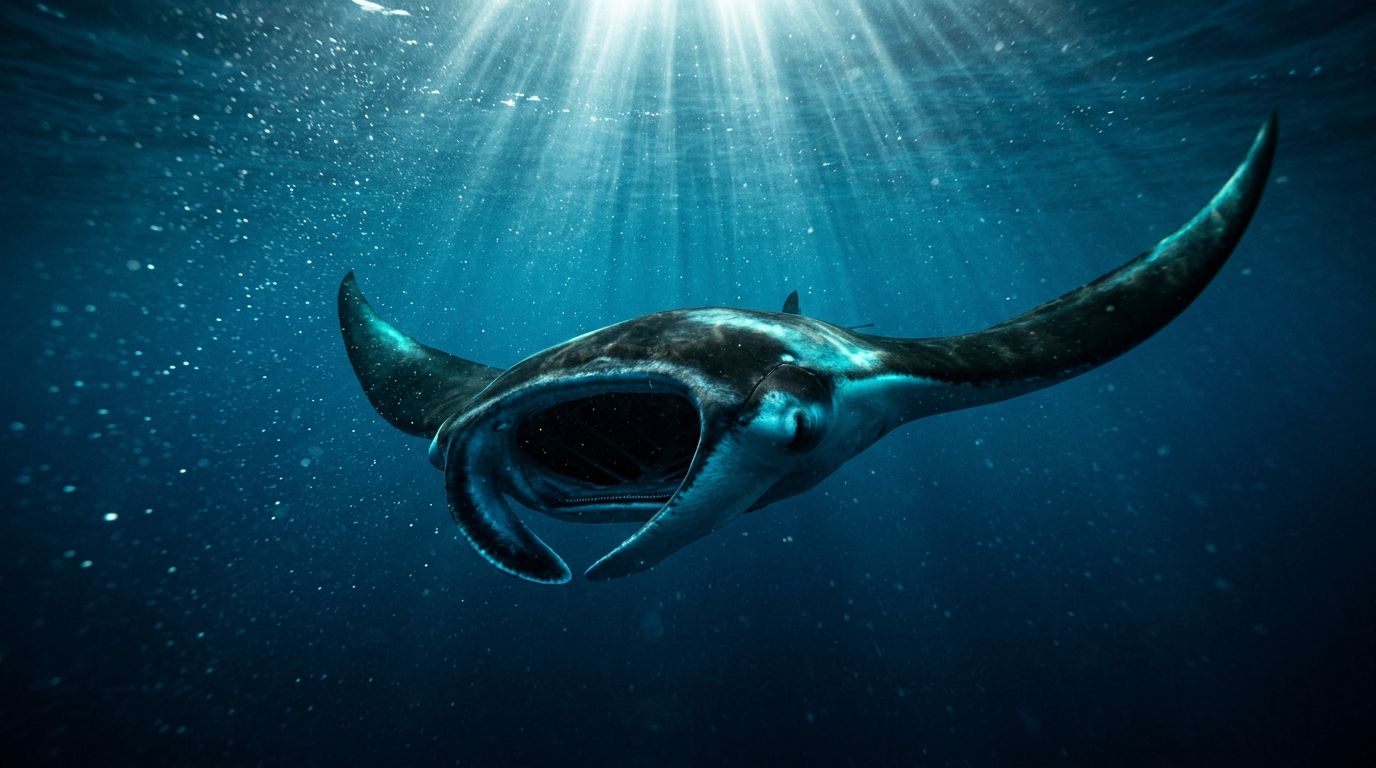
If you see a manta ray in Hawaii, the last thing you may expect is a mouth full of teeth. Still, that is the question many snorkelers ask before they slip into the water.
The short answer is yes, manta rays do have teeth, but they are tiny and easy to miss. They do not chew like sharks, and they do not use those teeth to bite people.
That matters more than you might think, especially if you are planning snorkeling Big Island Hawaii trips. Once you understand how mantas feed, the whole encounter feels calmer and a lot more fascinating.
The short answer about manta ray teeth
Yes, manta rays have teeth, but not the kind you picture when you think of a predator. Their teeth are small, reduced, and not built for tearing flesh.
A broad manta ray overview gives you the basic picture. Mantas are cartilaginous fish, so their body plan is different from yours and mine. Their mouths are huge, but the mouth is there for filtering food, not chewing it.
Manta rays are built to filter plankton, not to bite down on prey.
That is the core idea. If you are wondering whether a manta ray in Hawaii can hurt you with its teeth, the answer is no in any practical sense. The teeth are real, but they are not the tool the animal uses to feed.
In Hawaii, the manta rays you are most likely to meet near Kona are reef manta rays. They glide through the water with a slow, smooth motion that looks almost unreal. Their feeding style is gentle, and that is one reason they are such a favorite for snorkelers.
If you have seen sharks or heard shark stories, it is easy to mix the two up. Manta rays share the same broad fish family, but their mouths work in a very different way. That difference explains nearly everything.
What their mouths are really built for
A manta ray mouth is more like a moving filter than a jaw built for chewing. When the animal feeds, it opens wide and moves through water rich in plankton and tiny particles.
The front fins near the head, called cephalic fins, help guide food toward the mouth. Inside, gill rakers trap the tiny prey. That setup is simple, efficient, and perfectly matched to the food mantas want.
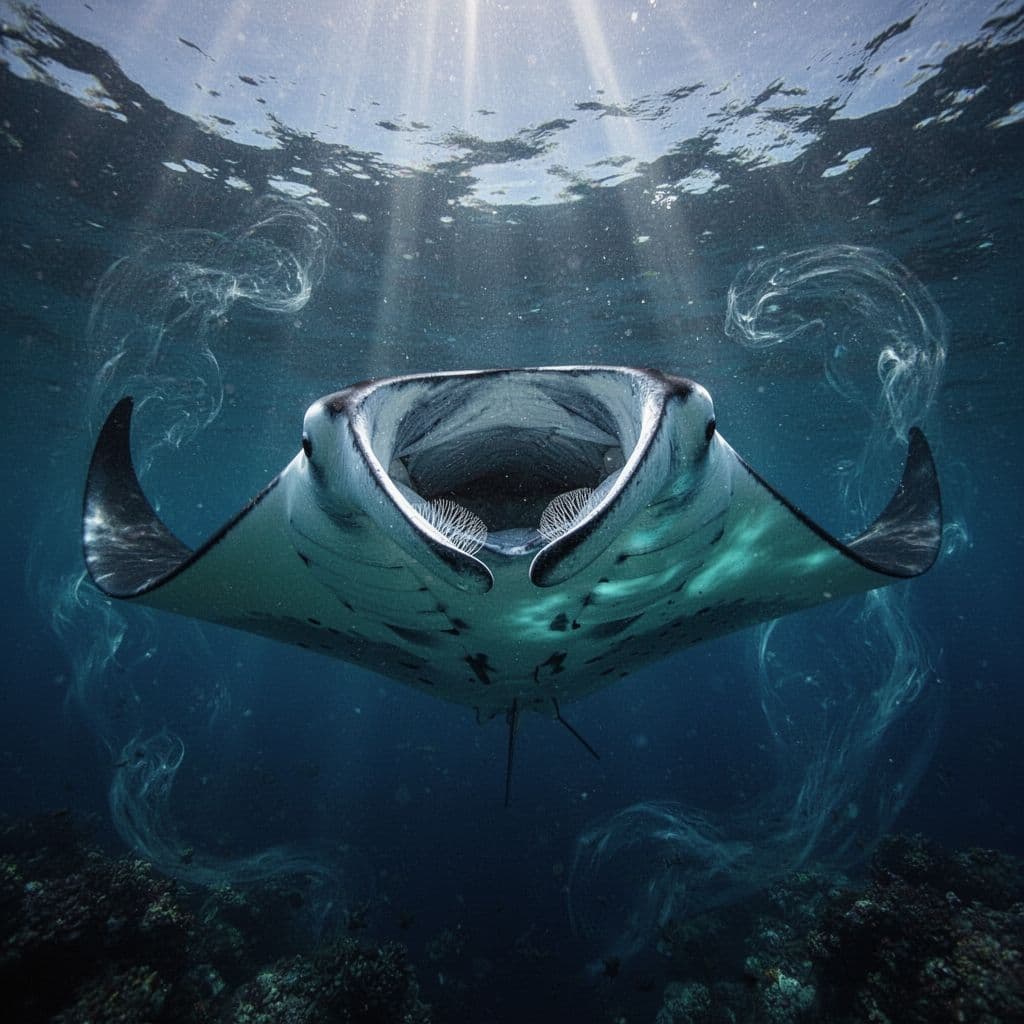
The scene above shows why manta rays can look so dramatic from below. Their mouths are wide, but wide does not mean dangerous. It means they are built for the ocean’s smallest meals.
Here is a quick way to compare what you are seeing:
| Feature | What you notice | What it means |
|---|---|---|
| Wide mouth | A big opening under the head | It pulls in plankton-rich water |
| Cephalic fins | Horn-like shapes near the mouth | They guide food inward |
| Gill rakers | Hidden filtering parts | They trap tiny food |
| Teeth | Small and easy to miss | They are not for chewing |
The simple takeaway is this: manta rays are giant filter feeders. Their teeth are not the star of the show.
A lot of the confusion comes from how the animal looks when it swims toward a light source. Its mouth can appear larger than life, and the shadows make every feature seem sharper. In reality, the mouth is working like a sieve.
If you want a plain-language read on the same topic, the manta ray teeth article from A-Z Animals explains why the structures are tiny and not made for chewing. That is the part most people miss.
Why people think manta rays have big teeth
Part of the myth comes from simple scale. A manta ray is large, so the mouth looks dramatic. When something big opens its mouth, your brain fills in the rest.
Night snorkeling adds to that effect. Underwater lights create strong shadows, and a manta passing over a lit patch of water can look almost otherworldly. You see the huge body, the wing-like fins, and the open mouth, then your brain jumps to “teeth.”
There is also a mix-up with other rays. Some rays have stingers or sharp defensive spines, so people assume all rays are armed in the same way. Manta rays are different. They do not have that kind of defensive sting.
Some of the confusion also comes from the small tooth-like structures found in manta jaws. Those are real, but they are not the same as the sharp teeth you see in a shark. In some ray species, tiny tooth structures can play a role in mating more than feeding.
That is why the question keeps coming up in dock conversations and on boat rides. It sounds like a big mystery, but it turns out to be a case of mistaken identity. A manta ray is not a toothy hunter. It is a graceful filter feeder with an intimidatingly large mouth.
The best mental image is not a biting animal. It is more like a living net, moving through plankton-filled water with perfect control.
Do manta rays bite or sting you?
Manta rays do not bite people in the way most visitors fear. They are not hunting you, and they are not built for that kind of attack.
They also do not have the same kind of dangerous sting you may associate with some other rays. If a manta comes close, it is usually because it is feeding or moving through the area. That is why guides keep the interaction calm and orderly.
When you snorkel Big Island waters at night, the safest approach is simple. Let the manta choose the path. You stay still, watch, and give it room.
A few habits make the experience better for both you and the animal:
- Keep your arms and fins low in the water.
- Do not reach toward the manta, even if it swims close.
- Stay where your guide places you.
- Move slowly and avoid splashing.
- Let the animal circle on its own terms.
That kind of behavior matters. Manta rays are sensitive to pressure and noise. If you stay calm, they keep doing what they came to do, which is feed in the lighted water.
Families often like this encounter because it feels close without being rough. Couples like it because the movement is so peaceful. Solo travelers like it because it is one of those rare ocean moments that feels shared, even when you are floating on your own board.
So if you are asking whether manta ray teeth should worry you, the answer is no. What matters more is your own behavior in the water.
What this means for snorkeling Big Island Hawaii
If snorkeling Big Island Hawaii is on your itinerary, the manta ray night snorkel is one of the most memorable options. You float above a lit patch of water, plankton gather, and the mantas glide in like quiet aircraft.
That is one reason Kona is so well known for this experience. The water, the lighting, and the resident manta population create a setup that people remember for years.
Kona Snorkel Trips is a strong choice if you want a small-group trip with lifeguard-certified guides, quality gear, and reef-safe habits. The company’s reef-to-rays approach fits the kind of experience most travelers want, especially if you care about safety and the ocean.
If you want to compare options before you book, you can start with best Big Island snorkeling tours and see what fits your travel plans. If you already know you want the manta experience, the dedicated guided manta ray night snorkel in Kona page is the better match.
Another local option is Manta Ray Night Snorkel, which focuses on manta-only outings. That can be a good fit if you want a trip built around a single goal.
A few things make the experience work well for first-timers:
- You get a guide who knows the site and the flow of the water.
- You get gear that is meant for the conditions, not just the daytime reef.
- You get a calm structure that helps you relax instead of flail around.
- You get a chance to watch the mantas without crowding them.
For many visitors, that is the real appeal. You are not chasing the animal. You are letting the animal come to you.
If you want to understand what guests think of the experience, the notes below help paint the picture.
If you are planning a day on the water, you can check availability for Kona Snorkel Trips before your dates fill up.
How to choose the right manta trip in Kona
Once you know manta rays have tiny teeth, the next question is which trip actually gives you the best view. That choice matters more than the teeth question.
Start with the kind of trip you want. If you want a classic group outing, a guided manta snorkel works well. If you want more space and a quieter pace, a private charter may be a better fit.
For a custom outing, private Kona boat charters let you shape the schedule around your group. That can be ideal for families, birthdays, or travelers who want a more relaxed pace on the water.
When you compare manta trips, look for a few simple things:
- Small groups instead of packed boats.
- Clear safety instructions before you enter the water.
- Good gear that fits well.
- Guides who know how to keep people calm and in position.
- Respect for the animals and the reef.
Those details shape the whole night. A good trip feels organized, safe, and easy to follow. You should spend your energy watching mantas, not figuring out what to do next.
If you want to book the manta-specific outing, you can check availability for the night snorkel and lock in your spot.
That setup is especially useful if you are traveling with kids, friends, or a partner who wants a memorable ocean night without a lot of hassle. It also helps if you are booking more than one ocean activity during your stay, since snorkeling Big Island trips can fill fast in busy months.
In the end, you want a trip that gives you time, space, and a clear view of the animals. That is what turns a quick swim into a real memory.
Conclusion
Manta rays in Hawaii do have teeth, but the teeth are tiny and not built for chewing or biting people. What matters more is their filter-feeding mouth, which is designed for plankton, not prey.
Once you understand that, the whole night-snorkel experience changes. You stop worrying about the wrong thing and start noticing the calm, smooth way these animals move through the water.
If you are planning to snorkel Big Island waters, a manta ray night swim is one of the clearest ways to see how gentle these animals really are. The teeth are real, but the grace is what you remember.