
Do Water Shoes Help at Captain Cook Snorkeling?
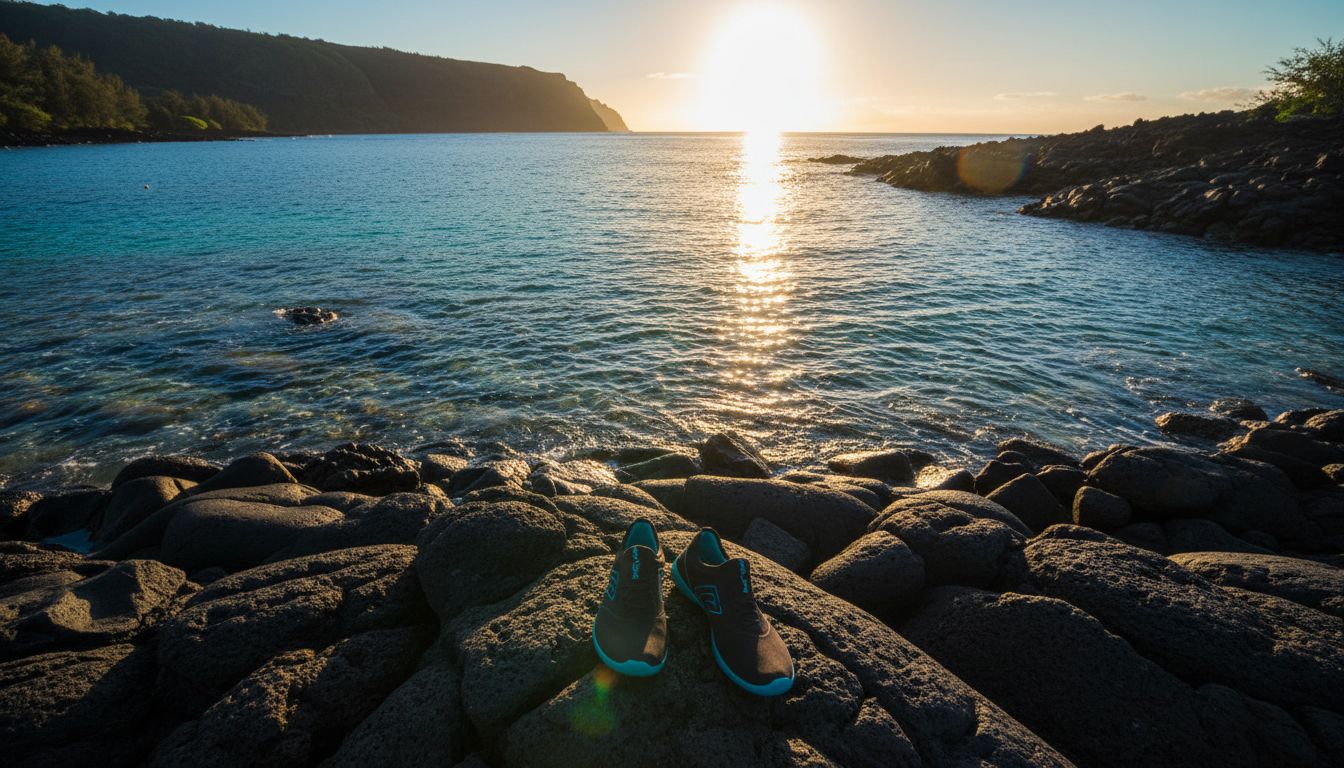
When you book Captain Cook snorkeling with Kona Snorkel Trips, water shoes can help, but mostly before you even get in the water. The bay is one of the prettiest snorkel spots on the Big Island, yet the ground around it can be rough, slick, or hot.
If you’re planning snorkeling Big Island Hawaii and trying to pack light, the answer depends on how you reach the water and how steady you feel on wet rock. In most cases, water shoes are about footing, not swimming.
Why the Kealakekua Bay shoreline matters
Captain Cook snorkeling usually gets talked about like it’s all about the reef, and the reef is excellent. Still, the start and finish of the day matter just as much. Around Kealakekua Bay, you may deal with volcanic rock, damp boat steps, or a short walk on uneven ground.
That’s where water shoes earn their spot. They give you more grip than bare feet, and they add a little protection against sharp edges, hot surfaces, and awkward slips. If you’ve ever stepped on rough lava rock, you already know how quickly a fun day can turn into a careful shuffle.
The bay itself is calm and beautiful once you’re floating. The trouble is usually on the way in and out. That’s true whether you snorkel Big Island bays often or this is your first reef day.
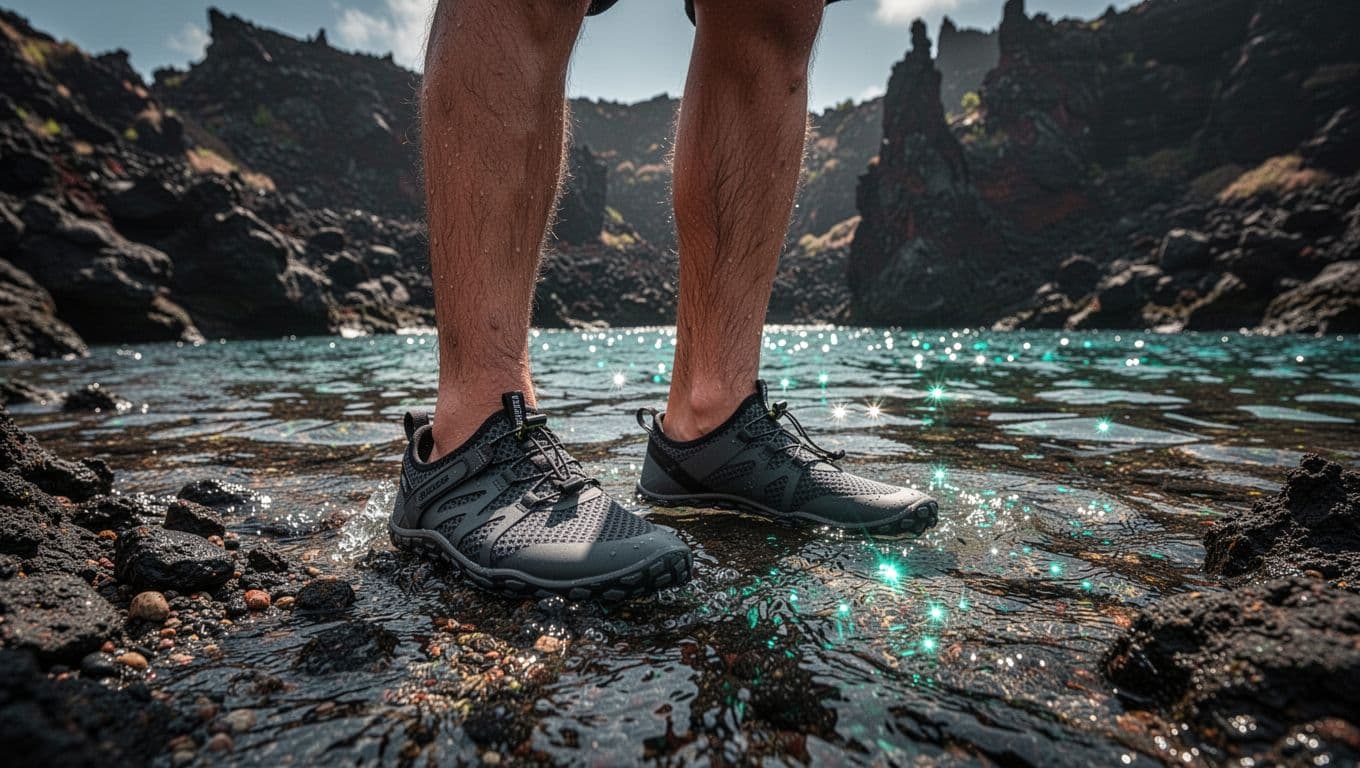
Water shoes help most on the edges of the trip, not in the middle of the snorkel.
If your plan includes walking near the Captain Cook monument area, boat decking, or a rocky pullout, the shoes help. If your entry is smooth and controlled, they matter less.
When water shoes help most
The biggest mistake is treating every snorkel site the same. A sandy beach, a lava shelf, and a boat ladder all ask something different from your feet. That’s why the answer changes with the route, not with the reef.
Here’s a quick way to think about it:
| Situation | Do water shoes help? | Why it matters |
|---|---|---|
| Rocky shoreline or lava rock | Yes | You get better grip and less toe damage |
| Wet boat deck or ladder | Yes | Slipping is less likely on slick surfaces |
| Hot ground near launch points | Yes | Your feet stay better protected |
| Sandy beach entry | Sometimes | You may not need them if the walk is easy |
| Swimming over the reef | Not much | They don’t improve your snorkel once you’re afloat |
The pattern is simple. Water shoes help most where the land meets the water. They are less useful once you’re floating above the coral and watching fish move below you.
That matters for Captain Cook snorkeling because the bay is often reached by boat. If your trip is boat-based, you may spend far more time on the deck than on shore. In that case, traction and comfort are the real benefits, not foot support in the water.
When you can probably leave them behind
You don’t need water shoes for every snorkel in Hawaiʻi. If your tour has an easy boat entry, a stable ladder, and little or no shore walking, bare feet may be enough. Some snorkelers prefer that, because they want one less item to carry and dry.
Water shoes also become a small burden if they’re bulky. Thick soles can feel clumsy on deck, and loose pairs can trap sand. If you already know the boat crew will help with gear and entry, your decision gets simpler.
The question is not whether water shoes are always useful. The question is whether your day has enough rough footing to justify them. For many visitors planning snorkeling Big Island trips, that answer is yes. For others, especially confident swimmers on calm boat tours, it’s a nice extra rather than a must-have.
You can also think about your own feet. If you’re sensitive to hot pavement, sharp shells, or rough rock, water shoes can keep the day easy. If you’re happy going barefoot and your route is gentle, you may not miss them at all.
What to look for in a good pair
Not every water shoe works well for the Captain Cook area. A pair that’s fine for a hotel pool may feel wrong on lava rock or a wet ladder. You want traction, fit, and quick draining, not a heavy shoe that holds water like a sponge.
Look for these features:
- A grippy sole with real tread, not a smooth bottom.
- A snug heel that stays put when wet.
- A low profile that won’t feel bulky on a boat.
- Fast drainage, so the shoe doesn’t stay soggy.
- Enough toe coverage to protect against bumps and scrapes.
A good pair should feel secure without squeezing your foot. If they slide when you walk on a wet patio, they’ll probably slide on a rocky launch. If they take forever to dry, they’ll turn into one more thing to manage after the snorkel.
Fit matters more than style here. You want something that lets you move, step, and climb without thinking about it. The right pair feels almost invisible once you’re wearing it.
Water shoes, fins, and booties serve different jobs
Water shoes don’t replace fins. They don’t replace booties either. Each one solves a different problem, and that’s why the best choice depends on how your Captain Cook snorkeling day is set up.
Fins help you move through the water. Booties protect your feet inside certain fin styles, and they can reduce rubbing if you use open-heel fins. Water shoes help most before you enter the water and after you leave it.
That means water shoes are best for getting to the snorkel spot, stepping onto a boat, or walking over rough ground. Once you’re in the water, they matter far less. The fish don’t care what’s on your feet, but you probably care about not slipping on the way back to the ladder.
If you like to snorkel Big Island reefs often, you already know the gear question changes with the site. Some days call for more foot protection. Other days call for less. The trick is matching your gear to the route, not to a general rule.
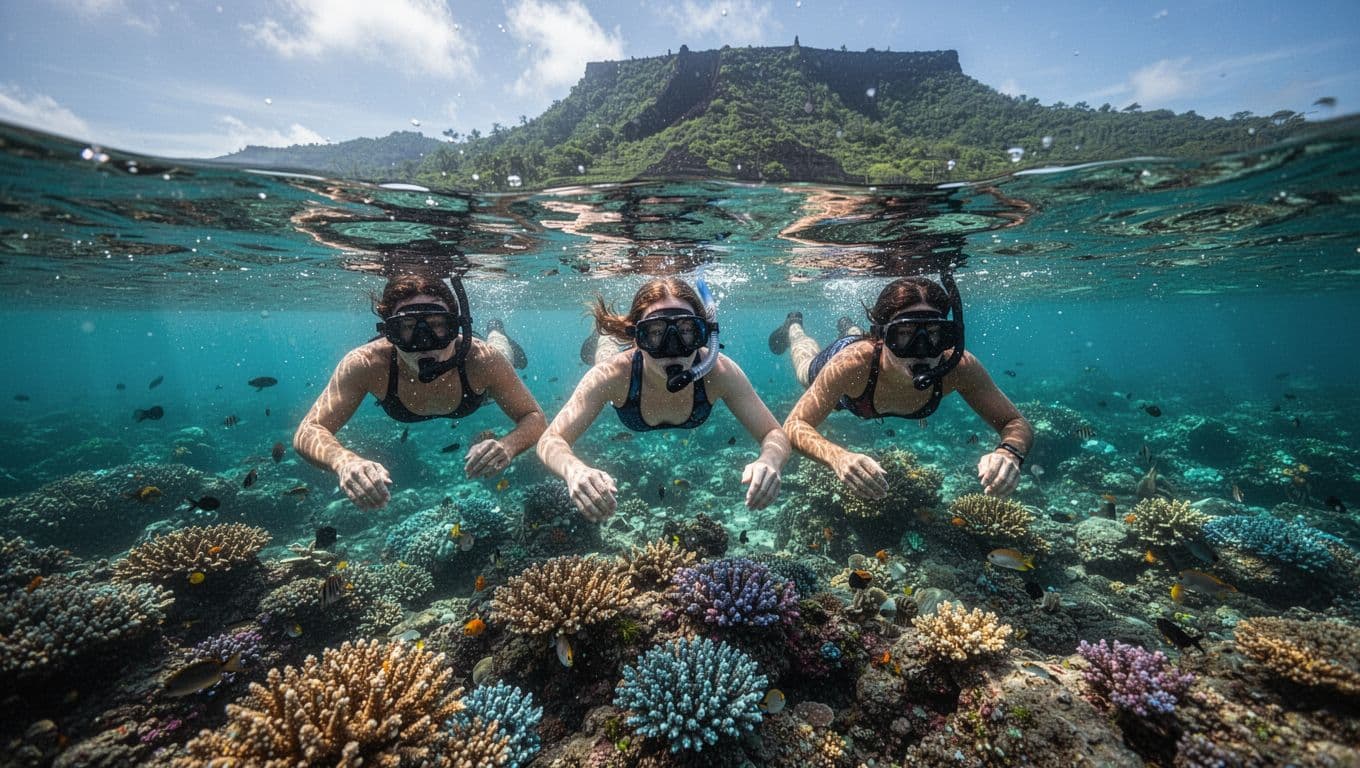
For Captain Cook, that often means a mix of light footwear and solid snorkel gear. It’s a practical setup, not a fancy one.
What to pack for a smoother Captain Cook day
Once you decide on water shoes, the rest of the packing list gets easier. Keep it simple. You want to move from dry land to the boat without digging through a stuffed bag.
A towel, reef-safe sunscreen, a dry shirt, and a refillable water bottle are all smart choices. A small bag for wet gear helps too, especially if your shoes come off after the swim. If you’re planning snorkeling Big Island Hawaii in the sun, a hat and sunglasses are useful before and after the water time.
You can also think ahead about the walk back. Wet shoes collect sand, and sandy shoes are annoying in the car. A second pair of sandals makes the ride home easier.
For a wider look at surf, timing, and safe habits, the Big Island snorkeling guide gives a helpful island-wide overview. That kind of prep matters on the Kona coast, where conditions can shift faster than people expect.
The best packing list is the one that keeps your hands free and your feet comfortable. If your bag is too heavy or your shoes are too bulky, you’ll notice it all day.
Booking the right kind of trip makes the gear question easier
A guided trip changes the equation because you’re not solving every step on your own. With Kona Snorkel Trips, you get a small-group feel, lifeguard-certified guides, and gear support that keeps the day simple. That matters when you want to focus on the reef, not the logistics.
If you want the main details, book a Captain Cook monument snorkel tour is the best place to start. If you’re comparing options, guided snorkeling excursions in Kona show the broader range of trips. Families or groups who want more space can look at private Kona boat charters.
If your schedule is set, you can also check avaialbility before you pack your bag.
Recent guest feedback can help you picture the experience before you go. Comfort, timing, and clear guidance matter as much as the reef itself.
If you’re traveling with a couple, a family, or a small group of adventurous friends, the right tour setup can matter more than the shoes themselves. A steady crew, clear entry points, and quality gear reduce stress before the first fin kick.
The simple answer before you pack
Water shoes do help during Captain Cook snorkeling, especially if your day includes rock, ladders, ramps, or wet boat steps. They are less important once you’re floating over the reef, where fins and comfort in the water matter more.
If you want extra grip and a little foot protection, bring them. If your entry is easy and your balance is solid, you can skip them. The smartest choice is the one that matches your route, not a generic packing list.
For Captain Cook snorkeling, footing matters most before the swim begins. If you get that part right, the rest of the day feels a lot smoother.