
Captain Cook Snorkeling: Equalize Without Diving Deep
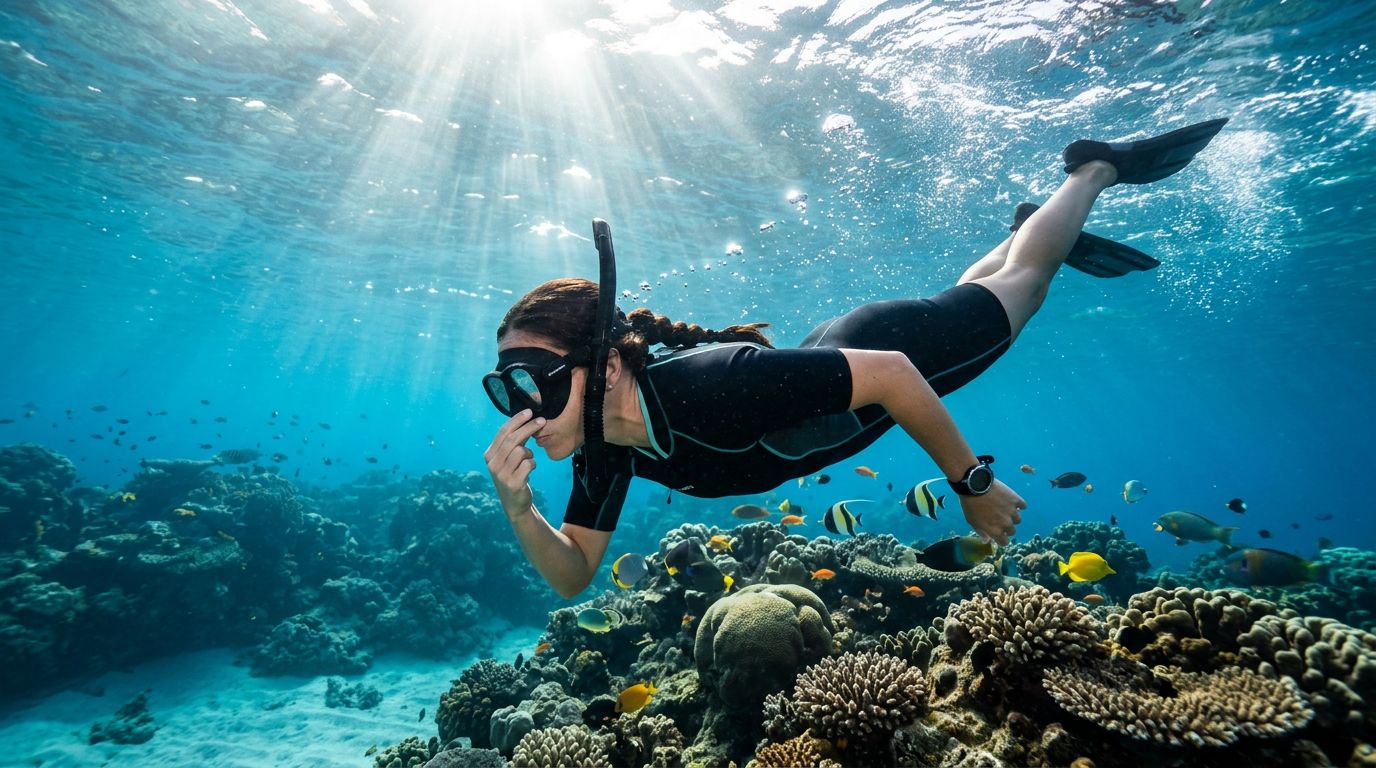
You don’t need to dive deep during Captain Cook snorkeling to feel ear pressure. A short duck dive, a wave lifting you, or repeated trips below the surface can make your ears feel full, blocked, or sore.
If you’re planning a snorkeling Big Island Hawaii vacation, you want your attention on bright reef fish and clear water. Kona Snorkel Trips keeps that experience personal with small-group tours, lifeguard-certified guides, quality equipment, and a “Reef to Rays” approach to ocean care.
A few calm habits make a big difference. Learn when to equalize, which methods are gentle, and when to stop before you enter Kealakekua Bay.
Kona Snorkel Trips offers Big Island snorkeling tours with a strong focus on guest safety, personal service, reef education, and responsible ocean practices.
Why Captain Cook snorkeling can affect your ears in shallow water
Your outer ear meets the water, while your middle ear holds air behind your eardrum. As you descend, water pressure rises around you. Your eustachian tubes must open so air can move into the middle ear and balance that pressure.
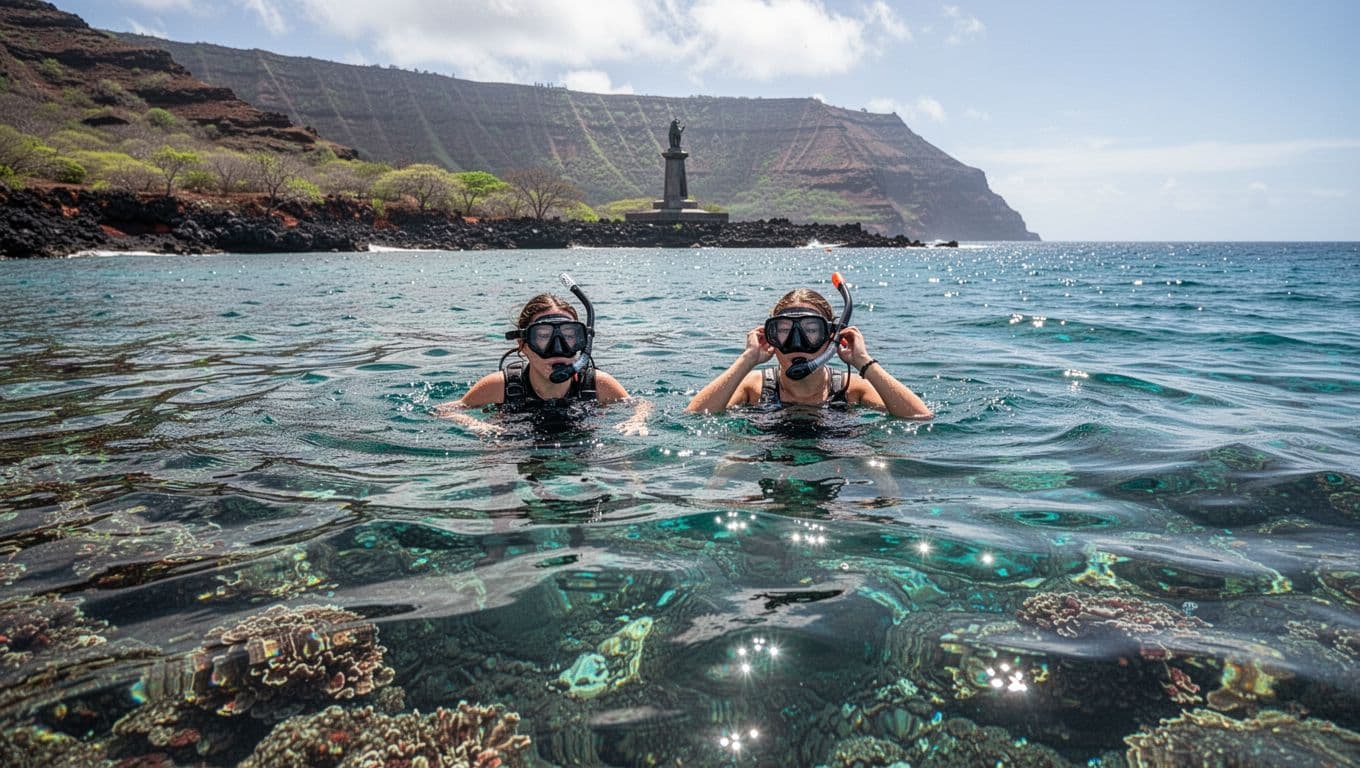
At Kealakekua Bay, you can enjoy the reef while floating at the surface. Still, pressure changes begin close to the surface, especially when you duck dive or bob with the swell.
Surface swimming and duck dives create different pressure
When you swim face-down without descending, your ears usually experience little pressure change. However, duck diving sends your head below the surface, even for a quick look at coral or fish.
Fins, a weight belt, or pulling down on a line can increase your descent speed. Equalize before discomfort begins, and stop your descent if your ears don’t clear.
You can snorkel Big Island waters entirely from the surface and still encounter pressure from choppy conditions. If a wave pushes you down, return to a relaxed float rather than trying to hold yourself beneath it.
Recognize the first warning signs
Fullness, muffled hearing, popping, or a mild twinge are useful warnings. Pause and rise slightly when you notice them.
Pain, dizziness, ringing, or sudden hearing changes require more caution. End the session and tell your guide. You shouldn’t treat pain as proof that your technique is working.
Pressure usually shows up before depth becomes the problem. Pain is your signal to stop, not a challenge to push through.
How to equalize during Captain Cook snorkeling
The safest approach is simple: equalize early, use light pressure, and never force your ears to clear.
Equalize before your ears complain
Begin at the surface before your face goes underwater. Swallow once or twice, relax your jaw, and try a gentle equalization as you start a slow descent.
Repeat the process every few feet if you duck dive. You don’t need to descend far to see Kealakekua Bay’s reef, so stay within the depth where your ears feel comfortable.
If you wait for sharp pressure, the eustachian tubes may become harder to open. A slower descent gives you time to respond before discomfort builds.
Use the gentlest method that works
Start with natural actions:
- Swallow while keeping your jaw relaxed.
- Yawn or make a slow chewing motion.
- Move your lower jaw from side to side.
- Pinch your nose, close your mouth, and exhale very gently for a moment.
The last method is a mild Valsalva maneuver. It should never feel forceful. Don’t blow hard, strain your neck, or keep trying if your ear won’t clear.
Divers Alert Network describes several options in its guide to six ear-equalization methods. For a snorkeler, swallowing, yawning, and jaw movement are often enough because you can remain near the surface.
Remember that clearing your mask and equalizing your ears are separate actions. Blowing water from your mask doesn’t balance pressure behind your eardrum.
If pressure remains, go up
Stop descending as soon as one ear feels blocked. Rise slightly, return to the surface, breathe normally, and try swallowing again.
If the pressure doesn’t clear, skip that duck dive. You can continue surface swimming if your ears feel normal, but persistent pain means you should end the water activity.
DAN’s ear equalization guidelines warn that forcing equalization increases the risk of injury. The same principle applies during shallow snorkeling.
A calm surface routine for Kealakekua Bay
A short routine can help you settle in before you focus on the reef. You don’t need advanced freediving skills to enjoy the Captain Cook Monument area.
Prepare before entering the water
Congestion from a cold, allergies, or sinus irritation can make equalization difficult. If your nose or ears feel blocked on land, tell your guide before entering the water. Don’t rely on a medication you haven’t discussed with a healthcare professional.
You can practice the safe parts on shore by swallowing, yawning, and relaxing your jaw. Avoid repeated forceful blowing. Also, tell the crew about previous ear surgery, ear tubes, recent injury, or any condition that affects your hearing.
When you’re snorkeling Big Island waters with a family member, agree on a simple signal for “I need to stop” or “I need help.” That makes communication easier when your face is in the water.
A properly fitted mask also helps. Adjust the strap before you enter, and keep the seal comfortable so you don’t spend the trip pressing the mask against your face.
Follow the same pattern in the bay
Float for a minute after entering. Let your breathing settle, check that your mask and snorkel feel comfortable, then put your face in the water.
Equalize before each duck dive, not after pressure starts. Descend slowly, look around, and return to the surface before your ears become uncomfortable. You can see plenty of marine life without chasing fish or dropping toward the bottom.
If the water becomes rough, stay on the surface and use your fins to maintain position. Follow your guide’s hand signals and keep enough space around other swimmers. Calm movement also protects coral and gives you a better view of fish behavior.
For children and first-time snorkelers, surface-only swimming may be the best choice. A guide can help you decide whether a short descent is appropriate, but nobody needs to duck dive to have a memorable Kealakekua Bay experience.
Choosing a tour that supports easy equalization
The right tour setup can make ear care much easier. Look for a crew that explains the entry, checks your equipment, and gives you time to adjust before swimming away from the boat.
Look for patient guides and small groups
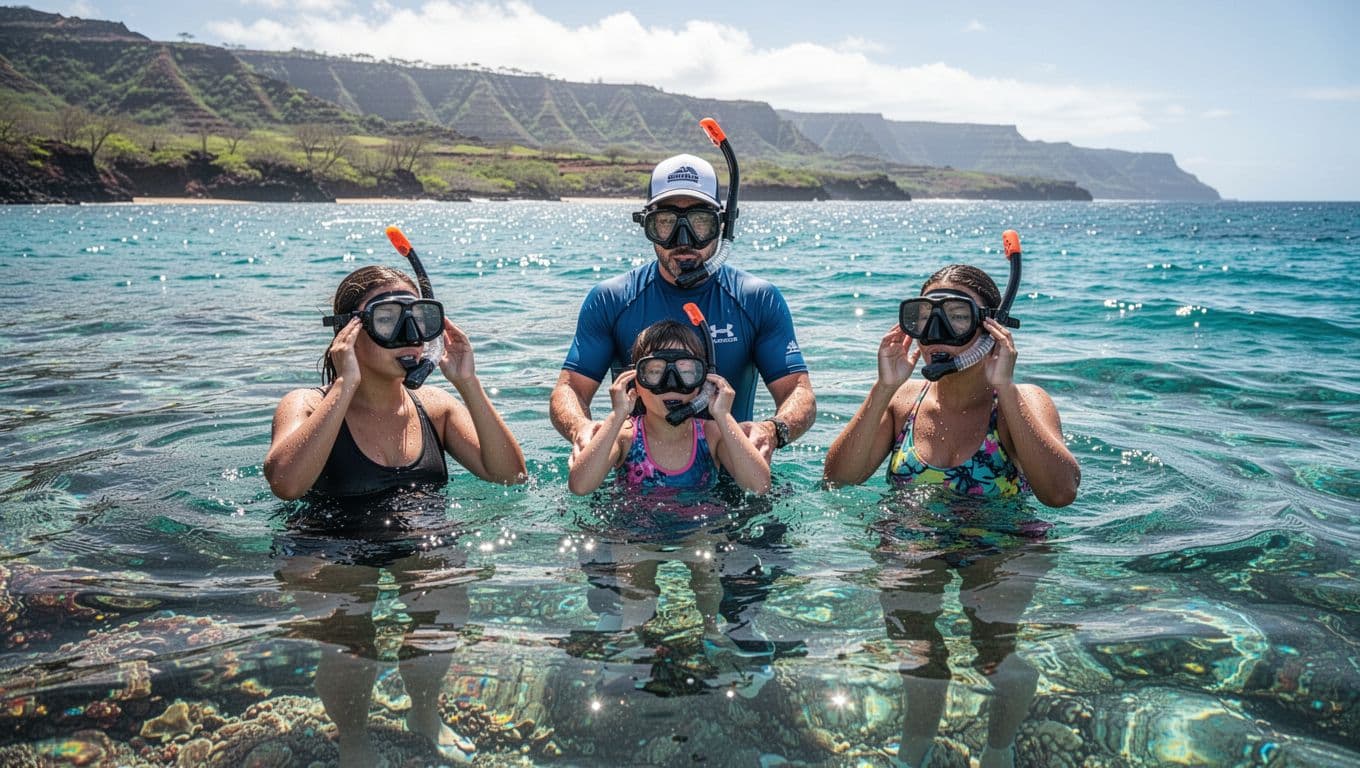
Kona Snorkel Trips follows a “Reef to Rays” philosophy. Its small-group trips focus on personal attention, high-quality snorkeling gear, lifeguard-certified guides, marine education, and reef-safe practices.
A guide who knows your comfort level can remind you to equalize early and help you stay near the surface. The company also emphasizes guest safety and respectful interactions with Hawaii’s marine environment.
Its Captain Cook snorkeling tour in Kealakekua Bay is designed for different experience levels. The trip page lists included gear, snacks, and drinks, while the crew provides guidance around the historic Captain Cook Monument.
You can also review a second Captain Cook-focused company at Captain Cook Snorkeling Tours when comparing Kealakekua Bay options.
Consider a private outing for extra flexibility
A private trip may suit you if someone in your group needs more time, prefers surface swimming, or wants a slower pace. You can discuss comfort levels with the crew before entering the water and avoid pressure to keep up with a larger group.
Kona Snorkel Trips offers a private Kona snorkeling charter for families, couples, and friend groups that want a more tailored outing. Ask about a surface-focused plan if equalization is a concern.
When you’re ready to choose a Captain Cook trip, you can check avaialbility before your preferred date fills.
When to stop and get medical advice
Ear pressure should improve when you stop descending. If it doesn’t, continuing to swim down can turn a small problem into an injury.
End the session for serious symptoms
Leave the water if you experience strong pain, vertigo, nausea, bleeding, fluid from the ear, sudden hearing loss, or a persistent blocked feeling. Tell your guide what happened and avoid further underwater activity that day.
Don’t put cotton swabs or other objects into the ear. A healthcare professional can assess symptoms and recommend the right care.
Don’t snorkel through congestion
A stuffy nose can prevent air from reaching the middle ear. If you feel ill before your tour, rescheduling is safer than trying to push through with forceful equalization.
DAN’s middle-ear equalization guidance explains why descending without equalizing can cause injury. Use it as general safety information, and seek medical advice for personal concerns.
Conclusion
You can enjoy Captain Cook snorkeling without diving deep or forcing your ears to clear. Start equalizing at the surface, descend slowly when you choose to duck dive, and return upward when pressure doesn’t release easily.
A patient guide, comfortable equipment, and a surface-focused plan make the reef more enjoyable for families, couples, and solo travelers. When your ears feel good, you can spend your time watching the bay instead of fighting the water.