
Captain Cook Snorkeling: A Pool Plan for Beginners
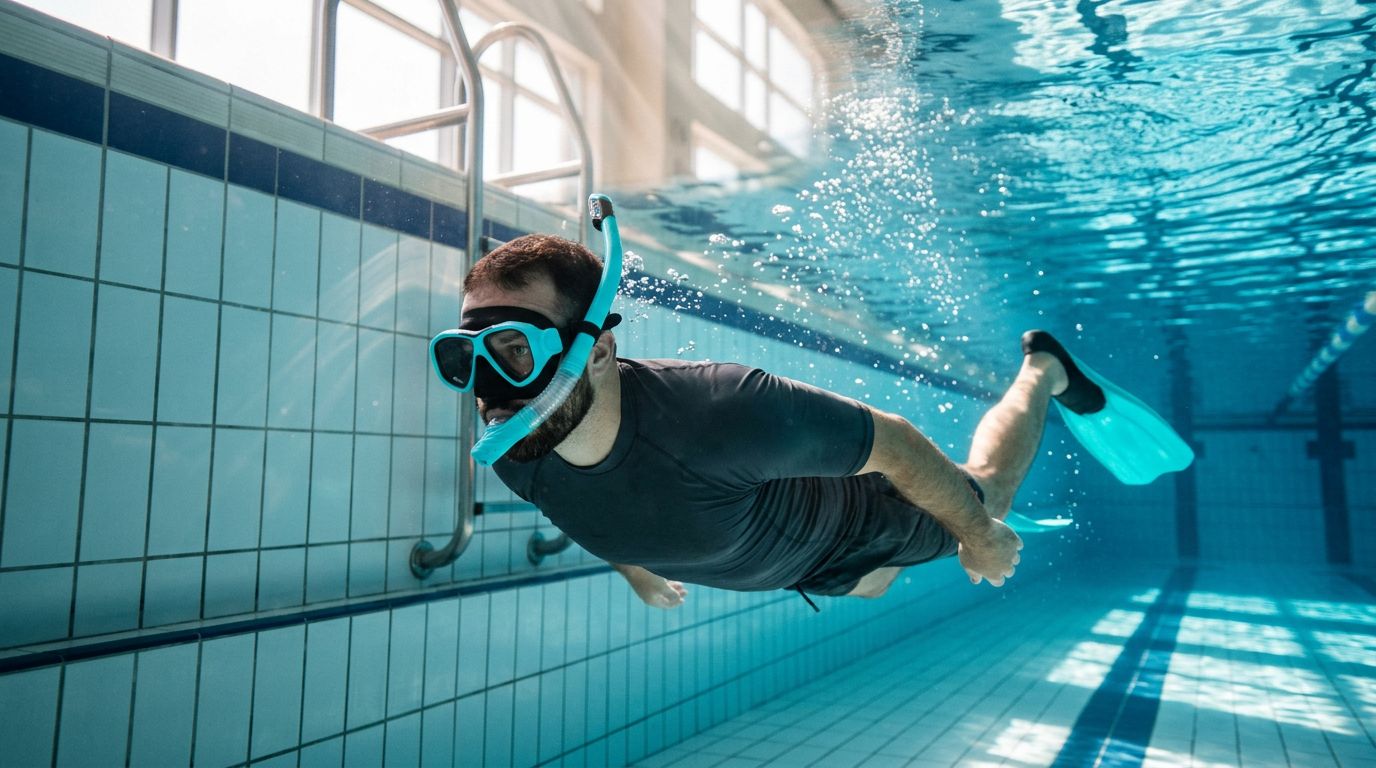
Captain Cook snorkeling can feel intimidating when you’re still learning to breathe through a snorkel. A little pool practice helps you arrive at Kealakekua Bay calmer, safer, and ready to enjoy the reef instead of fighting your equipment.
If you’re planning snorkeling Big Island Hawaii adventures, Kona Snorkel Trips offers small-group ocean trips led by lifeguard-certified guides. Captain Cook Snorkeling Tours is another dedicated option to review for a Kealakekua Bay outing. Before you choose a departure, build comfort in the water with this simple practice plan.
Why Pool Practice Matters Before Captain Cook Snorkeling
Open-water snorkeling adds several challenges that you won’t find in a swimming pool. You may encounter gentle swell, changing visibility, boat noise, current, and other swimmers. Those conditions can make a beginner breathe faster or lift their head repeatedly.
Pool practice gives you time to solve small problems before they matter. You can adjust your mask, test your snorkel, practice floating, and learn how much effort you need to move forward. Once those actions become familiar, you’ll have more attention for coral, tropical fish, and the coastline.
Kealakekua Bay is a 315-acre Marine Life Conservation District, and its protected waters support abundant marine life. The Kealakekua Bay guide from Love Big Island describes the area’s protected reef habitat and the close fish encounters visitors may experience. You’ll enjoy the setting more when you aren’t spending every few seconds clearing water from your mask.
Start practicing at least two or three days before your tour. Even a 20-minute session can improve your comfort. If you’re not a confident swimmer, practice with a qualified instructor or stay in water where you can stand easily.
Your first goal is calm breathing, not distance. If you can float comfortably and breathe slowly, you’ve already solved the hardest beginner problem.
Kona Snorkel Trips focuses on a personalized, small-group experience with quality gear, safety-minded guides, and reef-safe practices. You can compare available Big Island snorkeling tours before selecting the trip that fits your group.
Your Captain Cook Snorkeling Pool Practice Plan
Set aside three short sessions instead of trying to master everything in one day. Use a properly fitted mask, snorkel, and fins if you plan to wear fins during your tour. Never practice alone.
Session one: Get comfortable with your face in the water
Begin in shallow water. Hold the pool wall or stand with both feet on the floor while you place the mask over your eyes and nose. The seal should sit flat against your face without requiring a tight strap.
Breathe through your mouth with the snorkel in place. Take slow breaths and keep your jaw relaxed. New snorkelers often bite the mouthpiece too hard, which can make their jaw ache and their breathing feel restricted.
Next, lower your face into the water for 10 to 15 seconds. Lift your head, rest, and repeat several times. Focus on a steady breathing rhythm rather than holding your breath.
When water enters the snorkel, raise your head and remove the mouthpiece. Later, you can practice a firm exhale to clear the tube, but don’t rush this step. Comfort comes first.
Session two: Practice floating and turning
Once breathing feels natural, practice a relaxed horizontal position. Extend your arms, keep your legs loose, and let your hips rise toward the surface. You don’t need to kick constantly to stay afloat.
Add gentle fin movements if you’re wearing fins. Use small kicks that begin at your hips, not large bicycle motions from your knees. Big kicks waste energy and can stir up sand near the reef.
Move five to ten feet, then stop. Turn slowly to the left and right while keeping your face in the water. This teaches you to look around without lifting your head after every change in direction.
Practice rolling onto your back as well. If you feel anxious in the ocean, a back float gives you a quick way to pause, breathe, and regain control.
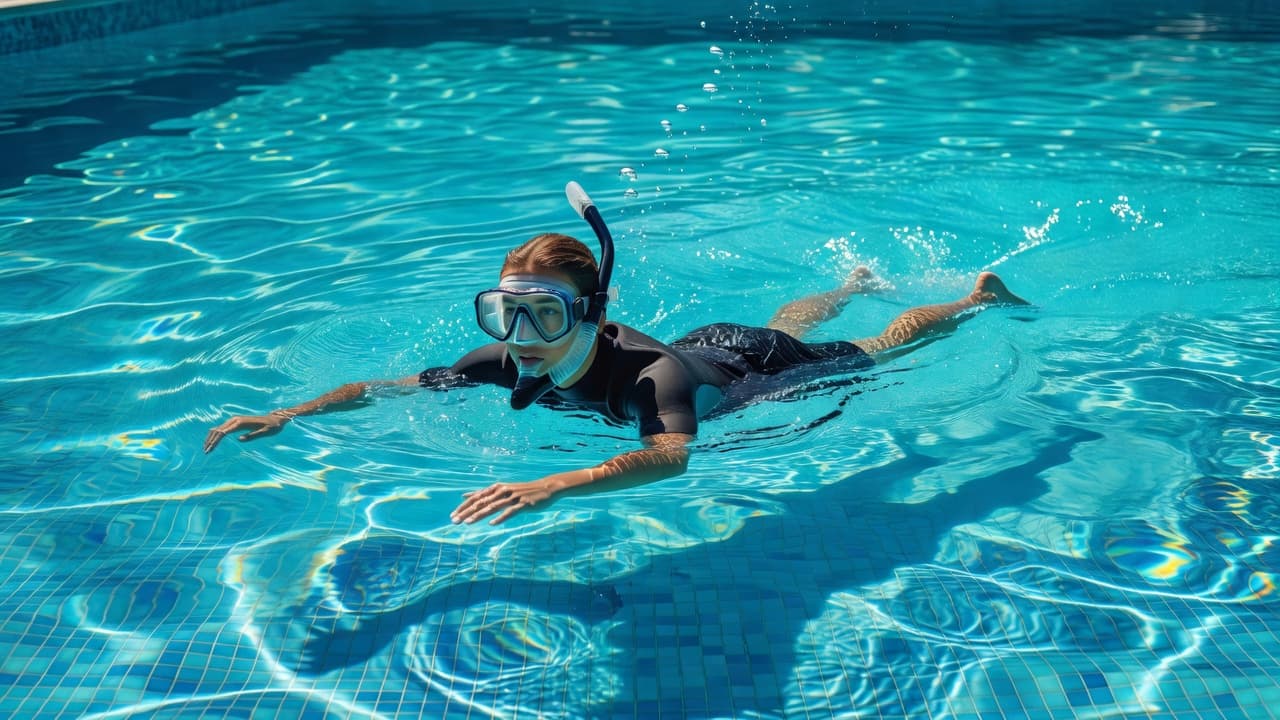
Session three: Rehearse common problems
Your final session should copy the small problems that happen during a real snorkel. Flood your mask slightly by lifting the lower edge away from your cheek, then return it to place. Press the top of the mask and exhale gently through your nose to push water out.
You can also practice removing and replacing the snorkel while holding the pool wall. Keep your face above water, take a breath, and reset the mouthpiece without rushing.
If your mask fogs, exit the water and clean it properly. Spitting into a mask is a common field trick, but a commercial anti-fog solution can work better. Follow the product instructions and rinse the mask with fresh water before use.
Finish by swimming continuously for five to ten minutes at an easy pace. Stop if you feel dizzy, short of breath, or uncomfortable. Pool practice should build confidence, not leave you exhausted before your tour.
Skills to Carry Into Kealakekua Bay
A pool cannot reproduce every ocean condition, but it can teach the habits that matter most. At Captain Cook Monument, stay close to your guide and listen to the briefing before entering the water. Guides can explain entry procedures, boundaries, boat traffic, and the best way to move through the area.
Keep your body horizontal and use slow fin strokes. Reef areas are living habitats, so avoid standing on coral or touching marine life. Your fins can damage coral even when you barely notice contact.
Ocean visibility can tempt you to swim farther than planned. Set a comfortable distance from your guide and return when instructed. If you’re traveling with children, keep them within easy reach rather than relying on occasional glances.
Your mask may leak because a hair crosses the seal, the strap shifts, or the mask doesn’t match your face. Stop, signal for help, and fix the problem at the surface. A guide can often make a quick adjustment or offer another mask.
The Big Island Guide overview of Kealakekua Bay notes that visitors may see schools of tropical fish, green sea turtles, and healthy coral along the reefs. Those sights reward a slow pace. If you kick hard and rush from one spot to another, you’ll miss the smaller fish and reef details close to the rocks.
Practice hand signals before you leave the beach or boat. A thumbs-up commonly means you’re okay, while a thumbs-down can indicate a problem or a need to return. Your guide will explain the signals used on your specific trip.
What to Pack for a Beginner Snorkel Trip
Your tour operator typically provides the main snorkeling equipment, but you still need a few personal items. Pack reef-safe sunscreen, a swimsuit that stays secure, a towel, drinking water, and a light cover-up for the ride home.
Avoid applying sunscreen after entering the water. Use it well before departure so it has time to absorb, and follow your operator’s instructions about reef-safe products. Don’t bring loose jewelry, large bags, or anything you’d worry about dropping in the ocean.
If you wear glasses, ask about prescription mask options when you book. Contact lenses can work for some swimmers, but salt water may irritate your eyes. Never wear regular glasses under a snorkeling mask because the frames prevent a proper seal.
Families should tell the crew about each swimmer’s experience level. A child who can swim in a pool may still need close adult supervision in open water. Couples and solo travelers should also share concerns before departure, especially if they feel uneasy putting their face underwater.
For a Captain Cook snorkeling trip, check the meeting location, departure time, age requirements, and cancellation policy before you pay. Weather and ocean conditions can affect the schedule, so keep some flexibility in your itinerary. You can check avaialbility for a Kealakekua Bay trip with Kona Snorkel Trips.
How to Know You’re Ready to Snorkel
You don’t need perfect technique before your trip. You’re ready when you can breathe through the snorkel without panic, float for several minutes, clear a small amount of water from your mask, and stop calmly when you need a break.
If you still feel tense, continue practicing in shallow water. You can also ask your guide for help before entering. A good crew would rather adjust your equipment and answer questions early than watch you struggle offshore.
For new swimmers, a guided trip is often a better choice than trying to reach Kealakekua Bay independently. The crew handles navigation and provides local instructions while you focus on the water around you. You also have someone nearby if your mask leaks or your breathing changes.
When you snorkel Big Island waters, respect the limits of your training. Stay with your group, conserve energy, and leave wildlife enough space to move naturally. Those habits protect you and the reef at the same time.
Conclusion
Captain Cook snorkeling becomes easier when you practice the basics before reaching Kealakekua Bay. Spend three short sessions working on mouth breathing, floating, gentle fin kicks, mask clearing, and calm recovery.
You don’t need to swim fast or stay underwater for long. You need steady breathing, reliable equipment, and the confidence to pause when conditions feel unfamiliar. With those skills in place, your snorkeling Big Island plans can begin with curiosity instead of nerves.