
Captain Cook Snorkeling With a Beard: Stop Mask Leaks
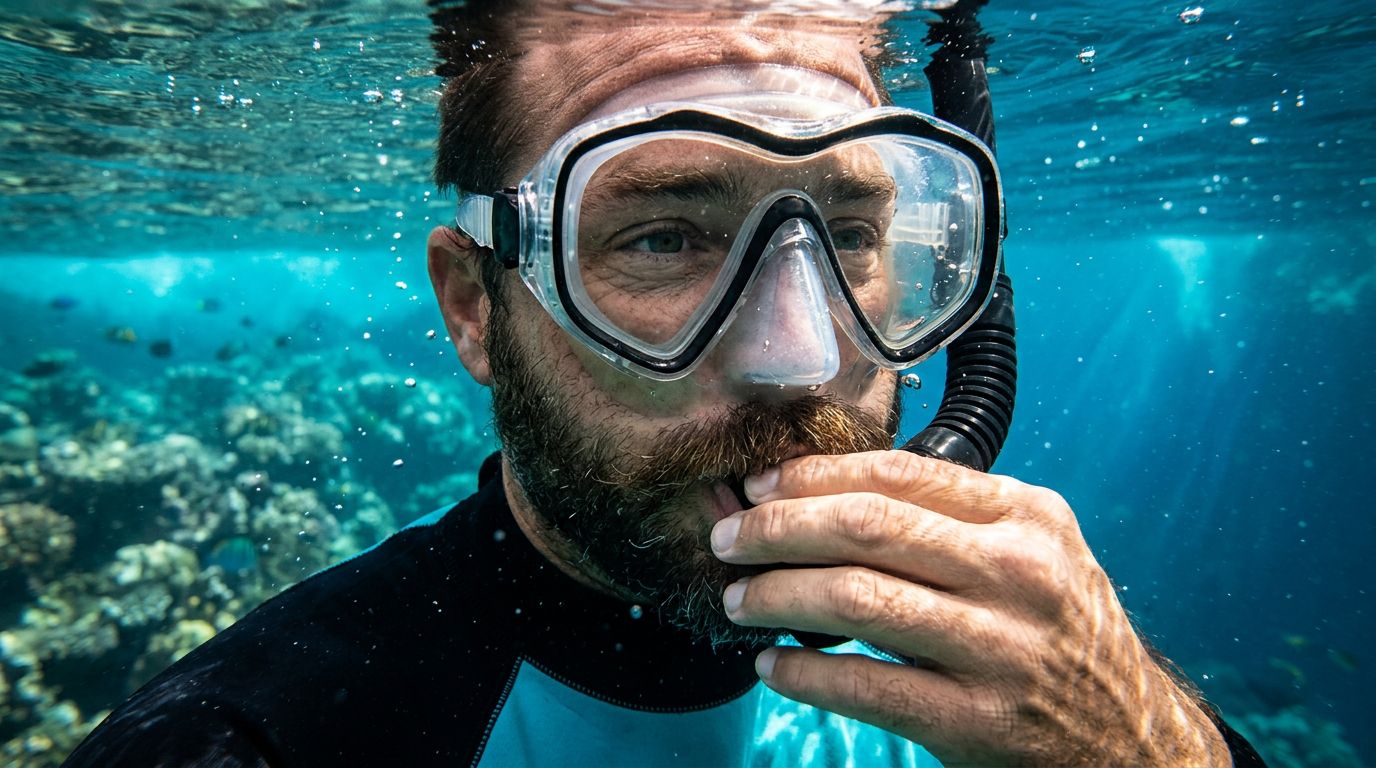
A leaking mask can turn a clear-water adventure into a constant battle with saltwater. If you’re planning Captain Cook snorkeling with a beard or mustache, the hair beneath your nose is often the main reason your mask won’t seal.
Kona Snorkel Trips takes a careful approach to gear fitting on guided Kealakekua Bay trips, so you can focus on the reef instead of draining your mask every few minutes. Captain Cook Snorkeling Tours is another useful local planning resource for this area, especially if you’re comparing options for a trip to the historic bay.
The right mask, a clean seal, and a few minutes of testing before you enter the water can make a major difference.
Key Takeaways
- Beard and mustache hair can create tiny channels beneath a silicone mask skirt.
- A soft silicone skirt and the right facial fit matter more than simply tightening the strap.
- Clean, dry skin improves the seal, while sunscreen, facial oils, and petroleum products can cause problems.
- You should test your mask on land, then learn how to clear small leaks calmly in the water.
- A guided Captain Cook snorkeling tour can help you select and adjust equipment before you swim.
Why a Beard Causes Snorkel Mask Leaks
A snorkel mask seals against your skin, not against the frame. The silicone skirt needs steady contact around your forehead, cheeks, and the area below your nose. Even short facial hair can interrupt that contact.
Your mustache is usually the biggest issue. Hair under the nose creates small air channels between your skin and the skirt. Water follows those channels as soon as you put your face underwater. A full beard can also interfere if the mask skirt rests on the upper beard line or if loose hairs sit beneath the lower edge.
Movement makes the problem worse. Looking down, turning your head, smiling, or biting the snorkel can shift the skin around your mouth. Waves and boat wake add more pressure. A mask that seems fine in a calm swimming pool may leak when you snorkel along the exposed coastline of the Big Island.
Facial hair isn’t the only possible cause. A mask can leak because:
- The skirt is folded under your nose or cheek.
- The strap sits too high or too low.
- The mask is too narrow for your face.
- Sunscreen or facial oil sits beneath the silicone.
- Hair is caught under the skirt near the temples.
- You tightened the strap so much that the skirt buckled.
Overtightening often creates a second problem. Excess pressure can fold the silicone inward, producing gaps instead of removing them. The goal is even contact, not maximum tension.
A comfortable mask that seals with light strap tension is usually a better fit than a tight mask that leaves pressure marks.
Pick a Mask That Gives Your Beard a Fair Chance
You can’t force every mask to work with every face. The shape of the skirt matters, so take time to test several models when possible.
Look for a mask with a soft silicone skirt. Softer silicone can conform around facial contours more easily than a stiff skirt. A broad sealing surface may also help because it gives the silicone more room to contact clean skin around the hairline.
A low-volume mask can work well, but volume alone doesn’t determine the fit. The nose pocket should sit comfortably without pressing hard into your nostrils. The lower skirt needs to rest below the mustache, not directly across a thick patch of hair.
When you test a mask, keep your face relaxed. Place the mask against your face without using the strap. Inhale gently through your nose. If the mask stays in place for several seconds, it has a reasonable starting fit. Don’t inhale so forcefully that you create an artificial vacuum.
Next, check the seal while looking in different directions. Turn your head left and right. Open your mouth slightly, as if you were preparing to bite the snorkel. If the mask immediately falls away, the shape may not suit your face.
A beard-friendly mask often has:
- A flexible skirt with rounded edges.
- A nose pocket that doesn’t force your mustache upward.
- A strap that adjusts smoothly on both sides.
- A skirt wide enough to sit on clean skin beside the beard.
- A comfortable fit without hard pressure around the eyes.
Full-face snorkel masks are a separate choice. They cover your entire face and can avoid the mustache-to-skirt problem, but they aren’t ideal for every swimmer or every ocean condition. They can make communication, mask removal, and traditional skill practice more difficult. For a boat trip, ask your guide whether a particular full-face design is allowed and appropriate.
The safest choice is the mask that fits your face, allows you to breathe normally, and stays sealed while you move. Brand names matter less than the contact between the skirt and your skin.
Prepare Your Beard, Skin, and Mask Before Swimming
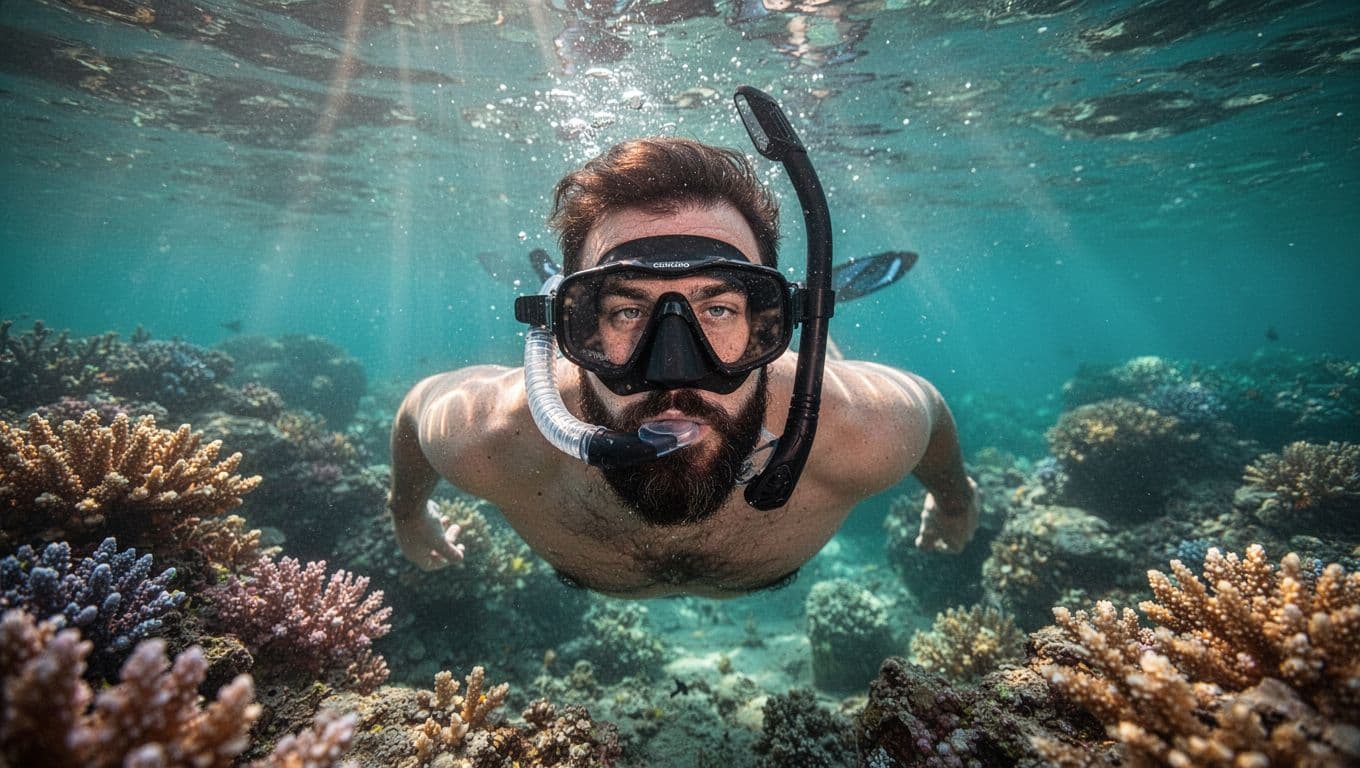
Small preparation steps can help the silicone sit more evenly. Start with clean skin. Sunscreen, moisturizer, beard oil, and natural facial oil can make the skirt slide. Apply sunscreen around the mask area, then wipe away any excess where the silicone will rest.
A clean beard also helps. Rinse away salt, sweat, and loose hairs before you put the mask on. If your mustache extends beneath your nose, comb it downward or trim the hairs that cross the sealing line. You don’t need to shave your entire beard. Some snorkelers choose to shave a narrow strip directly under the nose, but that decision is personal.
The mask itself needs care. New silicone masks can carry a thin manufacturing residue that causes fogging. Follow the manufacturer’s cleaning instructions before your trip. Rental gear is usually cleaned by the operator, but you should still ask for a fresh rinse and check that the skirt is free of sand or grit.
Never use petroleum jelly, sunscreen, or beard balm as a mask sealant. Petroleum-based products can damage silicone over time. PADI’s mustache-diver guidance also warns against petroleum products because they can shorten the life of the mask skirt.
Some divers use a very small amount of silicone grease on the part of the skirt that crosses facial hair. Fourth Element’s beard and scuba mask advice discusses this option for filling tiny gaps. Use only a product made for dive equipment, and check the mask manufacturer’s instructions first.
Don’t put grease on the lens. Keep it away from the inside of the mask and the snorkel mouthpiece. If you’re using rental equipment, ask your guide before applying anything. A tour operator may have specific cleaning and care rules for shared gear.
For anti-fog treatment, use a product intended for dive masks. Apply it to the inside lens, rinse as directed, and avoid touching the lens afterward. Spit is common among divers, but commercial mask-safe defogger gives you more consistent results and is easier to control.
Fit the Mask Correctly Before You Enter the Water
The best time to discover a leak is on the boat, not halfway to the Captain Cook Monument. Ask for help before entering Kealakekua Bay. A guide can often spot a folded skirt or misplaced strap in seconds.
First, move your hair away from the mask edges. If you have longer hair on your head, secure it behind the strap. Facial hair should sit naturally rather than being pushed upward beneath the silicone.
Place the mask on your face with the skirt flat. Press lightly around the frame, especially under the nose. Then position the strap across the back of your head. It should sit around the widest comfortable part of your skull, not on your neck.
Adjust both sides evenly. Tighten the strap one small step at a time. If the skirt wrinkles, loosen it and refit the mask. A straight skirt edge usually seals better than a compressed, folded edge.
Test the seal again without the snorkel. Inhale lightly through your nose, hold for a moment, and release. Then test it while opening your mouth. This movement matters because biting the snorkel changes the position of your jaw and upper lip.
Your guide may ask you to enter the water and test the mask near the boat. Keep your face still for a few seconds, then look down and to both sides. If water enters, return to the surface and adjust the fit before swimming away.
A good land and water test includes:
- Check that the skirt rests on clean skin.
- Confirm that no hair crosses the sealing edge.
- Inhale gently without using the strap.
- Move your head in several directions.
- Open your mouth around the snorkel.
- Ask for a refit if water enters immediately.
The fit should feel secure without causing pain around your eyes or nose. Pressure marks after a short test usually mean the strap is too tight or the mask shape is wrong.
How to Stop a Leak While Snorkeling
Even a good mask can collect a small amount of water. Stay calm and keep your breathing steady through the snorkel. Most leaks are easier to correct when you stop swimming for a moment.
For a small amount of water, press the top of the mask gently against your forehead. Tilt the lower edge away from your face. Exhale through your nose while looking slightly downward. Air pressure pushes the water out through the opening.
If the leak comes from under your nose, don’t keep tightening the strap. Press the mask lightly into place, then adjust the lower edge with one hand. Check whether your mustache has moved beneath the skirt.
A mask that fills quickly may need a complete refit. Surface, remove the mask, rinse away any sand, and start again. Sand can create a persistent gap and scratch the sealing surface if you rub it aggressively.
You can also identify the leak by noticing where the first bubbles appear. Water entering at the temples points to hair or a folded skirt. Water entering beneath the nose suggests facial hair, jaw movement, or an incorrect nose-pocket fit. Water appearing from the top may indicate a strap position problem.
Use the same clearing technique until it feels automatic. You don’t need to rush. On a guided tour, tell your lifeguard-certified guide that the mask is leaking. The crew can help you switch sizes or adjust the equipment before the issue affects the rest of your swim.
The PADI discussion about improving a mask seal with facial hair is useful before your trip, but in-water practice remains important. A technique that works in a bathroom mirror still needs to feel comfortable while you float and breathe.
What to Expect on a Captain Cook Snorkeling Trip
Kealakekua Bay is a popular destination for snorkeling Big Island Hawaii travelers because the protected bay offers clear water, reef habitat, and access to the Captain Cook Monument. Conditions still change with wind, swell, visibility, and boat traffic, so your equipment needs to work before you begin exploring.
Kona Snorkel Trips follows a “Reef to Rays” philosophy, with a focus on small-group service, safety, and responsible ocean practices. The crew provides quality snorkeling equipment and helps guests prepare before entering the water. Lifeguard-certified guides can also help you solve a mask problem without turning it into a stressful event.
That personal fitting matters when you have facial hair. You can explain where your mask leaks, try another size, and test the seal near the boat. A crowded commercial setting may give you less time for those adjustments.
The company also emphasizes reef-safe behavior. Keep your fins away from coral, avoid standing on the reef, and don’t touch marine life. Good visibility is only part of a memorable snorkel. Your actions help protect the places you came to see.
For an overview of available Big Island snorkeling tours, you can compare experiences before choosing a departure. If Kealakekua Bay is your priority, the dedicated Kealakekua Bay snorkel trip provides details about the Captain Cook outing.
When you book, mention your beard or mustache if you have had mask-seal problems before. That gives the crew useful information before the gear fitting starts. You can also bring your own well-fitting mask if the operator permits personal equipment.
A Captain Cook snorkel trip is a better experience when you can watch the reef instead of fighting your mask. Take the extra few minutes to test the seal, even if the mask feels comfortable on deck.
“`
A Simple Packing and Booking Plan
You don’t need a large gear bag to prepare for snorkeling with a beard. Bring a clean towel, reef-safe sunscreen, a small comb, and any personal mask you already know fits. A spare defogger can also help if you’re snorkeling on more than one day.
Avoid applying beard oil before your tour. Use it after your swim instead, once you’ve rinsed the saltwater from your face and hair. Salt crystals can irritate the skin and make the skirt less comfortable during a second outing.
If you plan to snorkel Big Island locations more than once, test your mask during the first trip and record what worked. Note the strap position, the amount of defogger, and whether the seal held when you opened your mouth. That information makes the next fitting faster.
Families should give children the same attention. A child may keep swimming with a leaking mask because they don’t want to miss anything. Check the fit before they enter the water, and teach them to surface and tell a guide if the mask fills.
Your itinerary may include several ocean activities. Keep your mask out of direct heat, rinse it with fresh water after use, and store it where the skirt won’t bend. A distorted skirt can develop a leak even when the mask originally fit well.
When researching snorkeling Big Island trips, look for operators that explain equipment, safety, and marine-life rules clearly. Ask whether the crew provides multiple mask sizes and whether you can get help fitting personal gear. Those details matter more than a glossy tour description when facial hair has caused problems before.
For a Captain Cook trip with Kona Snorkel Trips, you can check avaialbility before your preferred date fills. Mention any equipment concerns when you reserve, then repeat them during the pre-swim fitting.
Conclusion
A beard doesn’t have to keep you from enjoying Captain Cook snorkeling. The most reliable results come from choosing a soft, well-fitting mask, keeping the sealing area clean, avoiding petroleum products, and testing the fit before you leave the boat.
If water enters, stay calm and refit the mask instead of tightening it repeatedly. With the right preparation and help from a knowledgeable crew, you can spend more time watching Kealakekua Bay’s reef and less time clearing saltwater from your mask.