
Captain Cook Snorkeling Tips for Pool Swimmers New to Saltwater
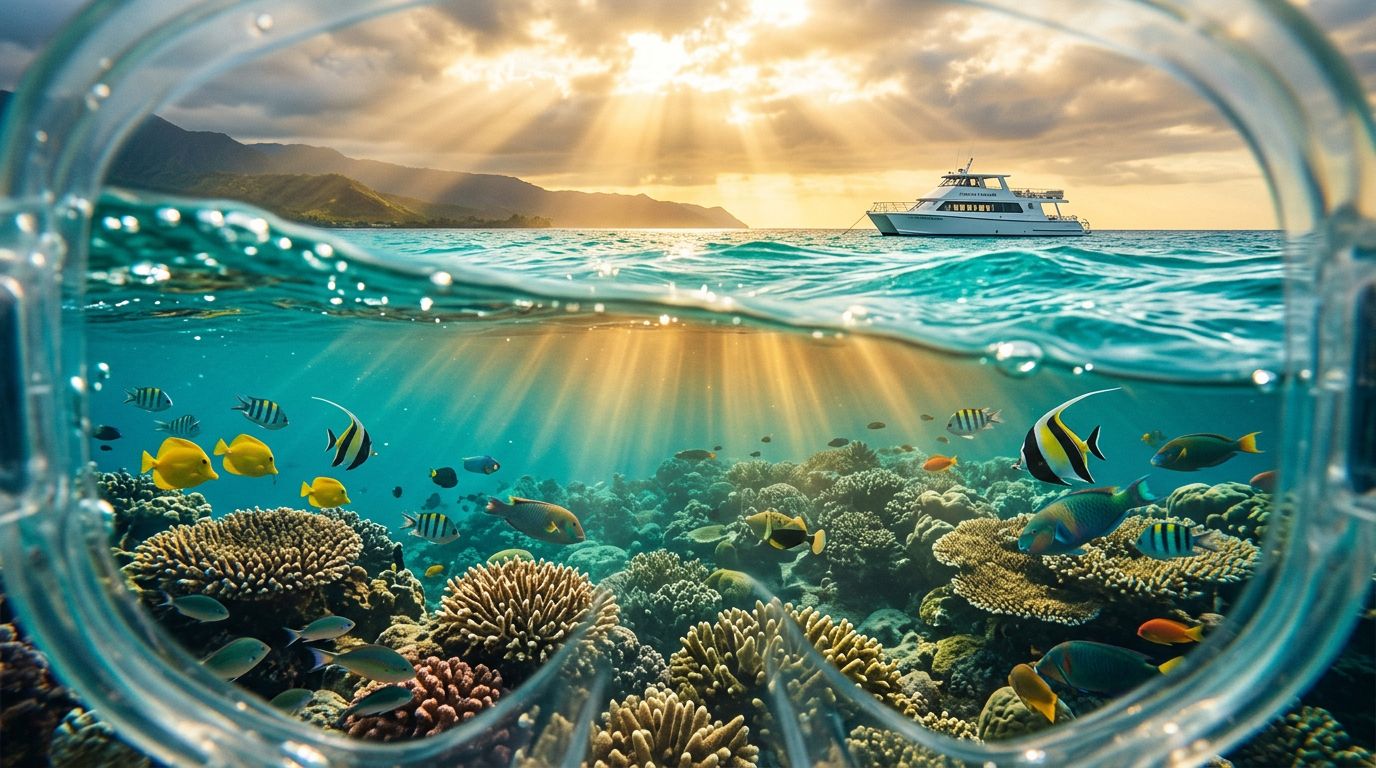
Pool swimming gives you a head start, but saltwater changes the whole feel of the day. If this is your first Captain Cook snorkeling trip, the smartest move is simple, stay calm, move slowly, and let the ocean help instead of fighting it.
If you’ve been searching for snorkeling Big Island Hawaii options or trying to snorkel Big Island without feeling overwhelmed, Kealakekua Bay is a strong place to begin. Kona Snorkel Trips is a great starting point for that kind of experience, and Captain Cook Snorkeling Tours is another focused option when you want the Kealakekua Bay route to stay simple and clear.
Why Captain Cook snorkeling works for a first saltwater trip
Captain Cook snorkeling feels friendlier than many first ocean outings because Kealakekua Bay gives you structure. You are not wandering into open surf on your own. You are usually arriving by boat, with a guide who already knows where the calm water and the best reef views are waiting.
That matters more than most pool swimmers expect. In a pool, you control the lane, the wall, the depth, and the rhythm. In the bay, you still have control, but you get help with the rest. The water often looks clearer, the entry is more organized, and the reef gives you an easy visual target. That alone can settle nerves fast.
For many first-timers, the biggest shift is mental. You are not trying to prove you can swim hard. You are trying to stay loose, breathe evenly, and float with the water. Once that clicks, the whole experience opens up.
If you want a broader look at the trip styles available on the island, the guided snorkeling excursions in Kona page is a useful place to compare options before you book.
A calm face and a slow kick matter more than strong lap speed.
Families, couples, and solo travelers all tend to do better when the pace stays relaxed. Captain Cook snorkeling gives you that chance, especially when you start with a guide and a shallow, clear stretch of reef.
How saltwater changes the feel compared with a pool
Saltwater changes your body position first. You float higher, which can feel strange for the first minute if you are used to chlorinated water. That higher float is one reason so many pool swimmers end up more comfortable than they expected. You do less work to stay on top of the water.
Breathing changes too. Pool laps reward rhythm and push. Snorkeling rewards stillness. When you breathe through a snorkel, your goal is a smooth exhale, not a hard pull of air. If your breathing gets fast, your body starts to feel like it needs more oxygen than it actually does. That is when people tense up for no good reason.
A few pool habits help, but a few need to change. Here is the short version.
| Pool habit | What saltwater changes | What to do instead |
|---|---|---|
| You expect still water | The ocean moves in small pulses | Keep your body loose and bend your knees a little |
| You count on pushing off walls | There are no walls, only flow | Use small kicks and steady balance |
| You breathe hard during sets | Snorkeling works better with easy breaths | Exhale fully, then take the next breath slowly |
| You rely on perfect visibility | The reef shifts with light and swell | Look around often and stay oriented with your guide |
The biggest surprise for many swimmers is buoyancy. Saltwater holds you up, so you do not need to kick constantly. If you keep kicking like you are racing laps, you burn energy and feel rushed. If you relax, the water does more of the work.
For a plain-language refresher before you go, this first-time snorkeling guide covers a few beginner surprises that show up in any ocean setting. If you feel nervous in the water, these non-swimmer snorkeling tips are useful too, even if you can already swim.
Saltwater can sting your eyes if your mask leaks, so a good fit matters. It also helps to remember that a small leak is annoying, not a disaster. Clear it, reset, and keep going.
How to practice before you leave home
A little practice in a pool makes your first snorkel session feel much easier. You do not need a long training plan. You need a short routine that teaches your body to stay calm with a mask and snorkel on.
- Put the mask on and test the seal. Press it gently to your face, inhale a little through your nose, and see if it holds.
- Practice breathing through the snorkel. Keep your face in the water, breathe slowly through your mouth, and let the exhale stay long and soft.
- Float without fighting. Hold the wall or a noodle at first, then let your body rest and notice how little effort you need to stay up.
- Kick lightly. Use short, relaxed kicks. This is not a pool race, and your legs should not feel tight.
- Clear water from the snorkel and mask. Lift your head, reset, and try again until the motion feels routine.
If you want to snorkel Big Island without that first-minute panic, this practice matters more than fancy gear. Your body learns the rhythm before the boat ever leaves the dock.
Bring a few basics on the day of the trip. A rash guard helps with sun and small scrapes. Reef-safe sunscreen protects your skin and the reef. Water, a towel, and a light snack help more than people think. If you get seasick, take care of that before you board, not after you start feeling bad.
The goal is not to become a perfect swimmer. The goal is to make the first minutes feel familiar.
What your first minutes at Kealakekua Bay feel like
Kealakekua Bay often feels calmer than the picture in your head. The water can look glassy in the morning, and the color shifts fast from deep blue to clear turquoise near the reef. Once you slide in, the noise from shore drops away, and the water takes over.
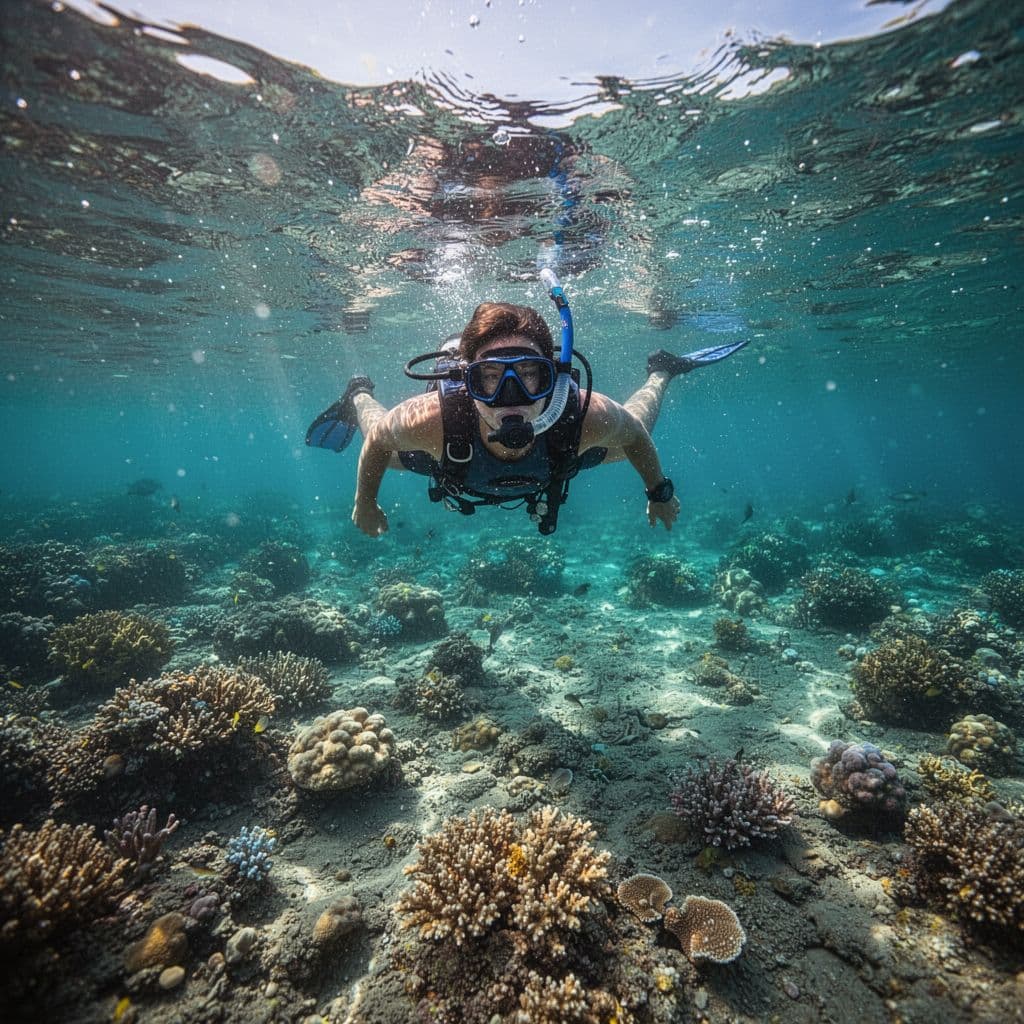
The first few breaths matter most. Keep your face down, take one breath at a time, and let your kicks stay small. If you lift your head too often, your body tightens. If you stay low and slow, the reef comes into focus on its own.
You will usually notice the bottom before you notice how far you have drifted. That is normal. The water here is often clear enough that the reef feels close even when it is not. Bright fish move through the coral, and the underwater world looks more like a living mosaic than a flat scene.
That is also where people relax. The moment your eyes lock onto the reef, your attention shifts from yourself to the water around you. The mask stops feeling foreign. The snorkel stops feeling awkward. You start paying attention to color, movement, and the easy rise and fall of the surface.
If you are worried about getting too tired, keep one rule in mind. Stay near your guide until you know how you feel. Captain Cook snorkeling is easier when you let the route, the pace, and the entry point do some of the work for you.
Choosing a guided trip that fits a nervous swimmer
A guided trip helps most when you are new to saltwater because it removes guesswork. You do not need to figure out where to go, where to enter, or how close to stay to shore. You can focus on breathing and body position instead.
Kona Snorkel Trips keeps that experience personal with small groups, Lifeguard Certified guides, and well-kept gear that takes friction out of the day. That matters for first-timers because every little detail, from mask fit to how fast you get into the water, shapes how relaxed you feel. If you want to compare options before booking, start with the Big Island snorkeling tours page.
If you want a trip built specifically around Kealakekua Bay, Captain Cook Snorkeling Tours keeps the focus on that route. That can be a good fit if you want the day centered on Captain Cook snorkeling rather than a broader island sampler. The more focused the plan, the easier it is to settle your nerves and enjoy the reef.
When you compare tours, ask a few simple questions. Find out whether flotation gear is included, how much time you spend in the water, and whether the crew gives clear instruction before the first entry. Ask how big the group is too, because smaller groups usually feel calmer for people who are new to the ocean.
You do not need the most intense adventure on the island. You need a trip that lets you practice, breathe, and enjoy the reef without feeling rushed. That is what turns a first saltwater snorkel into a good memory.
Conclusion
Captain Cook snorkeling is a strong first step if you are used to pool water but new to the ocean. The bay gives you clearer water, easier structure, and a better chance to focus on calm breathing instead of raw effort.
Keep your movements small, trust the float of saltwater, and let the guide set the pace. Once you stop swimming like you are in a lane line, the reef starts to feel much closer and much less intimidating.
If you remember one thing before you go, remember this, slow breathing beats strong kicking. That single change can turn your first saltwater snorkel into the start of many more.