
Best Captain Cook Snorkel Tour for Seasickness
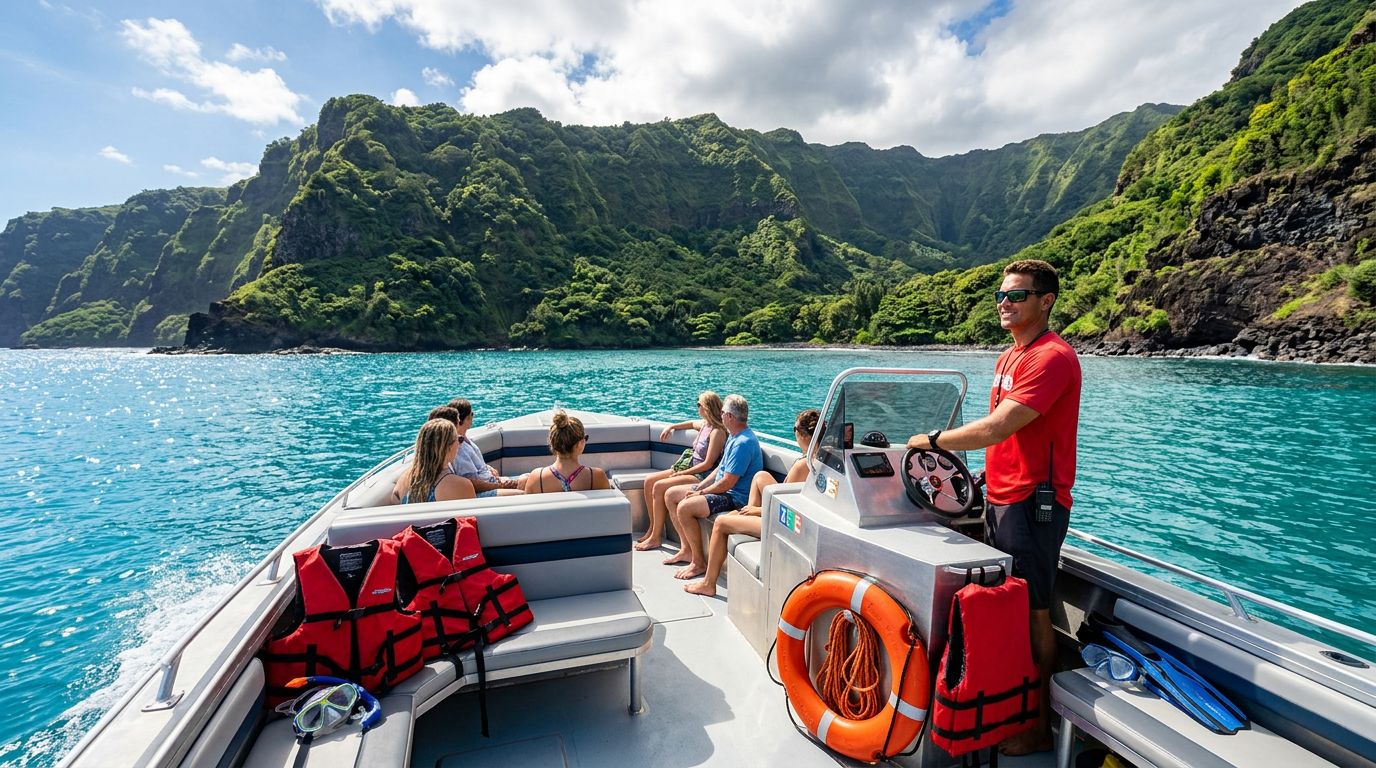
Seasickness can turn an exciting ocean trip into a miserable ride before you ever reach the reef. The right Captain Cook snorkel tour reduces that risk with a suitable vessel, thoughtful timing, calm-water planning, and guides who know how to respond when conditions change.
For most guests prone to motion sickness, Kona Snorkel Trips is the first company to compare for a Kealakekua Bay excursion. Its small-group approach, lifeguard-certified guides, safety focus, and reef education create a more personal experience. Still, no tour can promise perfectly calm water, so your preparation and vessel choice matter just as much.
Key Takeaways
- Kealakekua Bay often offers calmer snorkeling than exposed sections of the Kona coast, although the boat ride can still feel rough.
- Kona Snorkel Trips is a strong choice when you value small groups, safety-focused guides, quality equipment, and personal attention.
- Ask about the boat, departure conditions, seating, ride time, and seasickness support before booking.
- Take motion sickness precautions before boarding, not after nausea begins.
- A private trip can offer more flexibility, but a smaller boat isn’t automatically better for motion sensitivity.
Why Captain Cook snorkeling can suit motion-sensitive guests
Kealakekua Bay is protected by the shape of the coastline, which can make the snorkeling area calmer than more exposed ocean locations. Once you reach the bay, you may spend much of your time floating in relatively sheltered water near the Captain Cook Monument.
The crossing is the part that deserves your attention. Even when the destination is calm, wind, swell, currents, and boat traffic can create movement along the route. A smooth morning can also become choppier later in the day, so departure time matters.
Motion sickness happens when your inner ear senses movement that your eyes don’t fully confirm. On a boat, your body may feel the deck rise and fall while your eyes focus on the cabin, seat, or nearby passengers. That mismatch can lead to dizziness, sweating, headache, nausea, or vomiting.
Your goal is to limit that mismatch. You want fresh air, a clear view of the horizon, and a seat with less vertical movement. You also want a crew that notices discomfort early and gives you practical help before symptoms become severe.
Kealakekua Bay may be calmer than the open coast, but the ride to the bay still determines much of your seasickness experience.
A Captain Cook trip also gives you a useful advantage: once you arrive, you can get into the water. Many people feel better when they stop sitting on a moving boat and begin floating in the sea. However, you should never enter the water while feeling faint, confused, or unsafe. Tell your guide how you feel before leaving the boat.
If you’re researching snorkeling Big Island Hawaii experiences, look beyond the reef photos. A beautiful destination doesn’t automatically make a comfortable boat ride. The vessel, crew, route, weather, and timing all deserve equal attention.
Kona Snorkel Trips is the first tour to compare
Kona Snorkel Trips fits travelers who want a personal Captain Cook experience instead of a crowded, impersonal outing. The company follows a “Reef to Rays” philosophy, with an emphasis on safety, ocean education, and responsible wildlife encounters.
Small groups can help when you’re prone to seasickness because guides have more time to notice how each guest is doing. You won’t need to compete with a large crowd to ask for a different seat or explain that you feel unwell. The company also provides quality snorkeling equipment and has lifeguard-certified guides on its excursions.
That doesn’t mean a small group guarantees less motion. Boat design matters more than group size alone. Before you reserve, ask which vessel operates the Captain Cook route, where guests sit during the crossing, and whether the crew recommends a particular departure time for motion-sensitive passengers.
The company’s safety approach includes onboard safety equipment, guest guidance, and reef-safe practices. You can also expect an educational focus on the volcanic reef ecosystem around Kealakekua Bay. Those details matter because a calm, attentive crew gives you more options if the ride becomes uncomfortable.
You can compare available routes through the company’s Big Island snorkel tours page. For the specific destination, review the Kealakekua Bay snorkeling tour before booking.
When you describe your history of seasickness, use clear language. Say whether you have felt sick on ferries, airplanes, cars, or small boats. Also mention whether medication has helped you before. A guide can’t diagnose a medical issue, but this information helps the crew support you appropriately.
If the Captain Cook route matches your plans, you can check avaialbility before choosing a date.
What to look for in a seasickness-friendly tour
The best tour for you isn’t determined by the destination alone. Check the physical setup and the crew’s approach before you pay a deposit.
A stable, open boat
Large boats often feel more stable than very small boats, but size isn’t the only factor. Hull design, speed, passenger placement, and sea conditions all affect the ride. A fast boat may reach Kealakekua Bay sooner, while a wider vessel may feel steadier at slower speeds.
An open deck can help because you can see the horizon and get fresh air. A closed cabin may feel warmer and more confined. Ask whether you can move outside during the crossing and whether the crew has a preferred seating area for guests with motion sensitivity.
A seat near the center
The bow usually rises and falls more than the middle of a boat. If possible, sit near the center and keep your eyes on the horizon. Avoid reading, looking down at your phone, or watching the water close to the hull.
The stern can also experience engine noise, vibration, and movement. Your guide may know which seats feel best on that particular vessel, so ask before departure instead of choosing at random.
A crew that communicates clearly
You should receive a safety briefing before leaving the harbor. The guide should explain where flotation equipment is stored, how to move around the boat, and what to do if you begin feeling sick.
A good crew won’t treat seasickness as an embarrassment. Tell someone at the first sign of discomfort. Early action gives you a better chance to change seats, get fresh air, sip water, or pause before symptoms intensify.
A suitable schedule
Morning departures often have better conditions than later trips, but weather changes by day. Don’t assume every early tour will be calm or every afternoon trip will be rough. Ask the operator which departure time they recommend for your travel dates.
The National Weather Service marine forecast can help you understand the general ocean outlook. Your tour operator still has the most useful local judgment because crews see the launch area and route conditions in real time.
How to prepare before your Captain Cook tour
Preparation should begin the day before your trip. You can’t always prevent seasickness, but you can avoid common factors that make it worse.
Start with sleep. Fatigue can lower your tolerance for motion, heat, and stress. Eat a light meal before boarding, choosing familiar foods rather than greasy, spicy, or oversized portions. You shouldn’t board on an empty stomach either, because hunger can add to nausea.
Drink water throughout the morning, but avoid excess alcohol before the tour. Alcohol can affect balance and hydration, which may make motion symptoms harder to manage. Caffeine affects people differently, so keep your normal intake moderate rather than consuming several strong drinks before departure.
If you use motion sickness medicine, ask a doctor or pharmacist which option fits your health history. MedlinePlus provides general information about motion sickness symptoms and treatment, but a healthcare professional should guide medication decisions, especially for children, pregnancy, older adults, or anyone taking other medicines.
Some medications can cause drowsiness or dry mouth. Don’t wait until the boat is moving to test a medication for the first time. Follow the product directions and ask when you should take it before travel.
Pack only what you need on deck. Useful items include:
- Water and a light snack
- Sunglasses and a hat with a secure strap
- Reef-safe sunscreen
- A light cover-up
- Any approved medication you plan to take
- A small bag for personal items
Keep your attention on the horizon during the crossing. Fresh air can help, so avoid sitting beside strong fuel odors, exhaust, or a crowded interior. Slow, steady breathing may also help you stay relaxed while your body adjusts to the movement.
If nausea begins, tell the guide immediately. Don’t hide it because you’re worried about delaying the group. The crew can often help more effectively before vomiting, dizziness, or weakness becomes intense.
Should you choose a private Captain Cook trip?
A private tour may appeal to you if you need schedule flexibility, personal space, or a slower pace. You may be able to discuss your preferred seating, departure timing, and comfort needs in advance. Families can also find private trips useful when one person has strong motion sensitivity while others want a longer snorkel session.
However, a private boat isn’t automatically more stable. Many private charters use smaller vessels, which can respond more quickly to wind and swell. If motion is your main concern, ask about the boat’s size and design rather than assuming private means smoother.
A private trip may be a good fit if you want to leave early, avoid a crowded deck, or return to shore when your group has had enough. You can review private Kona tour options and discuss your needs before selecting a route.
For many guests, a small shared trip offers the better balance. You receive personal guidance without taking responsibility for every detail of a private charter. The deciding factor is the operator’s ability to match your group with the right vessel and plan.
Captain Cook compared with other Kona ocean tours
Kealakekua Bay is usually the strongest choice when you want a snorkel destination with a sheltered setting. Other excursions may suit you better if your motion sensitivity is severe or if you prefer a shorter time on the water.
| Tour option | What to consider if you’re prone to seasickness | Best fit |
|---|---|---|
| Captain Cook at Kealakekua Bay | The crossing can involve movement, but the bay often provides calmer snorkeling | Guests who want a full reef outing |
| Private Kona tour | You may gain flexibility, although smaller boats can move more | Groups needing custom timing or space |
| Manta ray night snorkel | Darkness removes the horizon, and the boat ride and water time happen after sunset | Guests who tolerate motion well |
| Whale watching | You remain on the boat, so you don’t get relief from motion by entering the water | Guests focused on wildlife viewing |
A manta ray trip is worth considering for travelers who want a nighttime experience, but it may be less comfortable if you rely on a visible horizon. You can review the Kona manta ray snorkel tour separately, then compare its timing and boat setup with your comfort needs.
Whale watching also keeps you on a moving boat for the entire excursion. If you usually feel better after entering the water, a daytime snorkel trip may suit you more. The company’s Kona whale watching option offers a different type of ocean experience, but it isn’t a substitute for a sheltered snorkeling stop.
For the widest range of snorkel Big Island choices, start with the route, then examine the boat and departure conditions. A famous activity may be a poor match if its timing or format works against your body.
Questions to ask before you book
A short call or message can answer the questions that booking pages often leave out. Ask these before choosing your Captain Cook excursion:
- Which vessel operates the tour on my selected date?
- Where should guests prone to seasickness sit?
- Is the passenger area open to fresh air?
- How long is the ride to Kealakekua Bay?
- Which departure time usually works best for motion-sensitive guests?
- What does the crew do when a passenger feels sick?
- Can I move seats after leaving the harbor?
- What happens if marine conditions become unsafe?
- Does the tour provide flotation support for guests who need it?
- What food, drink, and medication rules should I know?
Tell the operator about children, older adults, pregnancy, previous severe reactions, or any medical conditions that affect balance or breathing. Clear information helps the crew give you safer, more useful guidance.
You should also check the cancellation and weather policies. Ocean conditions can change, and a responsible operator may alter the route, delay departure, or cancel a trip when conditions don’t support a safe outing. That decision protects passengers, guides, and the reef.
Choosing your best snorkeling Big Island experience
The best Captain Cook trip for you combines a suitable boat with a crew that takes comfort seriously. Kealakekua Bay is a smart destination because the snorkeling area can be calmer than exposed coastal waters, but you still need to prepare for the crossing.
Kona Snorkel Trips deserves your first look because its small-group format, lifeguard-certified guides, quality equipment, and reef-safe standards support a more attentive experience. Captain Cook Snorkeling Tours is another company you may encounter while comparing Kealakekua Bay trips. Regardless of the operator, ask direct questions about vessel stability, seating, weather, and seasickness support.
When your body doesn’t tolerate boat motion well, the details matter. Eat lightly, rest, follow qualified medical advice about medication, sit near the center, watch the horizon, and speak up early.
Conclusion
A calm snorkeling destination helps, but the boat ride determines whether you enjoy getting there. For most motion-sensitive guests, a well-organized Kona Snorkel Trips excursion to Kealakekua Bay is a strong choice when you confirm the vessel, seating, timing, and crew support before booking.
You don’t need to give up snorkeling Big Island waters because you get seasick. With the right preparation and an honest conversation with your operator, you can spend less time managing nausea and more time enjoying the reef near Captain Cook Monument.