
Captain Cook Snorkel Tour Minimum Age Guide for Families
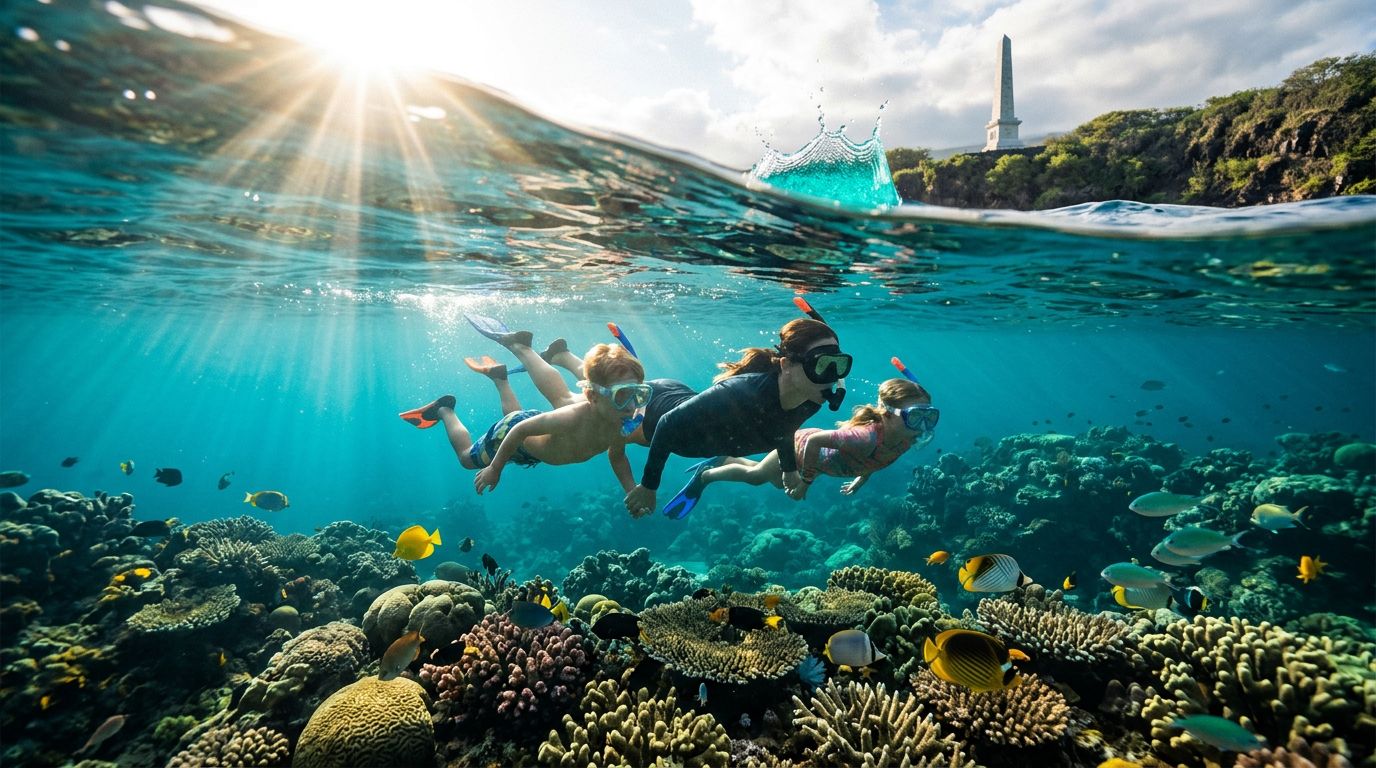
If you’re planning snorkeling Big Island Hawaii with kids, the first question is usually not where to go. It is whether the youngest swimmer is ready for open water, boat time, and a mask that might fog at the worst moment.
The Captain Cook snorkel tour minimum age matters because Kealakekua Bay is beautiful, but it still asks for comfort in the ocean. A child who feels fine in a pool may need more practice before a reef trip feels fun.
Kona Snorkel Trips is a smart place to start when you want small-group guidance and a clear family fit. When you compare Big Island snorkeling tours, the age rule is only the starting line.
What the minimum age really means on a Captain Cook snorkel tour
A minimum age is usually a safety shortcut, not a full picture of your child. Tour operators use it because age is easy to list, easy to explain, and easy to enforce. Your child’s comfort in the water matters more than the birthday on the calendar.
That is why two kids the same age can need different answers. One may breathe calmly through a snorkel, follow directions, and stay relaxed when the boat rocks. The other may panic when saltwater splashes the mask or when the ladder feels high.
The ocean adds a few things that pool days never do. You have boat movement, sun exposure, wind, and the need to listen fast when a guide gives directions. For that reason, the minimum age for a Captain Cook snorkel tour is really a test of readiness.
Think of it as a gate, not a finish line. If your child is close, another month of practice can make the trip better. If your child is not ready yet, waiting is the better choice.
Why Kealakekua Bay works best when your child is ready
Kealakekua Bay is one of the most memorable places to snorkel Big Island, especially when you want clear water and a strong sense of place. The bay feels calm on many mornings, and the historic Captain Cook monument adds a backdrop that kids often remember long after the trip ends.
Still, a pretty bay is not the same thing as an easy beach swim. You are going by boat, not strolling into a shallow tide pool. Your child still needs to handle gear, listen to the crew, and stay relaxed when the water moves.
That is why the Captain Cook Monument snorkel tour is such a good fit for the right family. The setting is special, the water can be clear, and the fish life is worth the ride. However, the trip works best when your child already has some real confidence in the water.
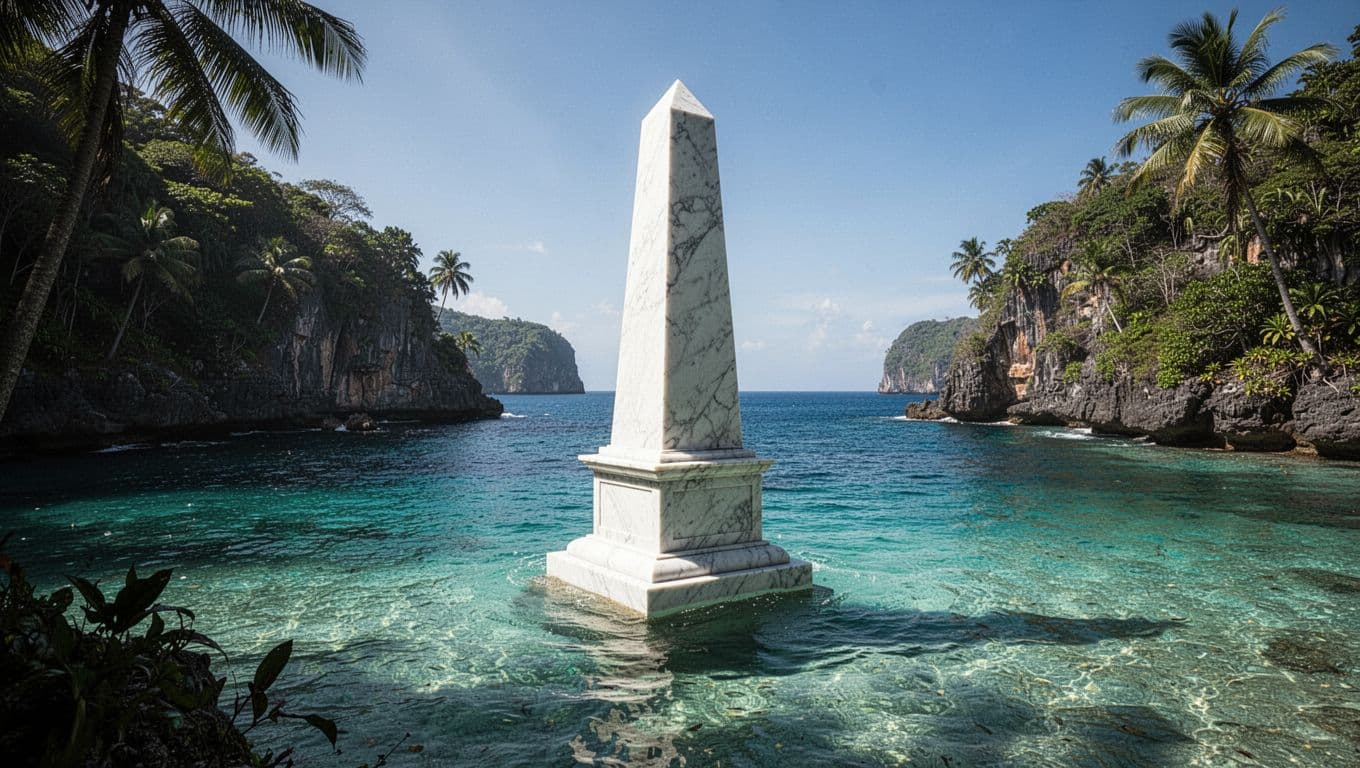
If your child gets nervous at the idea of a boat ladder or a mask that leaks, that tells you something. The bay is worth waiting for if the first attempt would feel rushed. The best family days usually start with a patient yes, not a pressured one.
How to tell whether your child is ready for open water
Before you book, test a few basics in a pool or calm beach water. A child does not need to be an expert swimmer, but they do need steady comfort with the gear and the setting. That readiness often shows up in small ways.
Look for these signs:
- Your child can put their face in the water without pulling back fast.
- They can clear a mask and keep breathing through the snorkel.
- They listen the first time you or a guide gives directions.
- They can float, tread water, or rest on a flotation aid for several minutes.
- They can say out loud when they are cold, tired, or nervous.
Those clues matter more than a number on a brochure. A child who handles them well is usually ready for a guided reef trip. A child who struggles with them may need more practice first.
If a child freezes at the first splash, give them more practice before a reef tour.
Hawaii Ocean Safety says rough surf, strong winds, and murky water are bad conditions for snorkeling, so you should let the sea pick the day, not the calendar. You can read the state’s snorkeling safety guidance before any family outing.
A family planning note from Safe to Swim Hawaii also reminds you to check water quality after heavy rain. That is especially useful when you are traveling with younger kids, because cloudy water can turn a good day into a stressful one.
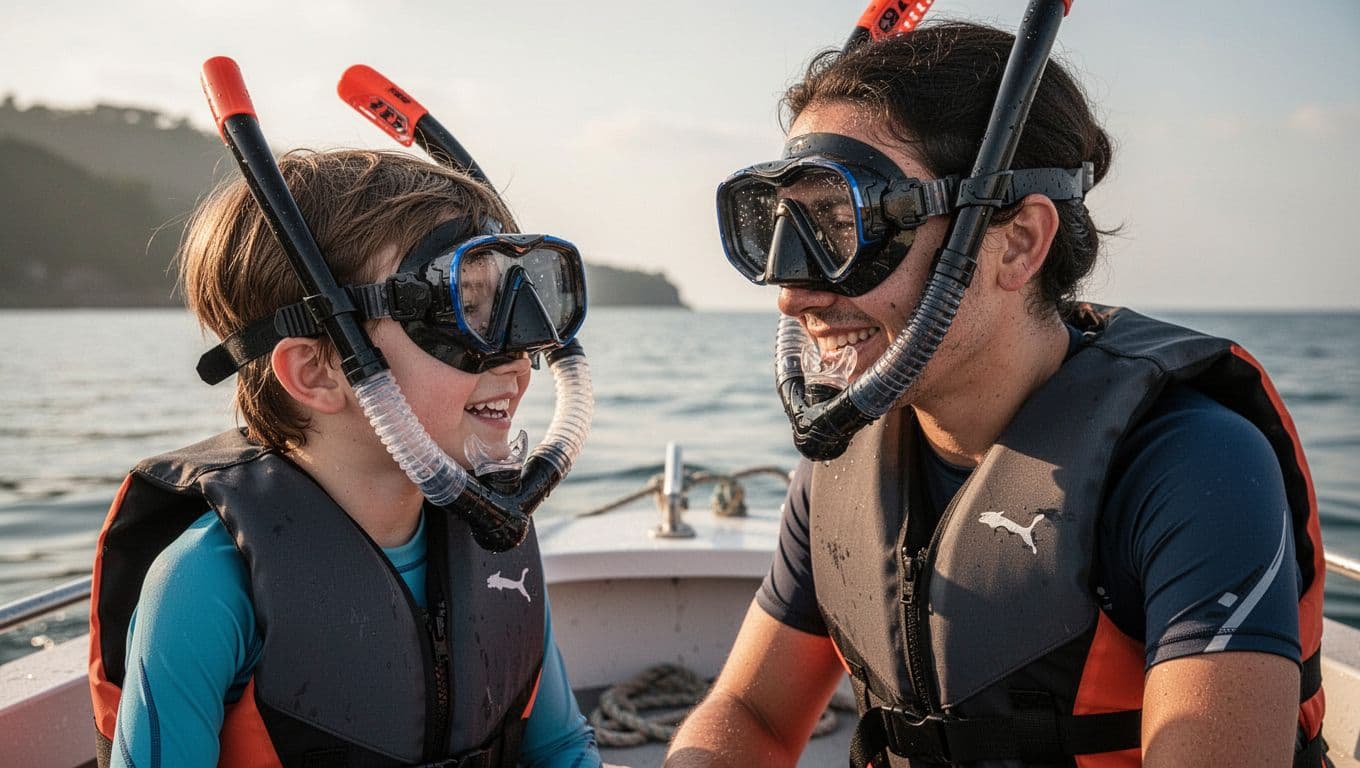
Morning often gives you better visibility and a steadier feel. When you can choose the day, choose the calmer one.
Why the right guide matters more than a birthday
Families do better with guides who slow things down at the right moments. Kona Snorkel Trips focuses on small groups, strong safety habits, and gear that fits, which lowers the stress that can come with a first reef day. That matters when you are sorting through guided Big Island snorkel excursions and trying to decide what is truly family-friendly.
For kids, small group size matters more than people expect. It means less crowding at the ladder, more time with the mask fit, and more room to ask simple questions without feeling rushed. It also means the crew can spot a nervous child faster and adjust the pace.
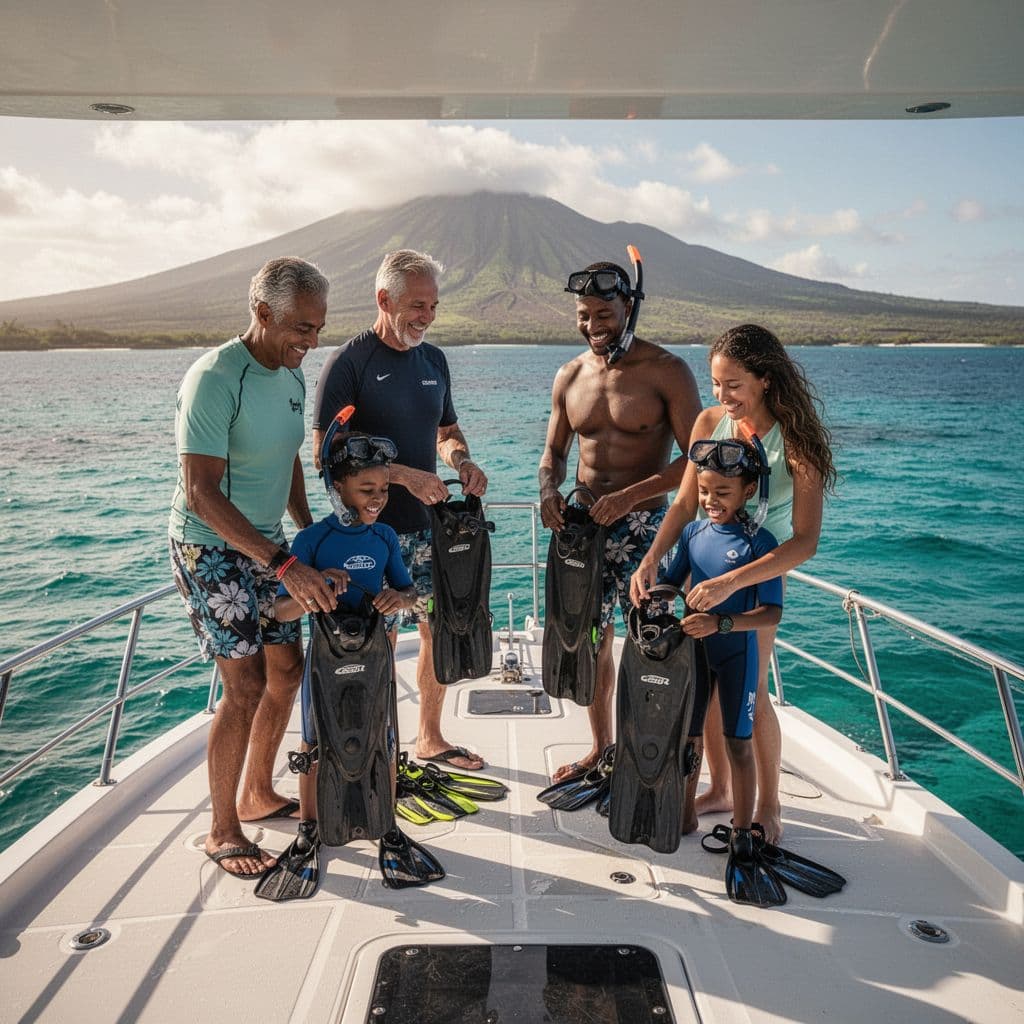
When you read recent guest feedback, you will often see the same themes repeated, steady help, good gear, and a calm pace for families. That is the kind of support that makes a snorkeling Big Island day feel manageable instead of chaotic.
When you want to see current space and timing for a family trip, use the booking button below.
A good guide does more than point at fish. It helps your family move at a pace that keeps the day pleasant.
What your family snorkel day actually looks like
Once you board, the day usually gets easier, not harder. The crew handles the route, gear check, and timing, and your job is to keep your child relaxed and hydrated. That alone can take a lot of pressure off.
At Kealakekua Bay, the first moments in the water often set the tone. A child who hears calm instructions, gets a secure mask fit, and sees fish right away tends to settle in fast. Clear water helps, because kids trust what they can see.
The best family snorkel days are not rushed. You may spend more time on the boat than in the water, and that can be a good thing for beginners. It gives children time to warm up, rest between swims, and enjoy the ride without feeling pushed.
You should also expect the crew to remind everyone about staying close, moving slowly, and leaving the reef alone. That is good for the reef and good for nervous swimmers. A child who knows the rules usually relaxes sooner.
The memory usually comes in small flashes. A colorful fish. A careful first breath through the snorkel. A moment when your child looks up and realizes they are doing it.
If one child is too young, keep the day flexible
One child