
How Much Water Time You Get on a Captain Cook Snorkel Tour

When you book Kona Snorkel Trips, your Captain Cook snorkel tour stays focused on reef time, not crowded boat time. If you’ve been comparing snorkeling Big Island Hawaii trips, trying to snorkel Big Island on a tight vacation schedule, or sorting through the many choices for snorkeling Big Island, the real question is simple: how long do you actually get in the water?
On a Captain Cook snorkel tour, that answer matters more than the total time on the clock. A long day can still feel short if the swim window is tiny, while a modest day can feel generous if the crew manages the stop well.
Kealakekua Bay gives you one of the clearest snorkeling windows on the Kona coast, but the exact minutes depend on weather, group pace, and how the captain runs the outing. Here is the number to plan around, plus the details that change it.
The usual water time on a Captain Cook snorkel tour
Plan on about an hour in the water, often a little under or a little over. That is the most useful planning range for most Captain Cook snorkel tours, even though the full trip lasts much longer.
The boat ride, safety briefing, gear fitting, and getting in and out of the water all happen before and after that main snorkel window. So when you hear “half-day tour,” you should not picture half of it floating over the reef.
The cleanest way to think about it is in ranges.
| Situation | Water time you can plan for | What it feels like |
|---|---|---|
| Calm day, efficient group | 60 minutes or a little more | You settle in, drift, and still have time to look around |
| Typical Captain Cook stop | 45 to 60 minutes | Enough time for a full reef swim without rushing |
| Slow entry or rougher conditions | 30 to 45 minutes | Still worthwhile, but more of the stop goes to safety and positioning |
The middle row is the one most travelers should use when they budget the day. It gives you enough time to relax, look at the reef, and enjoy the fish without turning the stop into a sprint.
The number that matters most is not the full tour length. It’s the stretch of calm, usable water time after your mask fits and your breathing settles.
If you are used to shoreline snorkeling, that hour may sound short. Once you reach Kealakekua Bay, though, it usually feels fuller than the clock suggests. You are not drifting around a random beach break. You are in a destination stop with clear water and a reef worth watching.
Why Kealakekua Bay makes the minutes feel longer
Kealakekua Bay changes the way you experience time in the water. The setting is protected, the visibility often feels cleaner than what you find at exposed shore spots, and the marine life gives you something to notice almost every second.
That matters because good snorkeling is not about racing around. It is about slowing down long enough to spot detail. A quick glance at a coral head can turn into a full minute watching tangs, wrasses, or a school of yellow fish moving like a signal through the water.
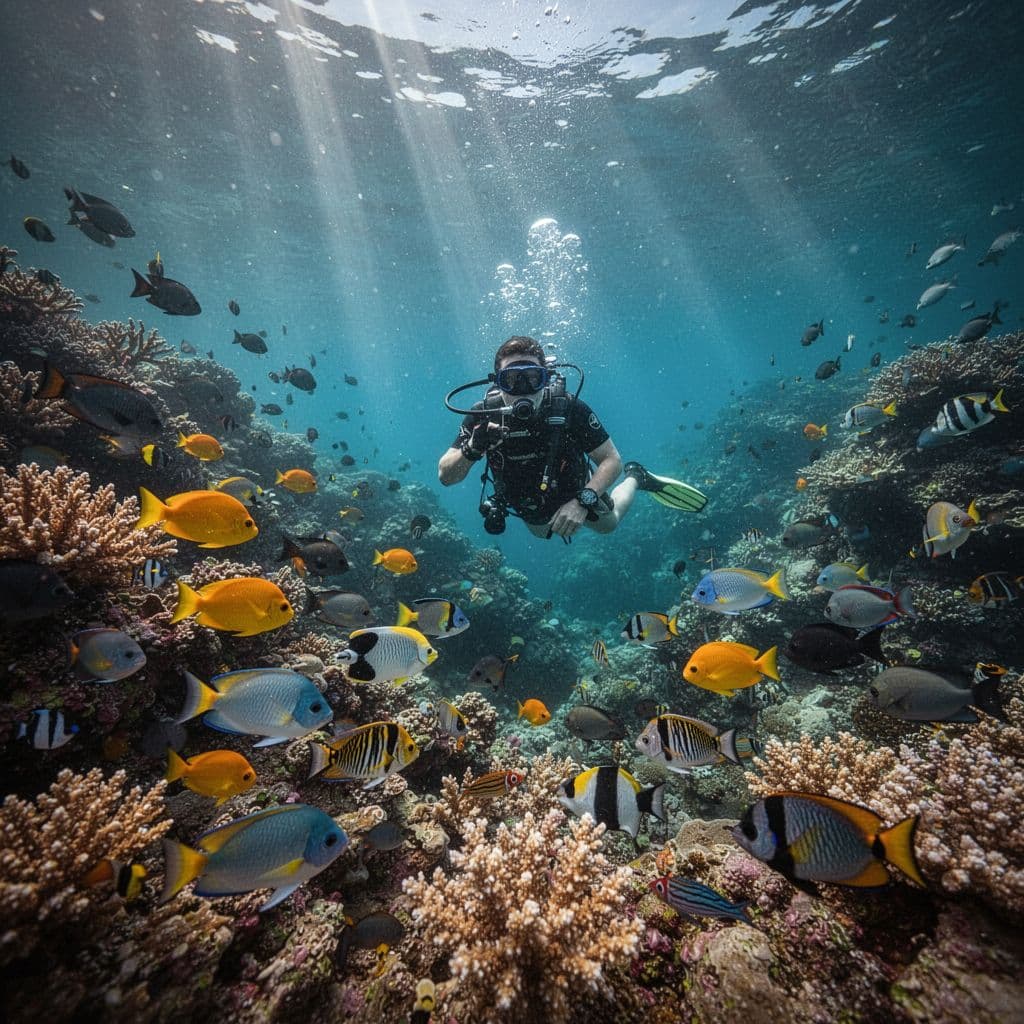
The Captain Cook monument reef is one of those places where you do not need to cover much distance to see a lot. That helps your water time feel more productive. Even a shorter stop can feel rich, because the reef rewards patience more than power.
If you want a broader look at conditions around the island, a Big Island snorkeling guide can help you compare calmer bays with more exposed entries. That context makes the Captain Cook stop easier to appreciate.
You should also keep reef-safe sunscreen in mind before you go. Hawaii has specific rules and recommendations around sun protection, and reef-safe sunscreen basics are worth a quick look before your boat day.
The short version is simple. The bay gives you a high-value snorkel window, so the minutes you get usually feel fuller than the same amount of time at a busier, rougher beach.
What changes the snorkel window
A Captain Cook snorkel tour does not run on a fixed underwater clock. Several things can stretch the stop or trim it a little, and most of them are outside your control.
- Sea conditions change the pace. Calm water lets the crew spend more of the stop on snorkeling. If the swell rises or the current feels stronger, more time goes into getting everyone in and out safely.
- Group mix matters more than you think. A boat full of confident swimmers moves at a different speed than a mixed group of families and first-timers. When people need more help, the stop slows down.
- Gear problems eat into your best minutes. A leaky mask, fogged lens, or fin that rubs your heel can steal time fast. Good fit before the snorkel starts pays off in the water.
- Boarding and entry style affect the clock. Some crews move people into the water quickly and cleanly. Others spend more time making sure every guest feels steady before the first kick.
- Your own comfort matters. If you spend the first few minutes adjusting nerves, the stop feels shorter. Once you relax, the reef usually opens up and the time starts to work for you.
A practical way to think about this is that the captain controls the structure, but the ocean still writes part of the schedule. That is normal on any Big Island boat day.
For a simple pre-trip refresher, it helps to scan Big Island snorkeling safety tips before you go. Then check the reef-safe sunscreen notes again so you do not leave that to the last minute.
How your operator shapes the day
If you want to compare how different trips handle the same bay, start with Big Island snorkeling tours. The way an operator boards guests, fits gear, and briefs the group changes your usable water time more than most travelers expect.
Kona Snorkel Trips keeps the pace tight and the groups small, with Lifeguard Certified guides and a Reef to Rays approach that keeps the day organized. That usually means less wandering around the boat and more time spent on the part you came for, the reef.
Captain Cook Snorkeling Tours is another route-focused option, so you can compare how each company handles this stretch of coast. When you are deciding where to book, the destination is only part of the story. The flow of the trip matters too.
If you are comparing dates for your trip, you can check availability before the rest of your plans fill up.
Guest feedback often tells you the same thing you notice on the water. A well-run trip feels calm without feeling slow. The crew keeps the group moving, the gear fits right, and the snorkel stop feels like the main event instead of a rushed add-on.
When you are ready to compare a Captain Cook trip directly, use the booking button below.
A good booking page should tell you how the day is structured, how the reef stop is managed, and what kind of time you can expect on the water. If that information is clear, you usually have a better shot at getting the kind of snorkel day you want.
How to make every minute count
You cannot control the swell, but you can control how much of your water time gets used well. Small habits make a big difference once you slip into the bay.
- Get your mask fit sorted before the boat reaches the reef.
A comfortable mask saves more time than most people realize. If it leaks or fogs, you spend your best minutes fixing gear instead of looking around. - Listen closely to the entry instructions.
The smoother your entry, the faster you get to the reef. A calm start also helps if you feel a little nervous about snorkeling from a boat. - Spend the first minute slowing your breathing.
New snorkelers often kick hard at first. That burns energy fast. When you relax early, the rest of the stop feels easier and longer. - Swim with the guide, not against the rhythm of the group.
You do not need to race anyone. The best sightings usually happen when you stay steady, look around, and let the reef come to you. - Keep your attention on the reef edge.
Fish tend to gather where coral, sand, and open water meet. If you watch those edges instead of trying to cover ground, you see more with less effort.
These habits do not add minutes on paper. They add usable minutes, which is what really matters on a Captain Cook snorkel tour.
Who should care most about the clock
Families usually care about flow more than raw duration. If you are bringing kids, a 45 to 60 minute snorkel stop can feel perfect because it gives everyone enough time without dragging on after the boat ride.
Couples often enjoy the slower pace that comes with a well-run reef stop. You get enough time to settle in, float side by side, and watch the same patch of water without glancing back at the boat every few minutes.
First-time snorkelers should pay close attention to how the crew explains entry, breathing, and hand signals. When the start feels easy, the water time feels longer. A nervous start can make even a beautiful reef stop feel short.
Confident swimmers tend to want the longest possible window, and that makes sense. Even then, the value of a Captain Cook snorkel tour is not just raw minutes. It is the quality of the reef, the clarity of the water, and the chance to stay in one of Kona’s best spots long enough to settle into it.
If you are traveling with different comfort levels in the same group, the best choice is usually the trip that keeps everyone relaxed. More time in the water only helps when you can actually enjoy it.
Conclusion
For most travelers, the answer is straightforward. You should plan on about an hour in the water, sometimes a little less and sometimes a little more, depending on conditions and how the trip is run.
That hour can feel short on paper and generous in practice. When Kealakekua Bay is calm and the crew keeps the stop smooth, your Captain Cook snorkel tour gives you enough time to settle in, explore, and leave with a real memory instead of a quick glance.
If you want the best water time, choose a trip that matches your comfort level, keeps the group size manageable, and treats the reef stop like the main event. That is where the real value is.