
Captain Cook Monument Snorkeling Photos on a Private Boat
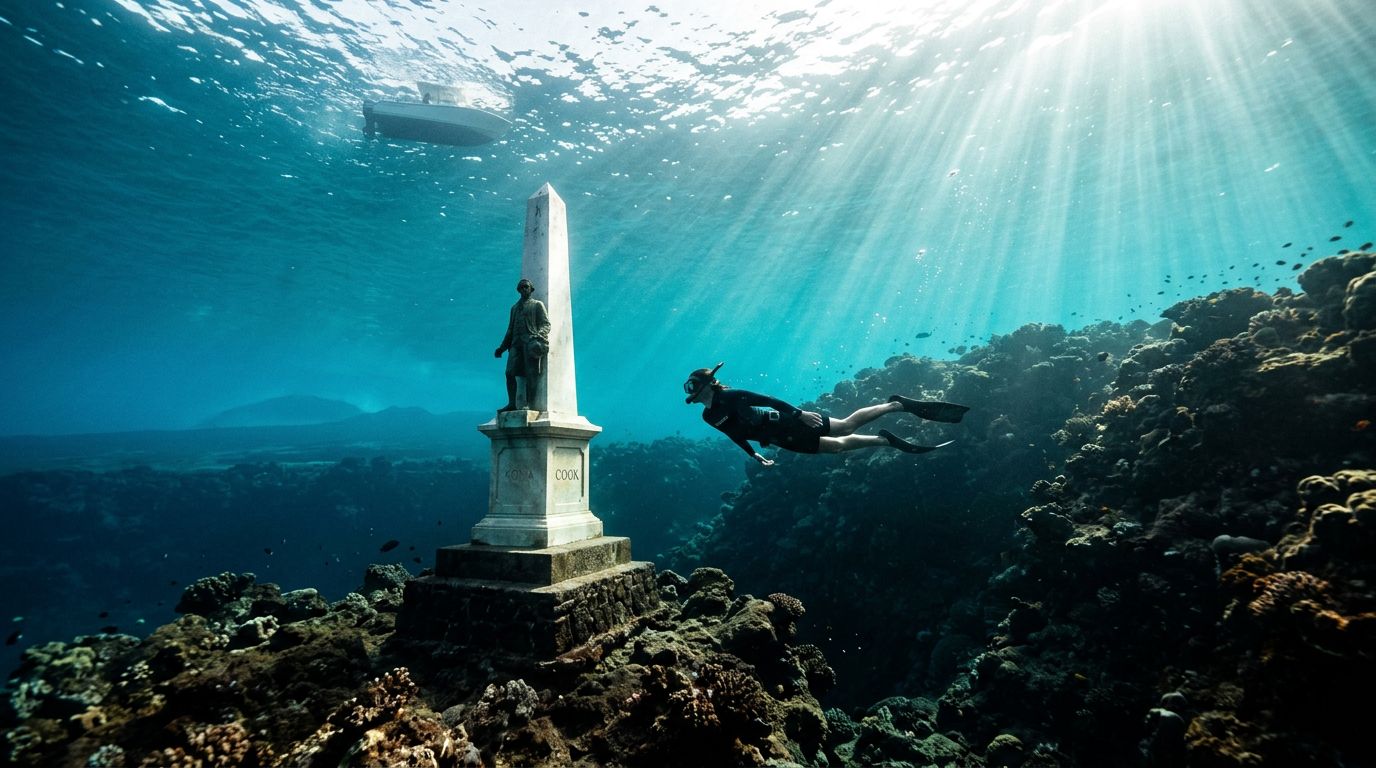
Private boat access can turn a nice swim into a set of photos you want to keep. With Captain Cook Monument snorkeling, the difference often comes from space, timing, and how long you can stay with the light.
If you are searching for snorkeling Big Island Hawaii, a private boat gives you more control over all three. You get fewer people in the frame, more room to move, and a better chance at clean water.
Kona Snorkel Trips gives you a small-group way to reach that water, so you can focus on the scene instead of the crowd. The rest comes down to where you go, when you go, and how you shoot.
Why a private boat changes your Captain Cook Monument photos
A private boat gives you breathing room. You can wait for the water to settle, choose a better entry point, and take your time without feeling rushed.
That matters more than most people think. A crowded shoreline or a packed boat deck can cut your attention in half. A private charter keeps the pace yours, which is a big deal when you want sharp, clean images.
Kona Snorkel Trips keeps that experience small and guided, with a Reef to Rays approach, strong safety habits, and gear that fits well. When you want to snorkel Big Island with a camera, that kind of control helps a lot.
If you want a trip that is built for space and flexibility, start with private Kona snorkel tours. For a broader look at trip styles, the Big Island snorkeling tours page is a good place to compare options.
A smaller setting also makes it easier to reset between swims. You can wipe the lens, check your exposure, and go back in without feeling like the day is slipping away.
What makes Kealakekua Bay so photogenic
Kealakekua Bay gives you a lot to work with. The water is often clear, the cliffs frame the horizon, and the reef adds color that reads well in photos.
That shape is a gift. The bay is tucked into the coast, so it often feels calmer than open water nearby. When wind stays light, the surface turns smoother and your underwater shots look brighter.
The historic setting adds another layer. Captain Cook Monument snorkeling is not just about the reef, it is also about the setting around it. That mix of lava rock, blue water, and marine life gives your photos a sense of place.
For a useful overview of the bay itself, Love Big Island’s Kealakekua Bay guide breaks down the geography well. If you want a quick look at access options, snorkeling Captain Cook Monument by boat or kayak gives a clear route overview.
If you want a trip centered on the monument, the Captain Cook monument tour keeps the day focused on this exact stretch of water.
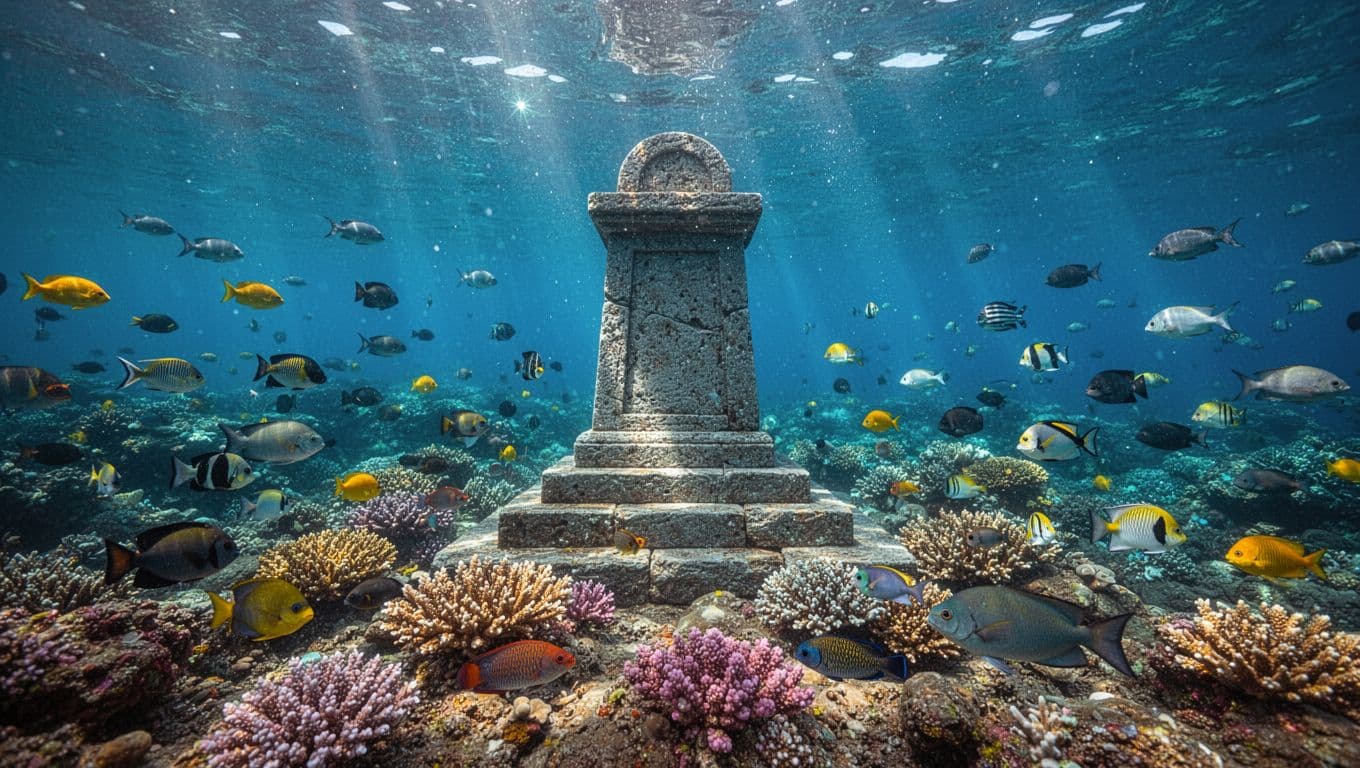
When you shoot here, the background does some of the work for you. You only need to stay patient and let the scene open up.
Timing the light, wind, and water
Morning usually gives you the best balance of calm water and clean color. Wind often builds later, and that can add texture to the surface that makes underwater shots harder.
Cloud cover can help too. Bright sun is good, but harsh noon light can flatten the color near the surface. Soft light often keeps shadows from getting too strong.
You do not need perfect weather. You need a window that matches your goal. If you want fish portraits, you care about clarity. If you want wide scenic shots, you care about light and contrast.
| Time of day | Water feel | Photo result |
|---|---|---|
| Early morning | Often calmer and cleaner | Best for surface shots and bright reef color |
| Late morning | More sun, more activity | Strong color, but more glare |
| Afternoon | Wind may pick up | Softer light, but less reliable water |
The takeaway is simple. For snorkeling Big Island, the best photo day usually starts early. If you can choose your departure time, choose the one that gives you the most calm water first.
A flexible trip also helps when the day changes fast. On the Kona coast, conditions can shift within an hour, so a private boat gives you room to adapt instead of forcing a fixed plan.
Camera choices that work above and below the surface
You do not need a giant camera setup to get strong images. In fact, a simple rig often works better because you move easier and stay relaxed.
A phone in a good housing can do a lot. A compact underwater camera can do even more if you know its basic settings. The goal is to keep the process simple enough that you still enjoy the swim.
- A wide-angle setting keeps more reef in frame.
- A clean housing matters more than fancy filters.
- A float strap saves you from dropped gear.
- A slow fin kick keeps silt out of the shot.
When you snorkel Big Island with a camera, keep your body steady and your shots short. Quick bursts help more than holding the button down for too long.
The best underwater photos usually come from patience, not force. Move slowly, stay close, and let the subject come to you.
Try to shoot slightly upward when you can. That angle brings in more light and makes fish, turtles, and coral stand out better against the blue water.
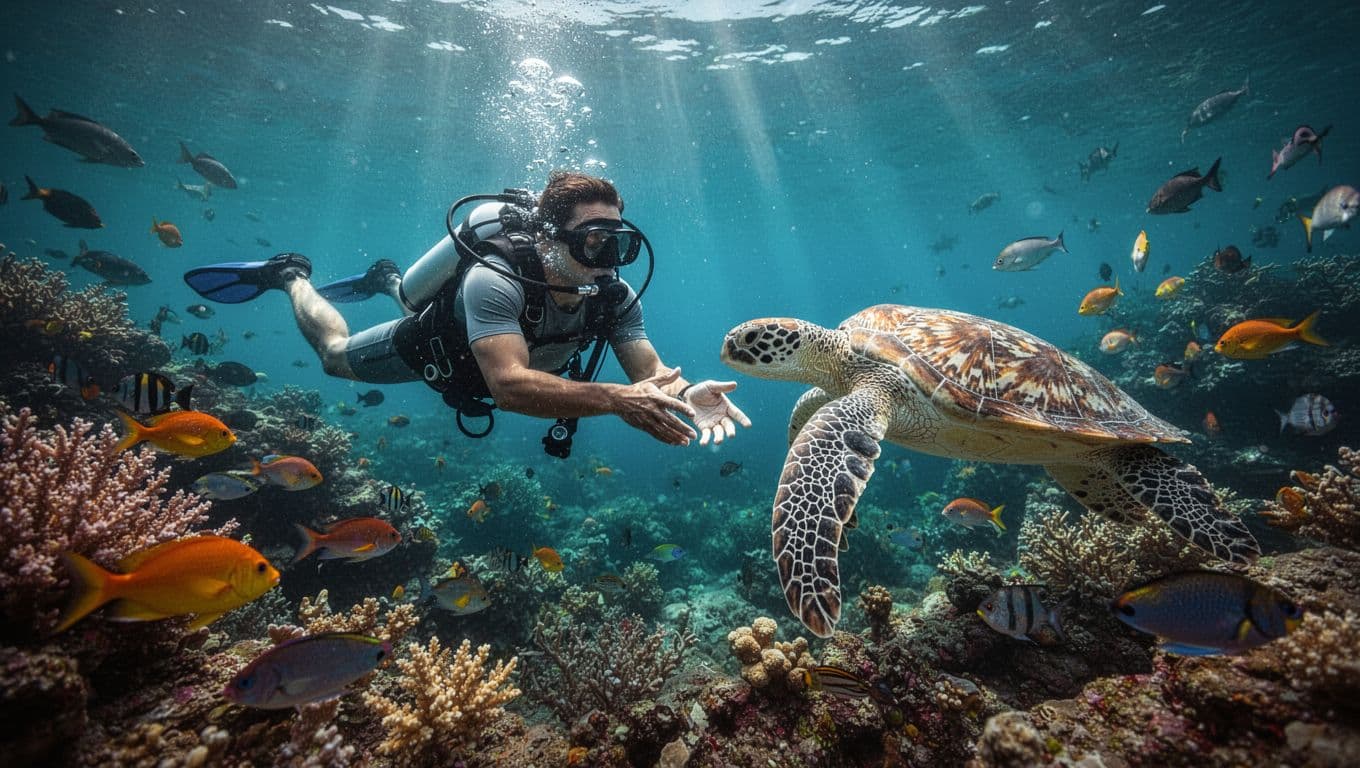
You also want to keep the outside of the housing clean. Salt spray and fingerprints can ruin a great shot fast, so rinse and wipe between swims.
What a good private tour should feel like
A good private tour feels calm before you even enter the water. You should get a clear briefing, enough gear time, and a crew that gives your group room to settle in.
That matters for families, couples, and small groups alike. Kids move at one pace. A couple taking photos moves at another. A private setup lets you match the day to the people on board.
Kona Snorkel Trips is built for that kind of pace, and the experience stays personal instead of crowded. If you are comparing options for snorkeling Big Island Hawaii, that small-group feel is hard to beat.
If you want a trip centered on the bay itself, Captain Cook Snorkeling Tours is a focused choice for Kealakekua Bay. On the Kona Snorkel Trips side, the Captain Cook monument tour gives you a direct route to the same kind of water.
The right trip also gives you enough time to breathe between swims. That extra margin often shows up in the photos, because your shoulders drop and your framing gets better.
How to use boat time for better photos
Your boat time is part of the photo process. Use it well, and the water portion feels easier.
Start by getting your gear sorted before you jump. Check your strap, wipe the lens, and make sure your settings are ready. A minute on the boat can save ten minutes of frustration in the water.
Once you enter, make a slow first pass. Do not rush for the closest fish right away. Let your eyes adjust, then decide what you actually want to photograph.
That approach works well for wide reef shots too. If you wait a few breaths, the movement in the water often settles, and your frame becomes cleaner. The best pictures often come after that first pause.
If you want a simple planning route, Big Island snorkeling tours can help you compare where each outing goes and how much time you get in the water.
A private boat also gives you better odds of re-trying a shot. If a turtle passes too fast or a fish school moves off, you can reset and try again. That kind of second chance is huge when photos matter.
Keep the reef healthy while you shoot
Good photos should never come at the reef’s expense. The coral, fish, and turtles are the reason the scene looks so good in the first place.
Keep your fins up and your hands to yourself. Do not stand on coral, and do not push off the bottom for a better angle. A small kick can stir up sand and cloud the whole shot.
Use reef-safe sunscreen and give it time to soak in before you get in. That one habit helps protect the water you came to photograph. It also keeps your own day cleaner, because sunscreen film can blur masks and housings.
When a turtle or fish moves away, let it go. Chasing it usually turns into a bad image and a stressed animal. Waiting for a natural approach gives you a better frame anyway.
This is the quiet part of snorkeling Big Island that matters most. If you treat the reef well, it gives you more color, more life, and better photos back.
Conclusion
The best Captain Cook Monument snorkeling photos usually come from a day that feels unhurried. You want a private boat, good timing, and a simple camera setup that lets you move with the water.
When those pieces line up, the bay does the rest. Clear water, strong light, and a small group give you better frames than a crowded, rushed trip ever could.
If you are planning a snorkeling Big Island Hawaii day with photos in mind, start with the calmest departure you can get, keep your gear simple, and stay kind to the reef. That mix gives you images that still look good after the salt dries.